July 11 - August 14
“It’s not about the sandwiches,” said Dr. Genitha. This was a timely insight from our family therapist, who nobly attempted to explain to Rocky and me (for the 19th time) how to navigate conflict. These conversations were taking place just as we entered Peru, where I was beginning to think again about yanantin, the Andean idea of complementary opposites.
In college, I took an art history class called Art of the Andes with a professor who embodied all the best qualities of Sybill Trelawney and Ms. Frizzle. Unfortunately, her class was in a sleepy little closet in the late afternoon and we held our eyes open through soliloquies of Nazca lines, ancient burial bundles, and ceramic vessels. These presentations featured her personal photos of Peru and her son, a reluctant archaeologist in training, kicking up dust at the edge of the frame. In a similar state that semester, I kicked around and jumbled up all sorts of concepts in a baffling sequence of sentences, which I turned in as a final paper on the animation of landscape in Andean cosmologies (I just rediscovered this ancient artifact).
How does anyone truly understand another being? Walk in their shoes, think their thoughts, understand their beliefs? Now, consider ancient civilizations - is it hubris or just humorous to think we can comprehend another world entirely? I certainly thought I understood it all quite clearly from that sleepy classroom, or at least I could divine the differences between the Andean world and what I confidently understood to be our Eurocentric, Cartesian assumptions about the self and the world.
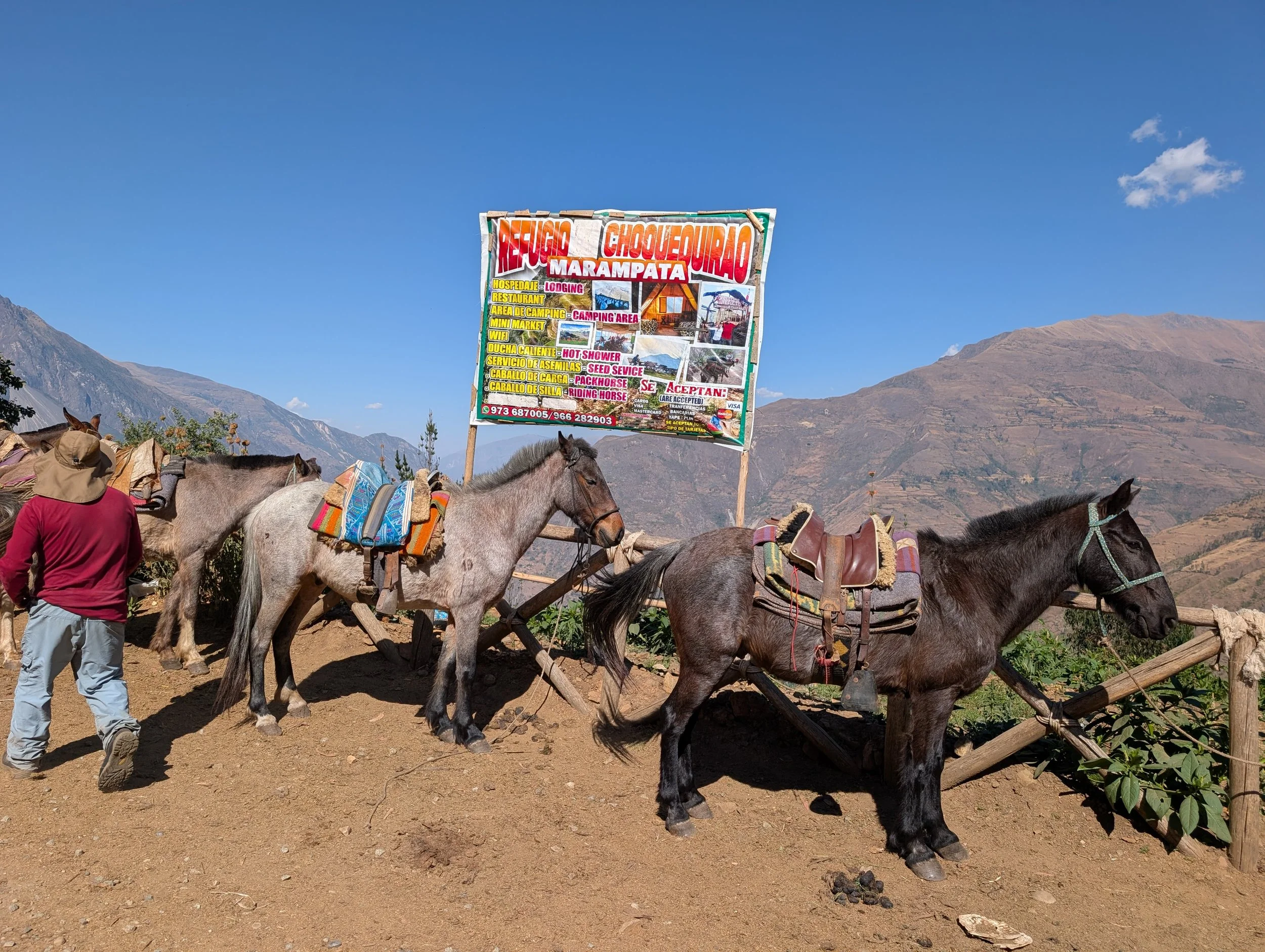
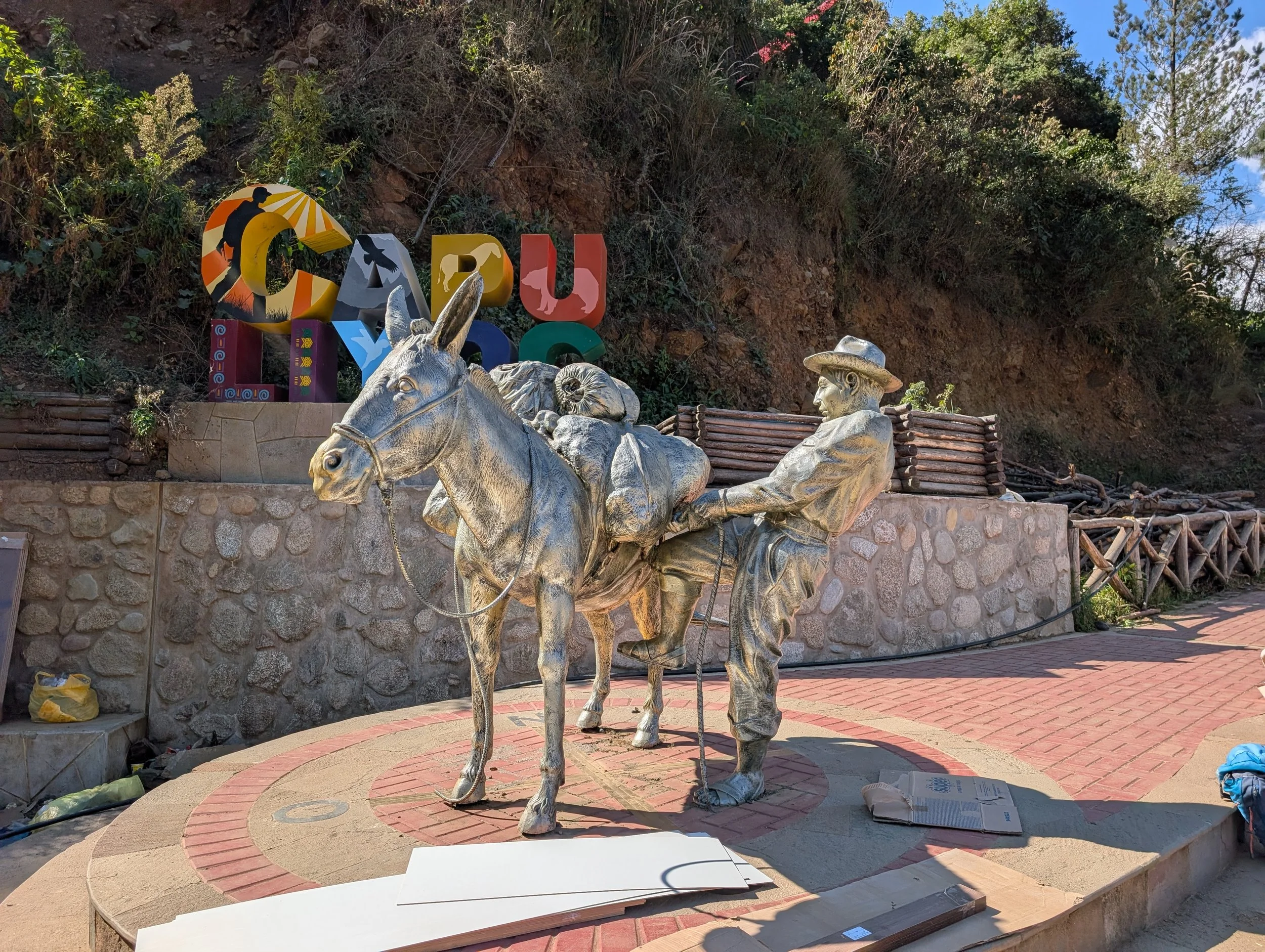
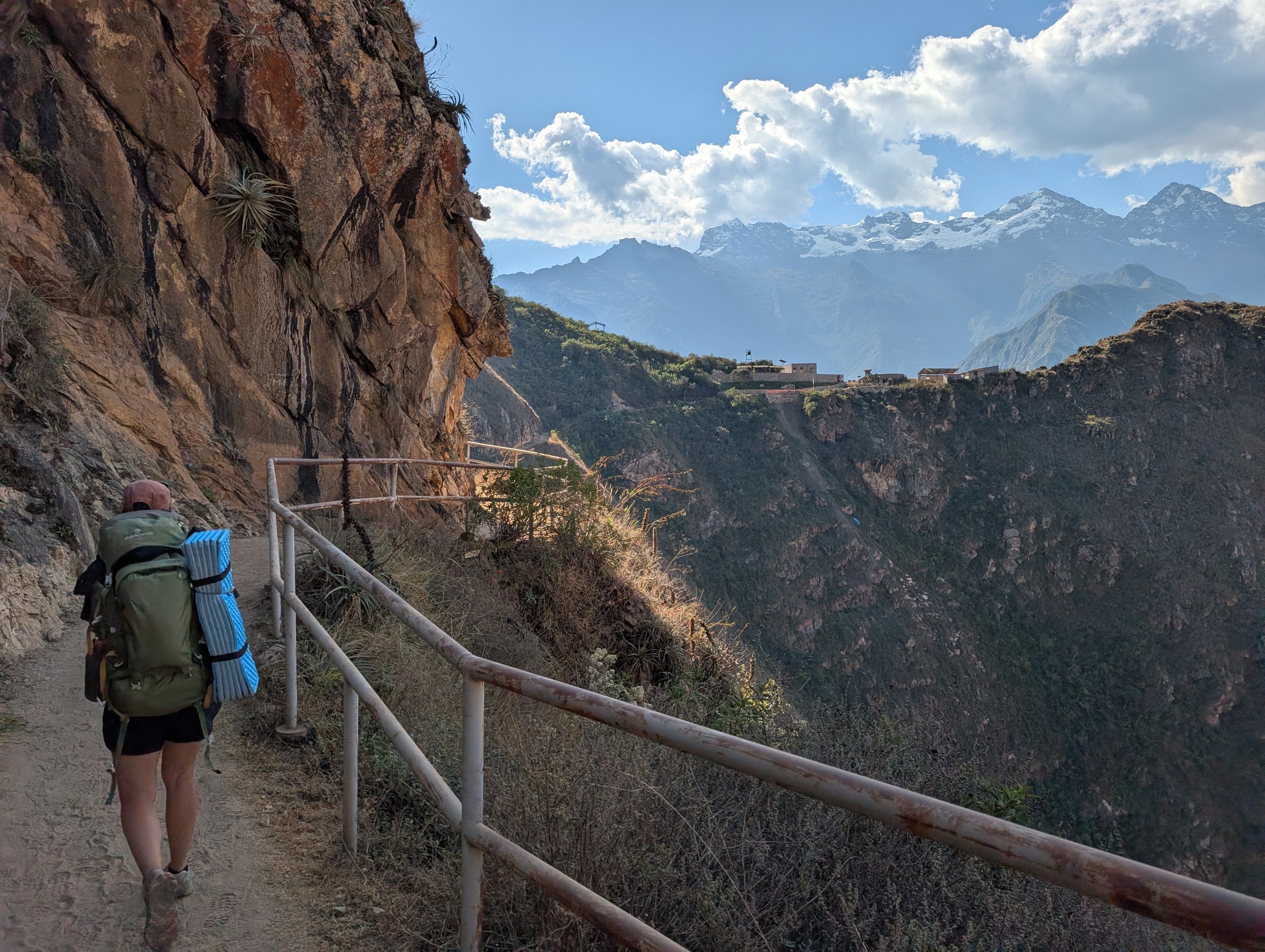
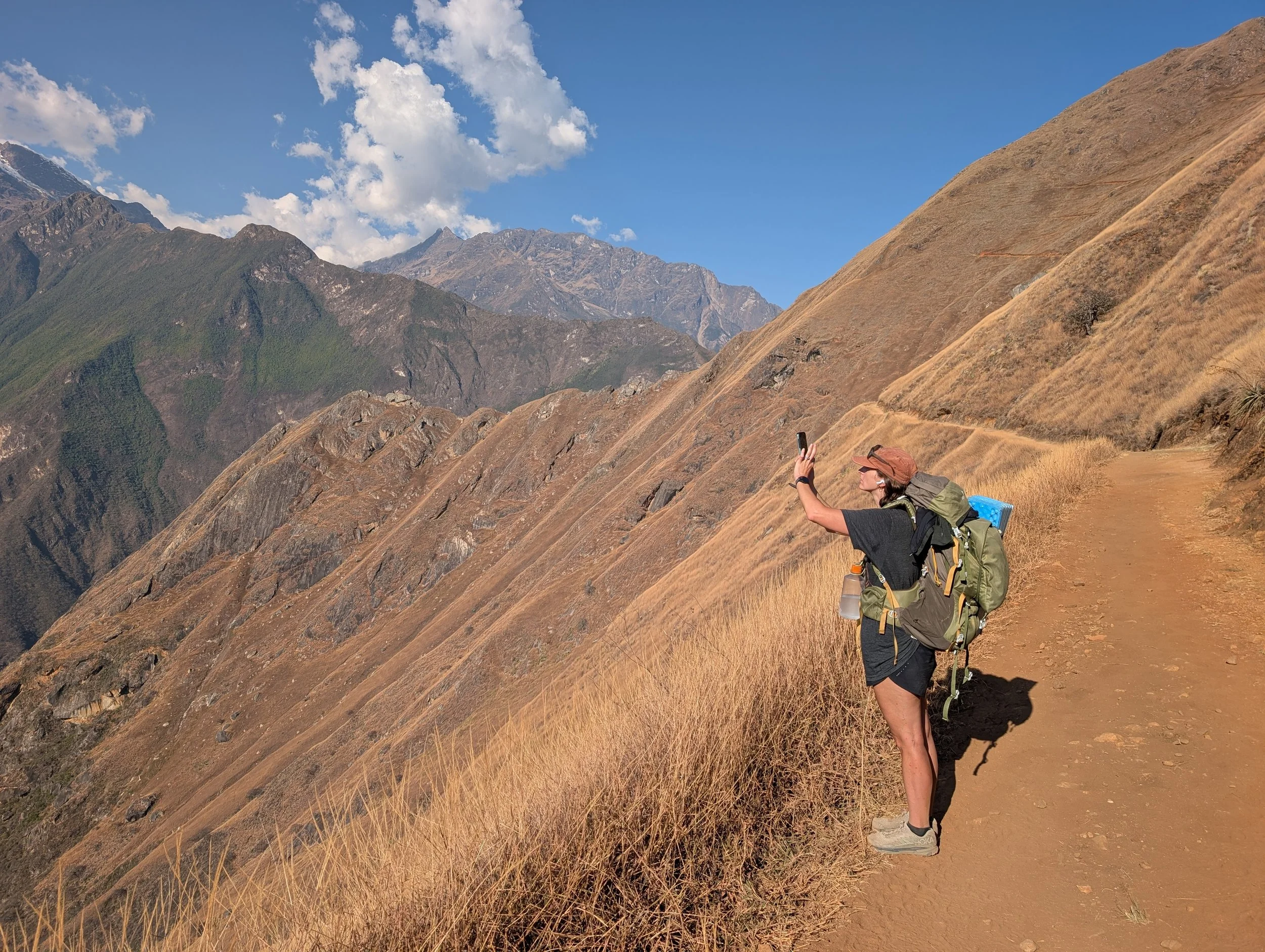
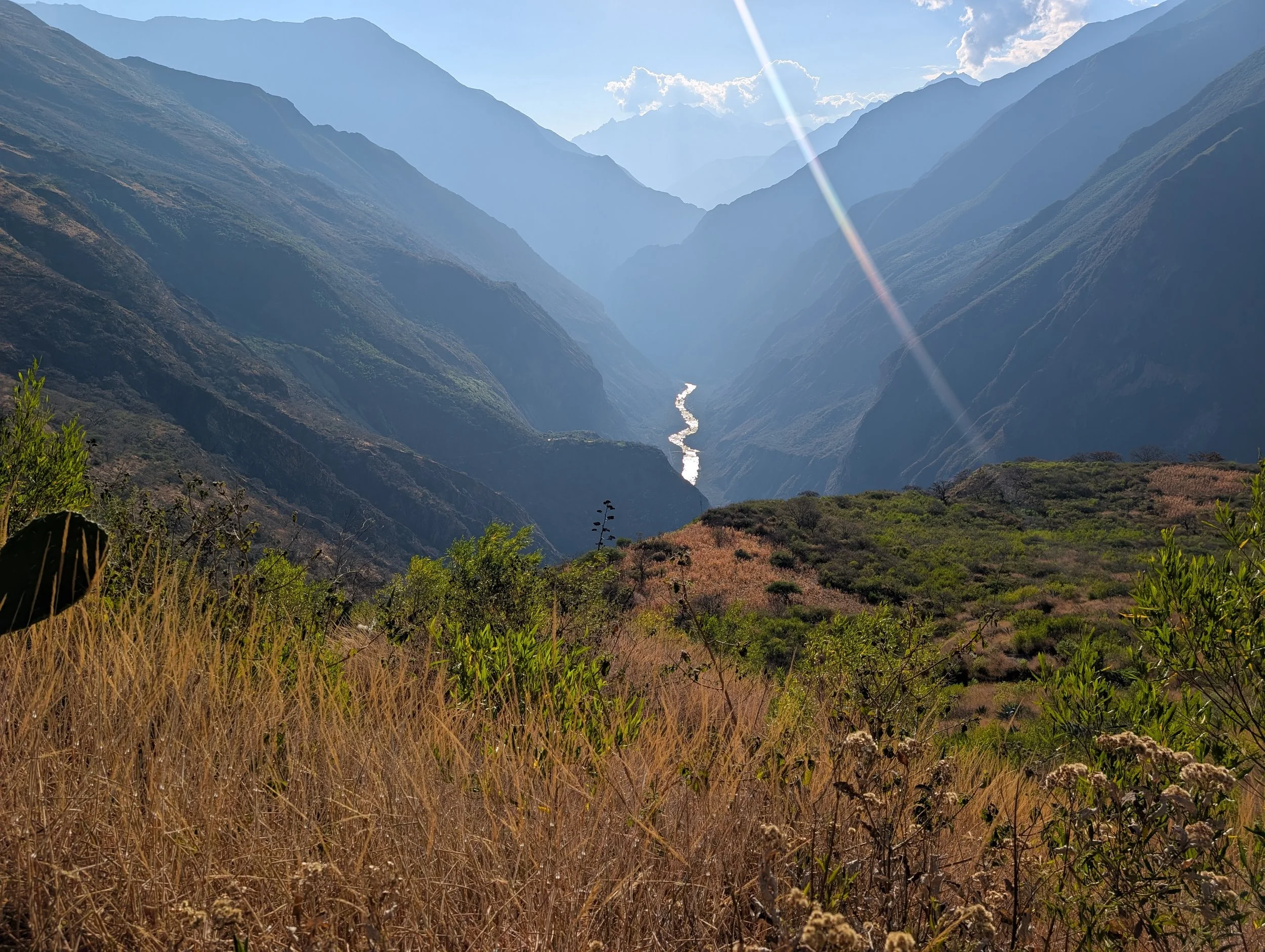
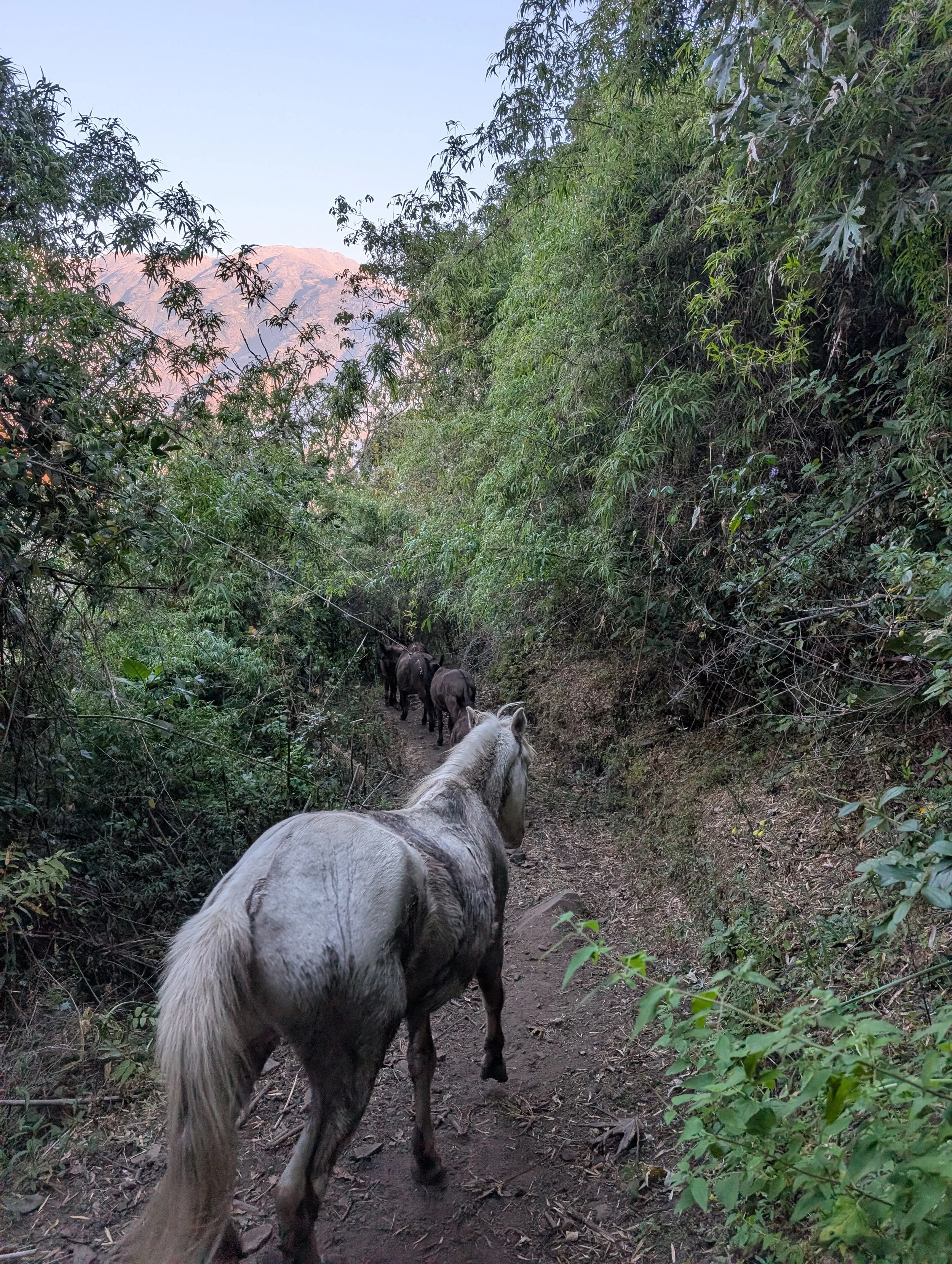
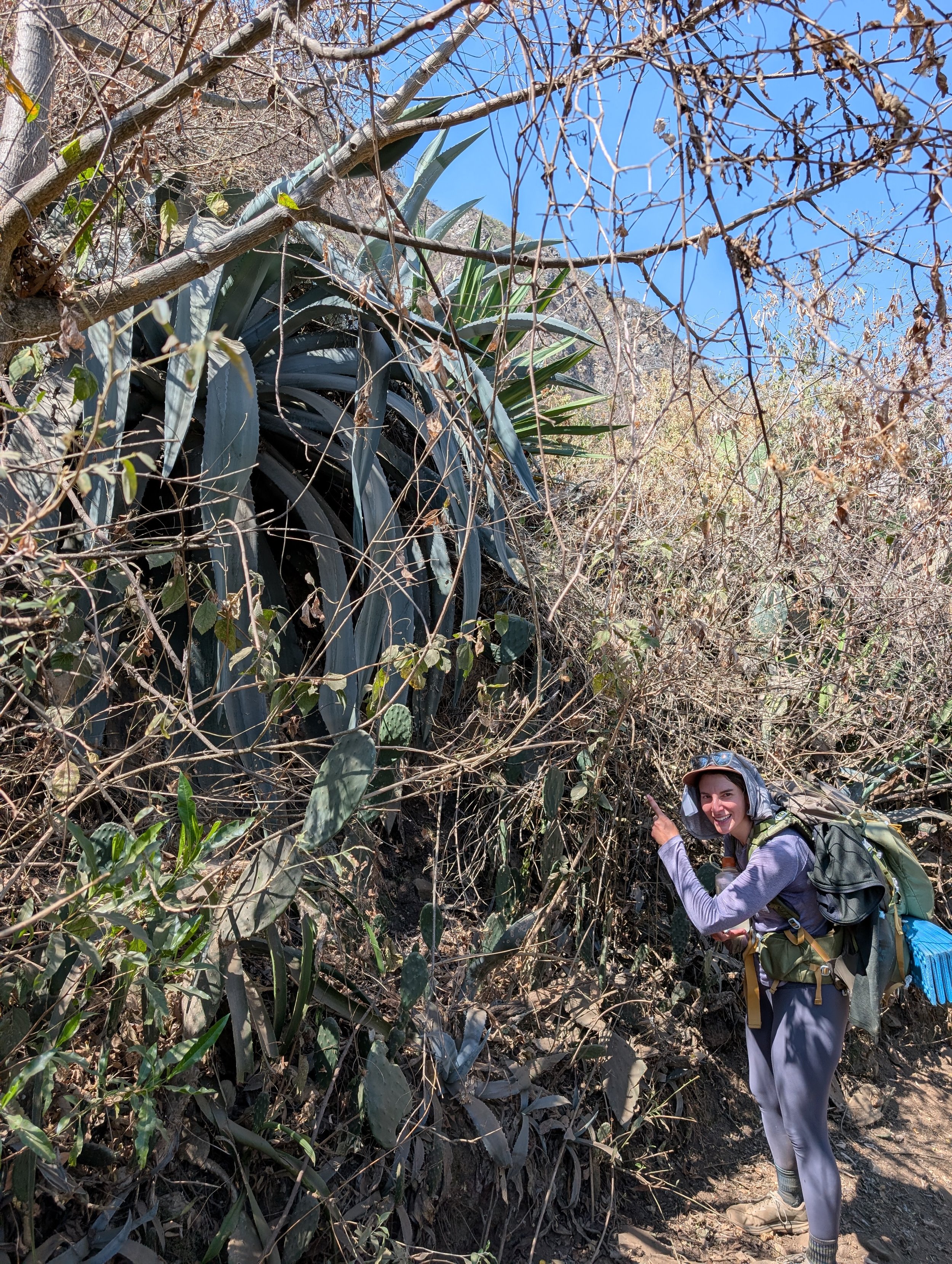
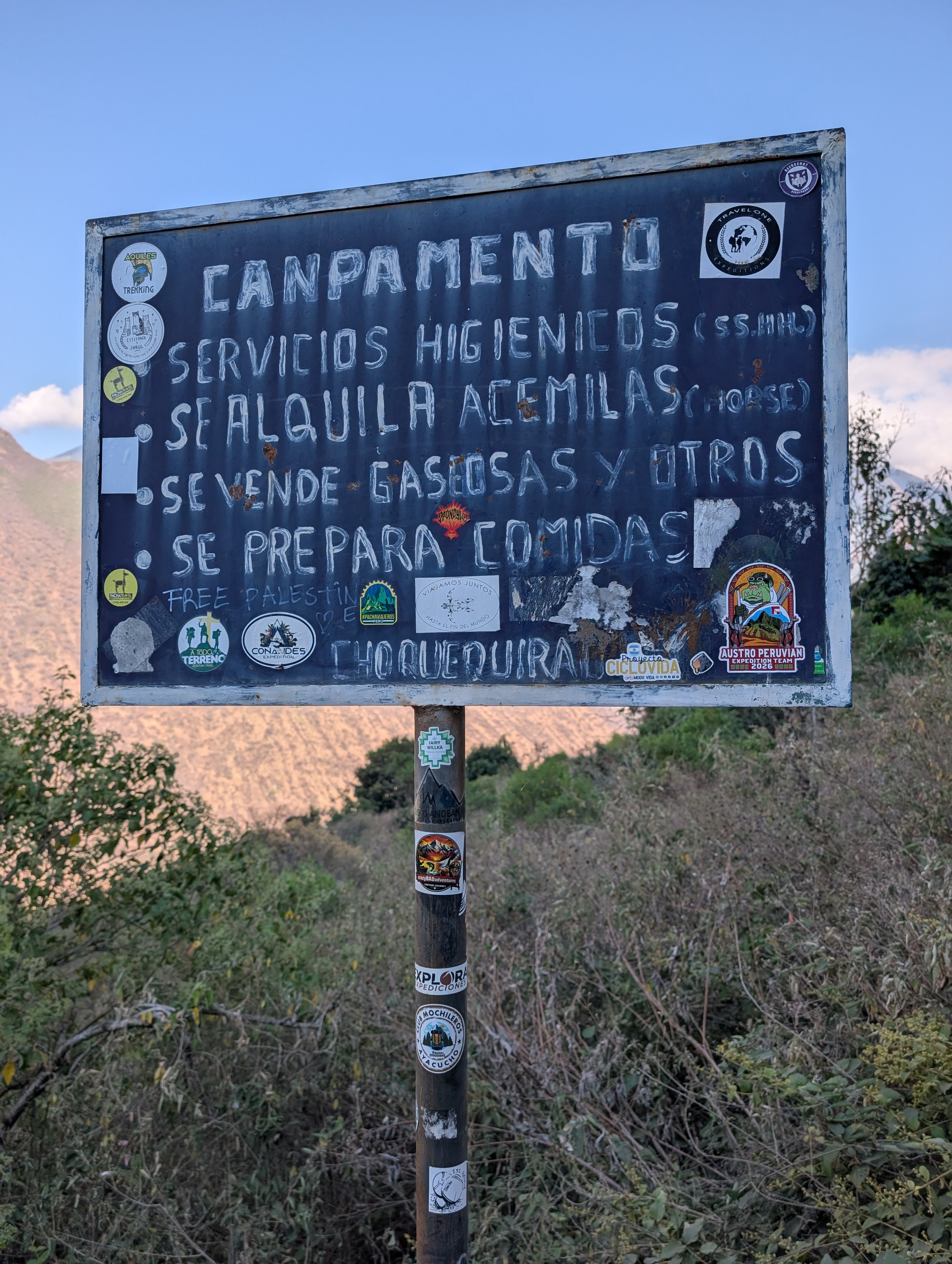
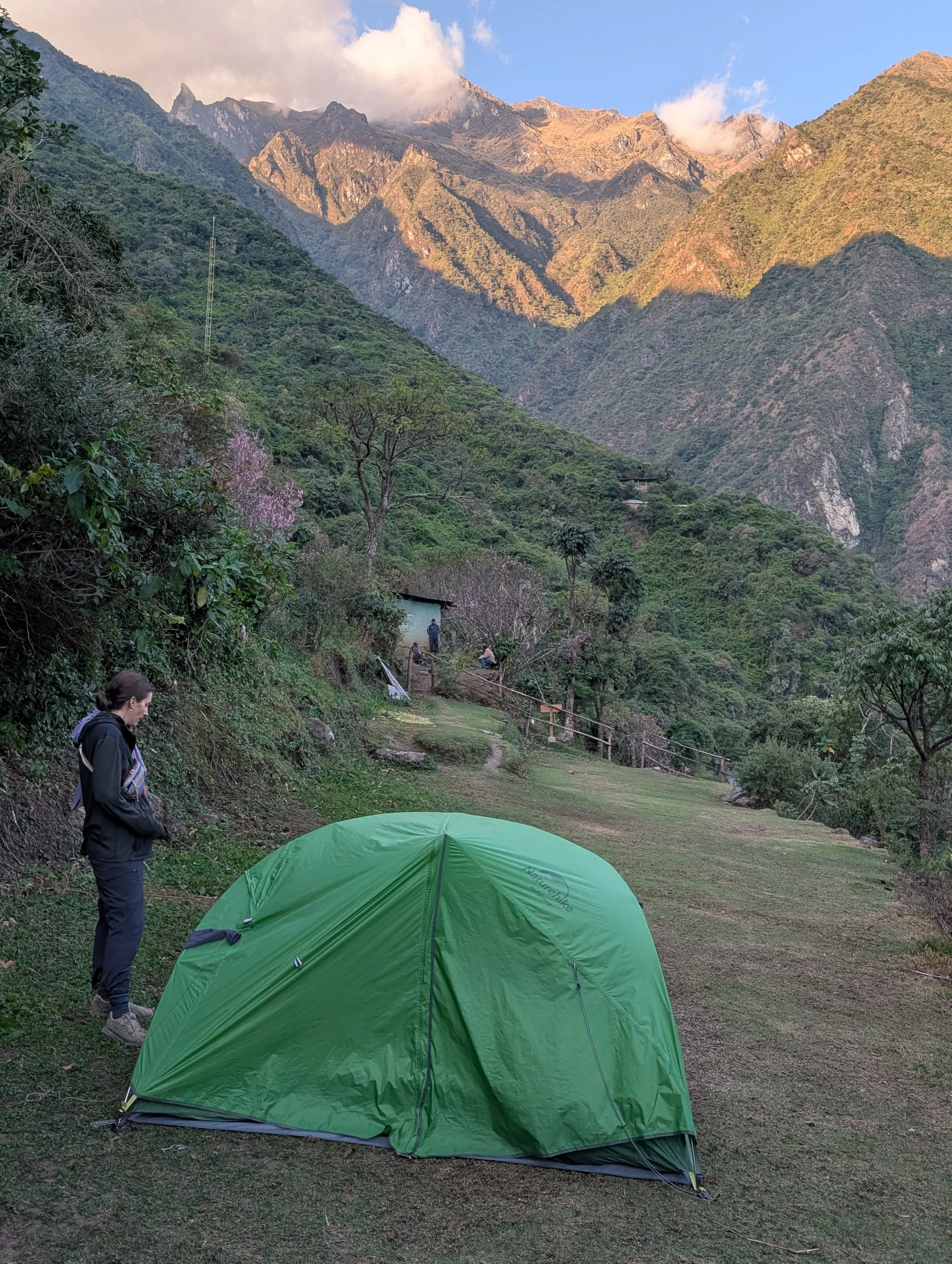
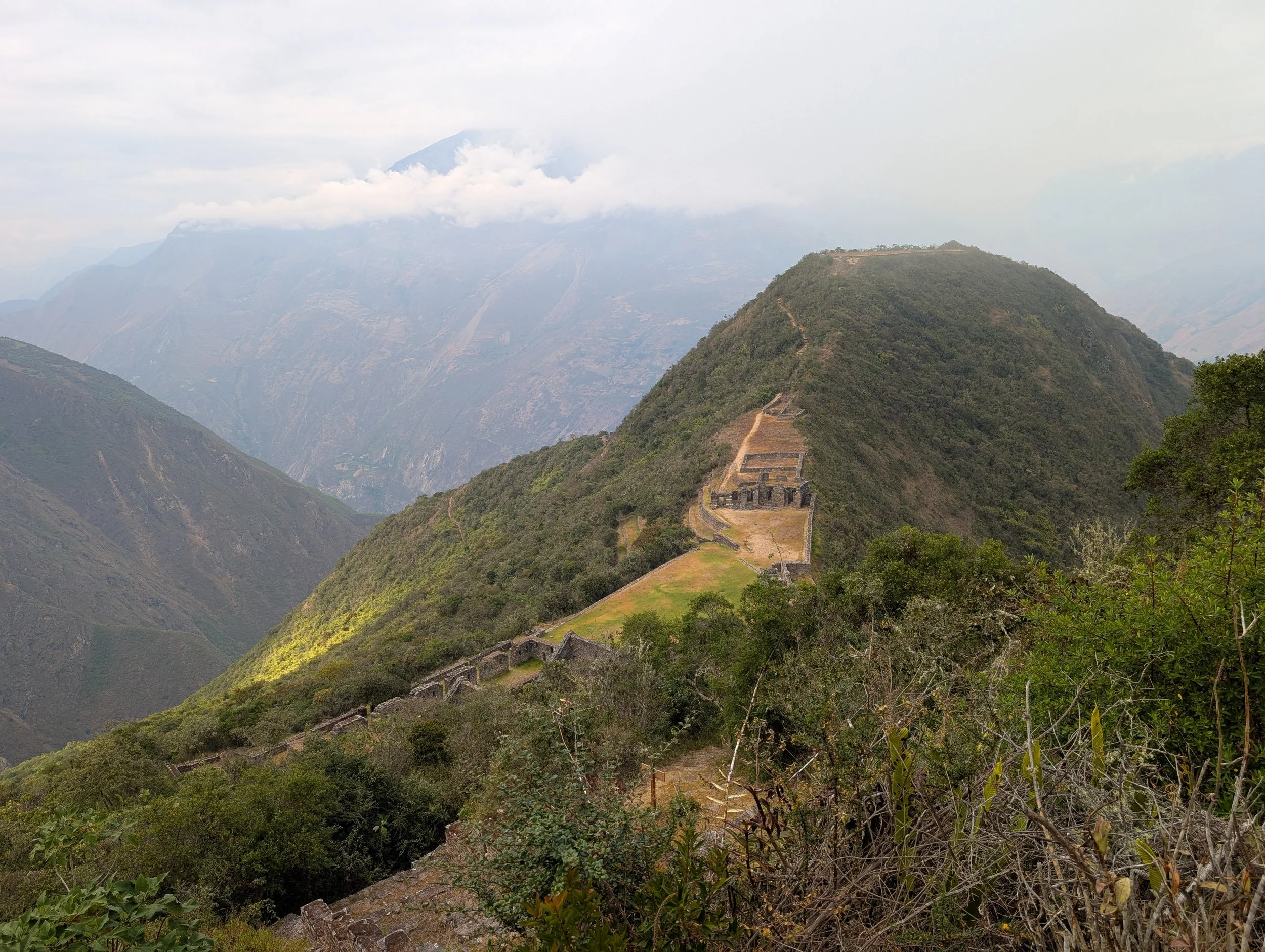
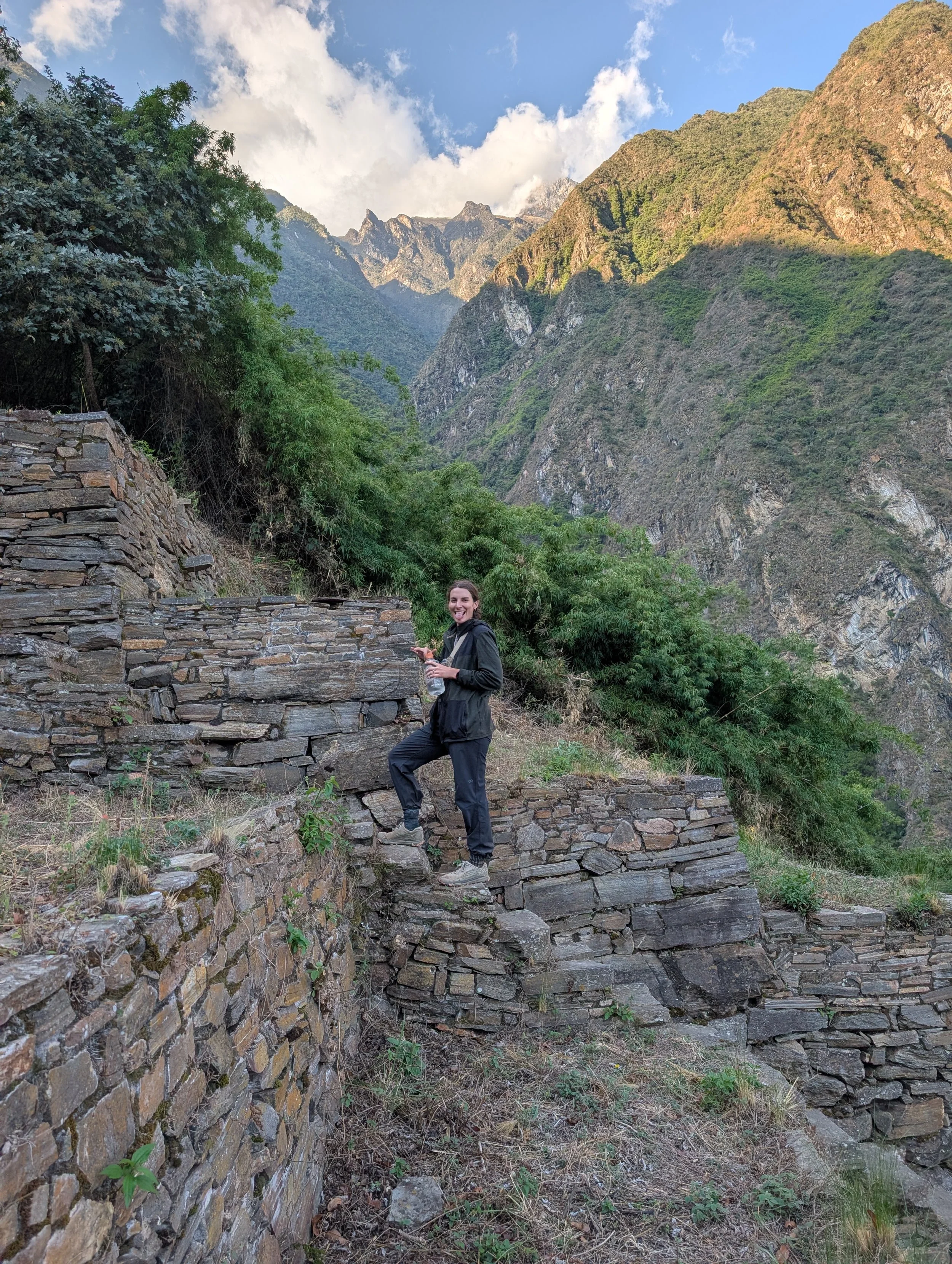
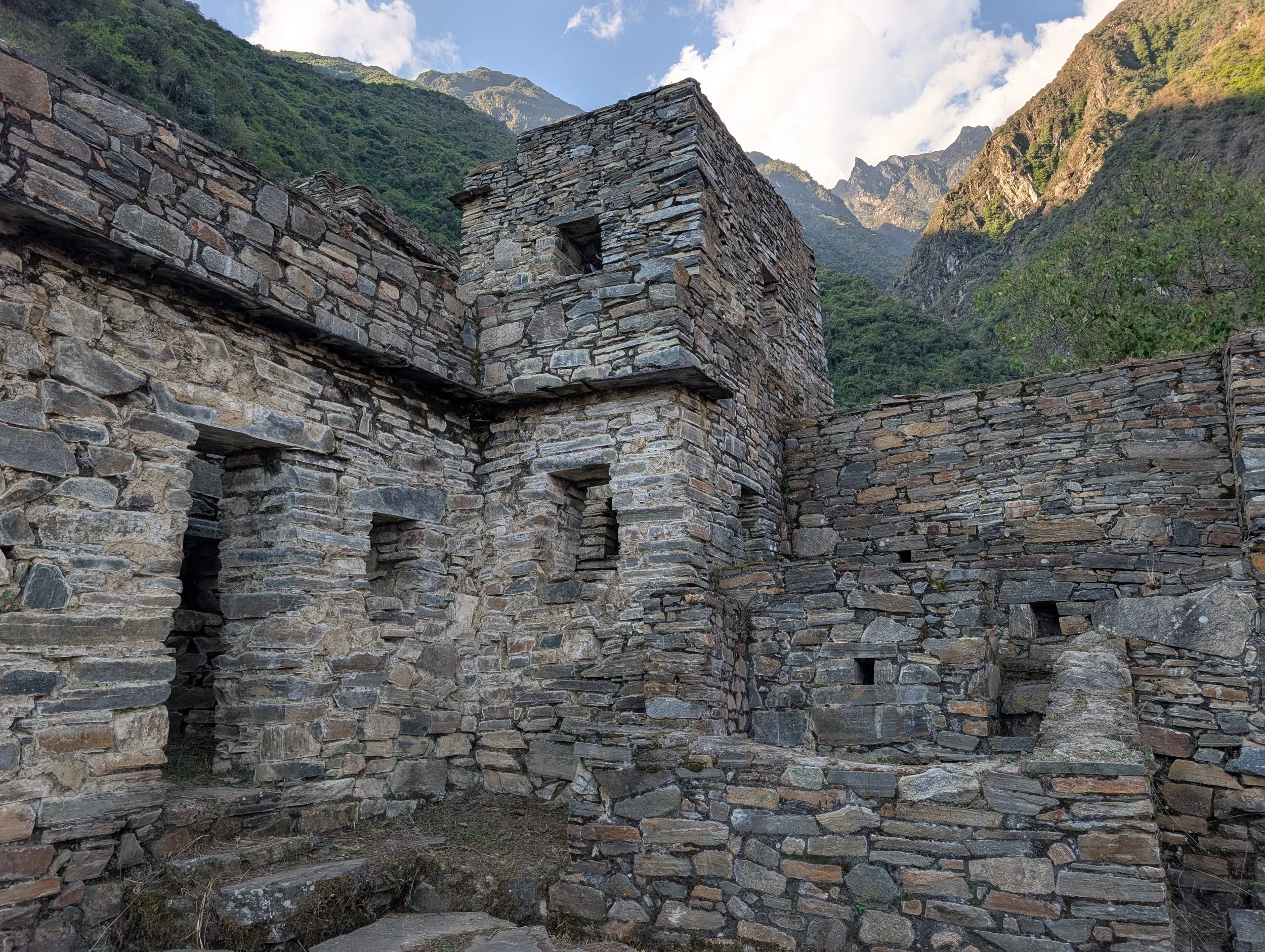
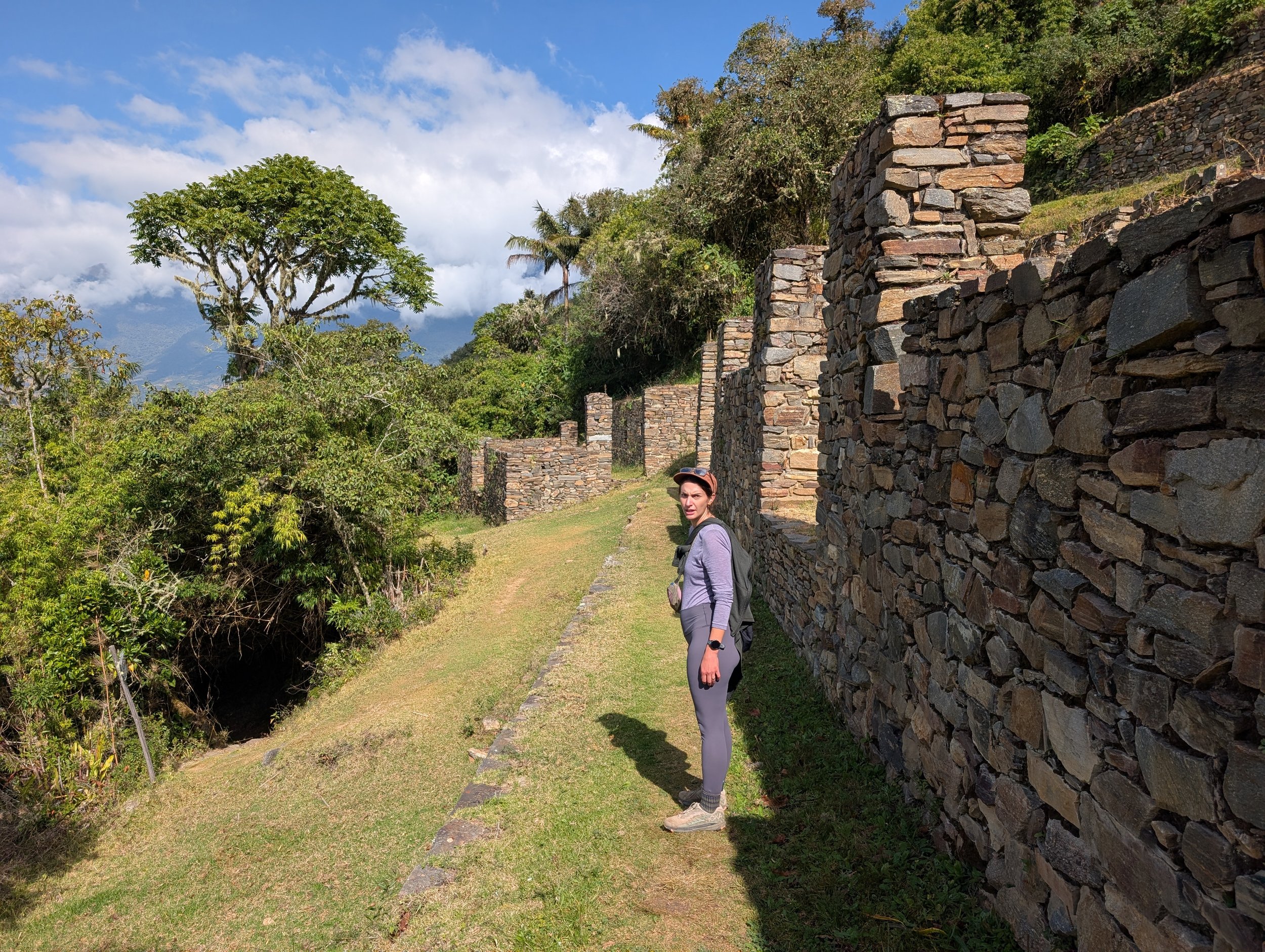
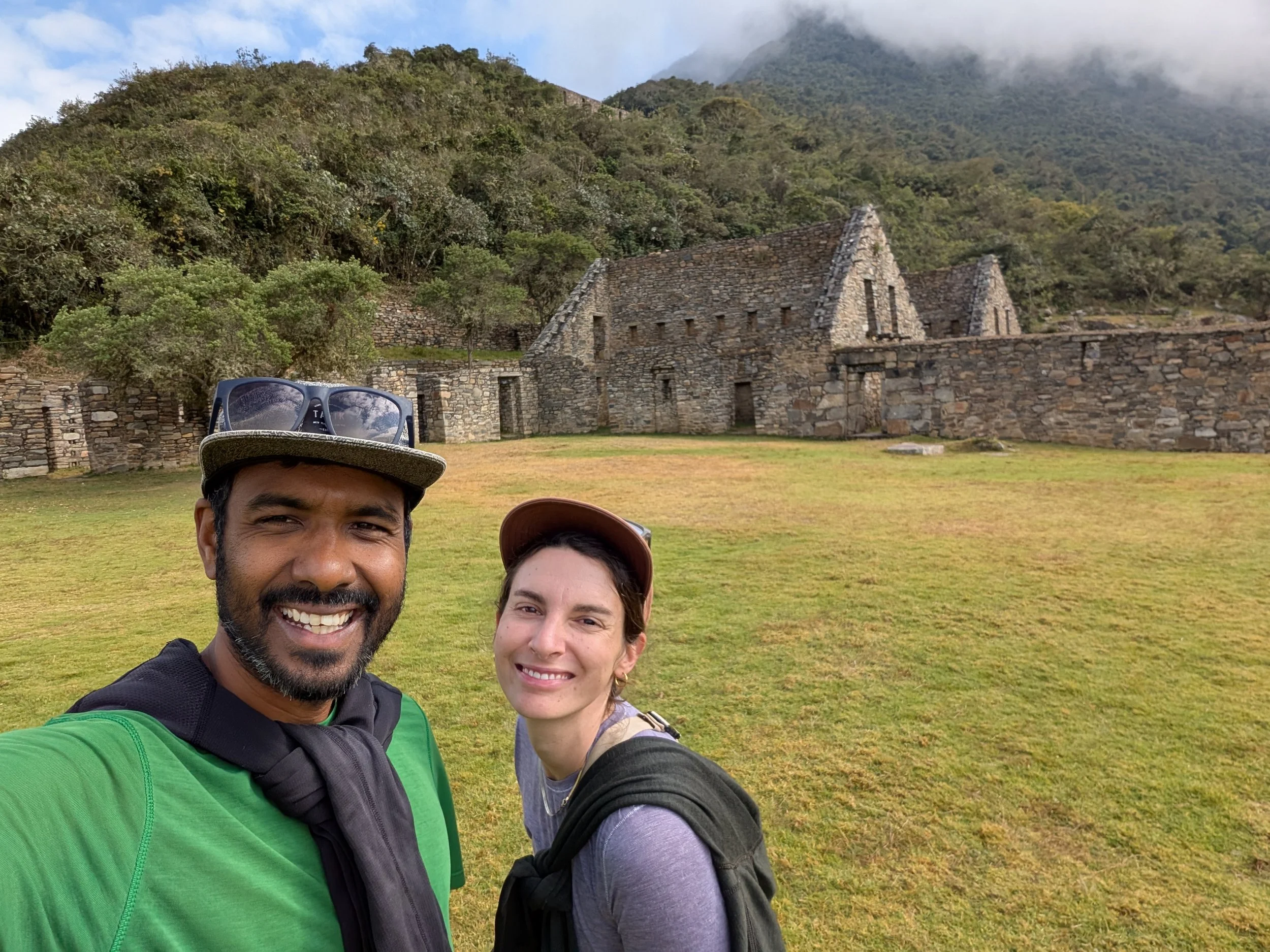
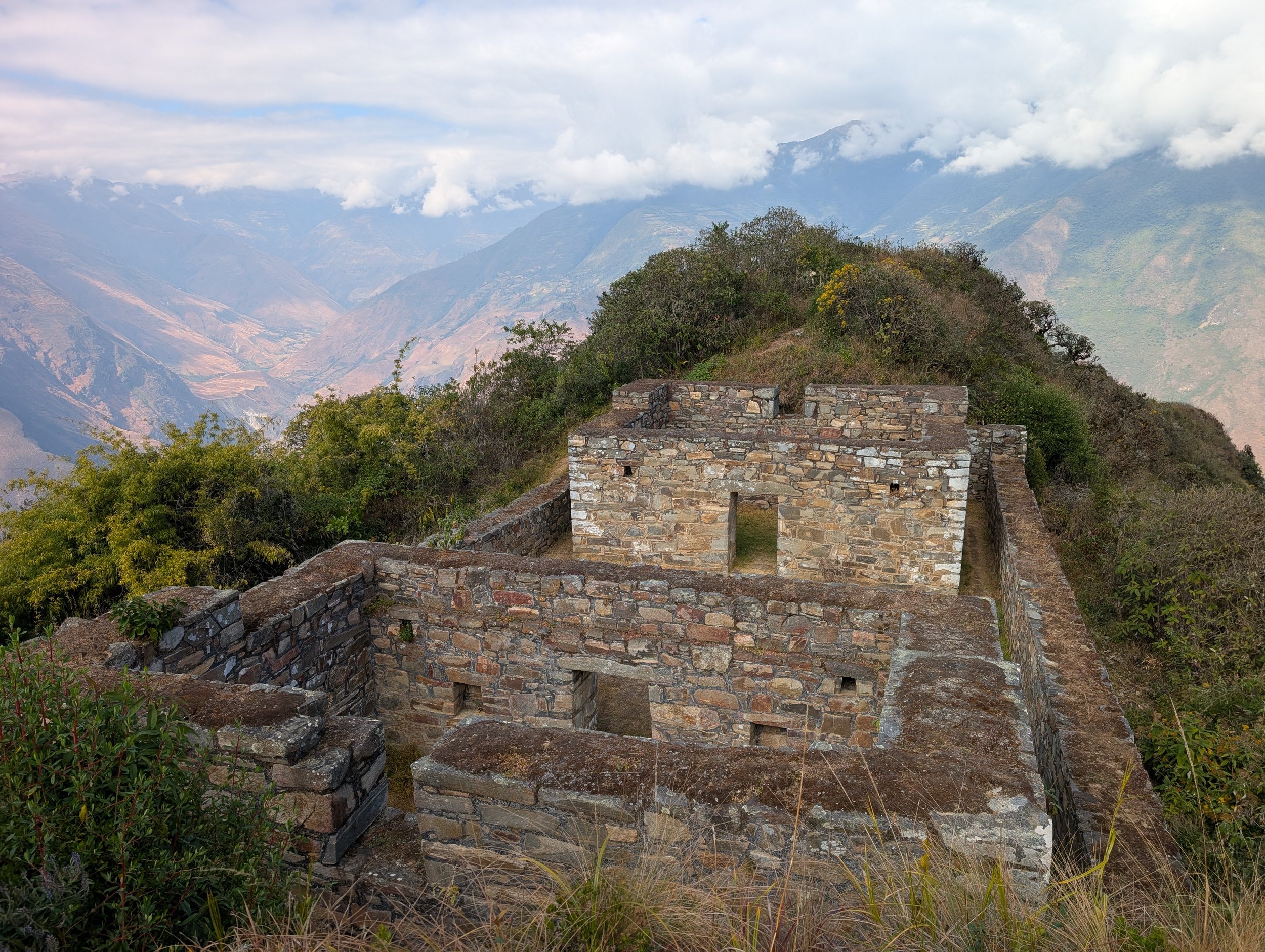
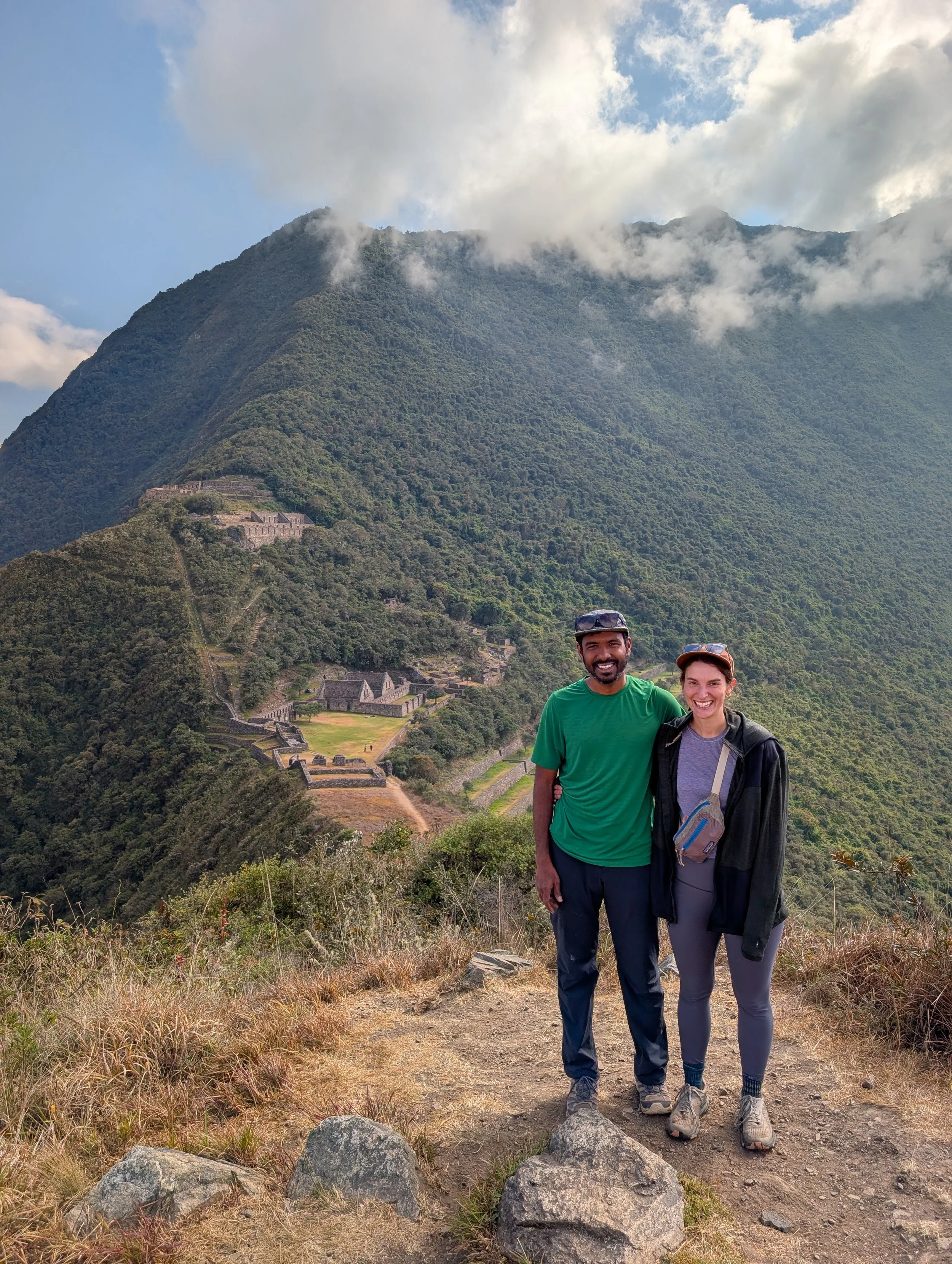
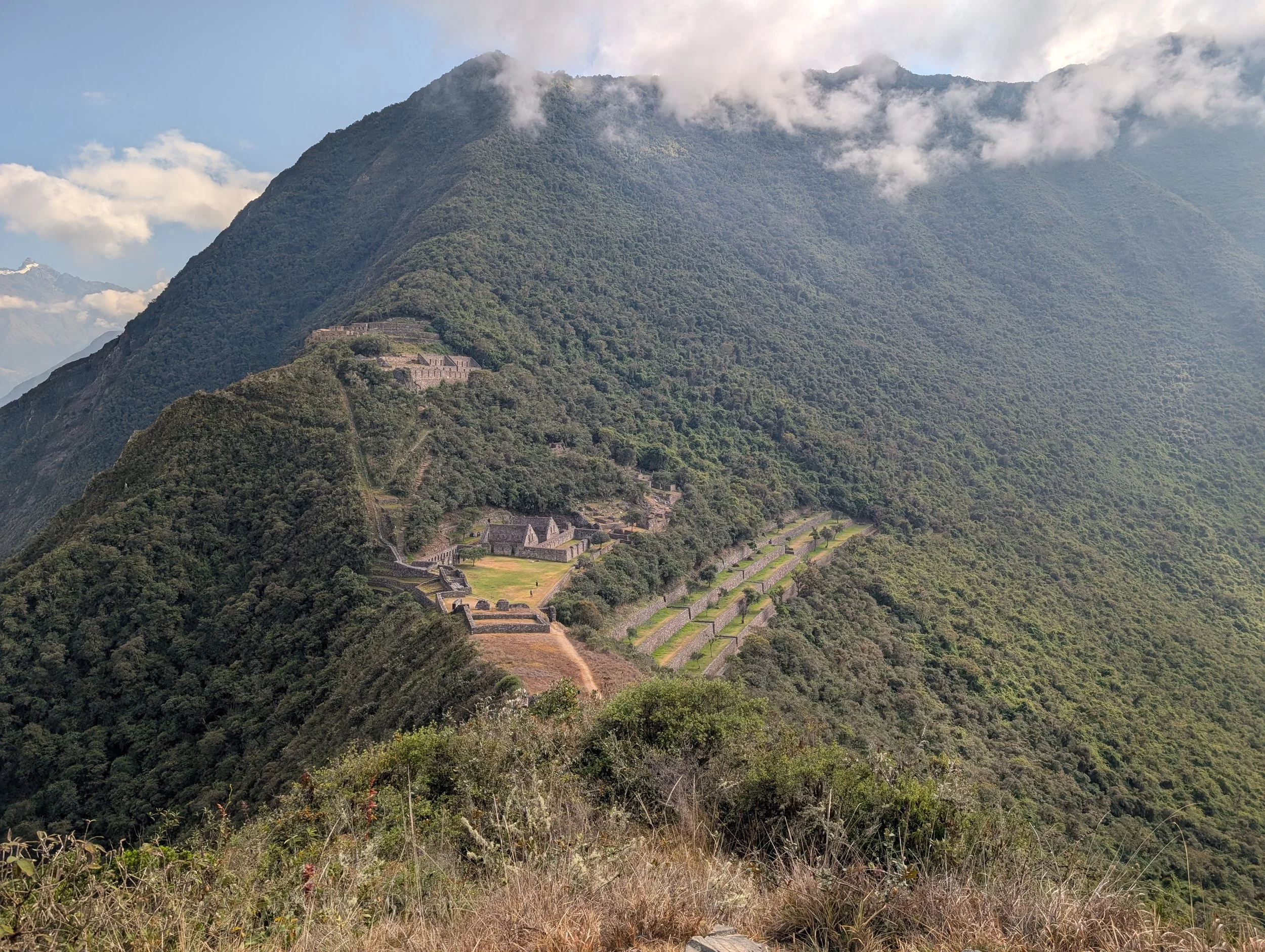
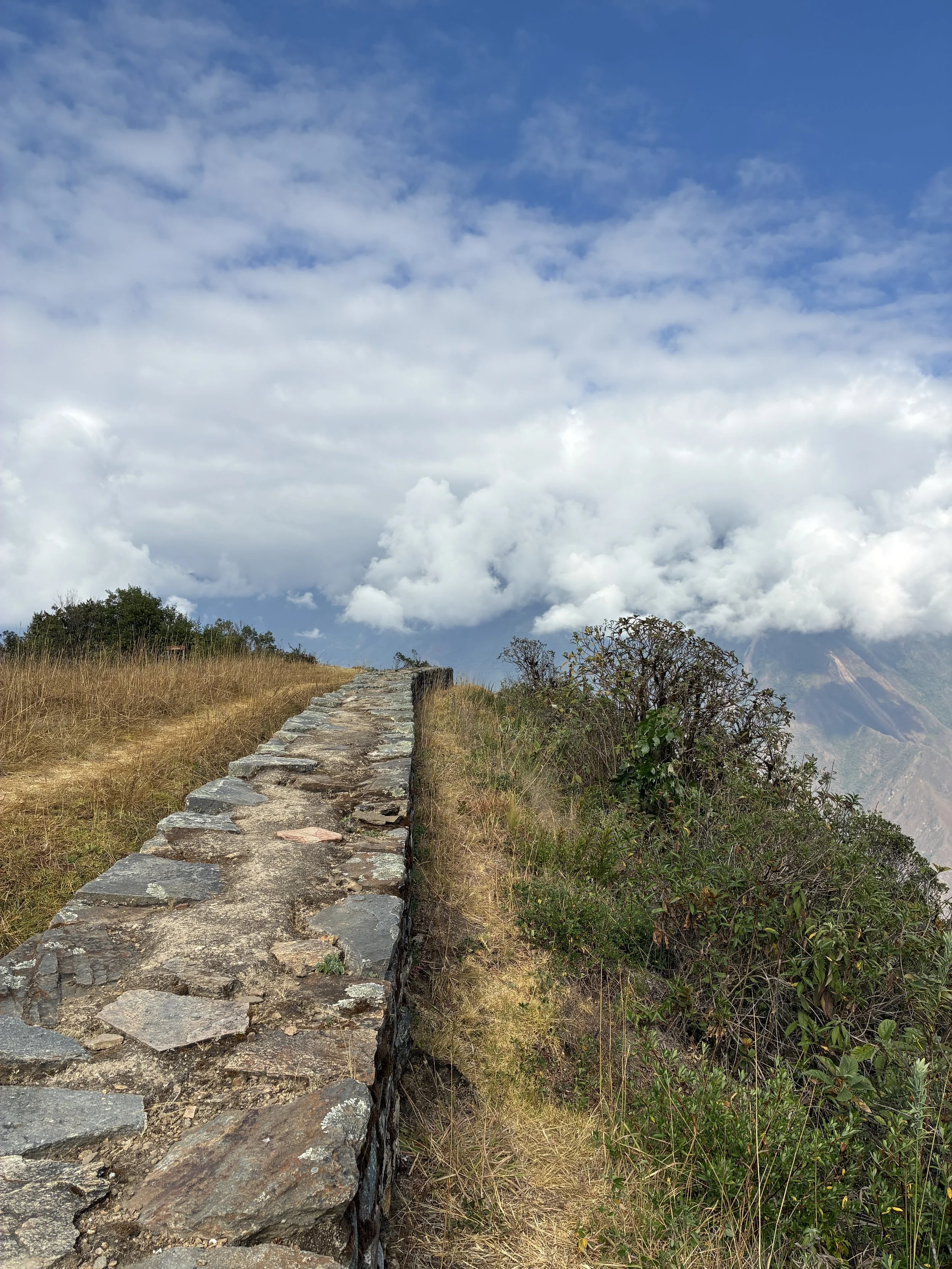
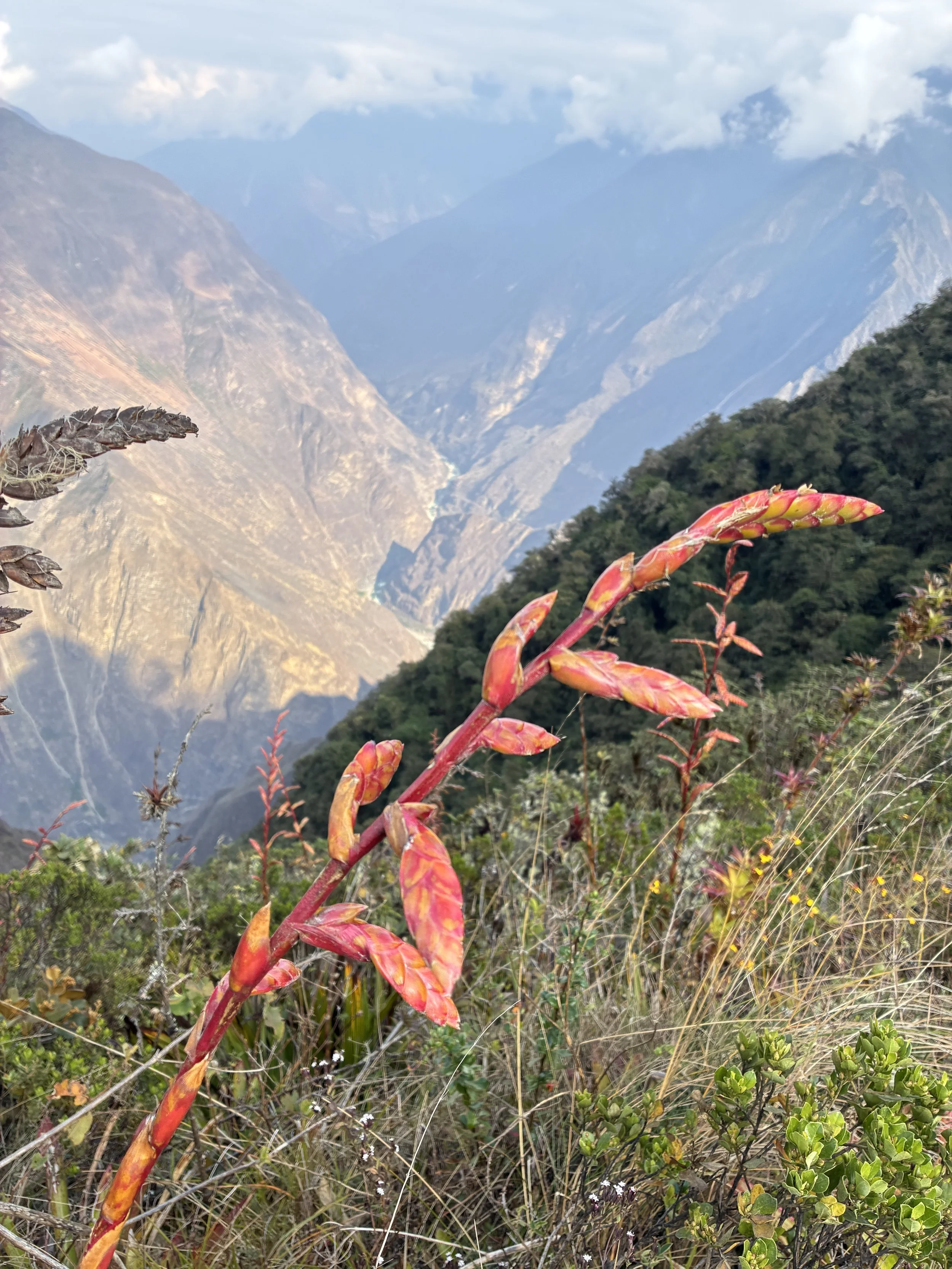
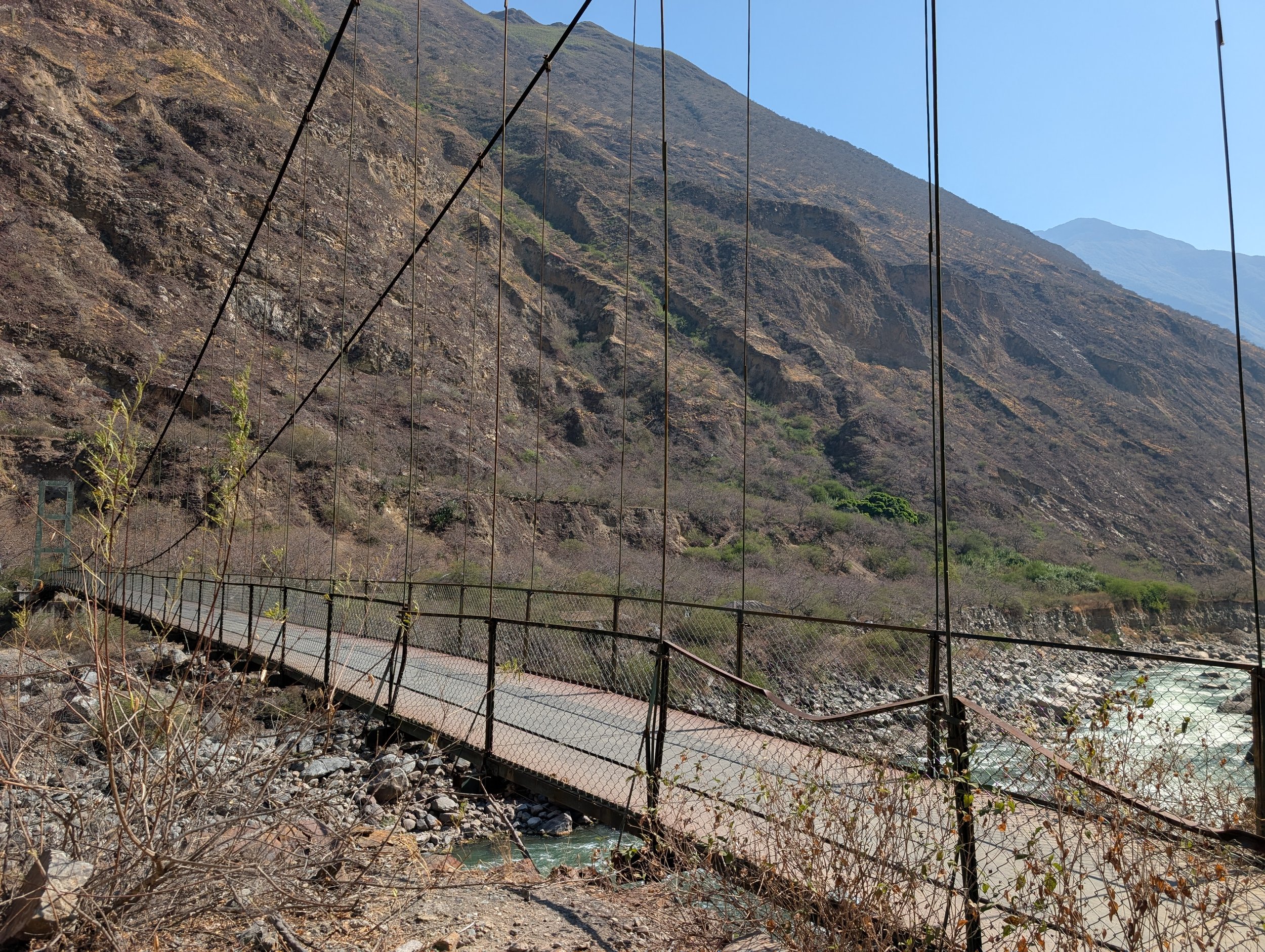
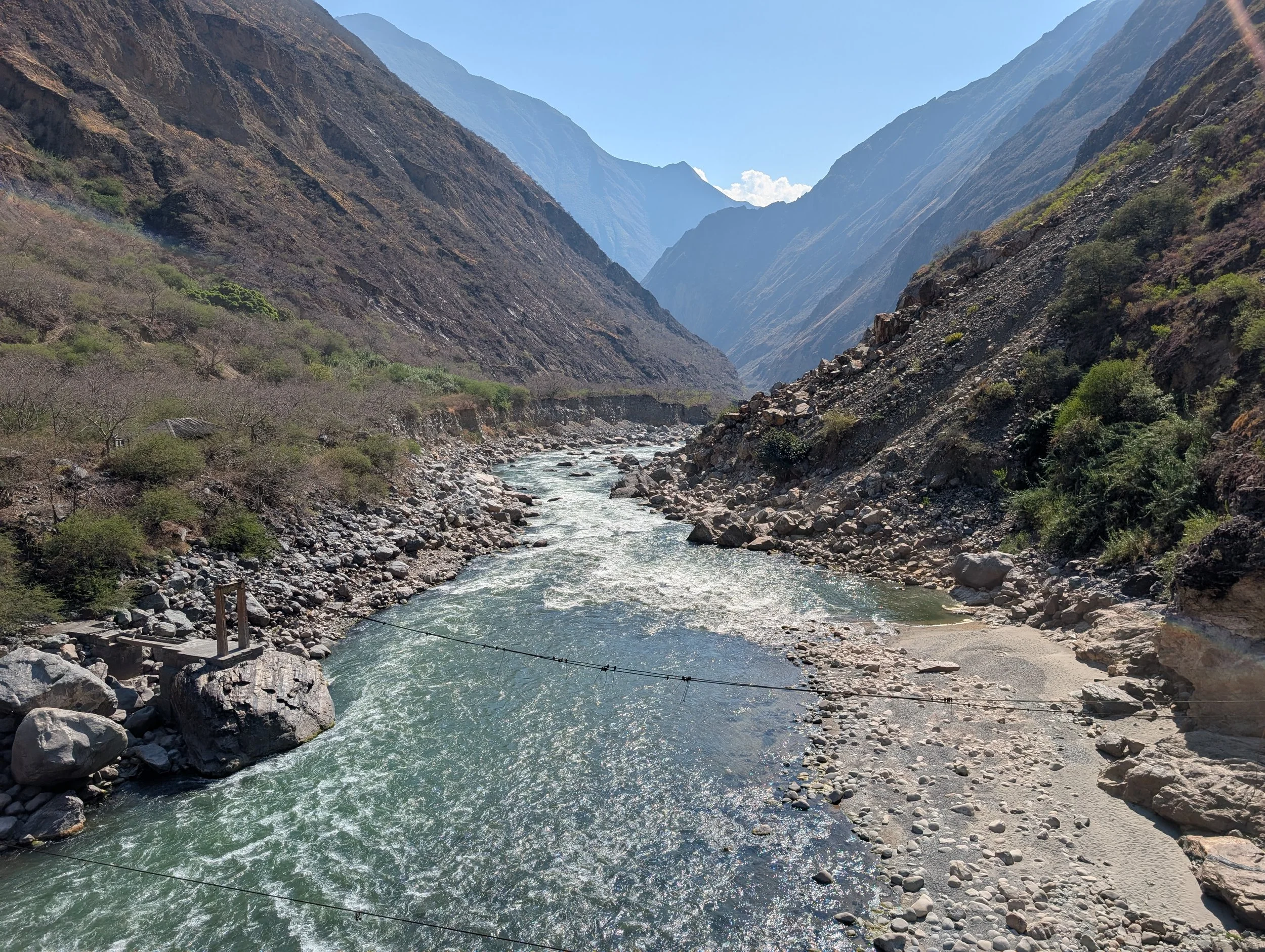
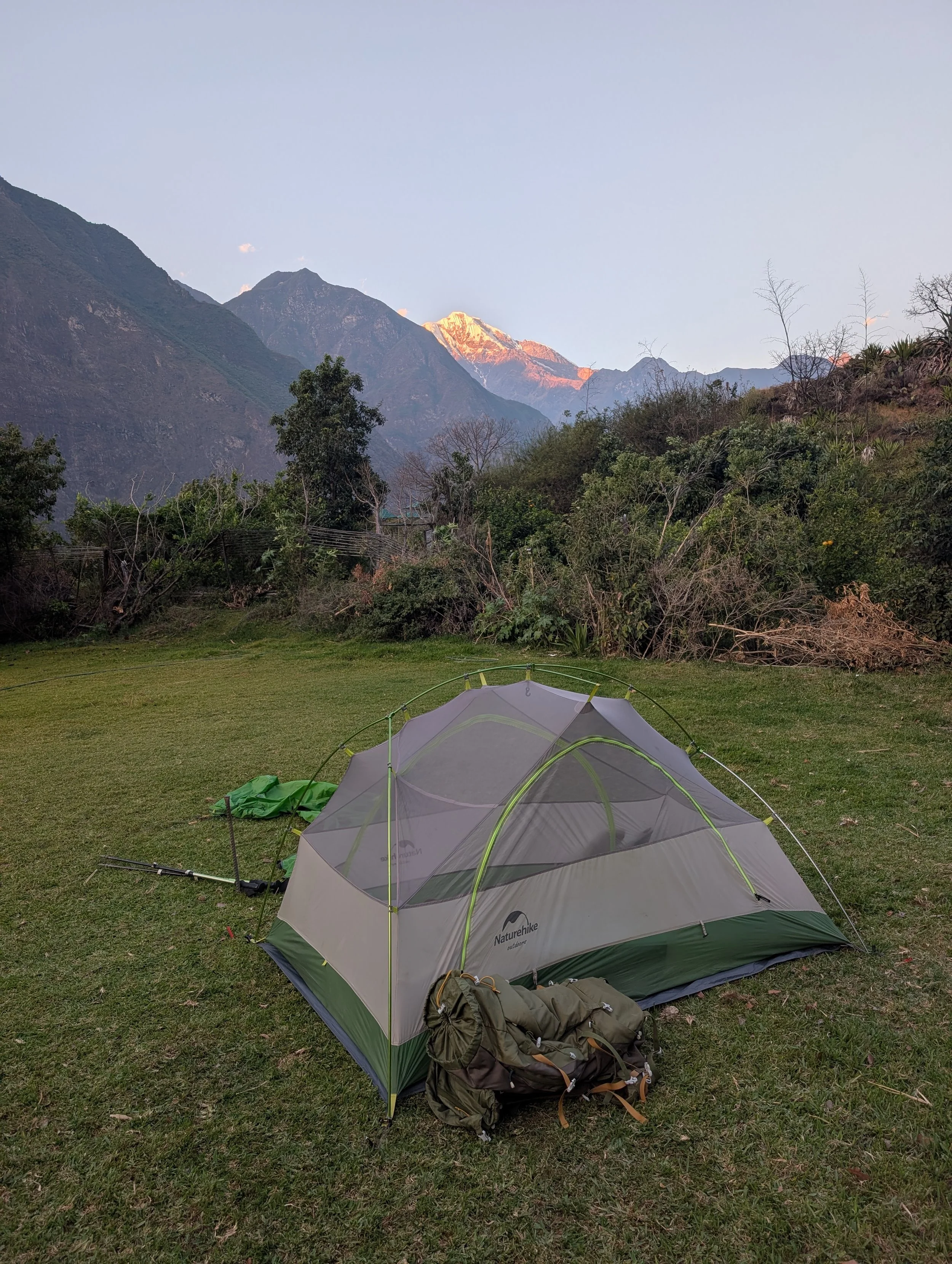
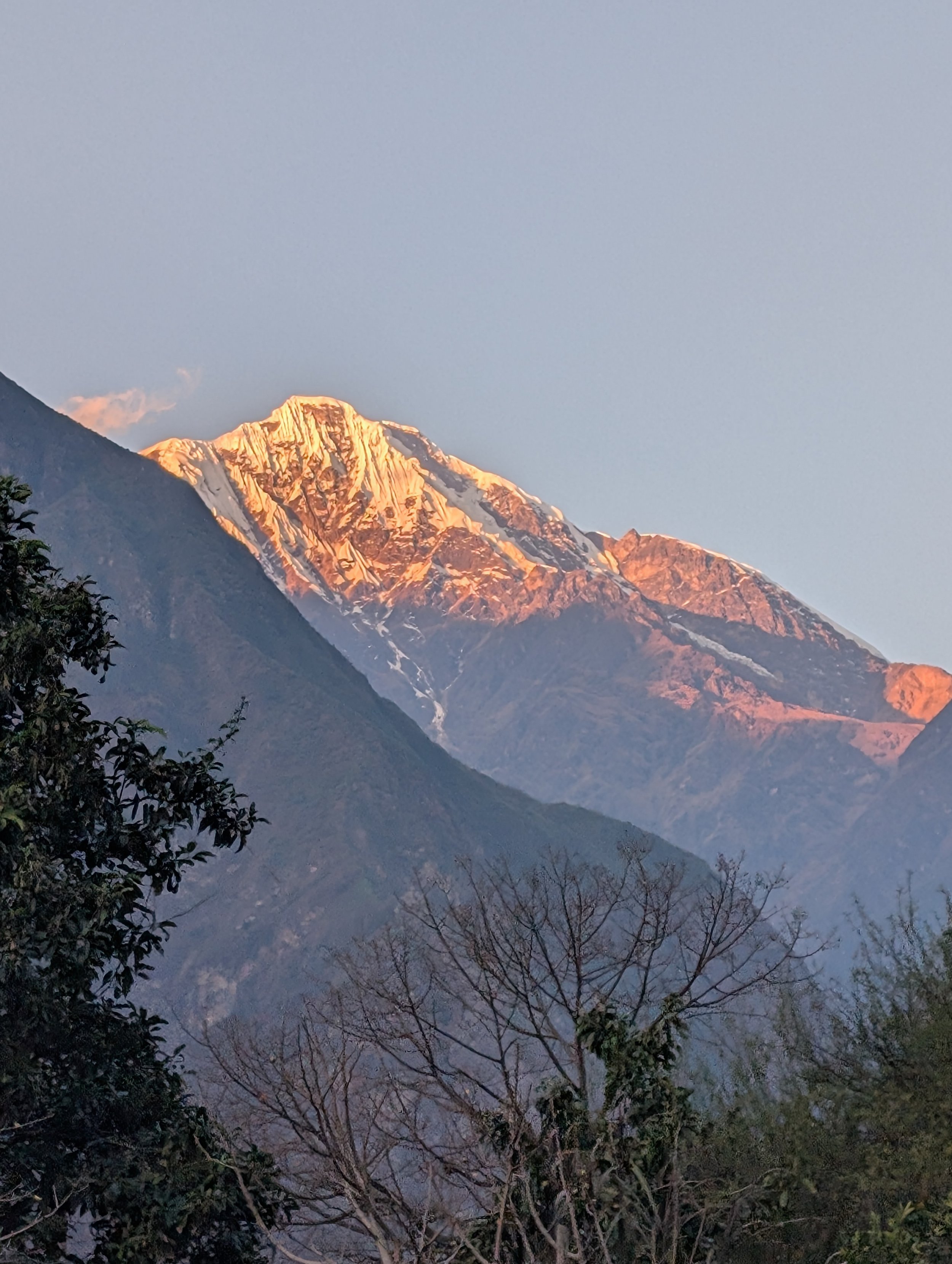
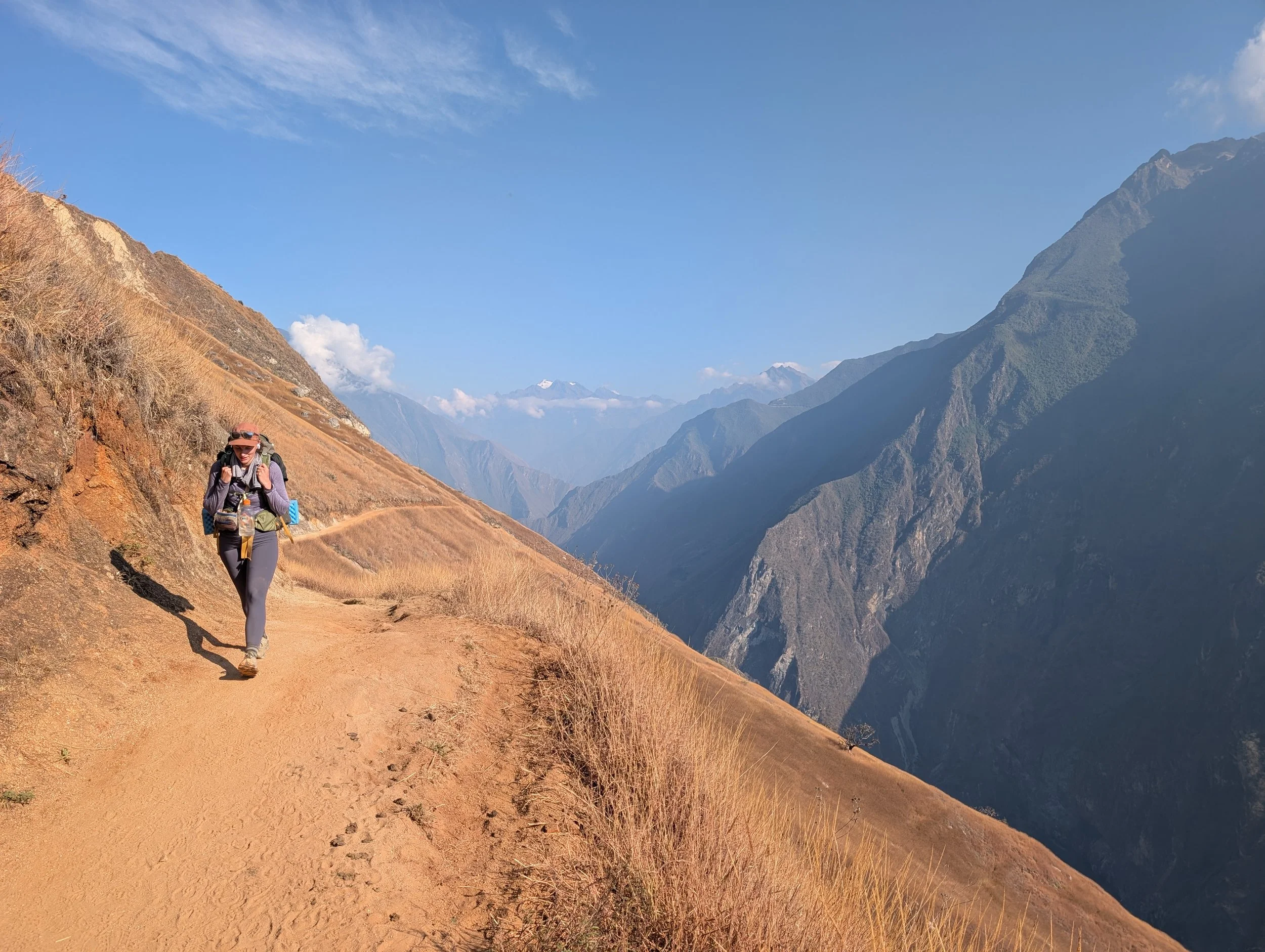
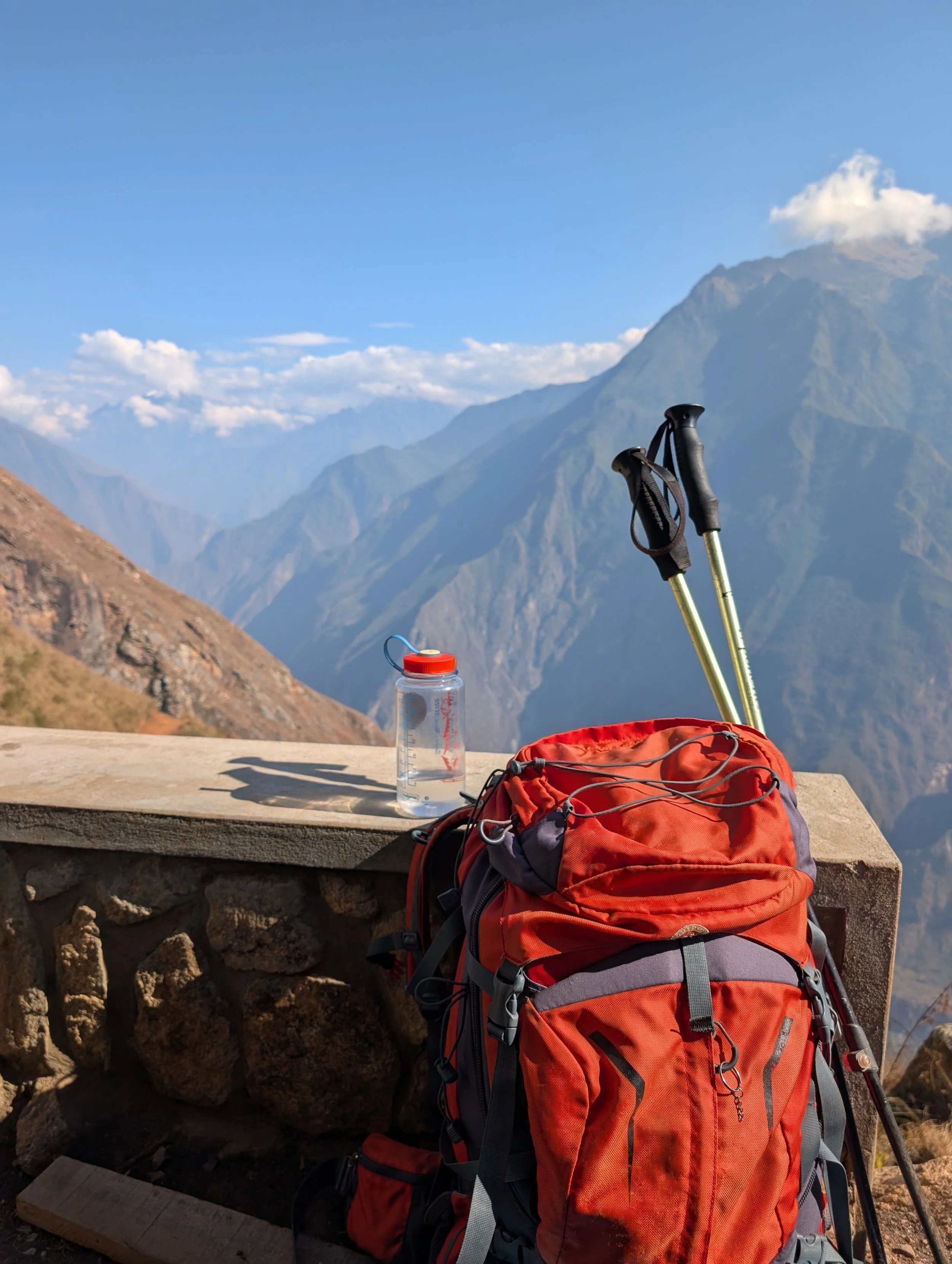
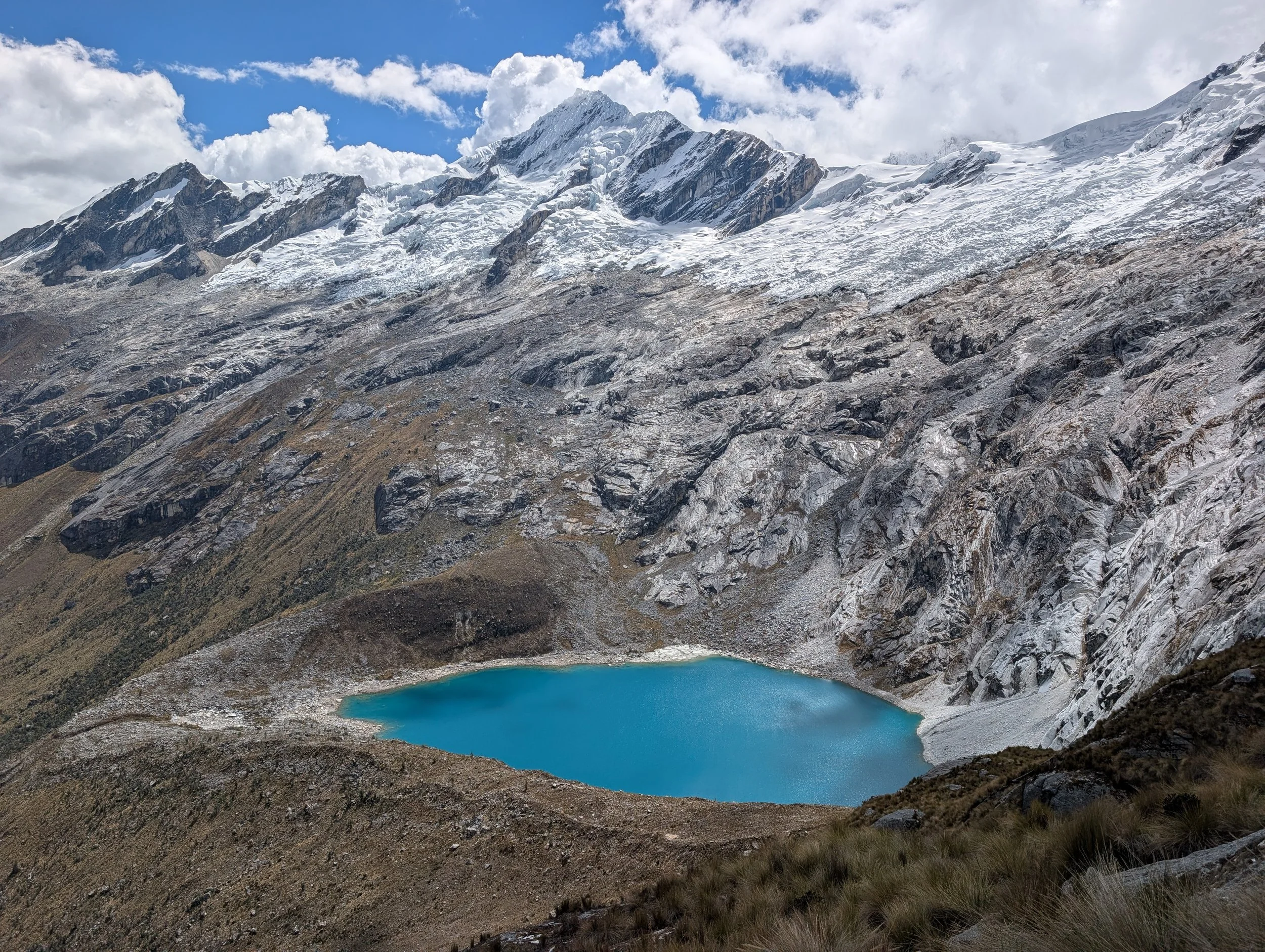
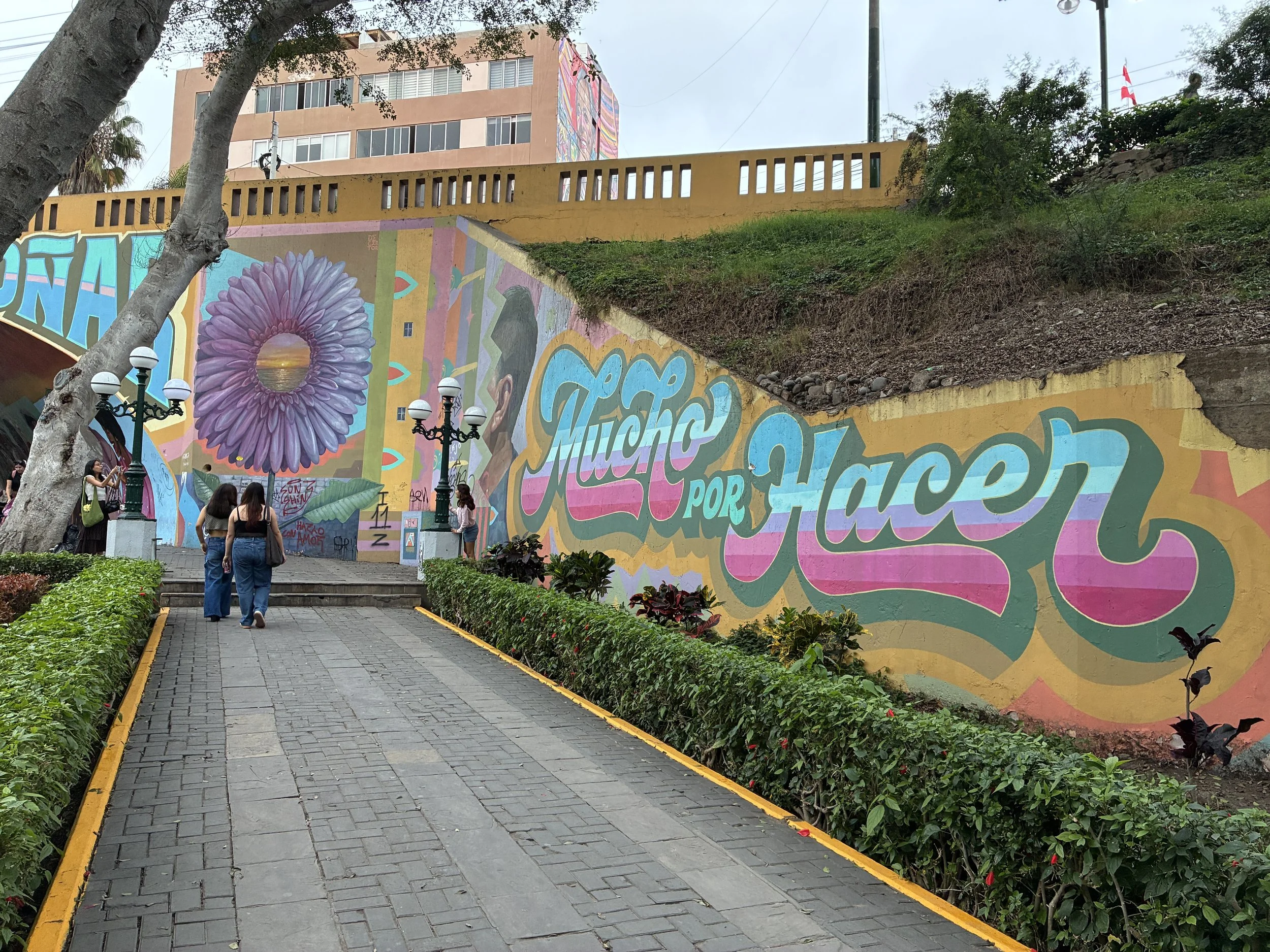
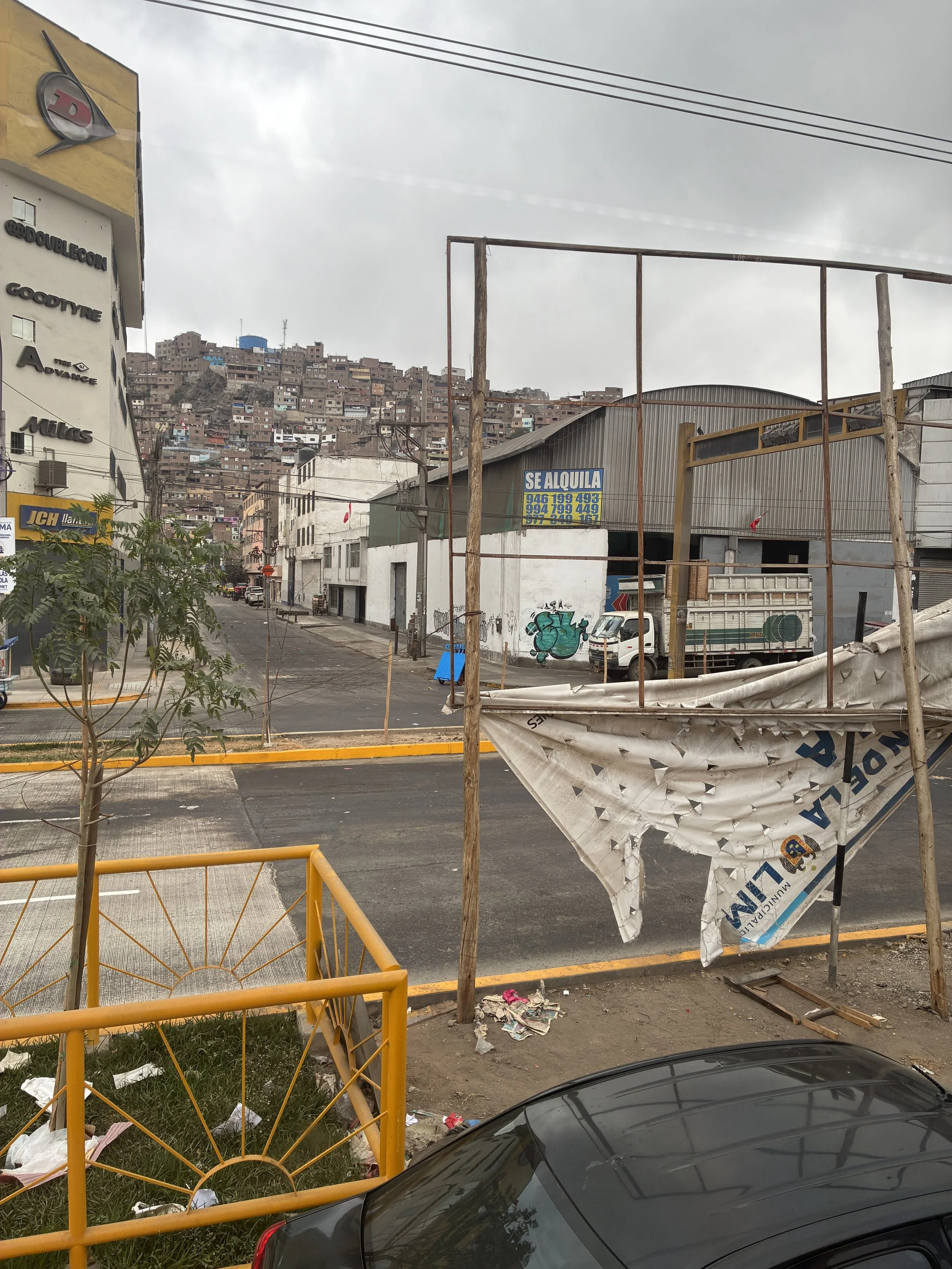
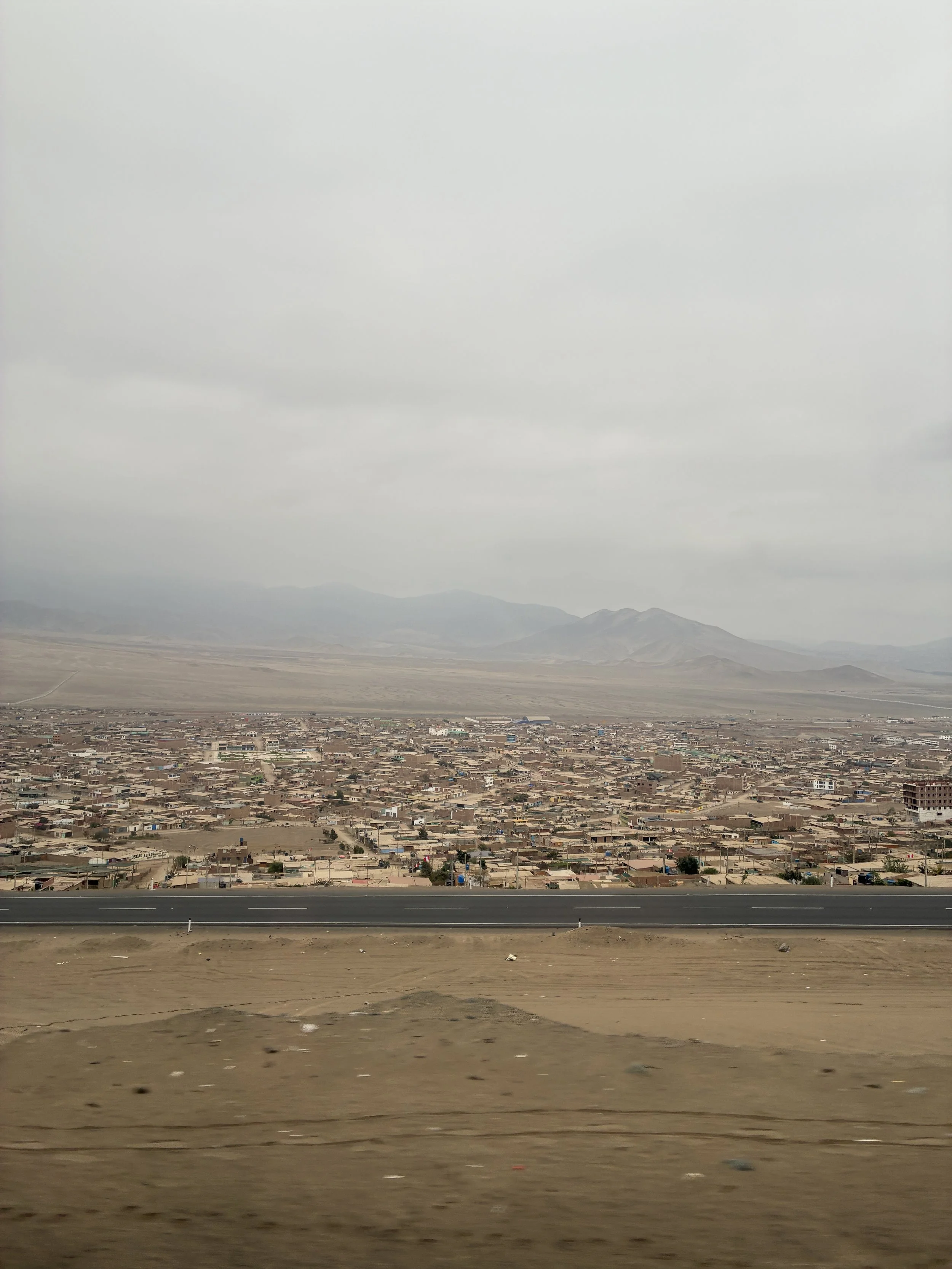
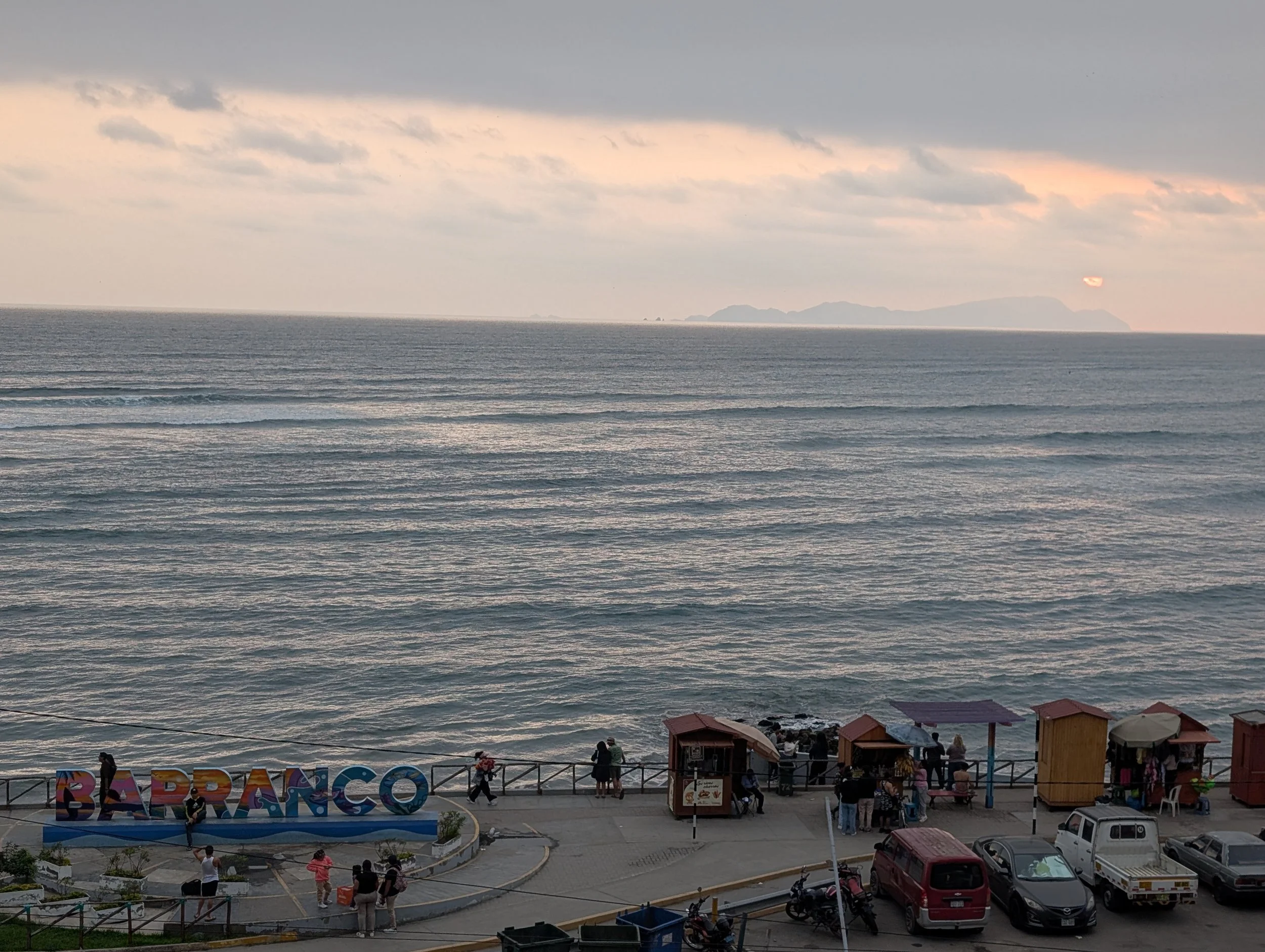
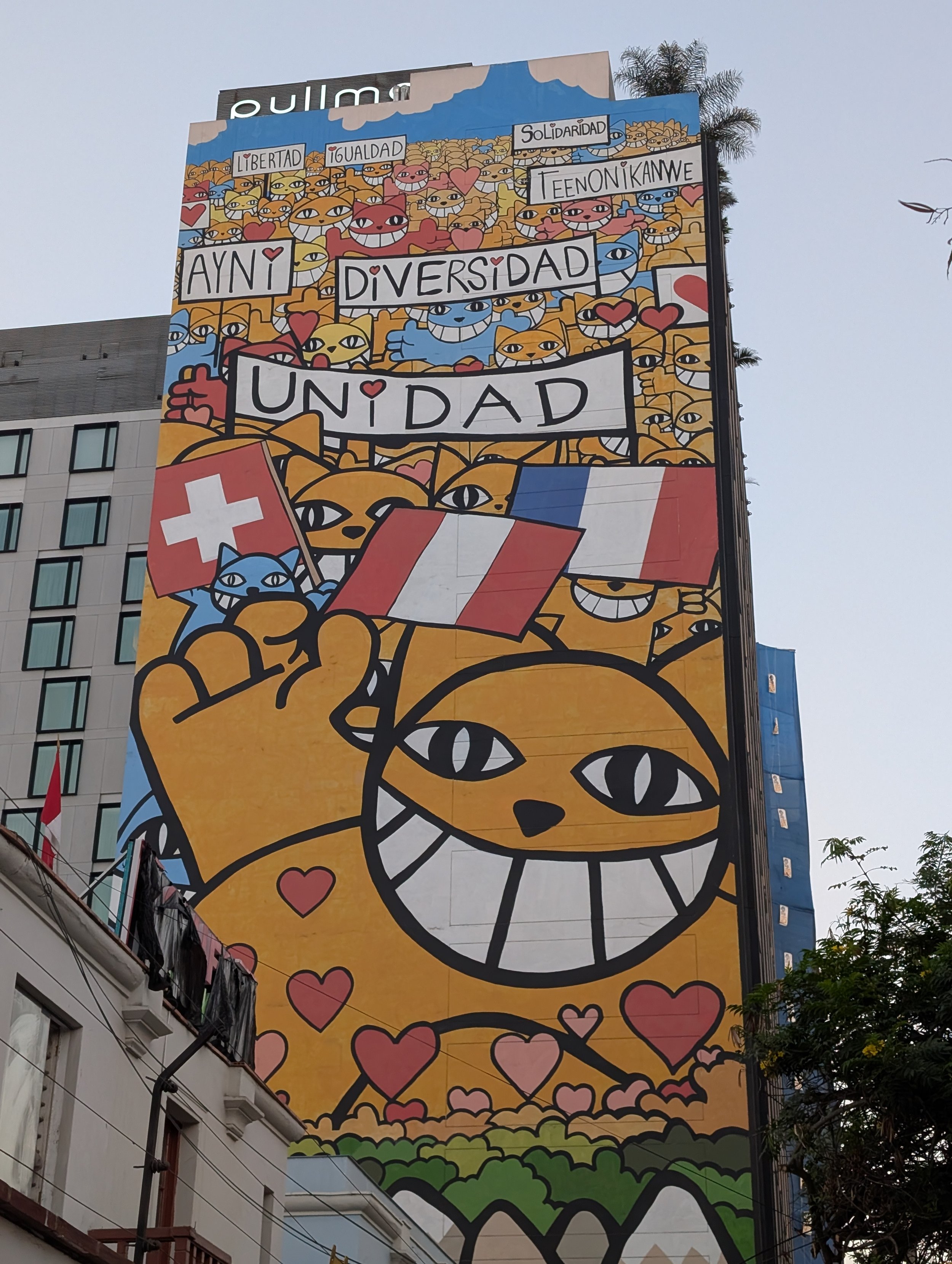
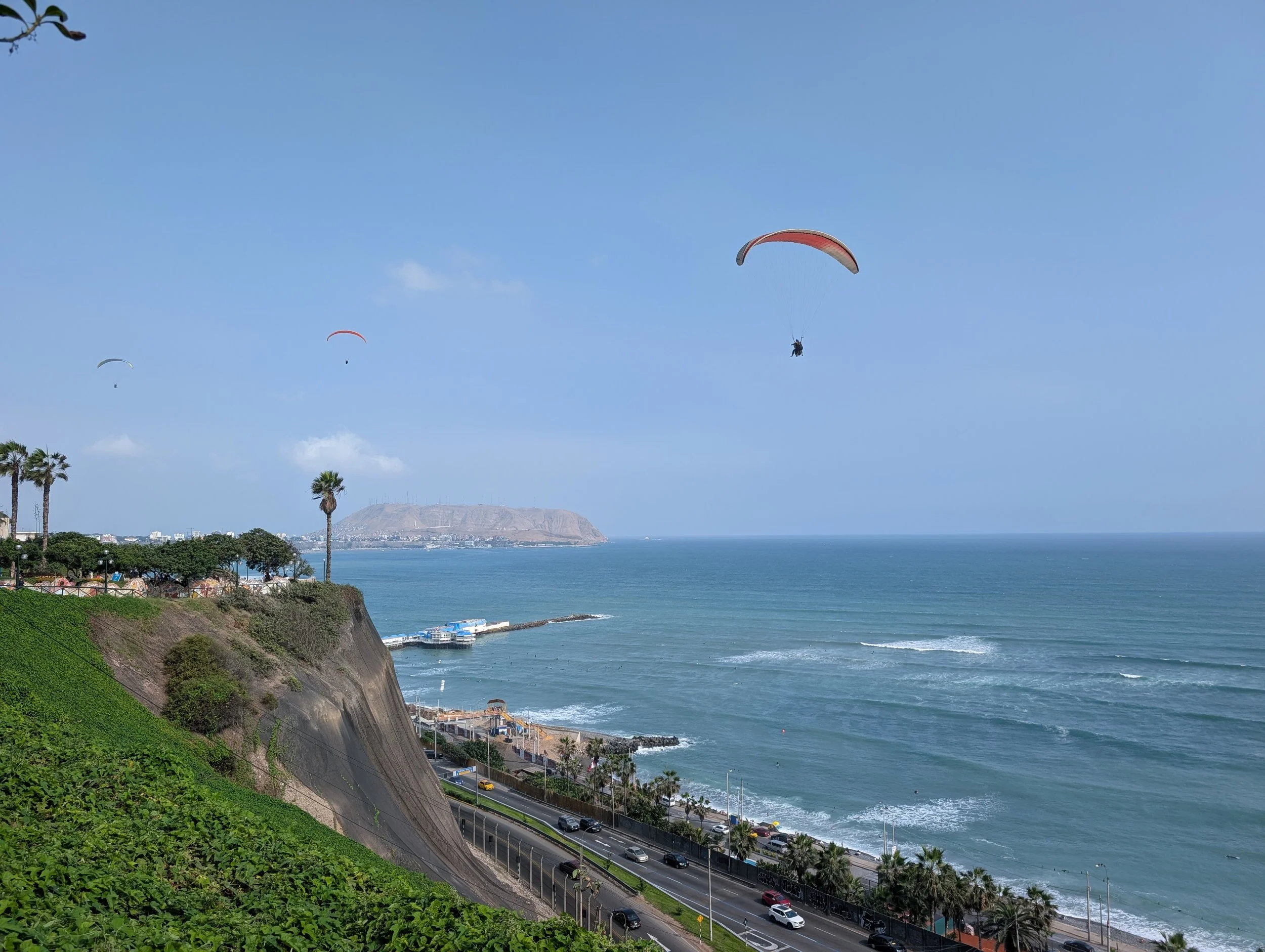
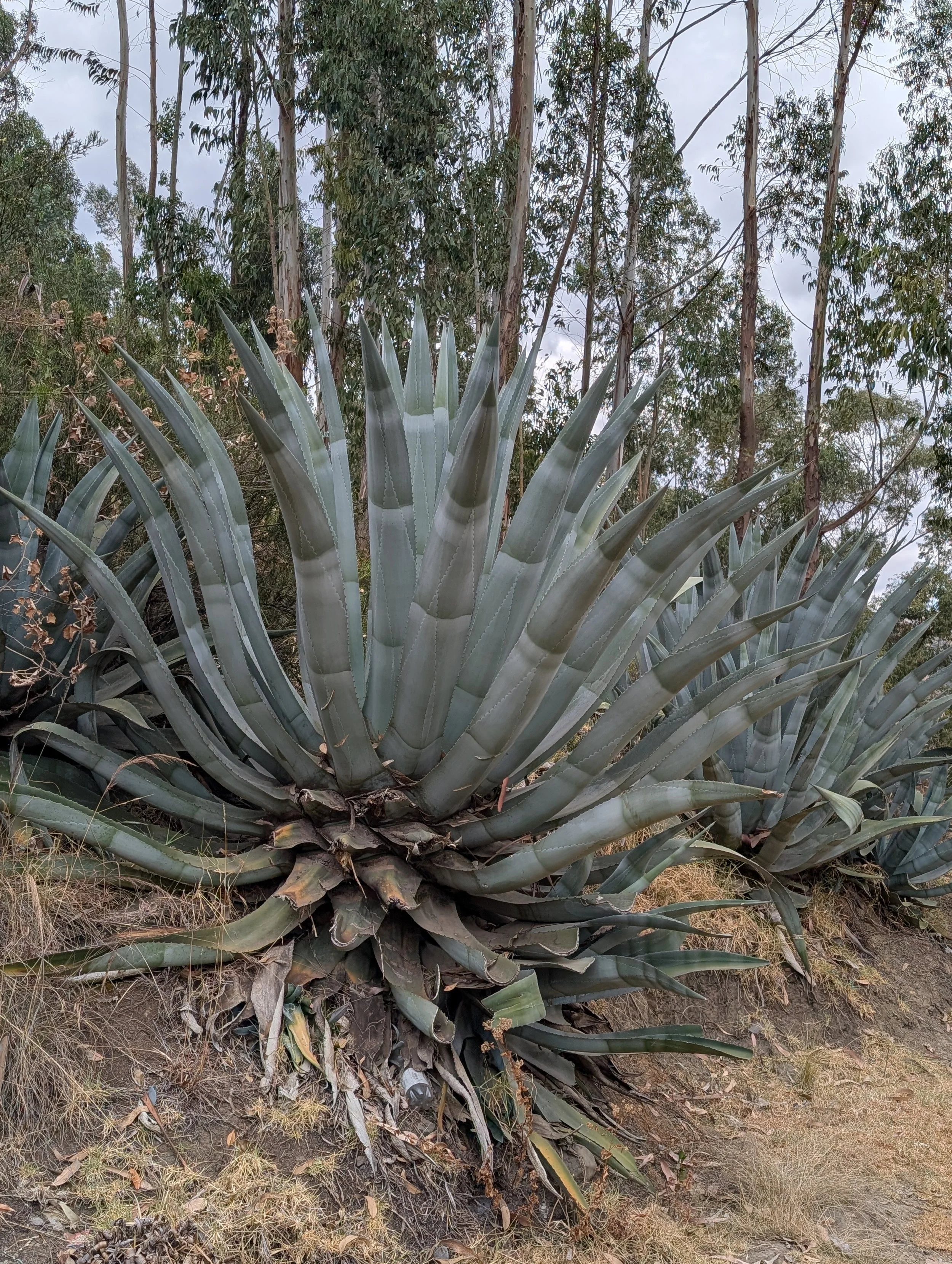
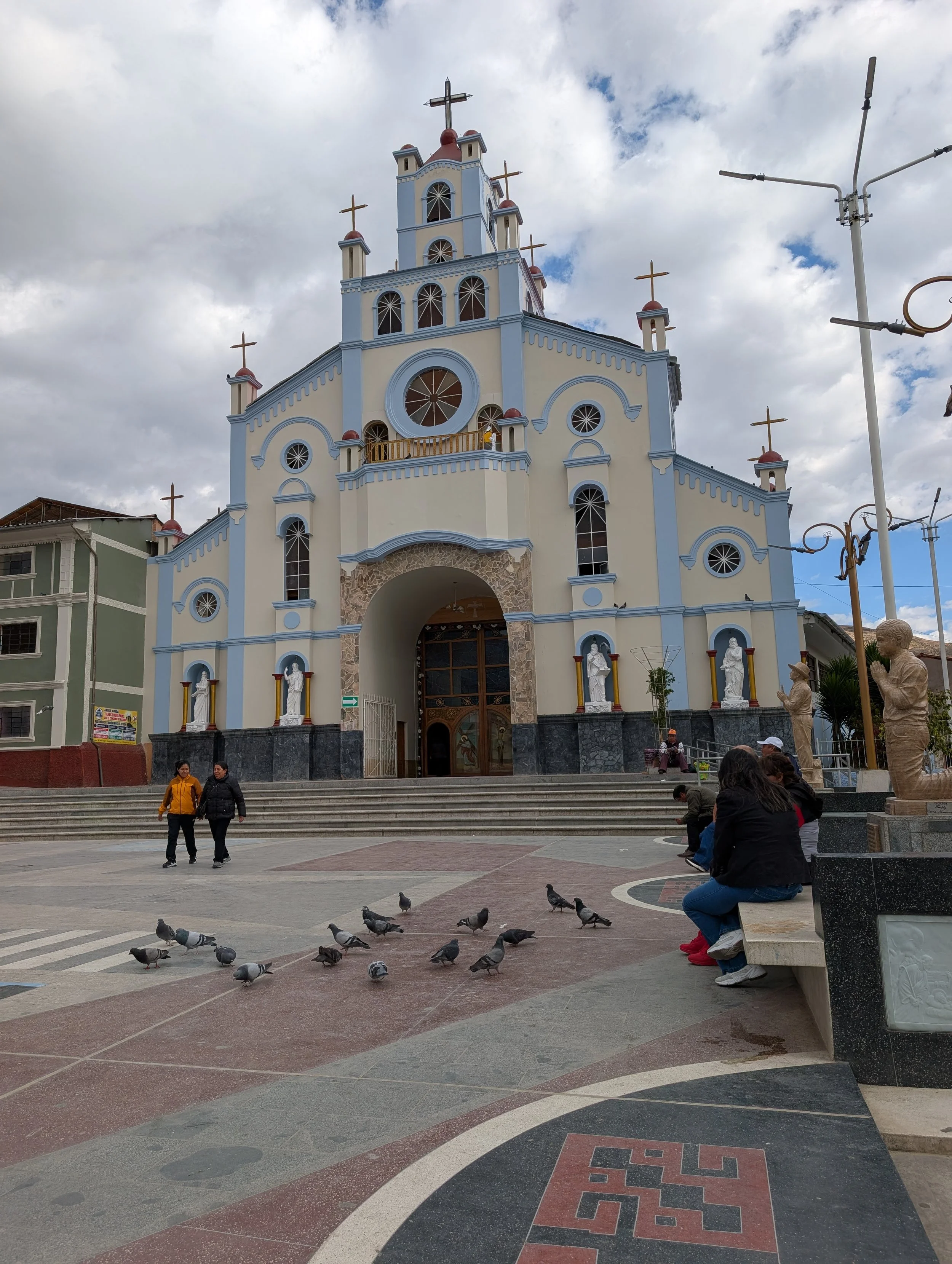
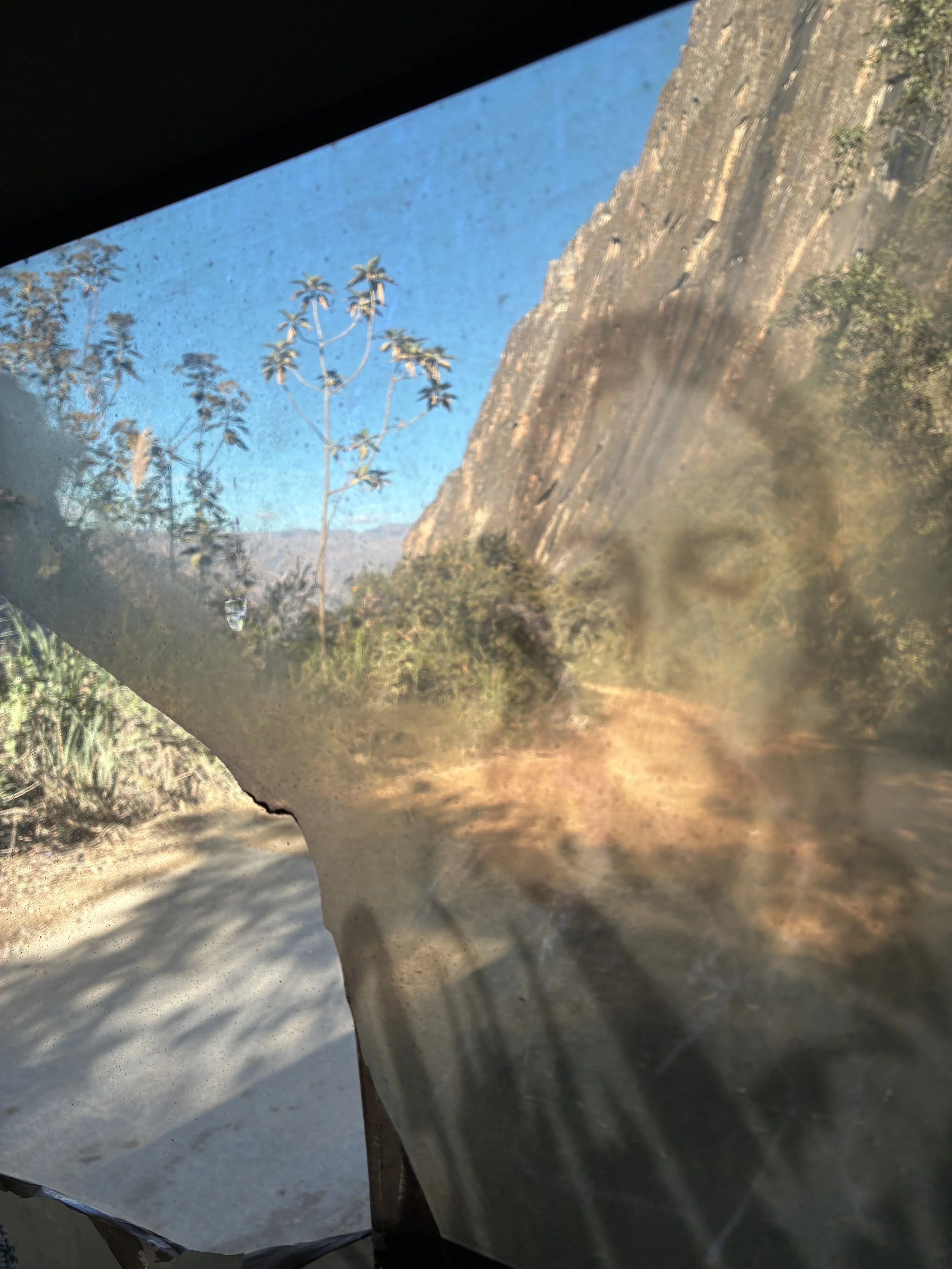
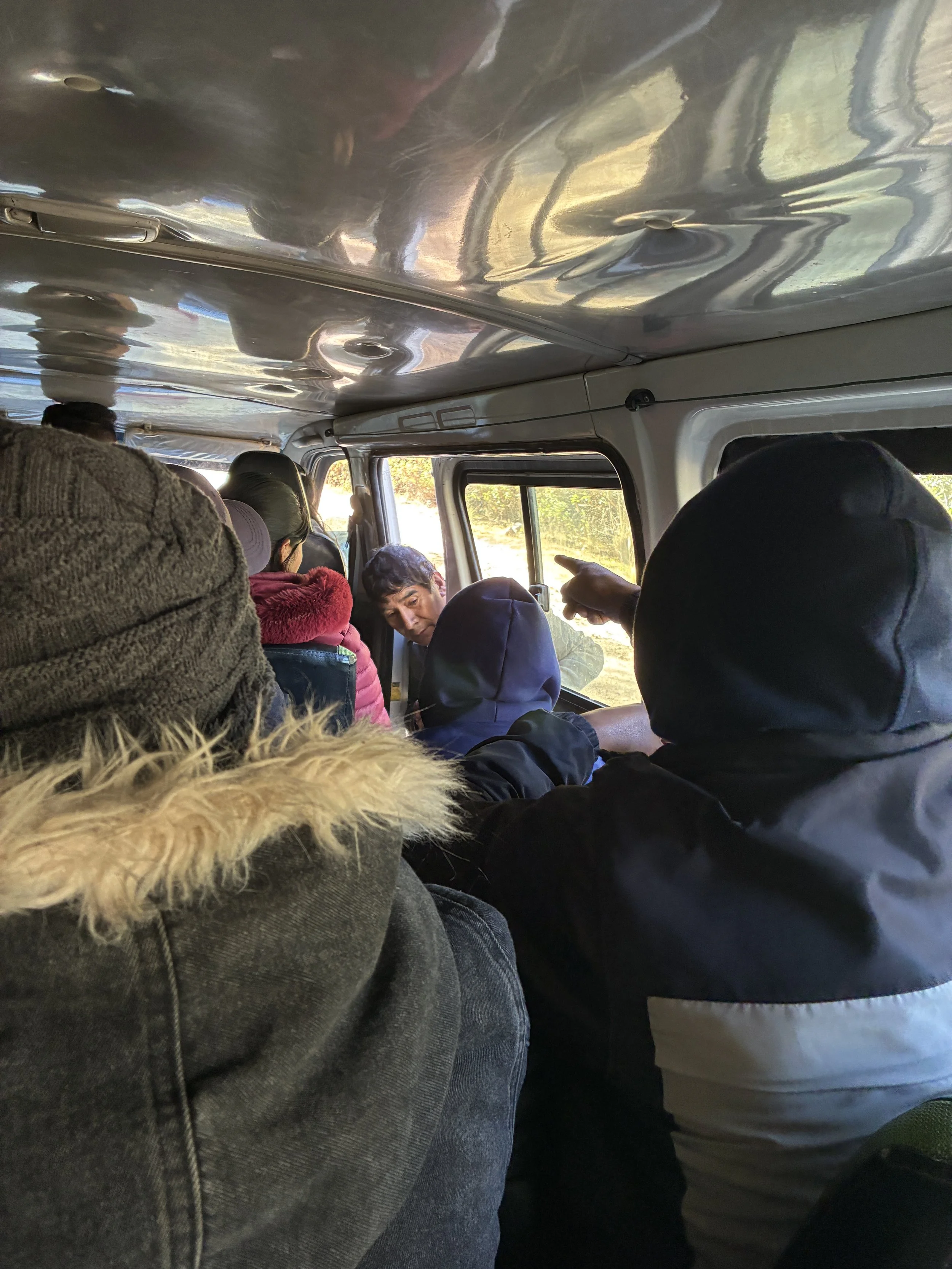
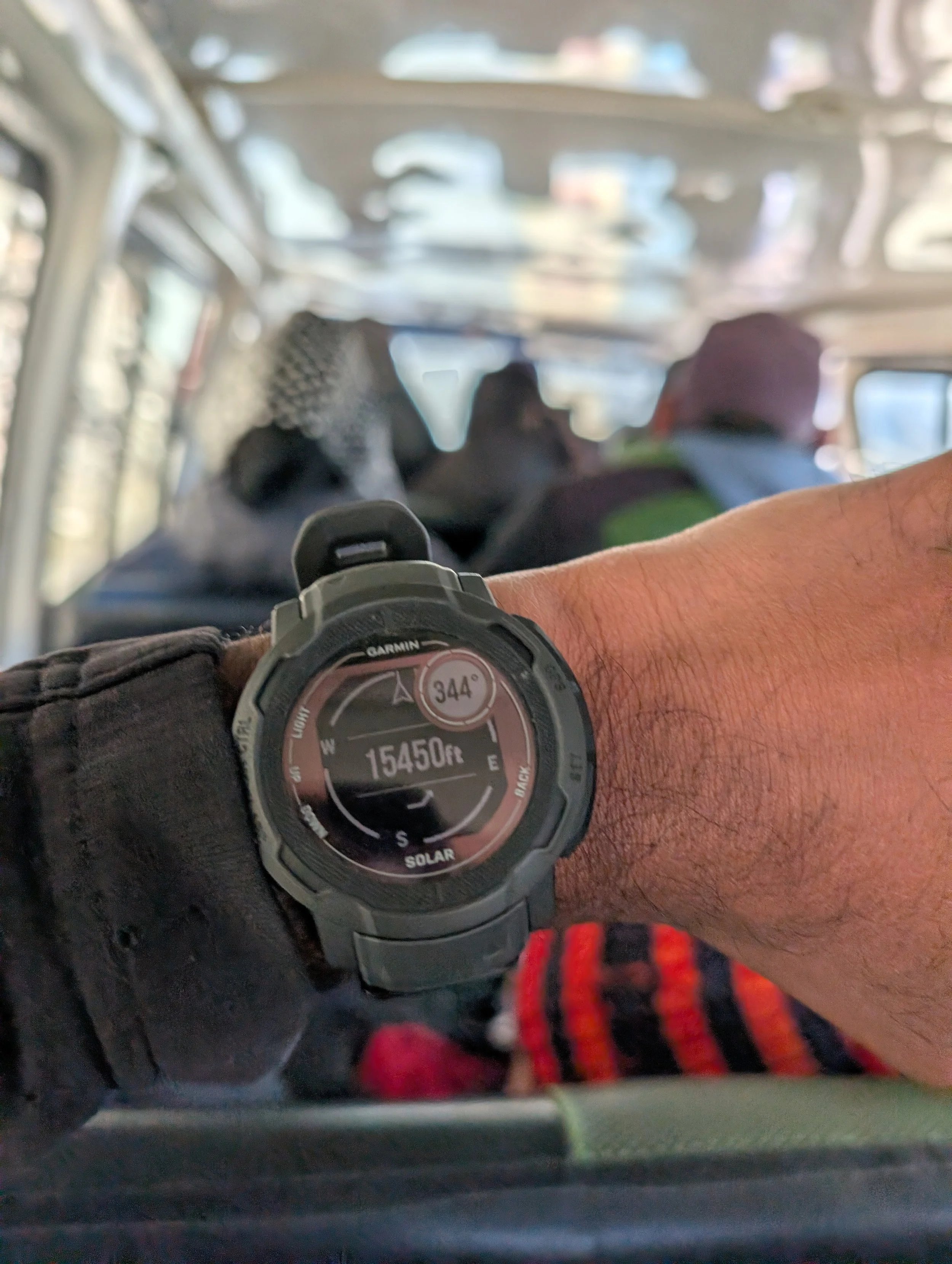
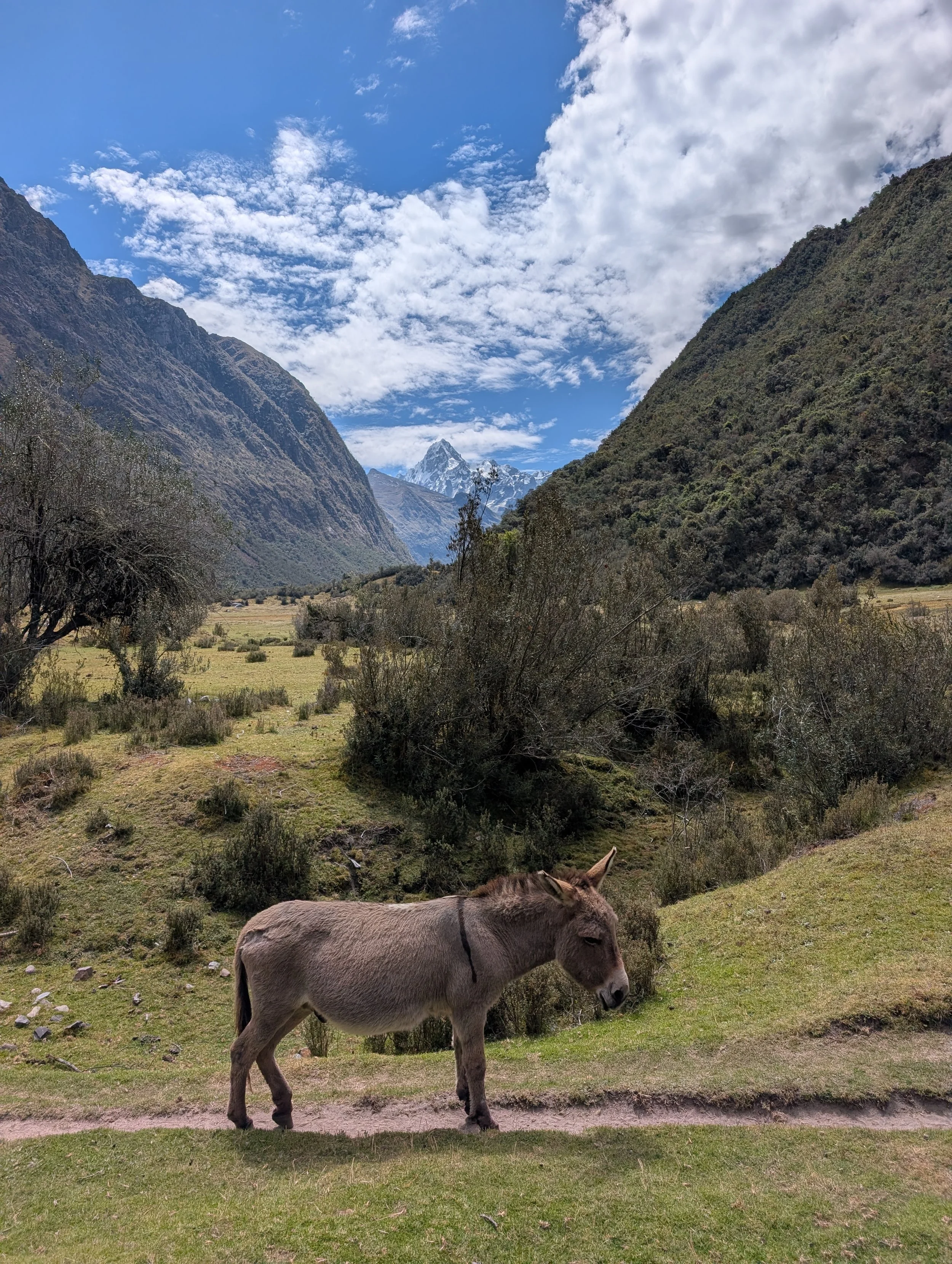
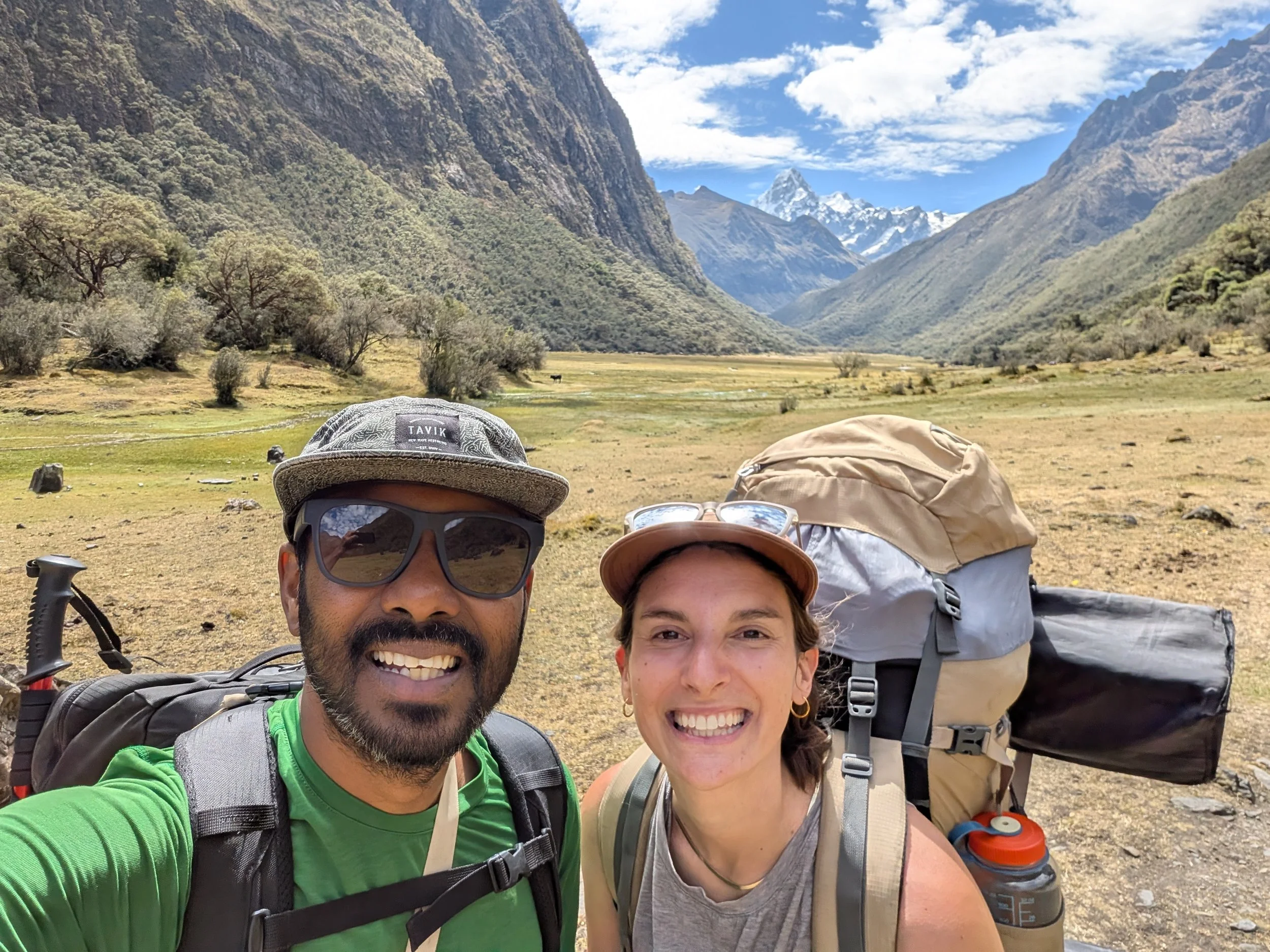
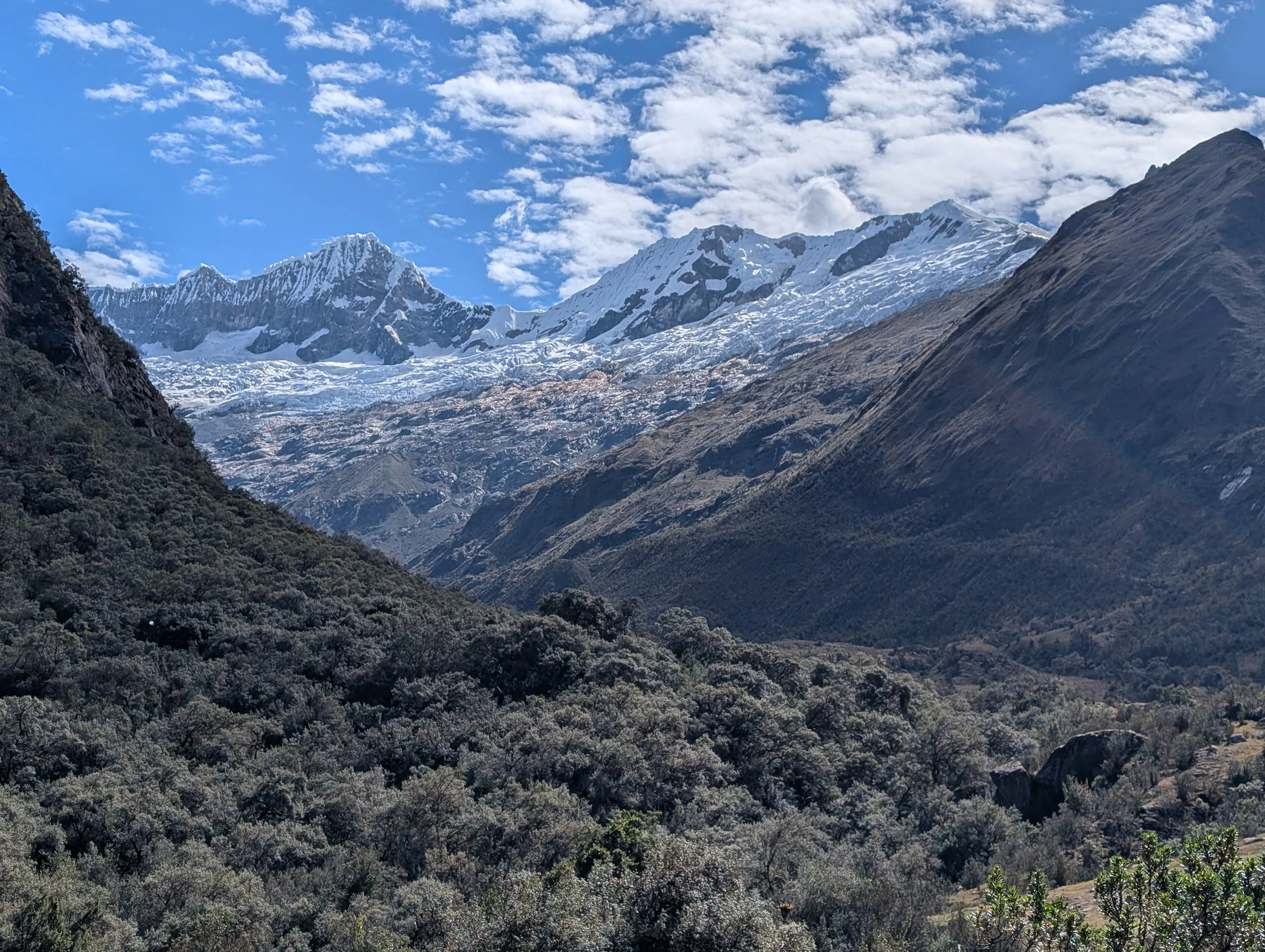
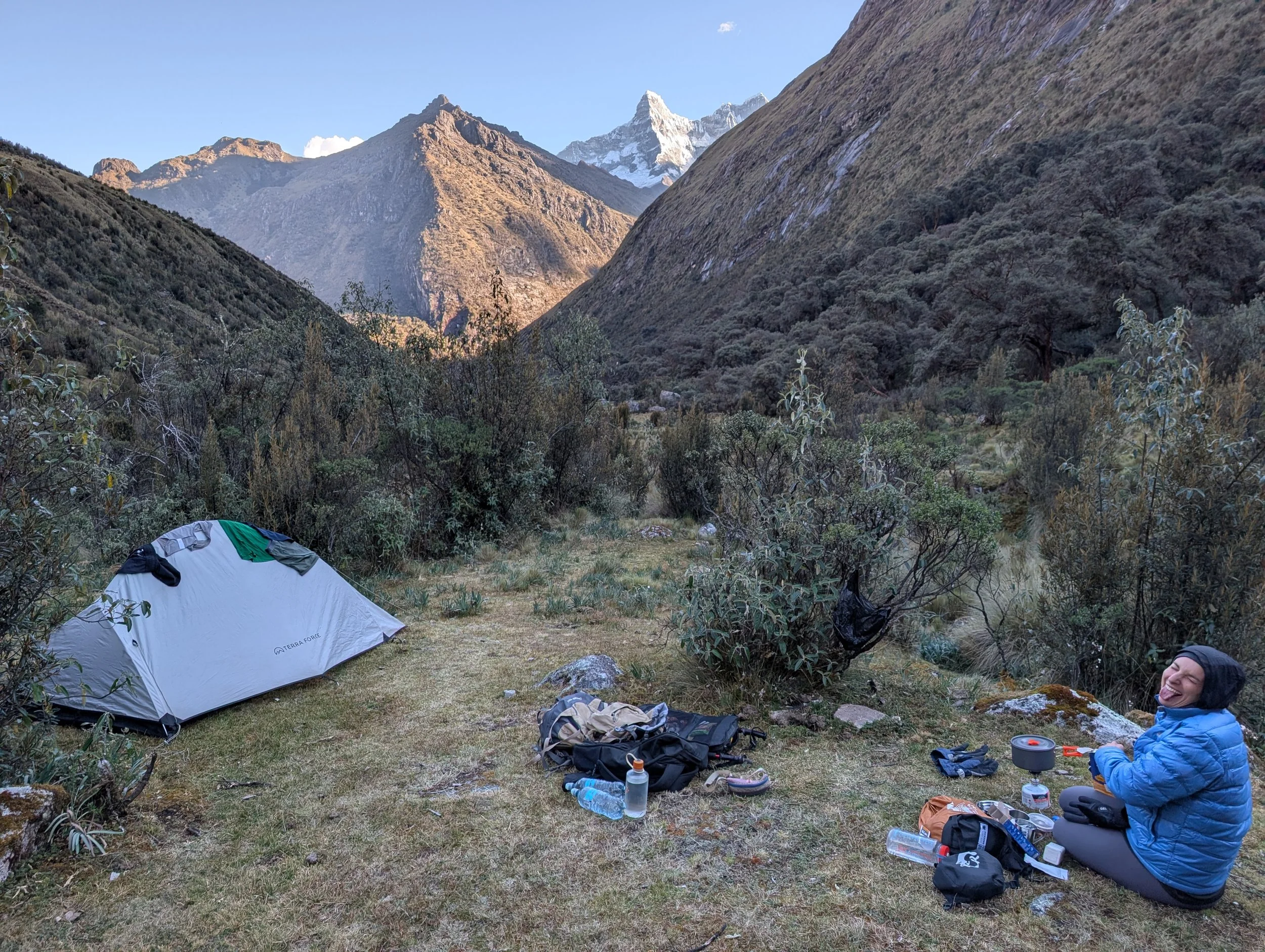
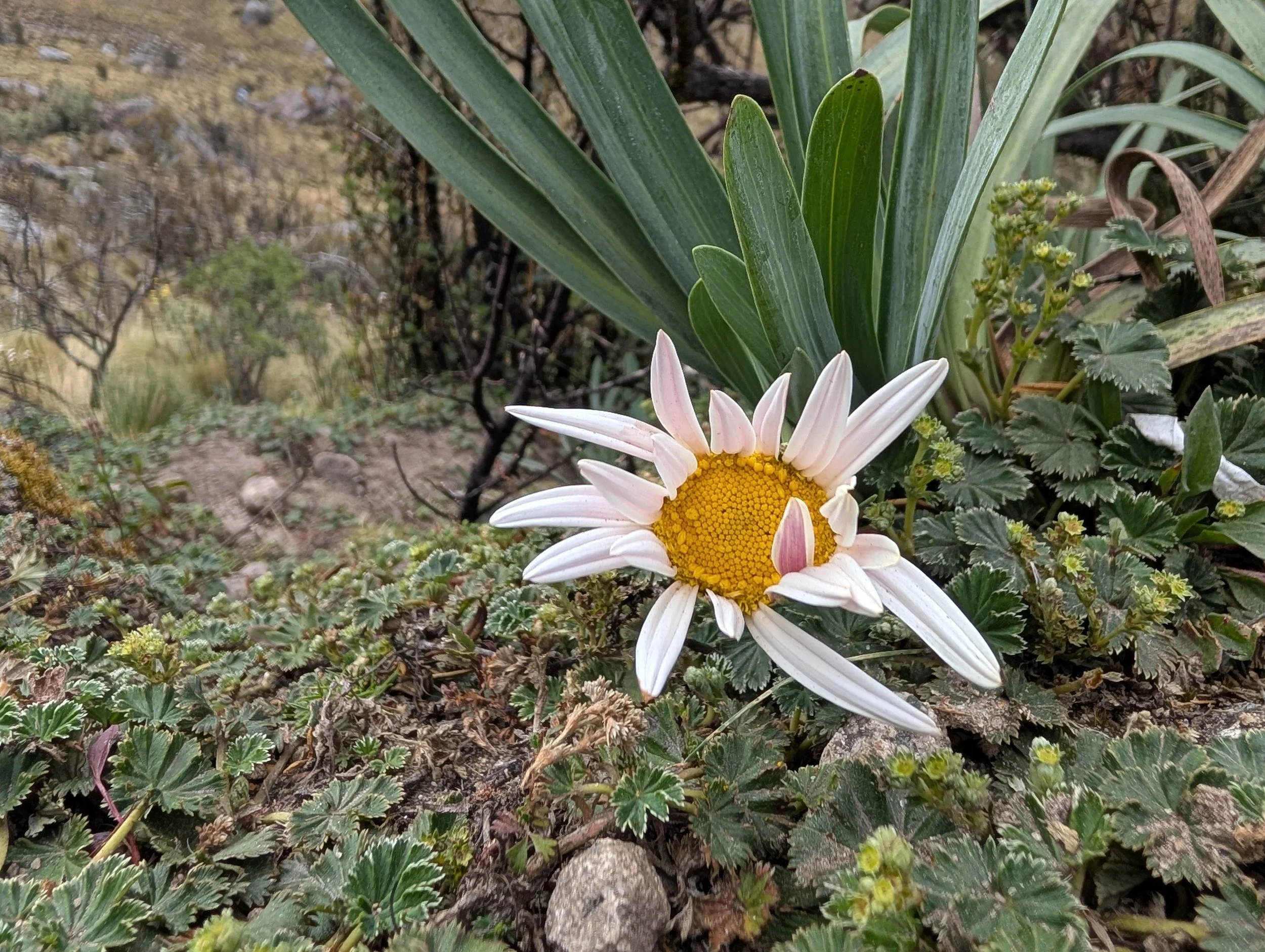
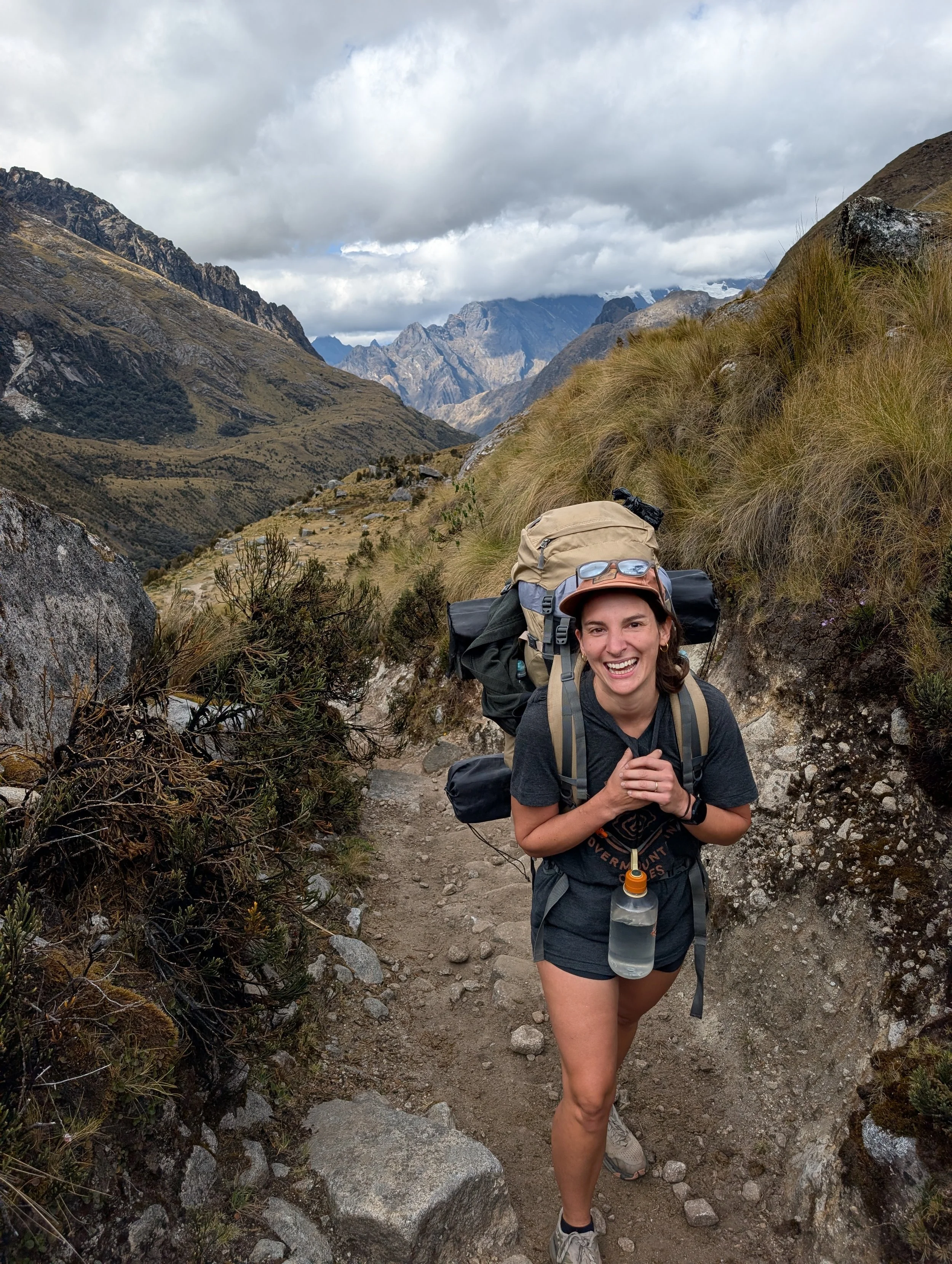
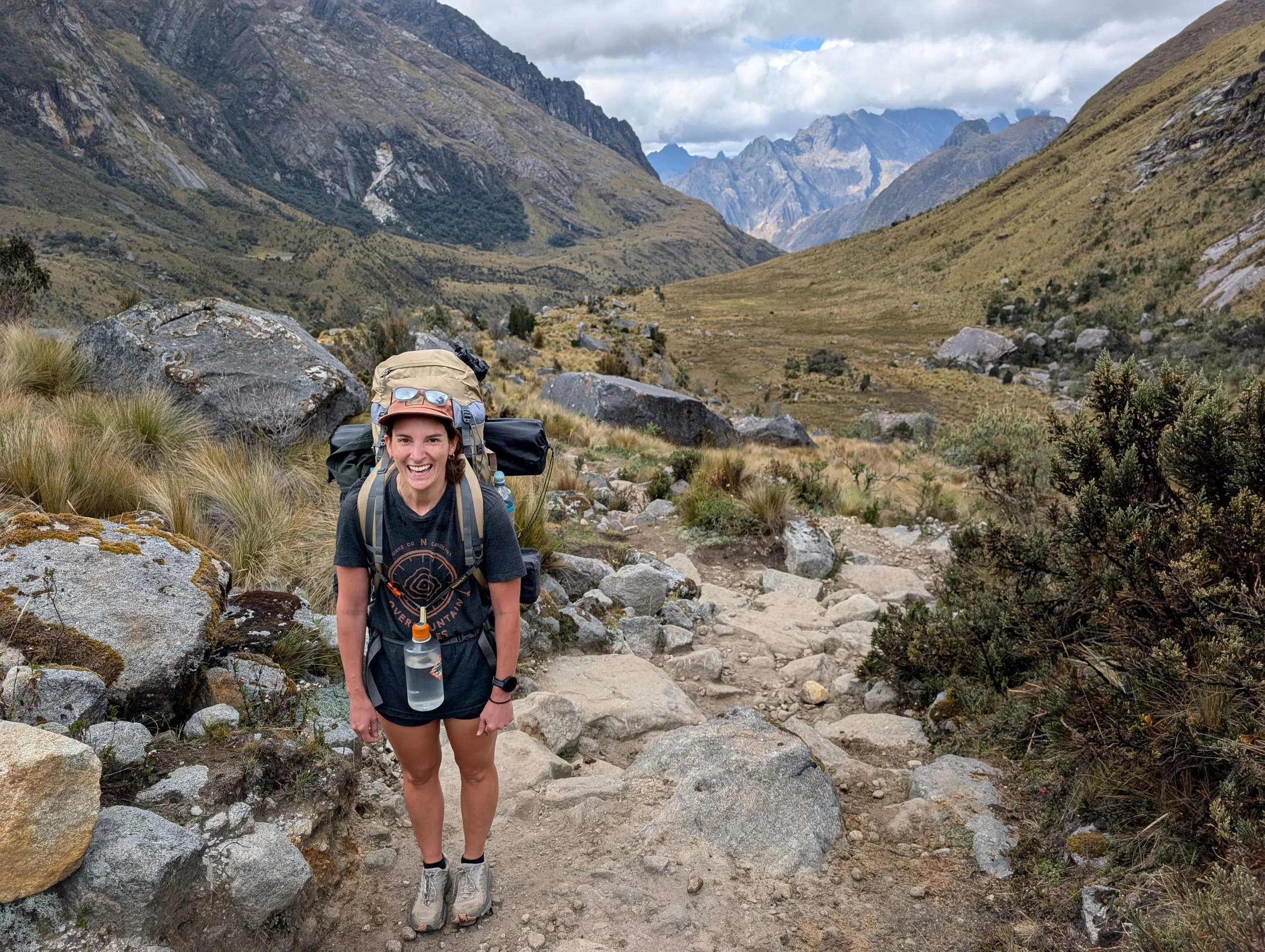
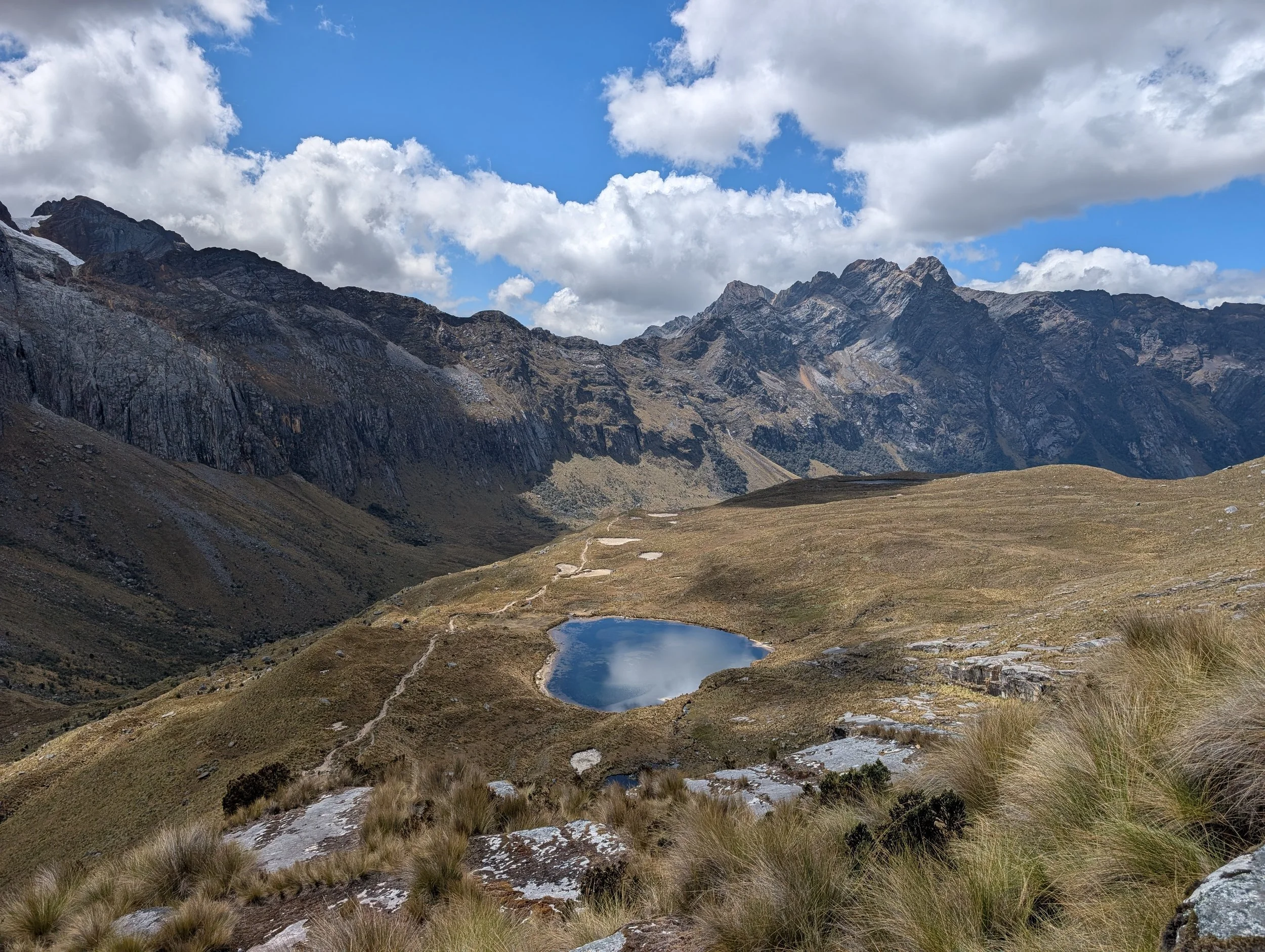
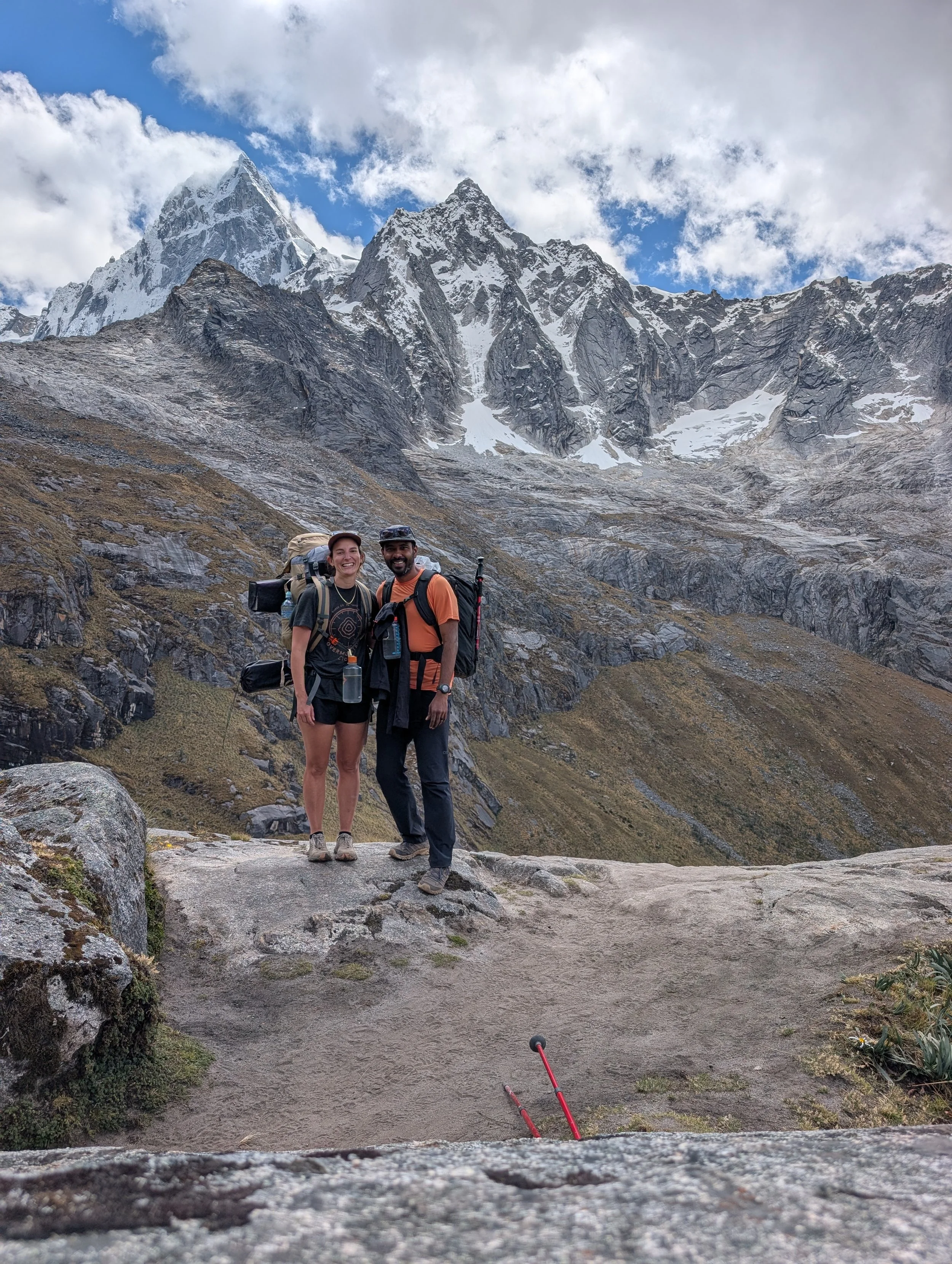
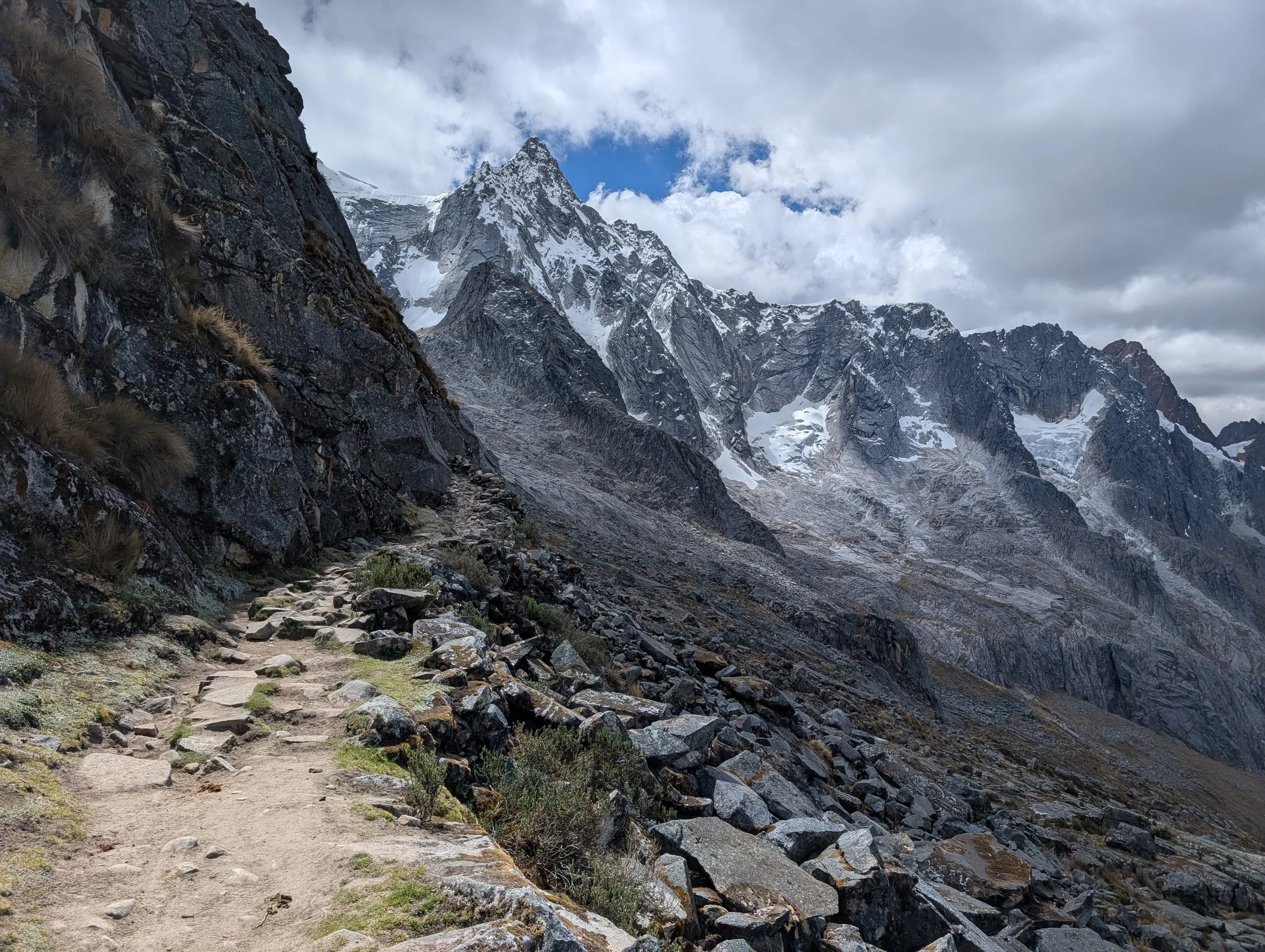
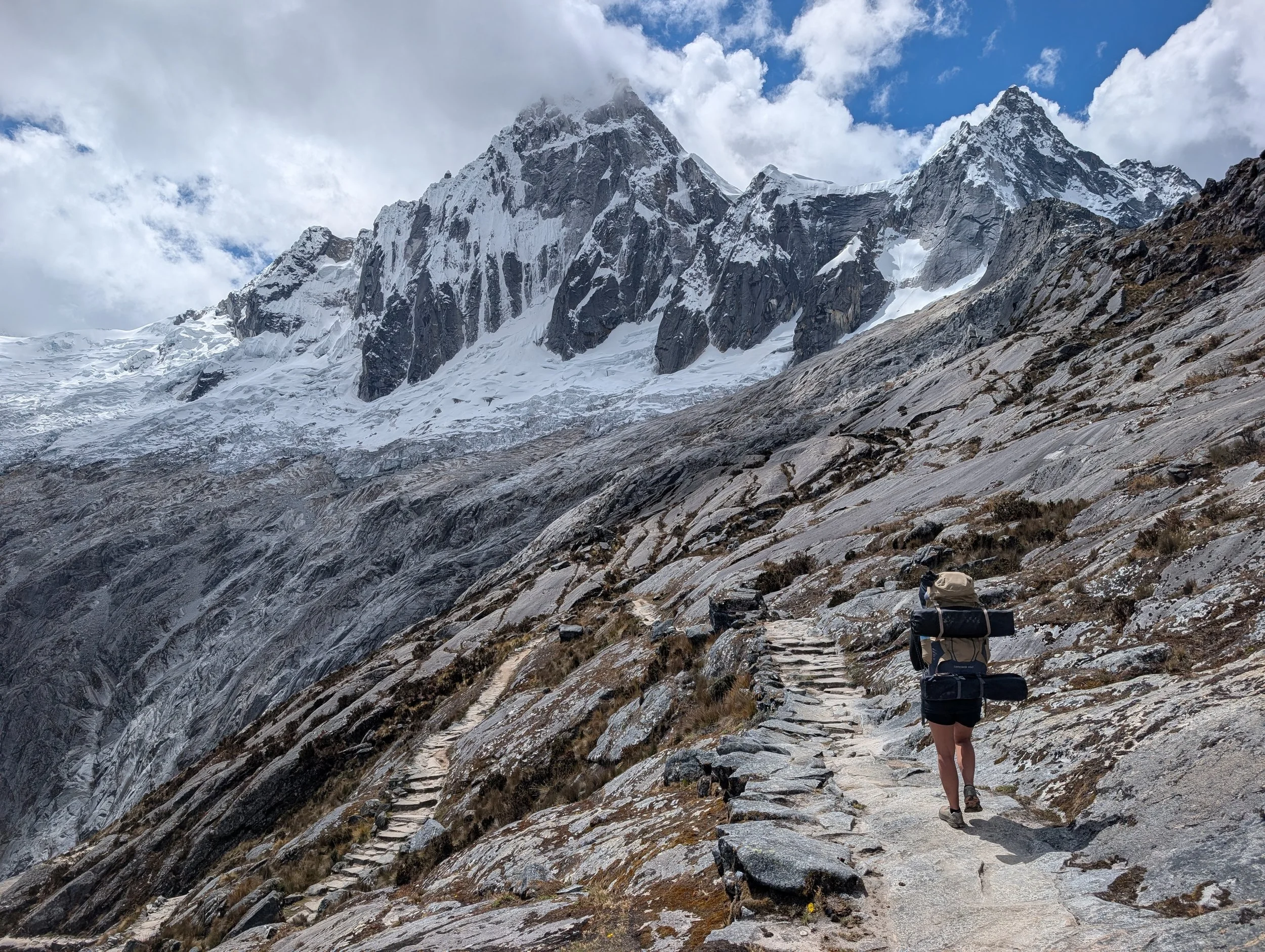
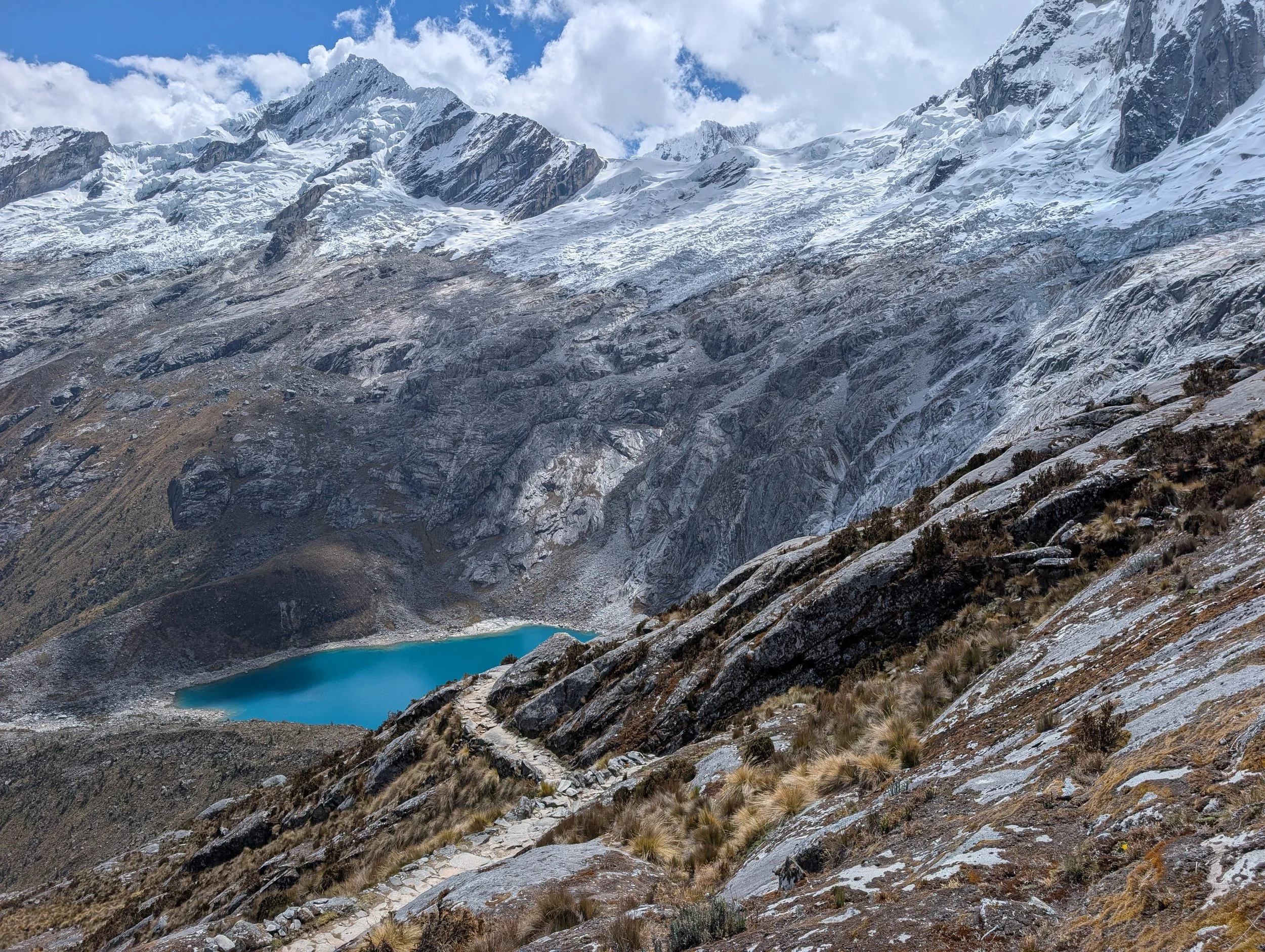
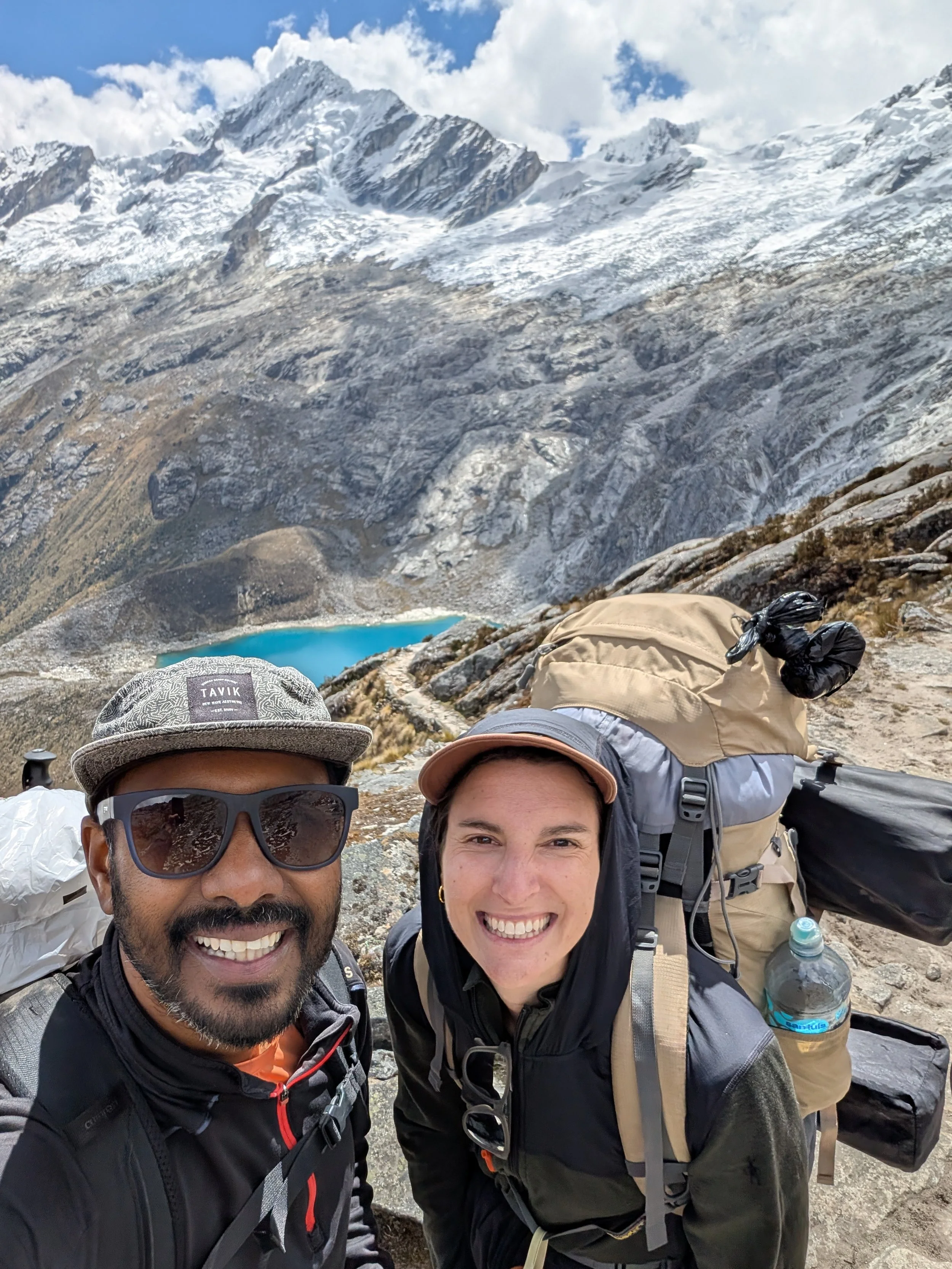
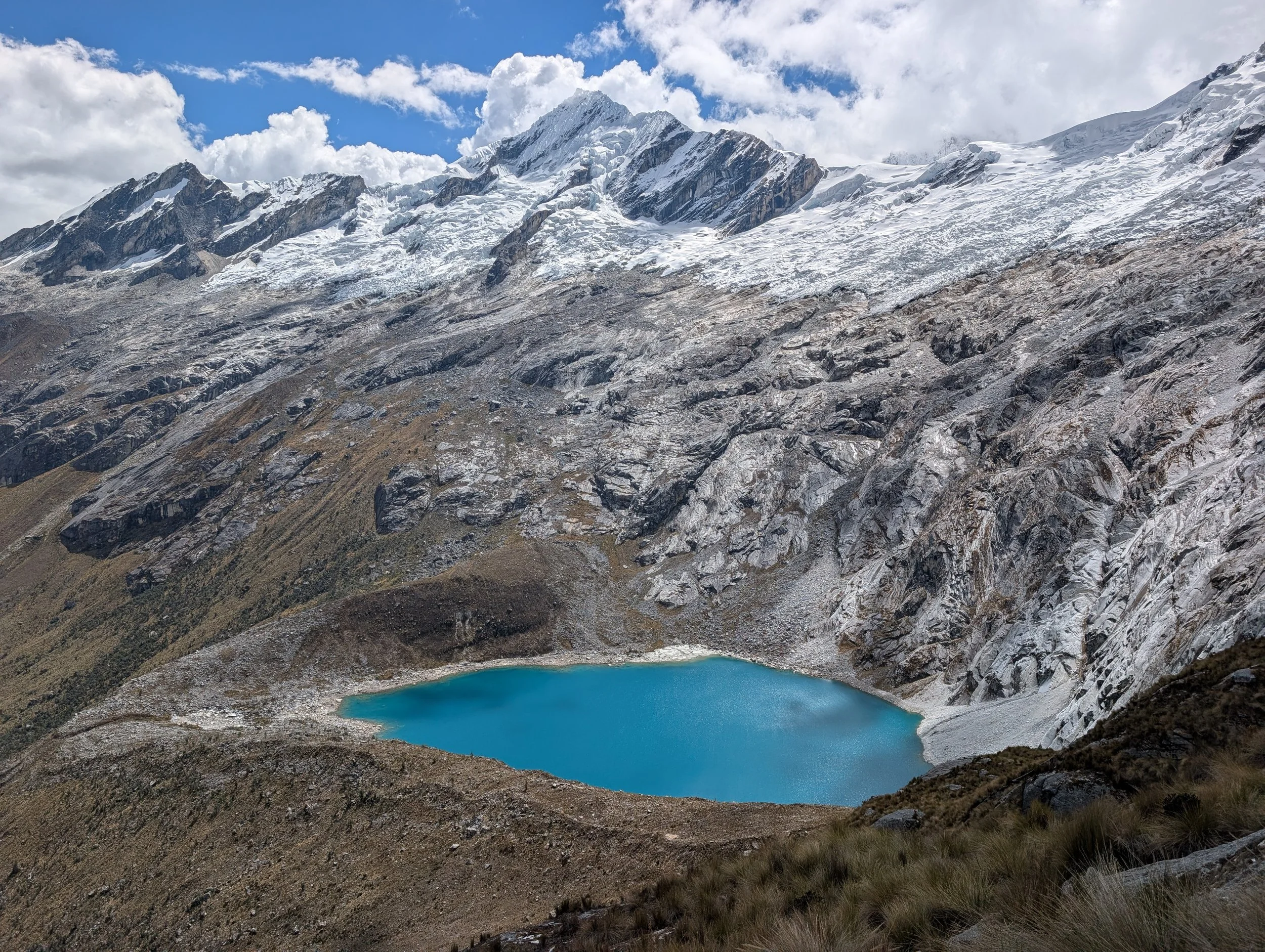
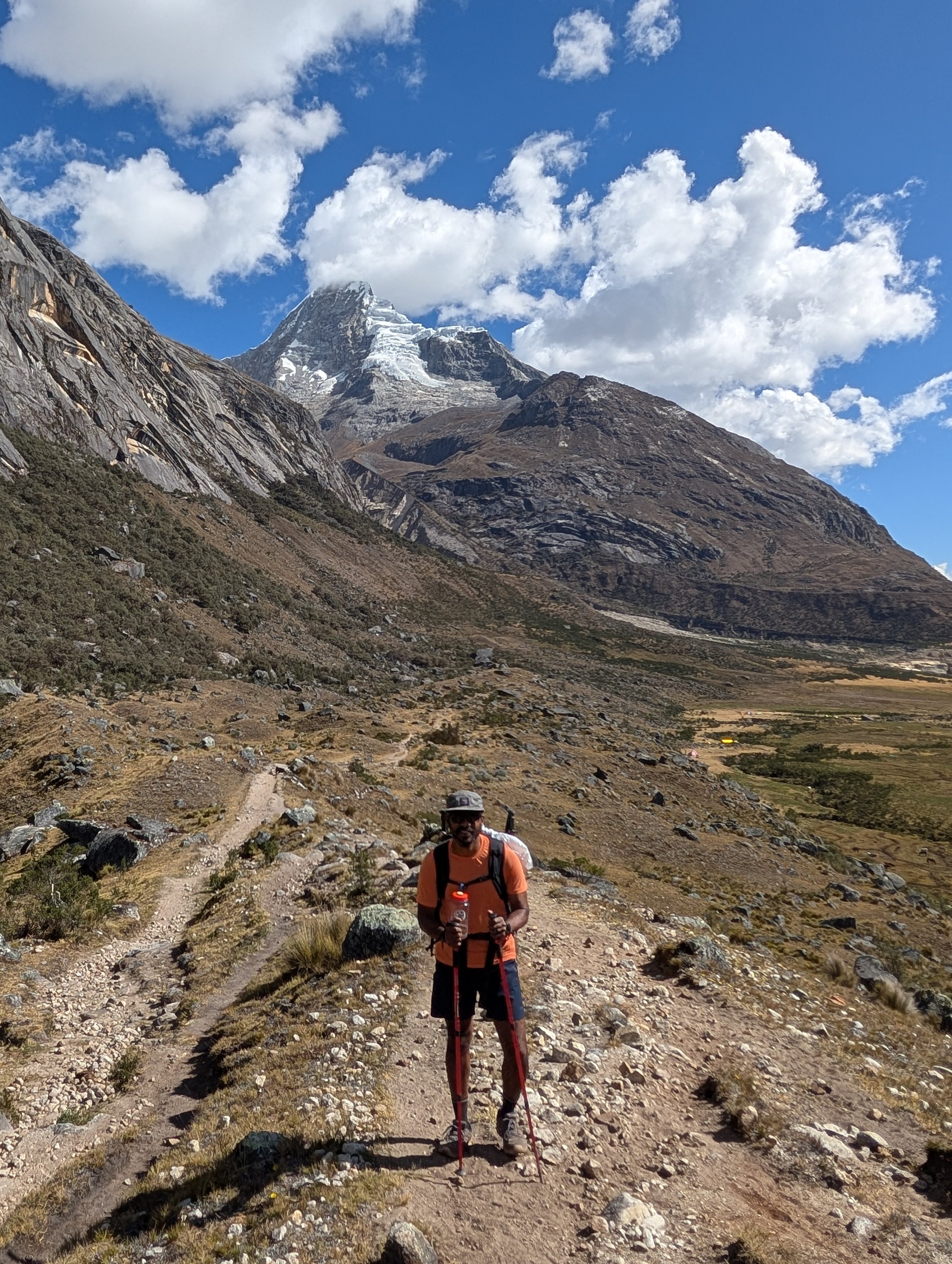
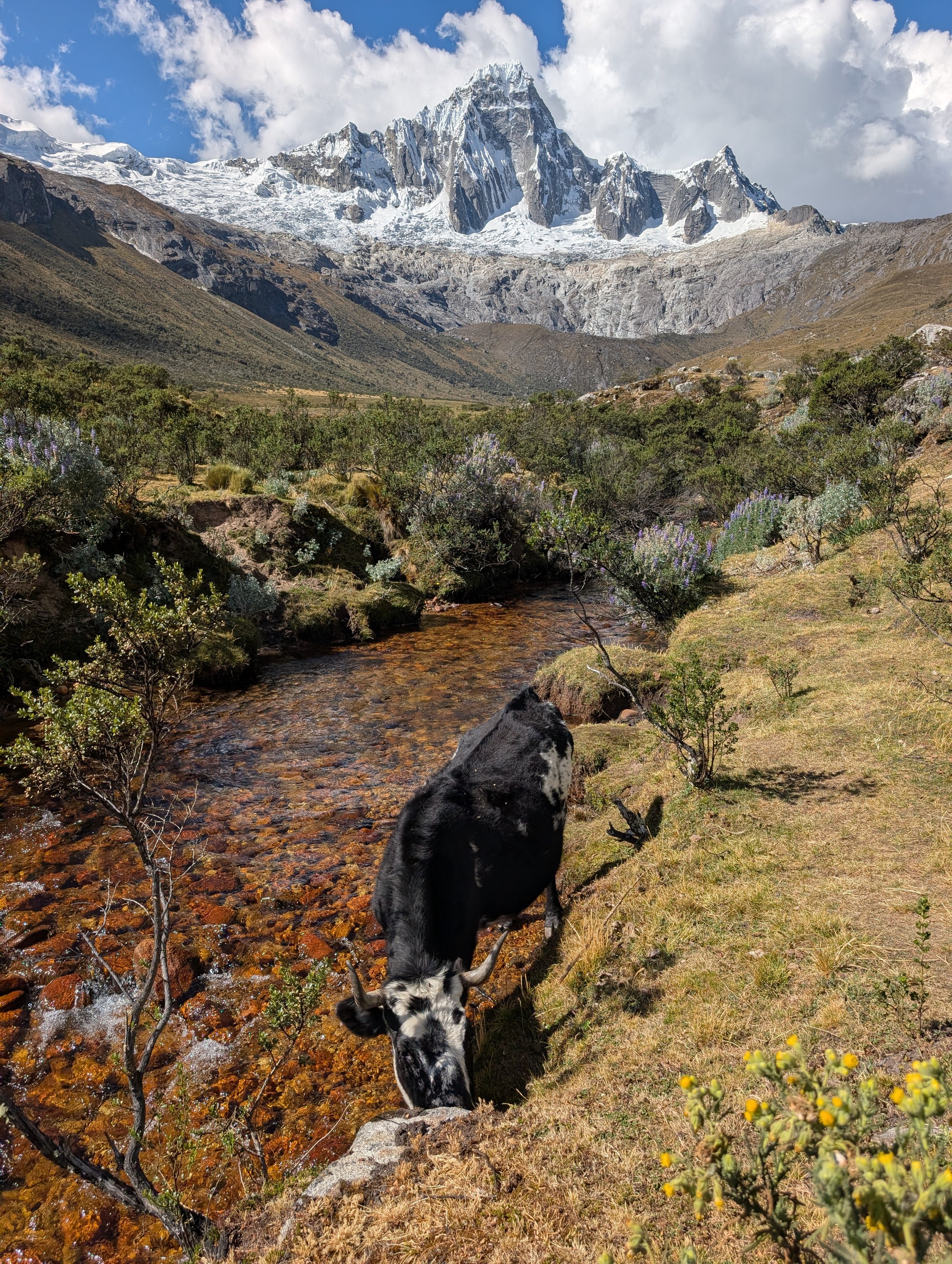
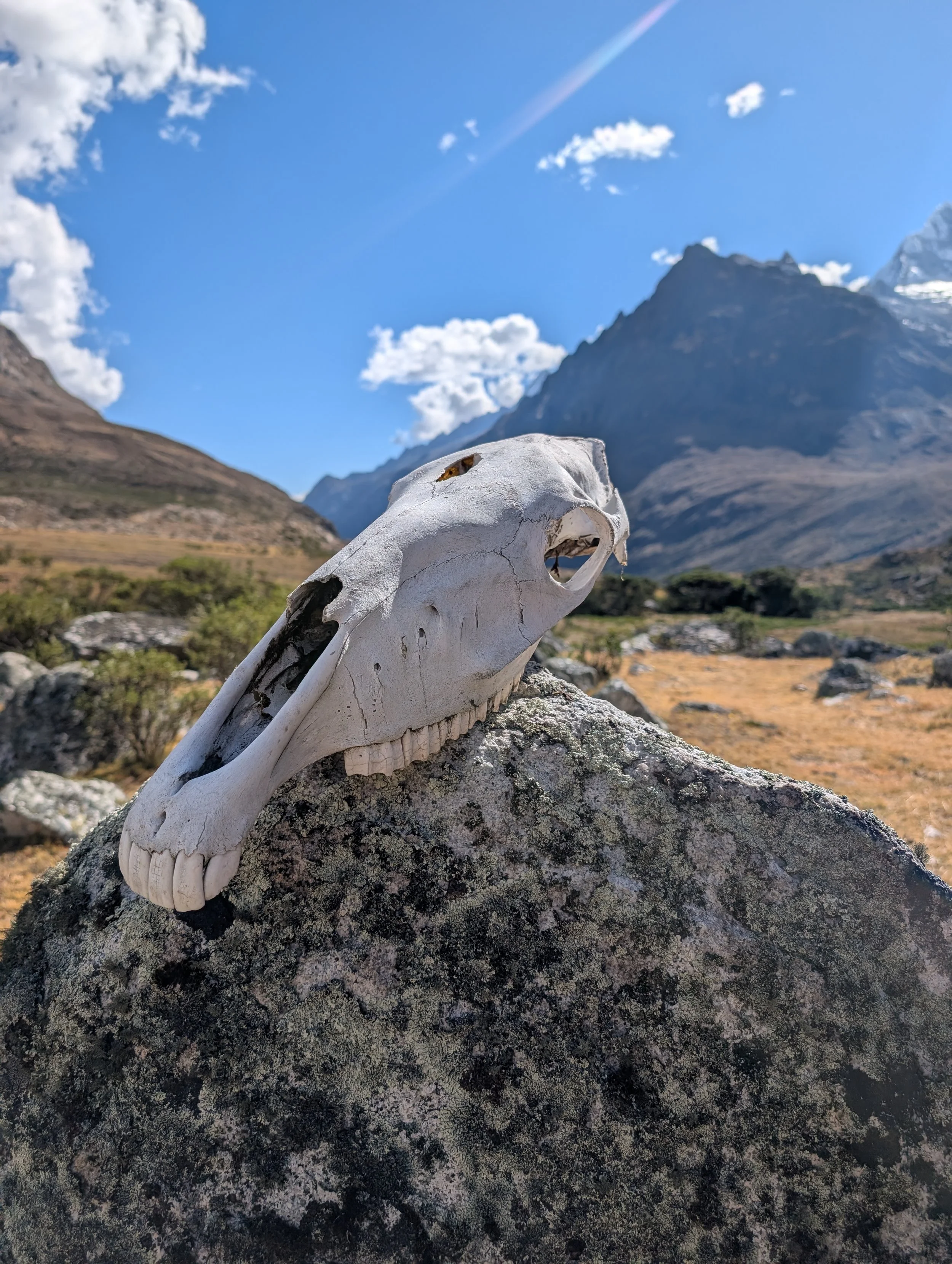
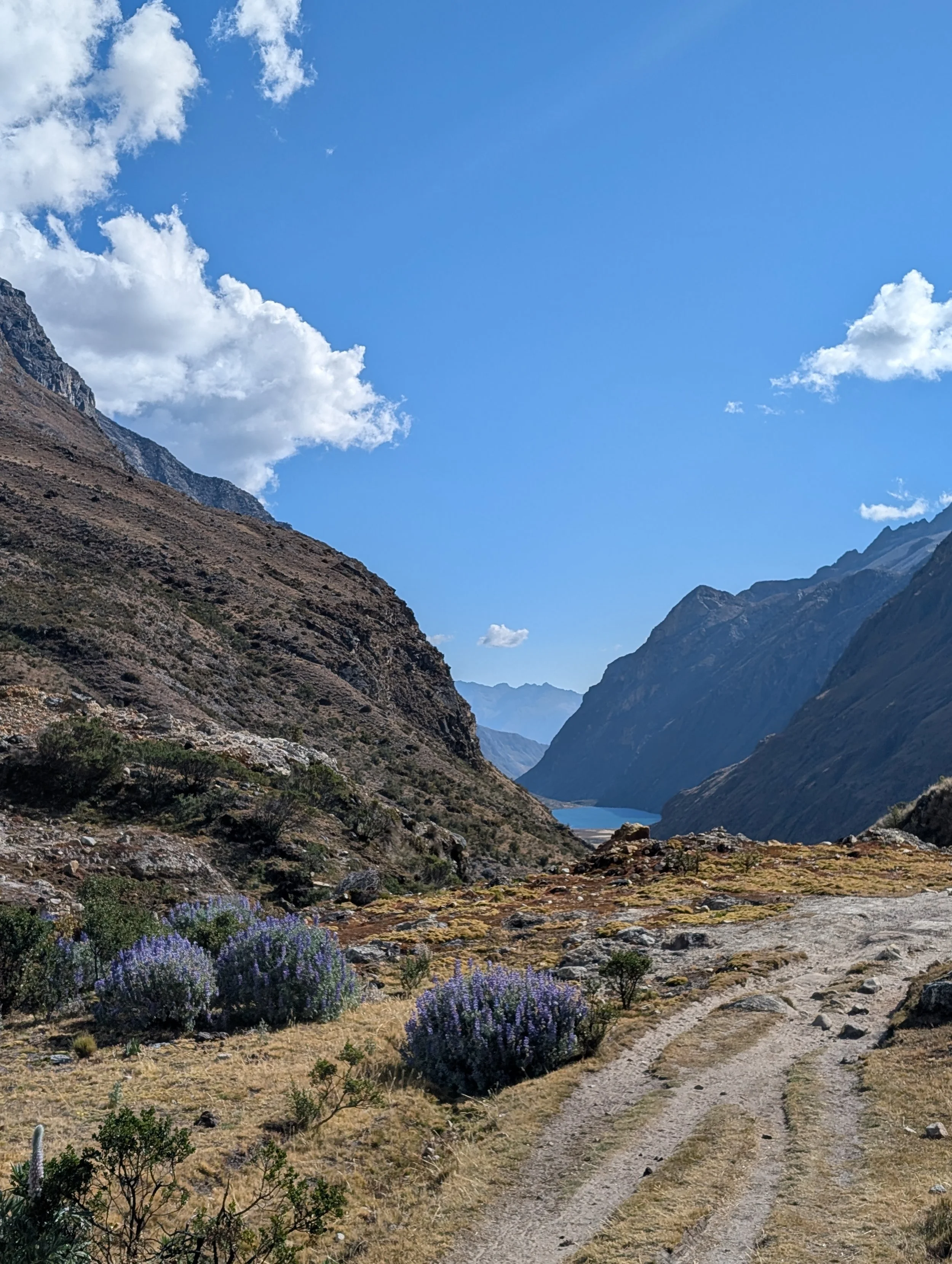
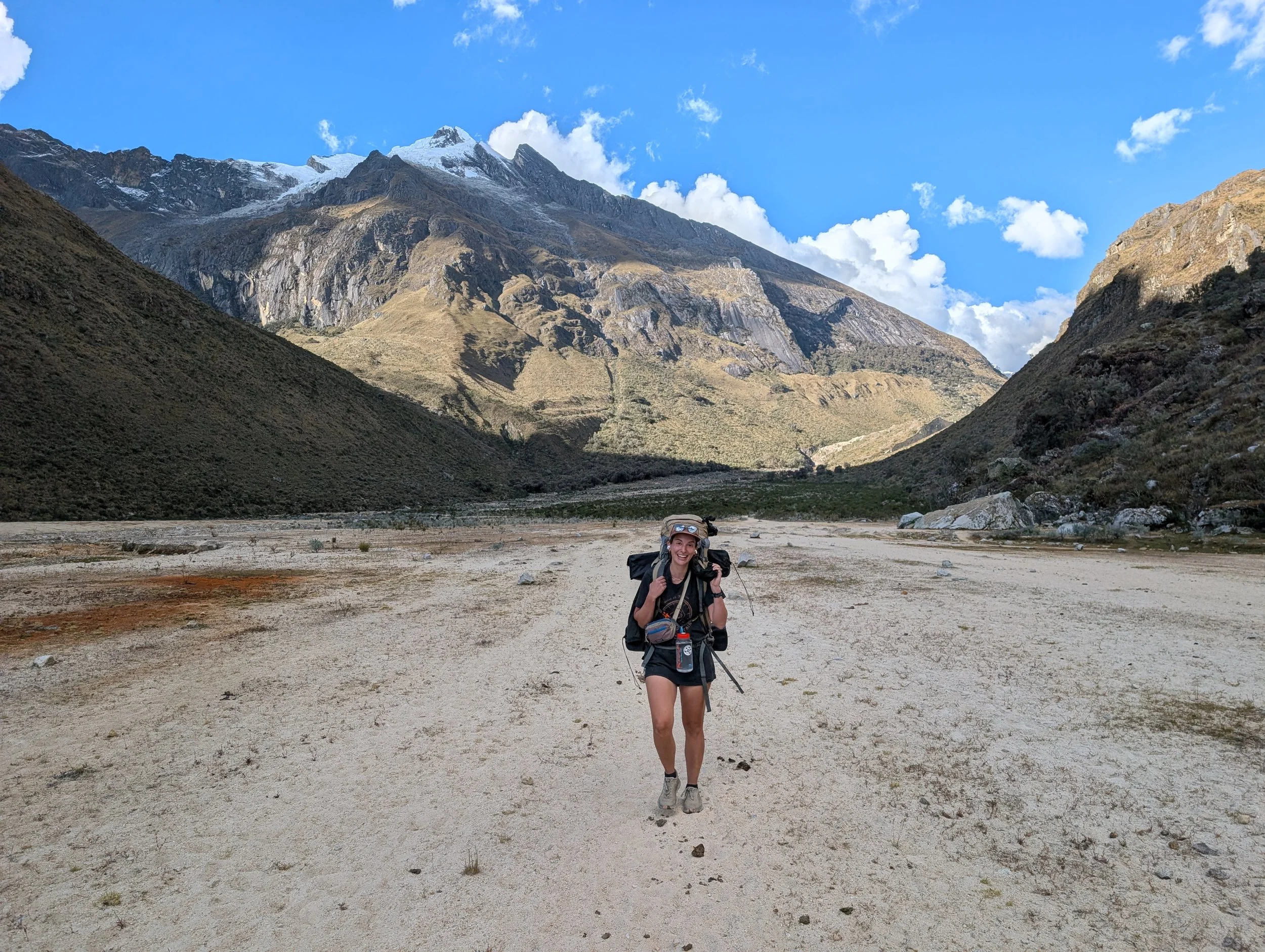
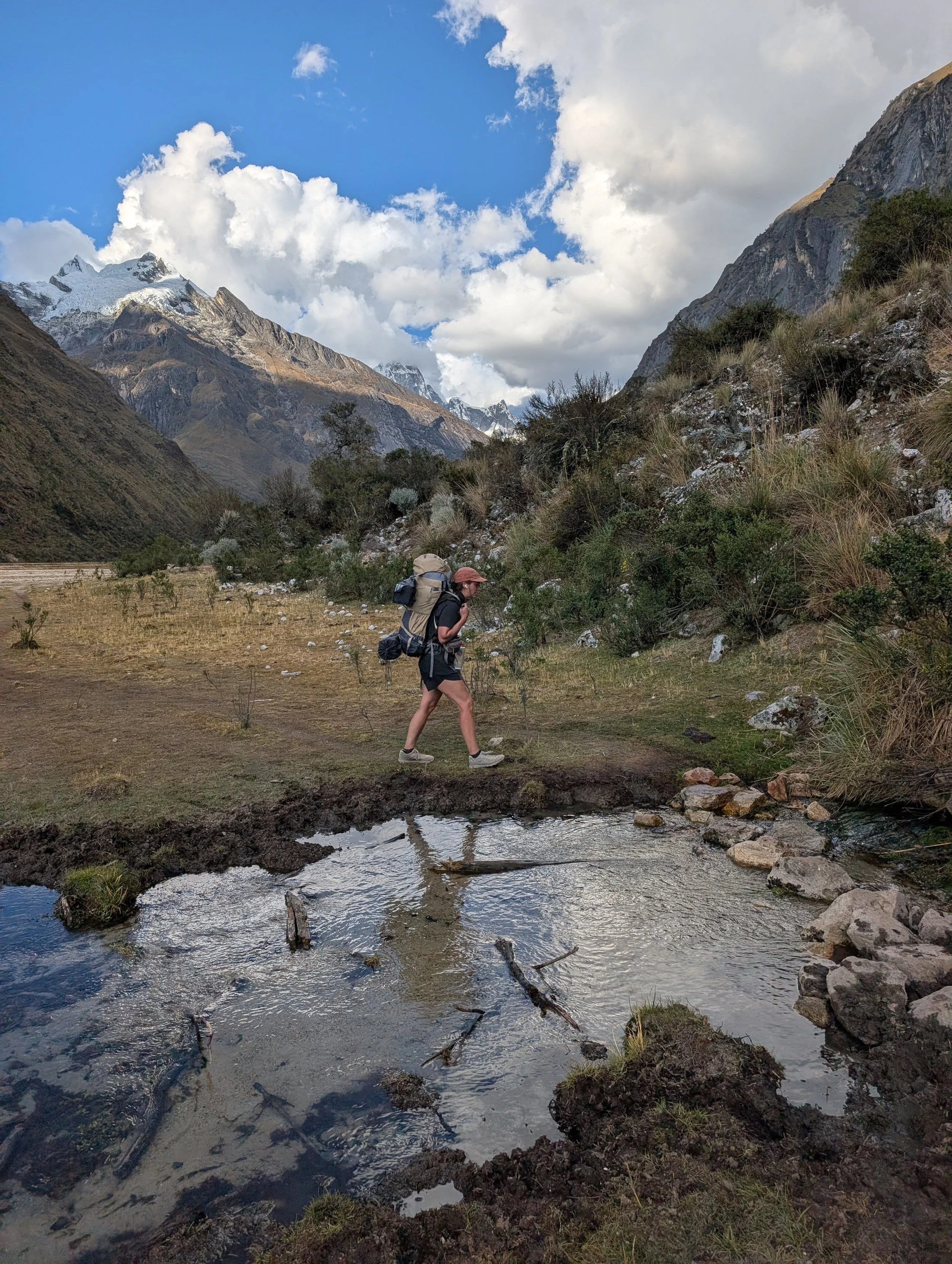
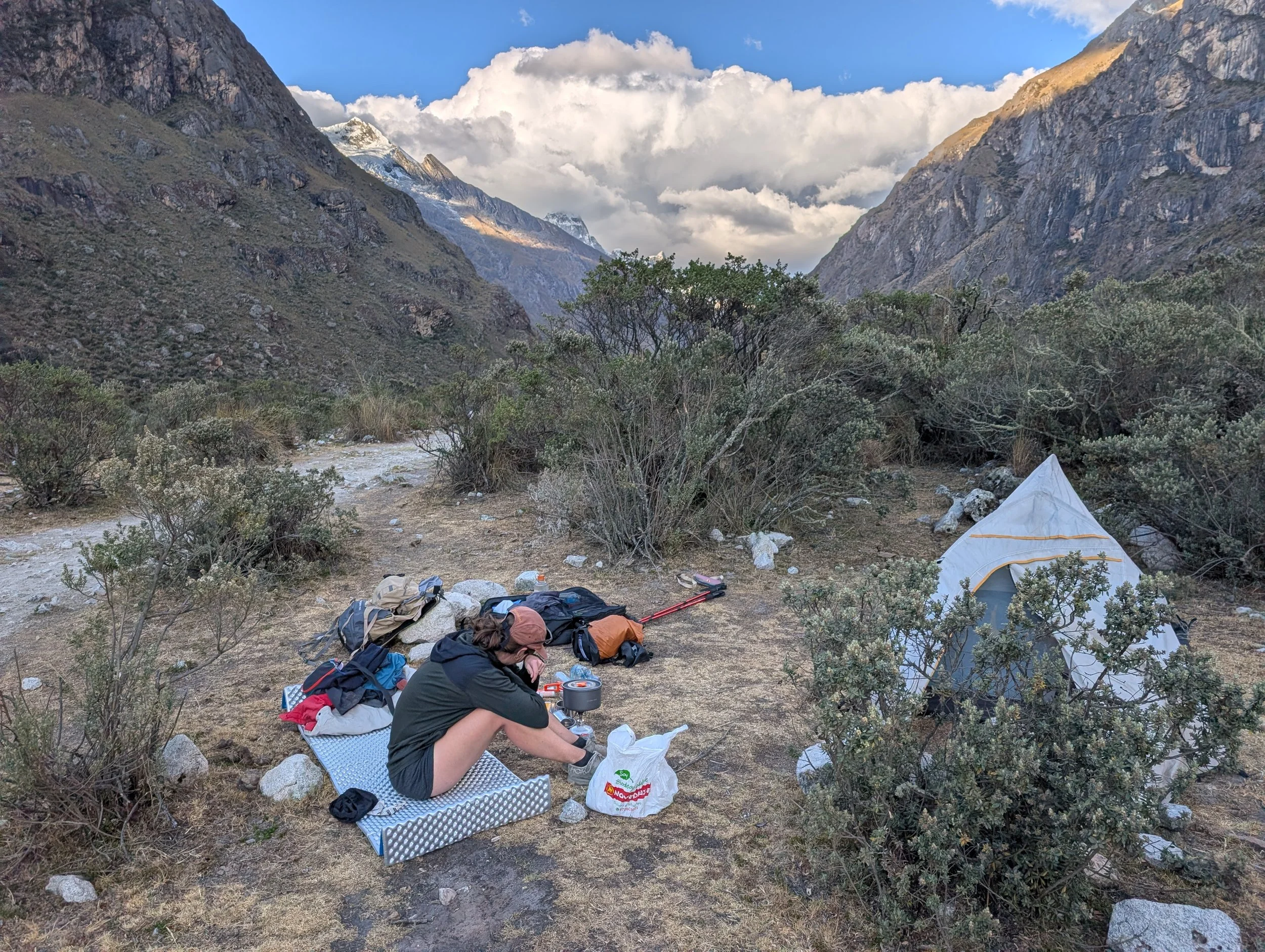
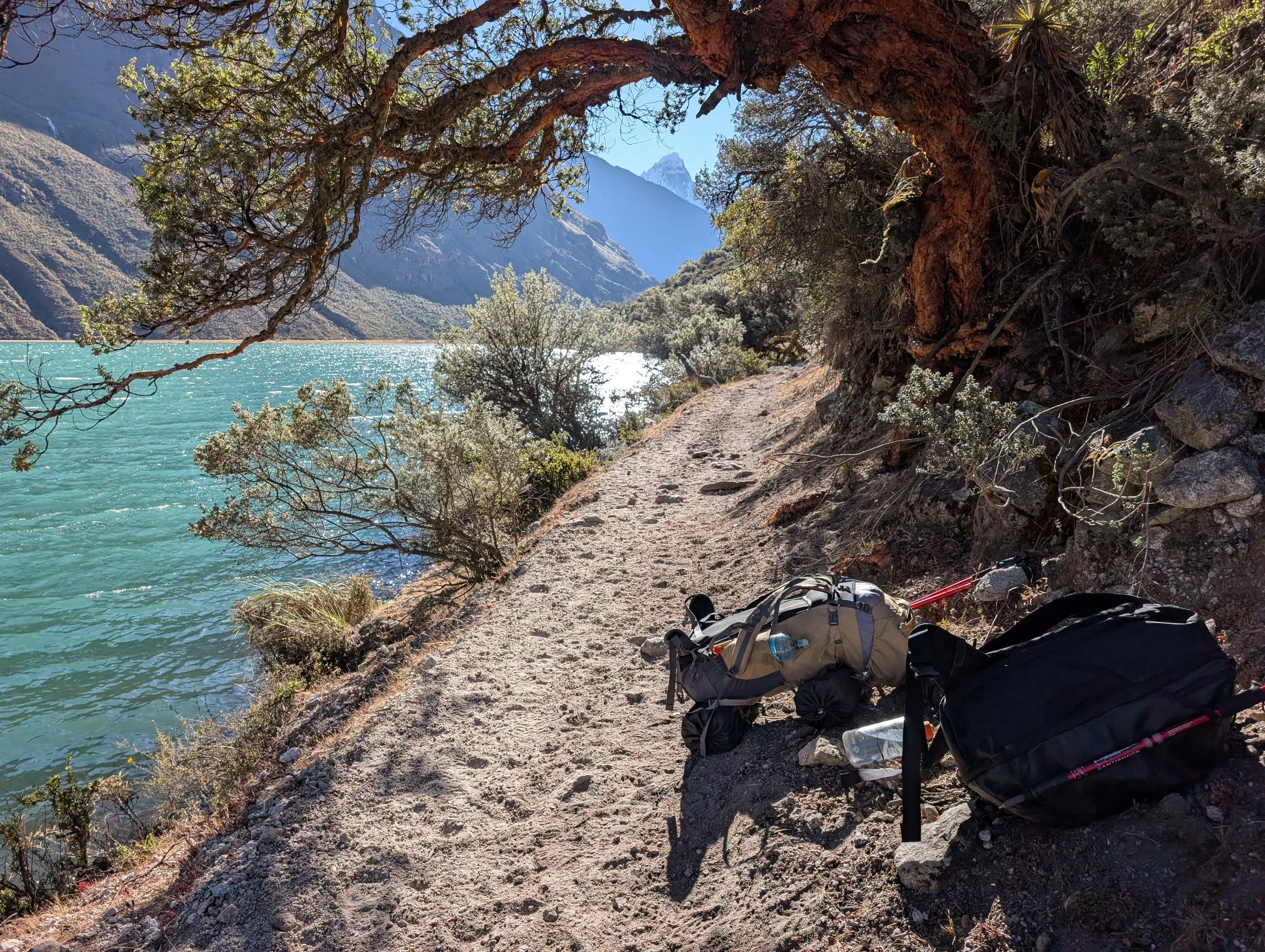
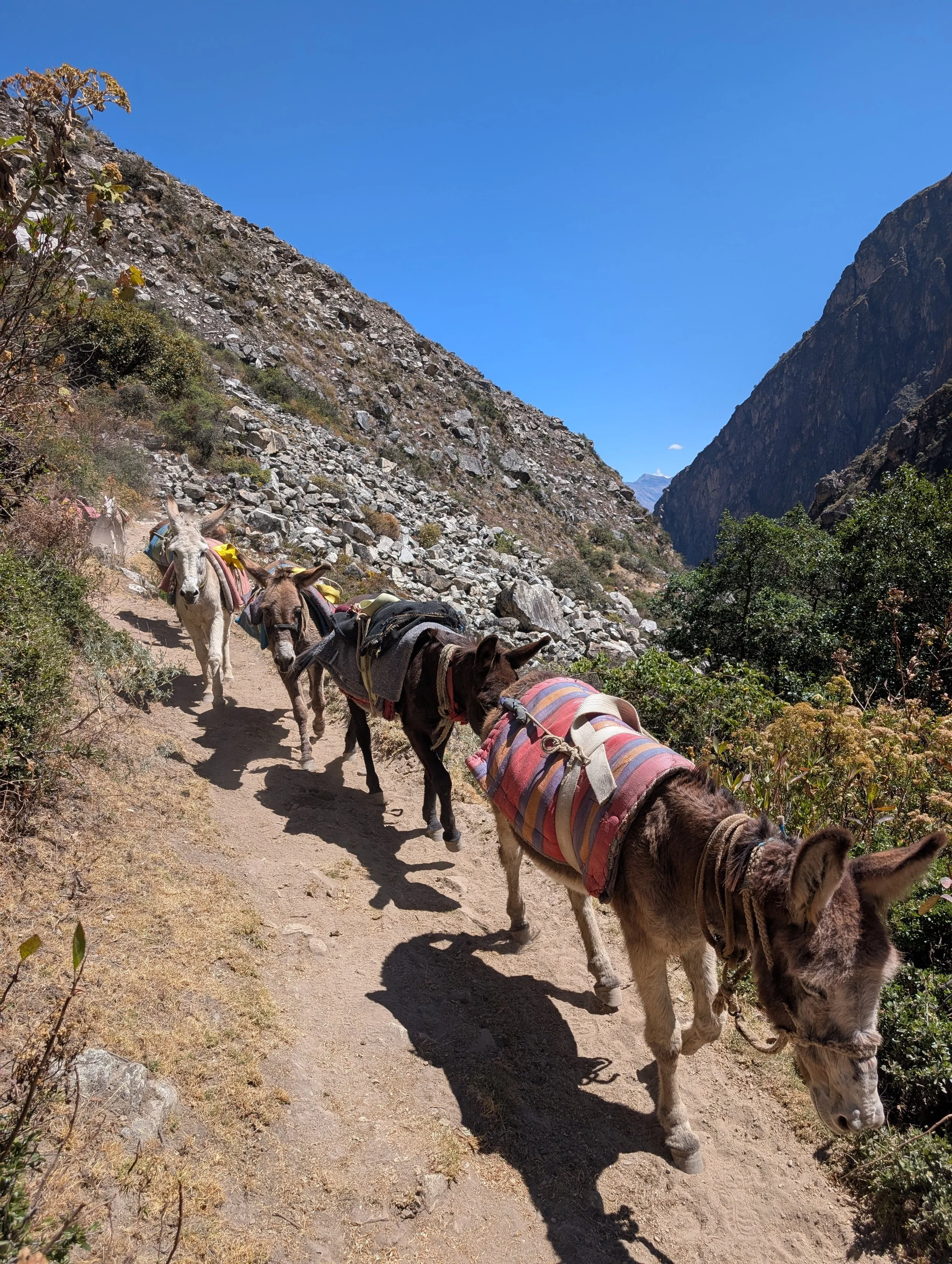
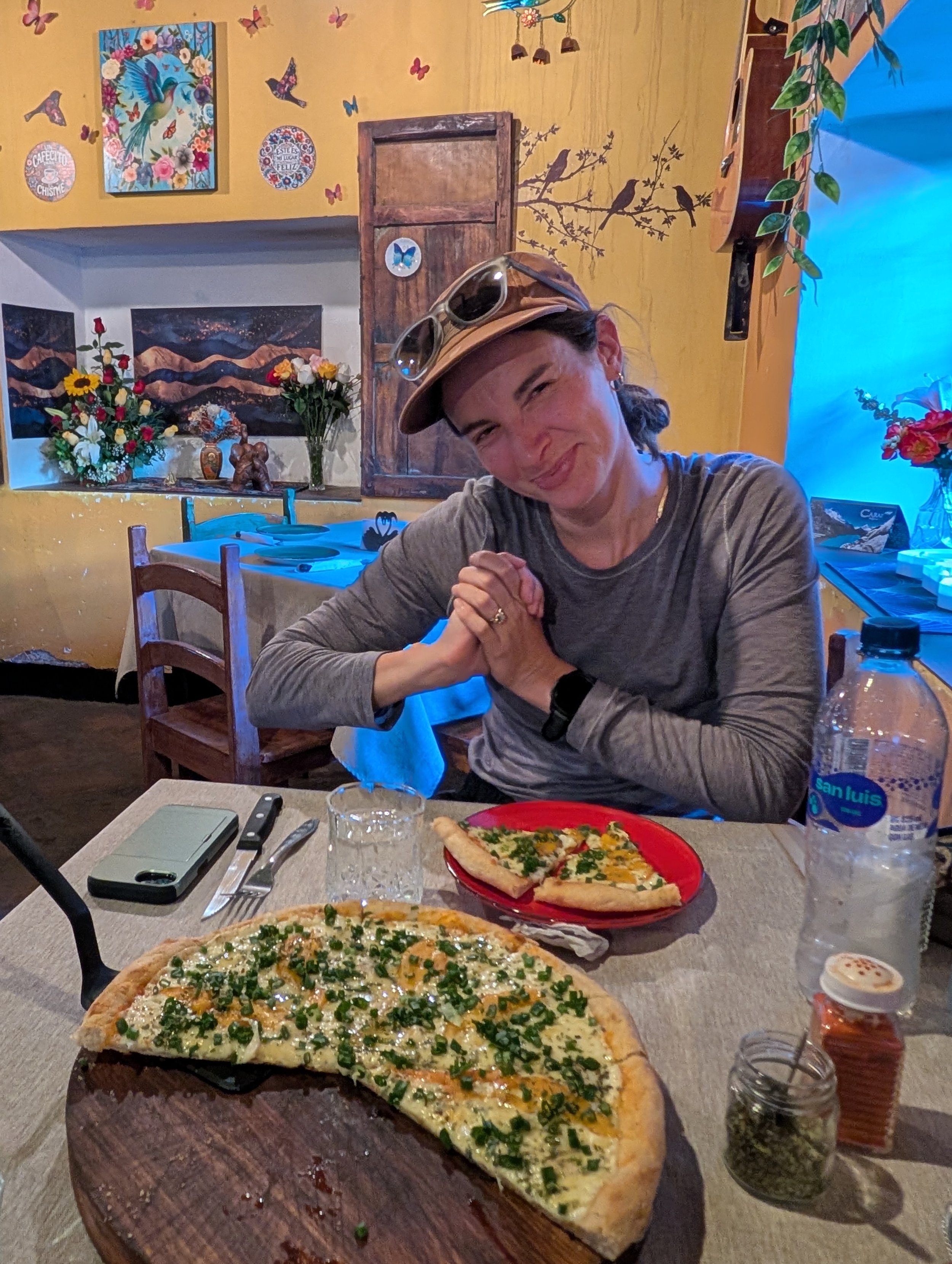
The Andes are a landscape of extremes, of isolation and connection, ascent and descent, desert and snow. We followed a well-worn vertical trek passing surfers in the Pacific, the cliff dwellers of Lima, and the cowboys of snowy Cordillera Blanca. We shuffle up to 15,584 feet on the Santa Cruz Trek. We scrambling down the Choquequirao trail, surviving a maelstrom of bugs. None of it would have been possible without a mighty struggle…and the hope of pizza at the end.
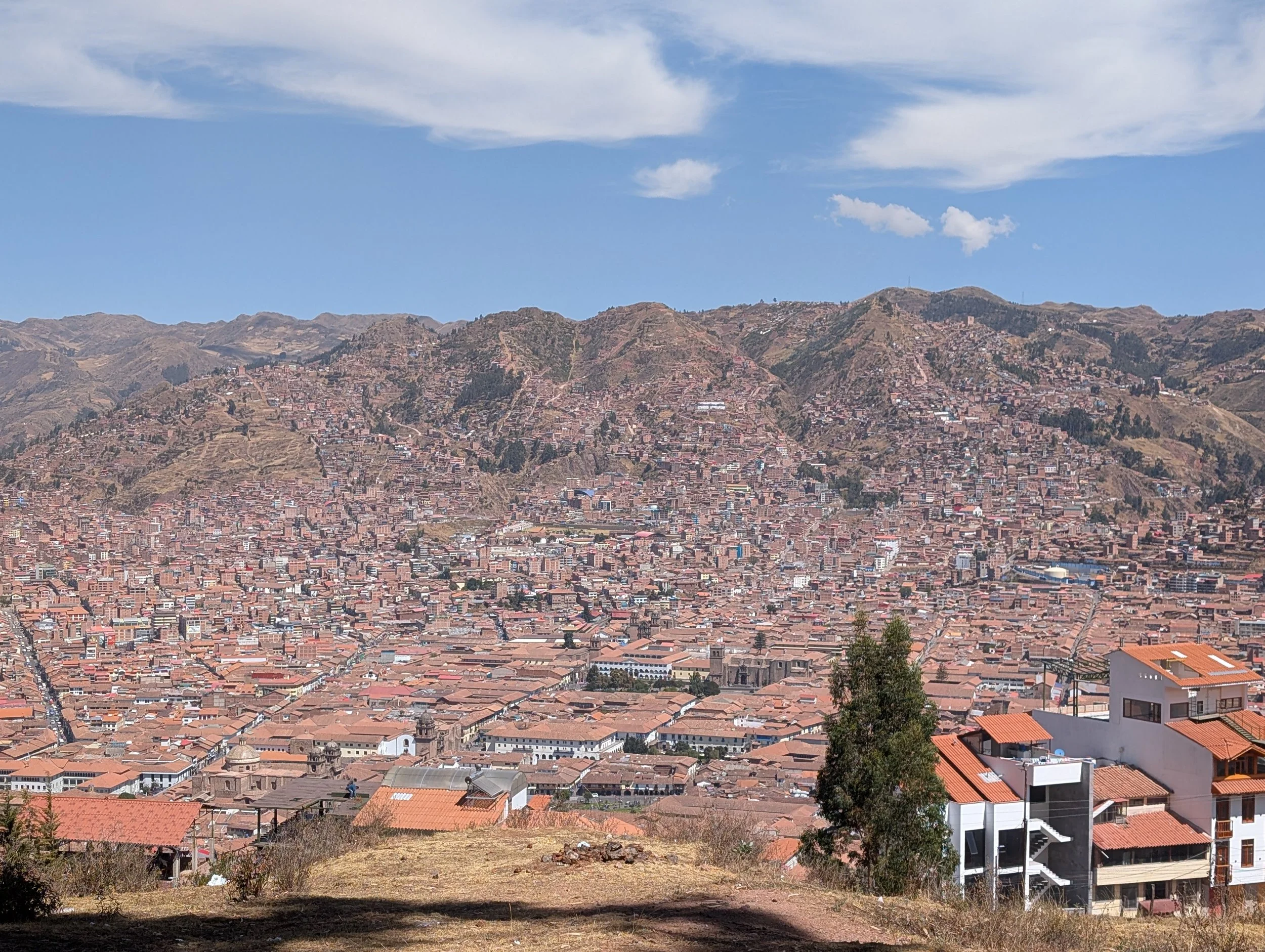
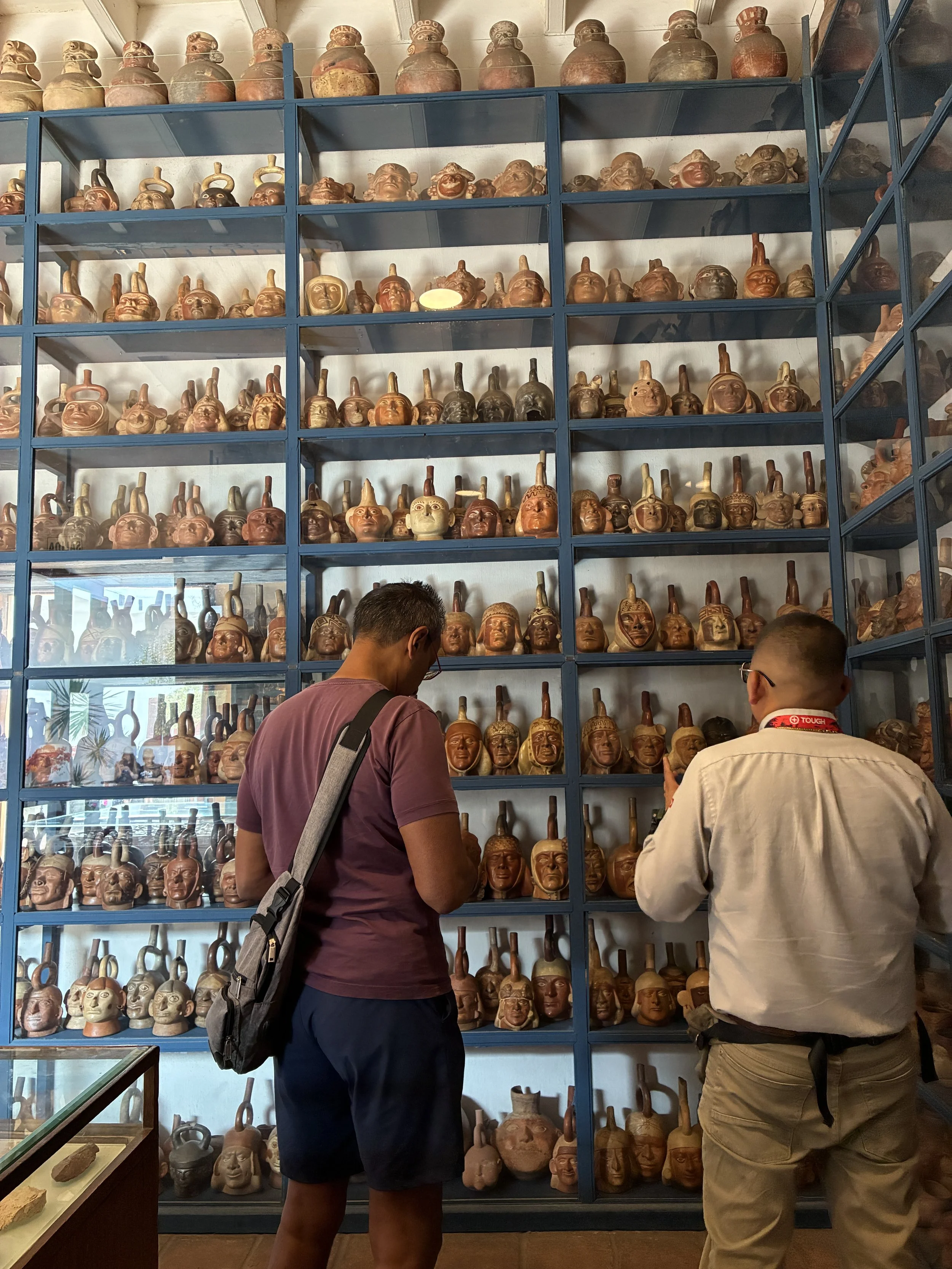
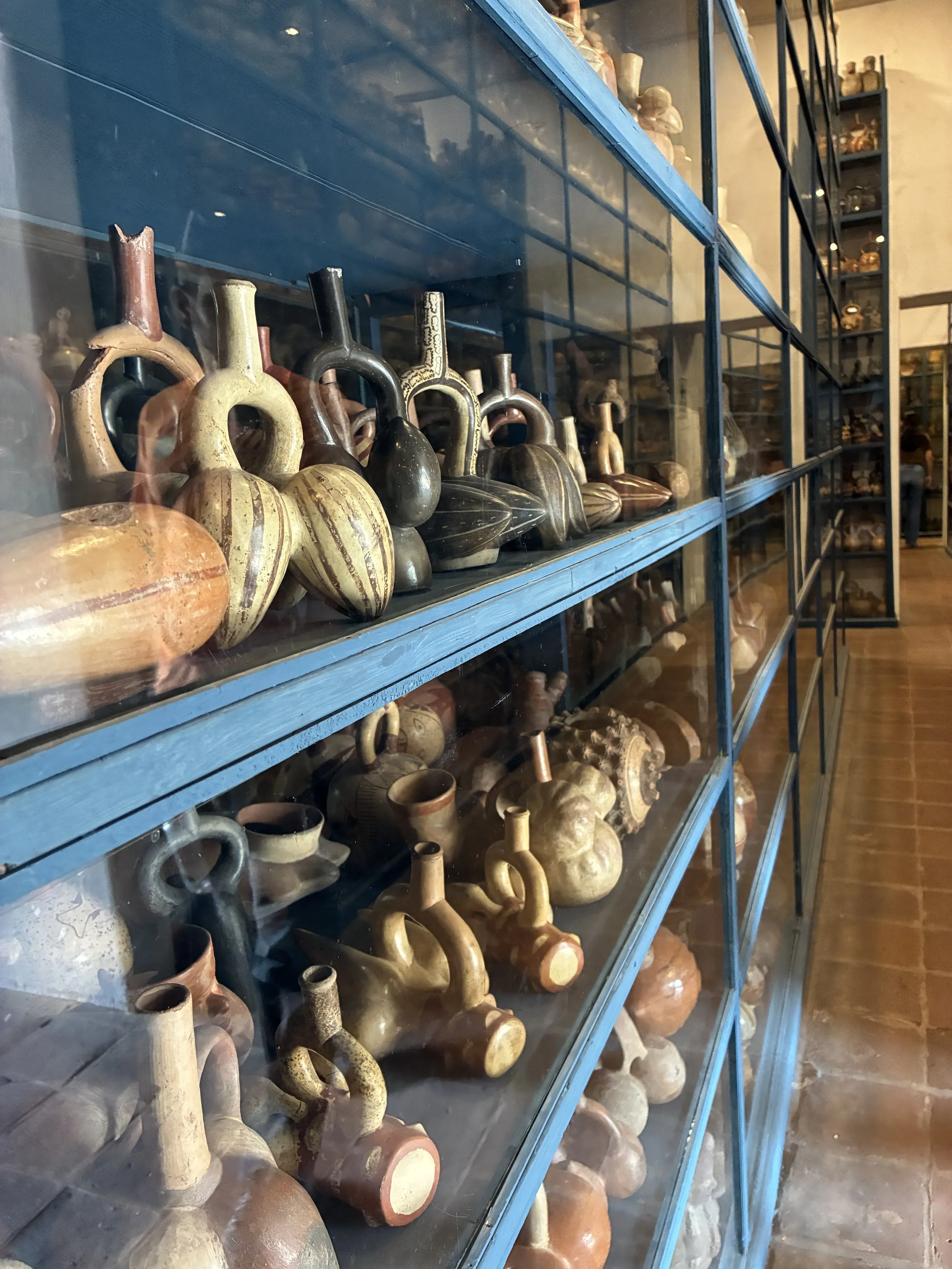
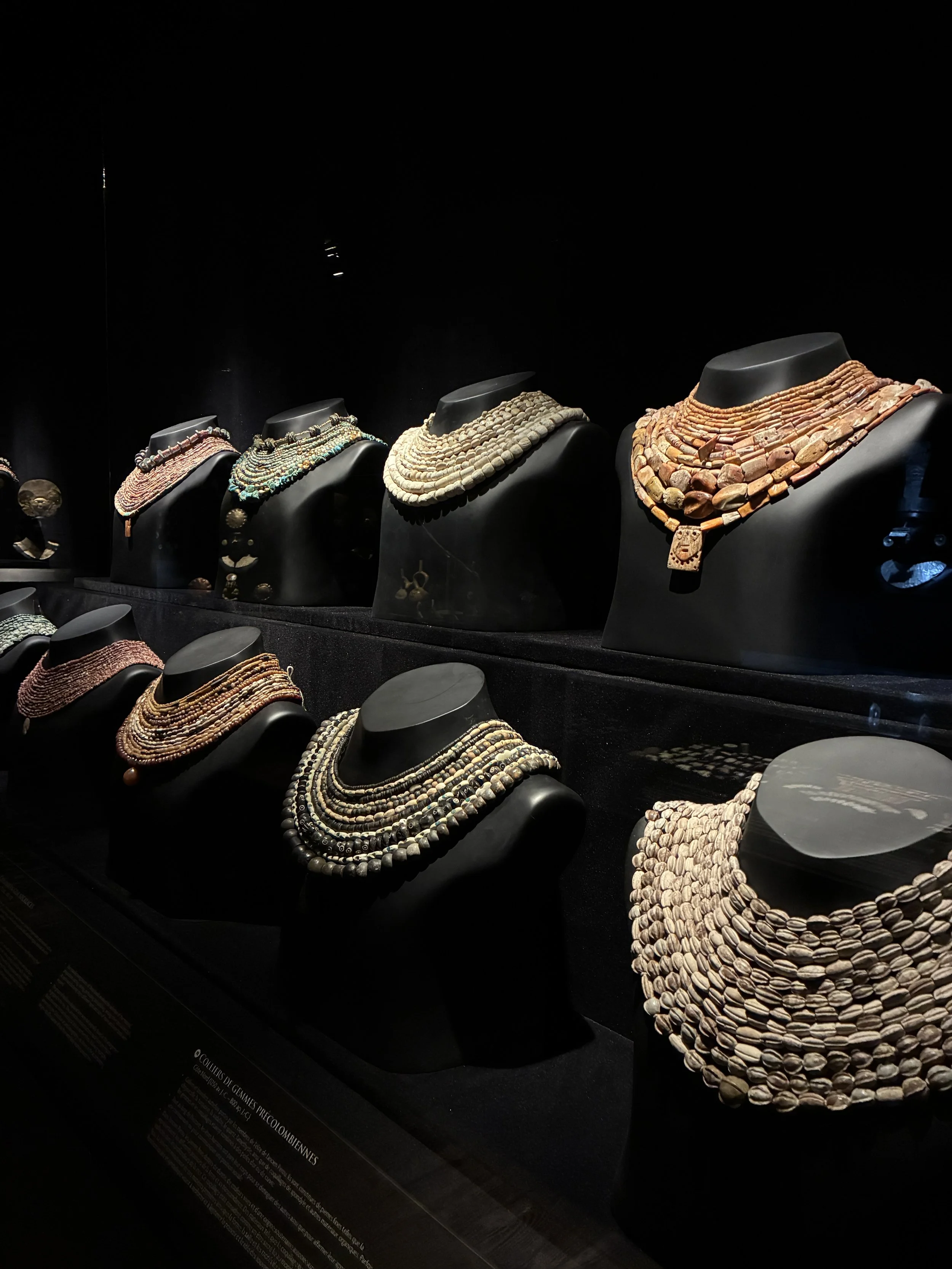
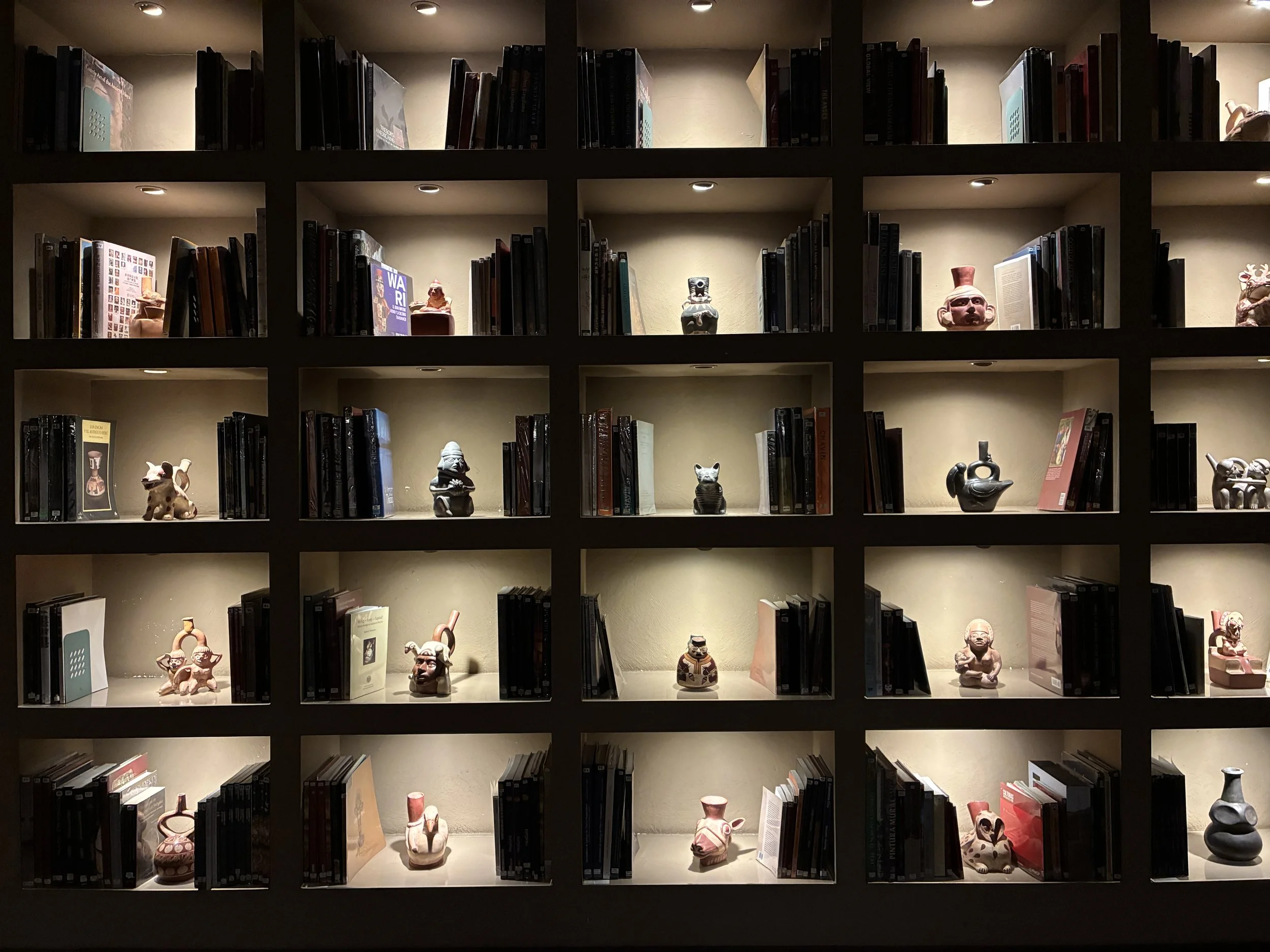
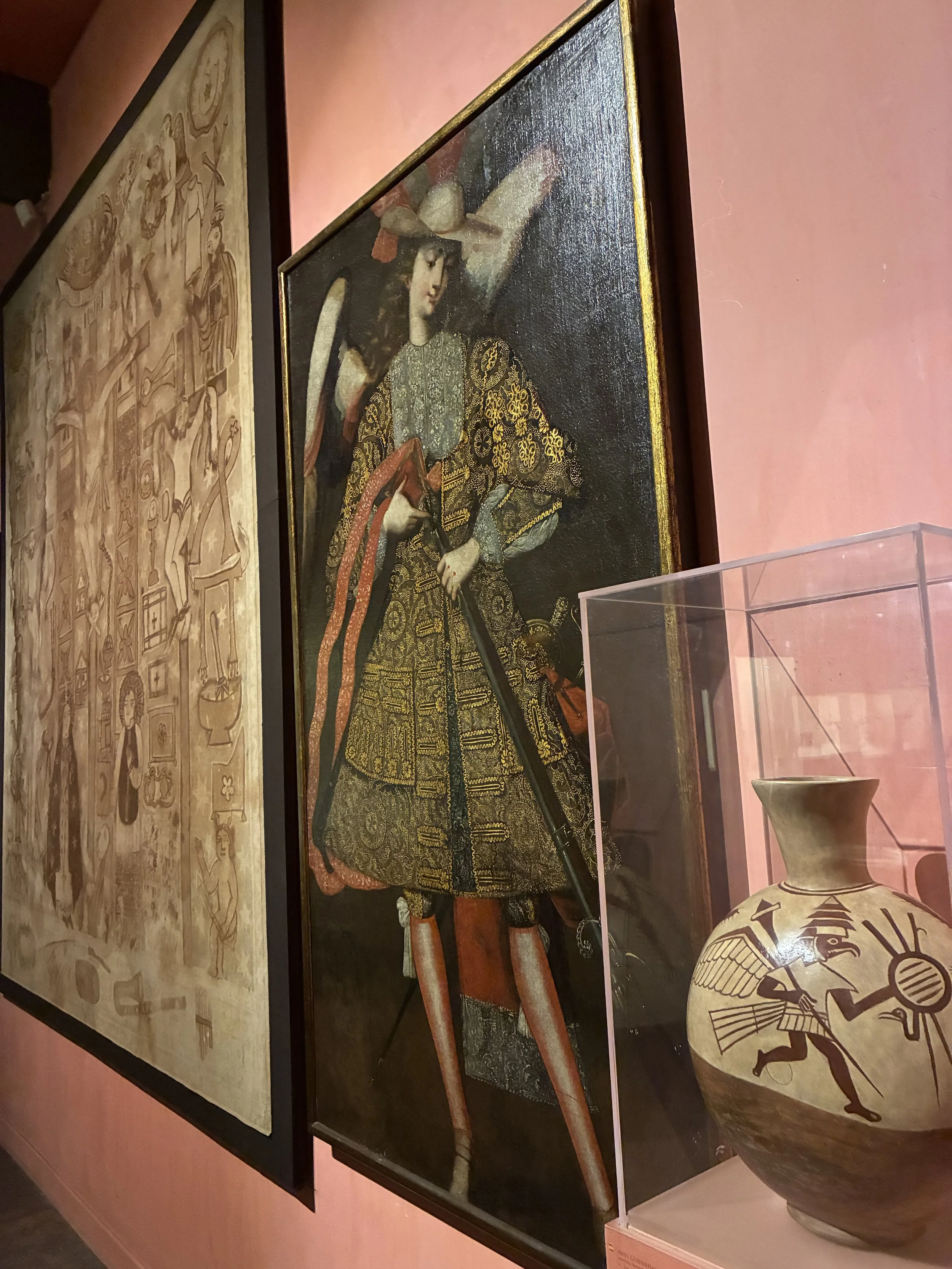
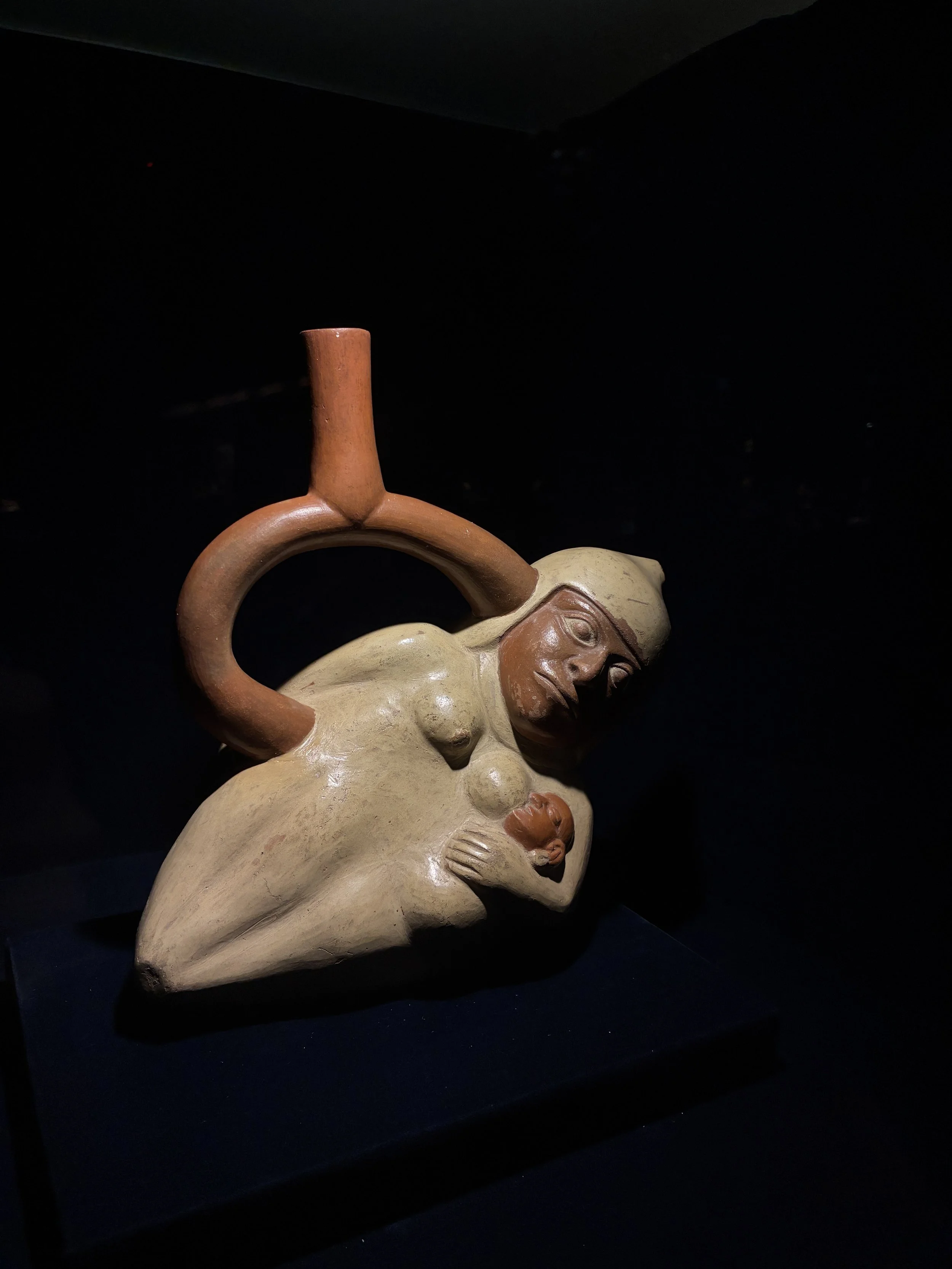
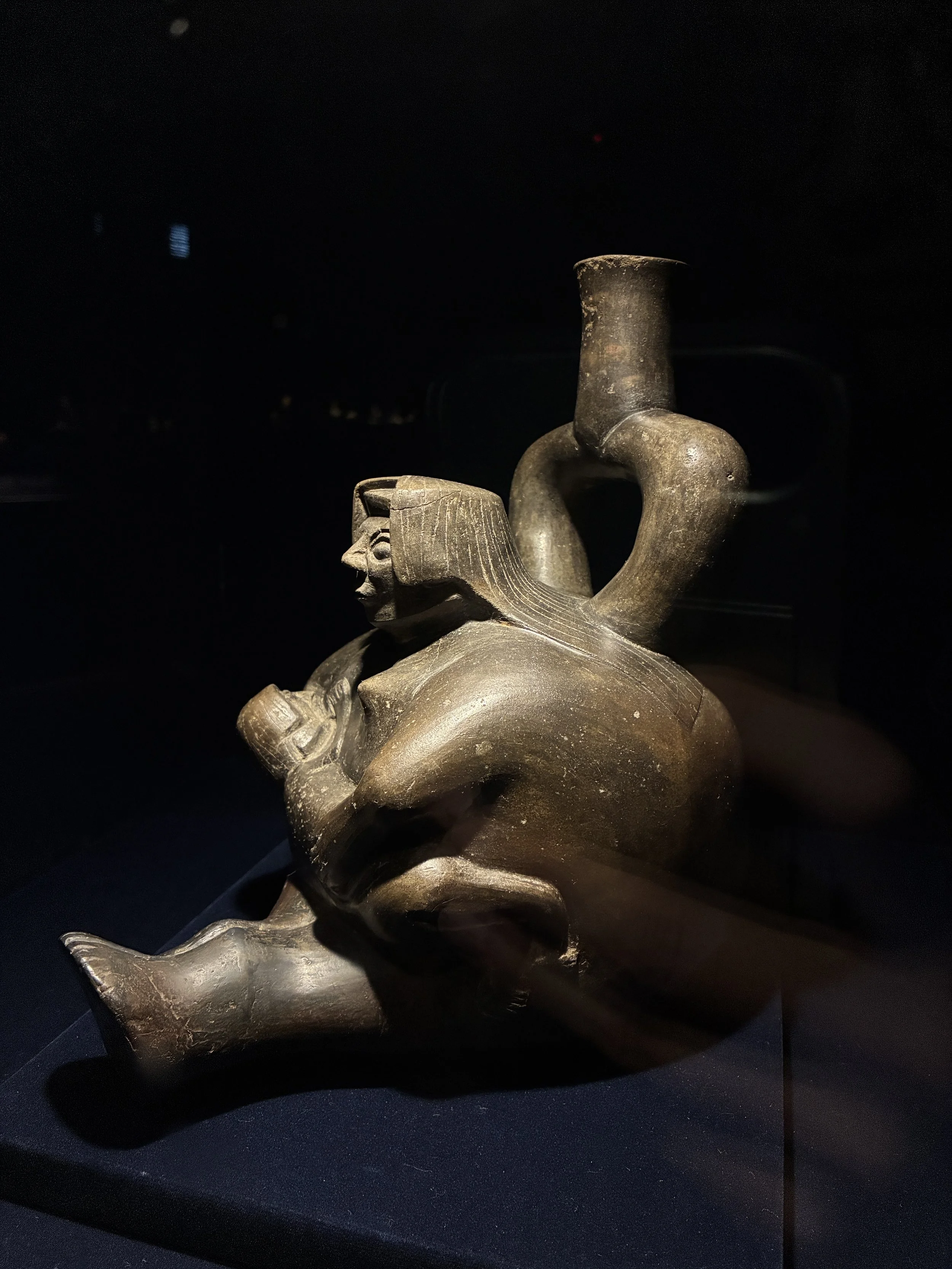
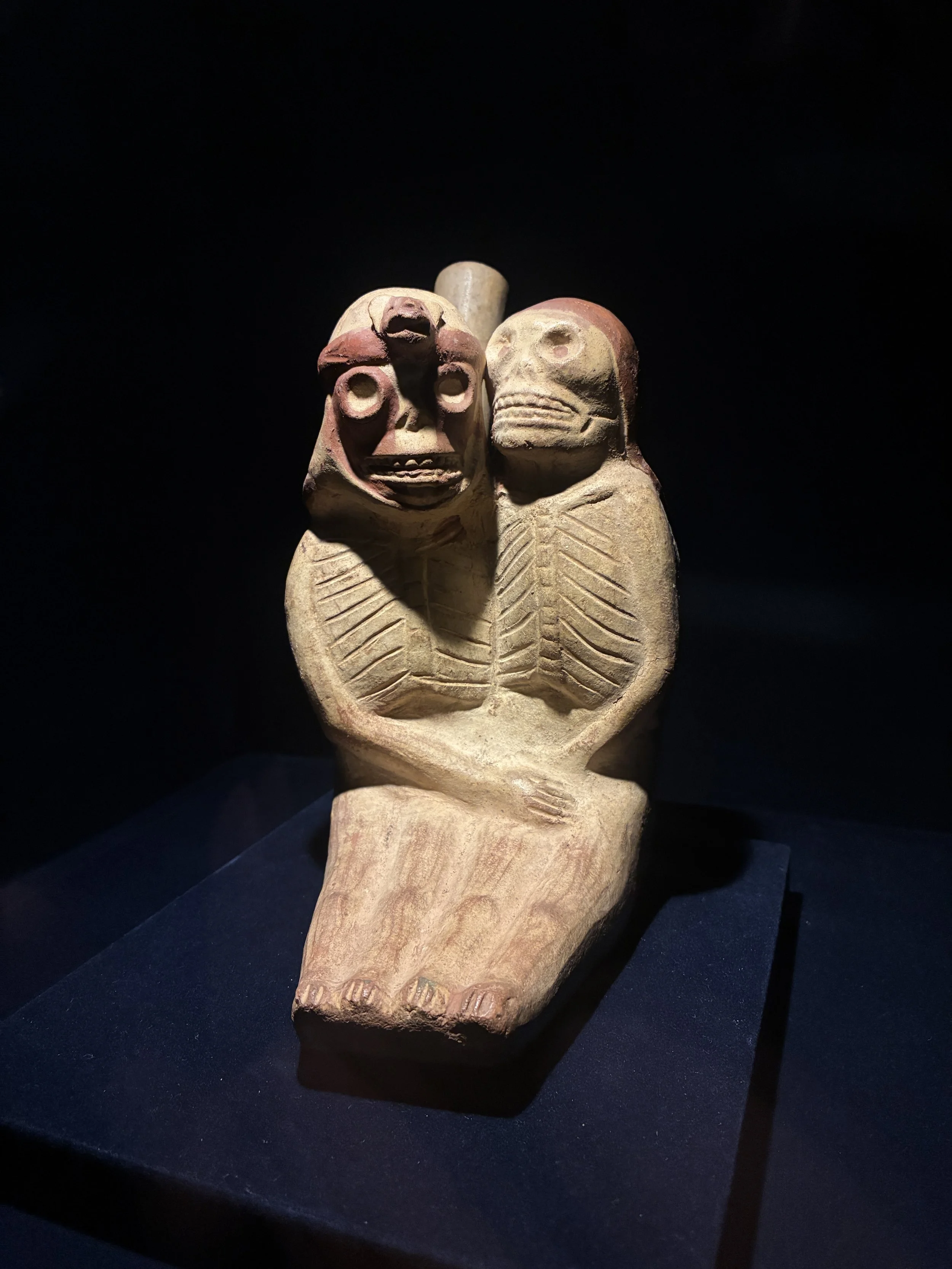
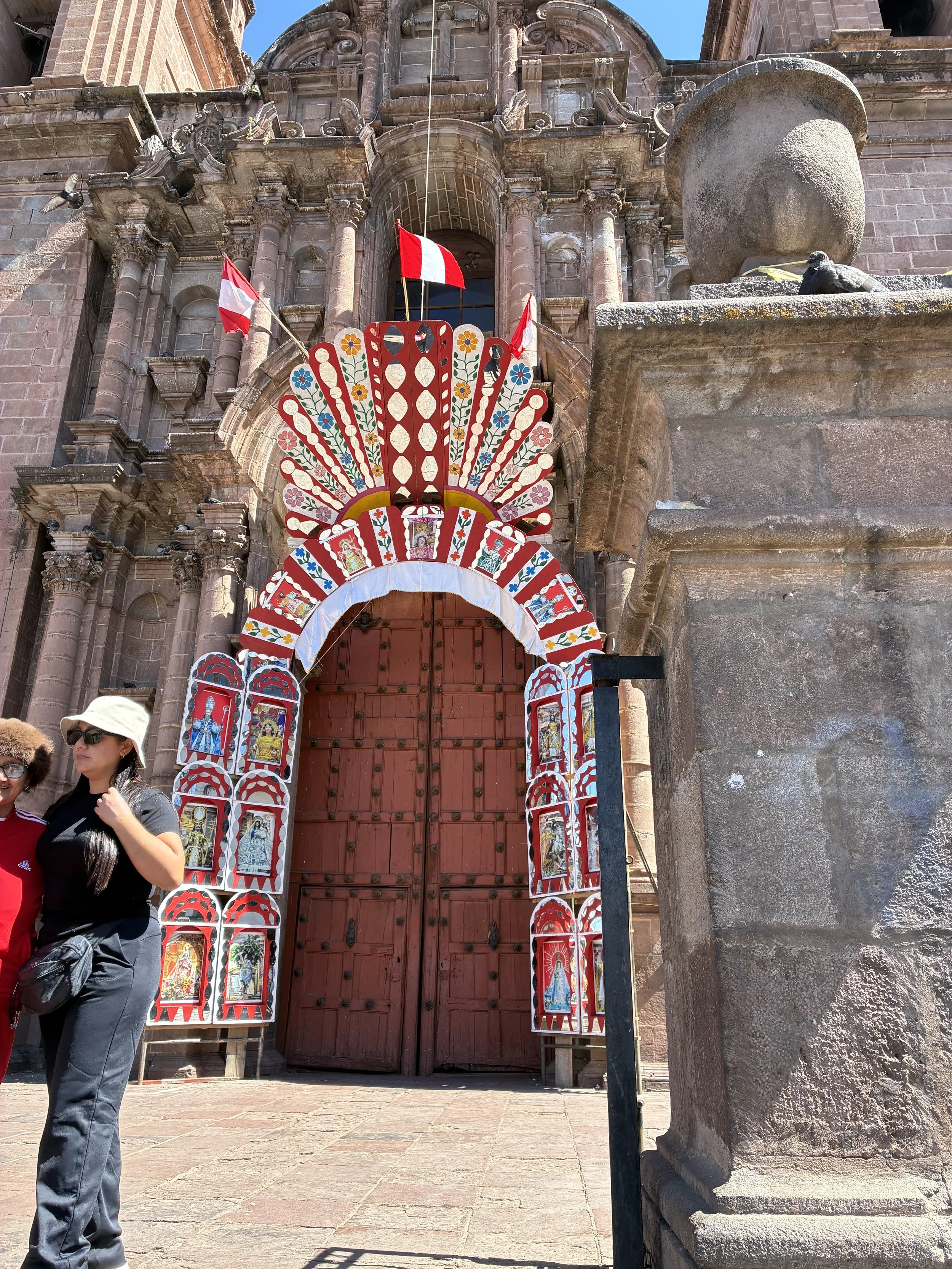
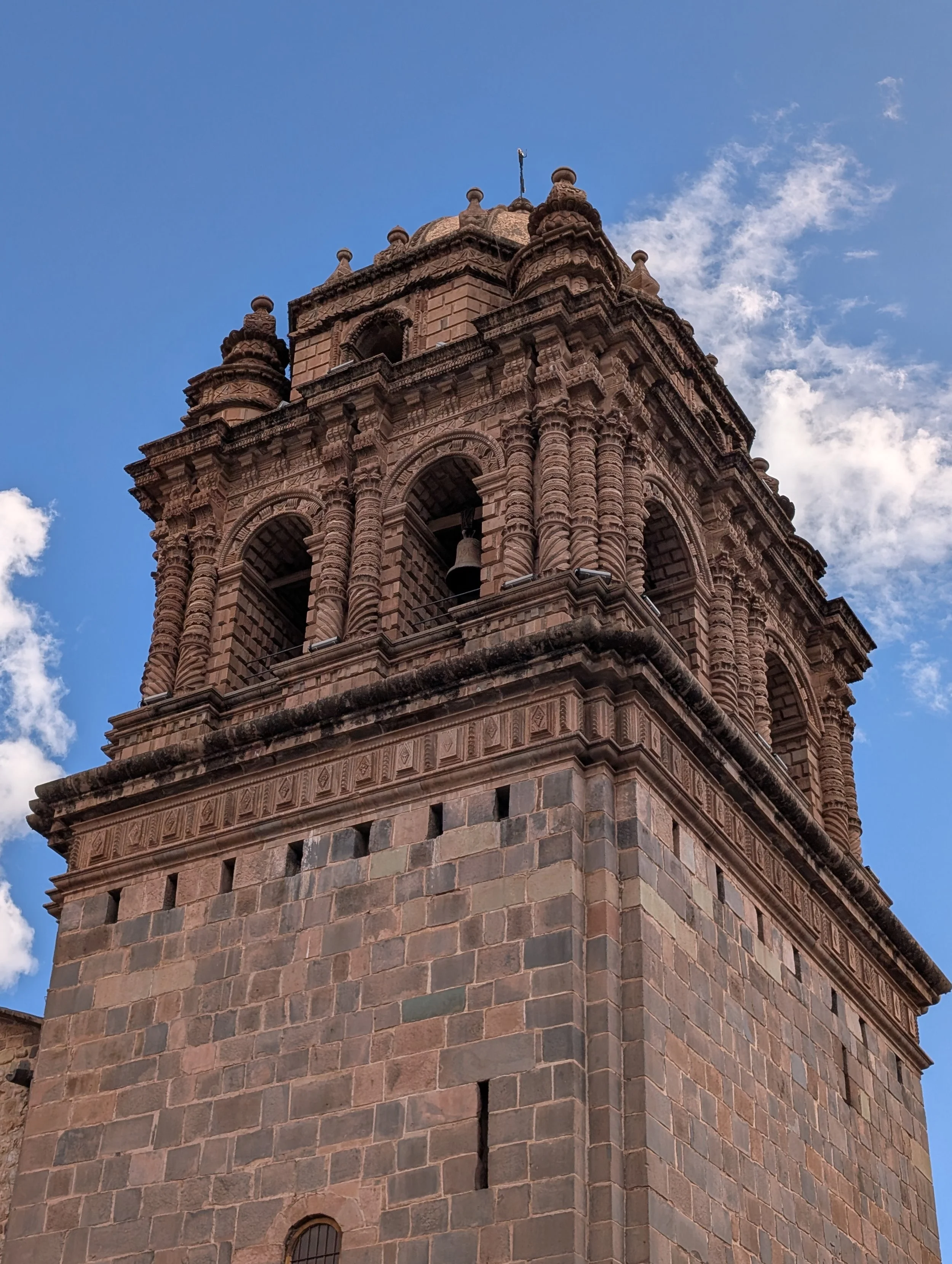
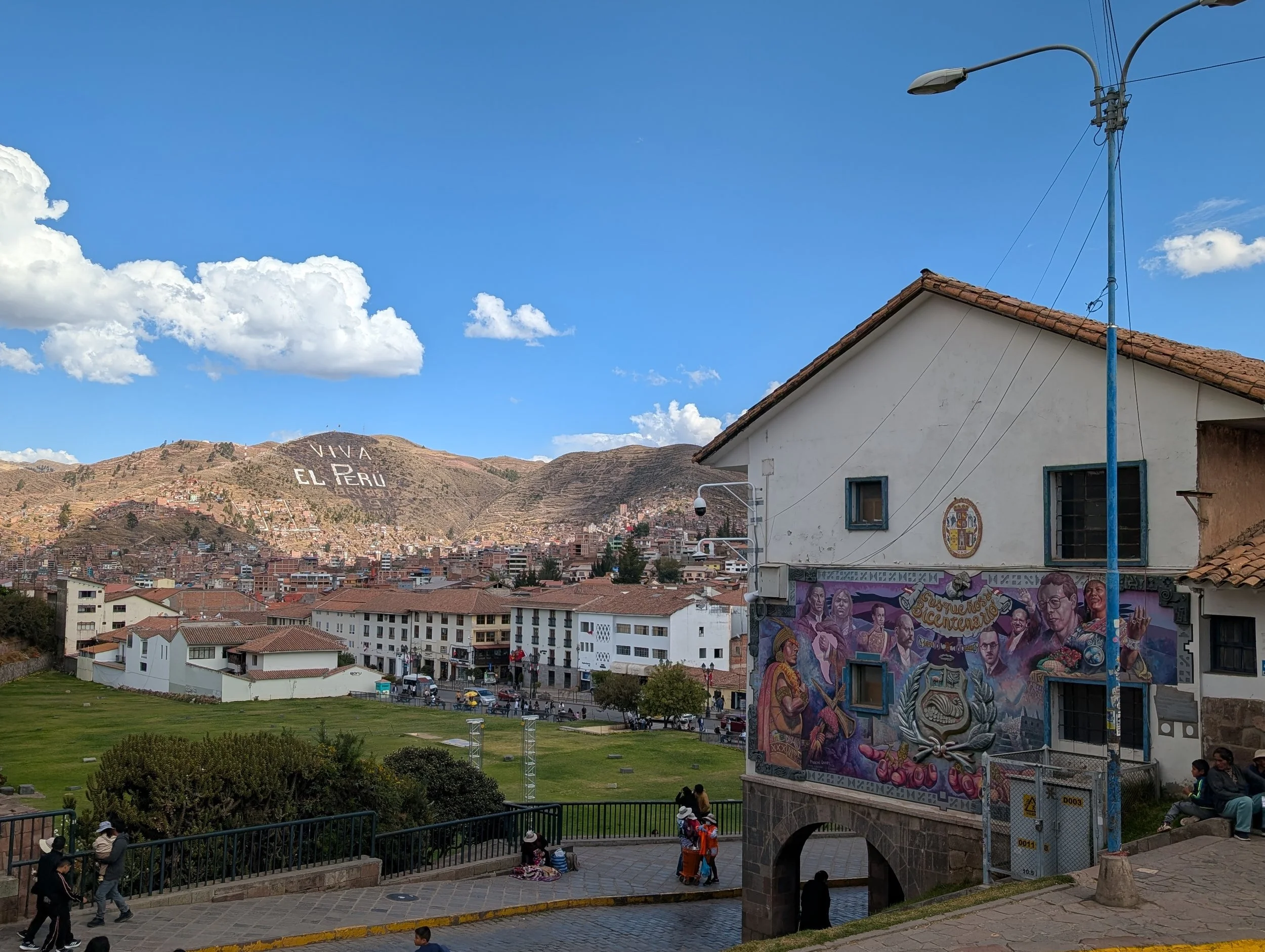
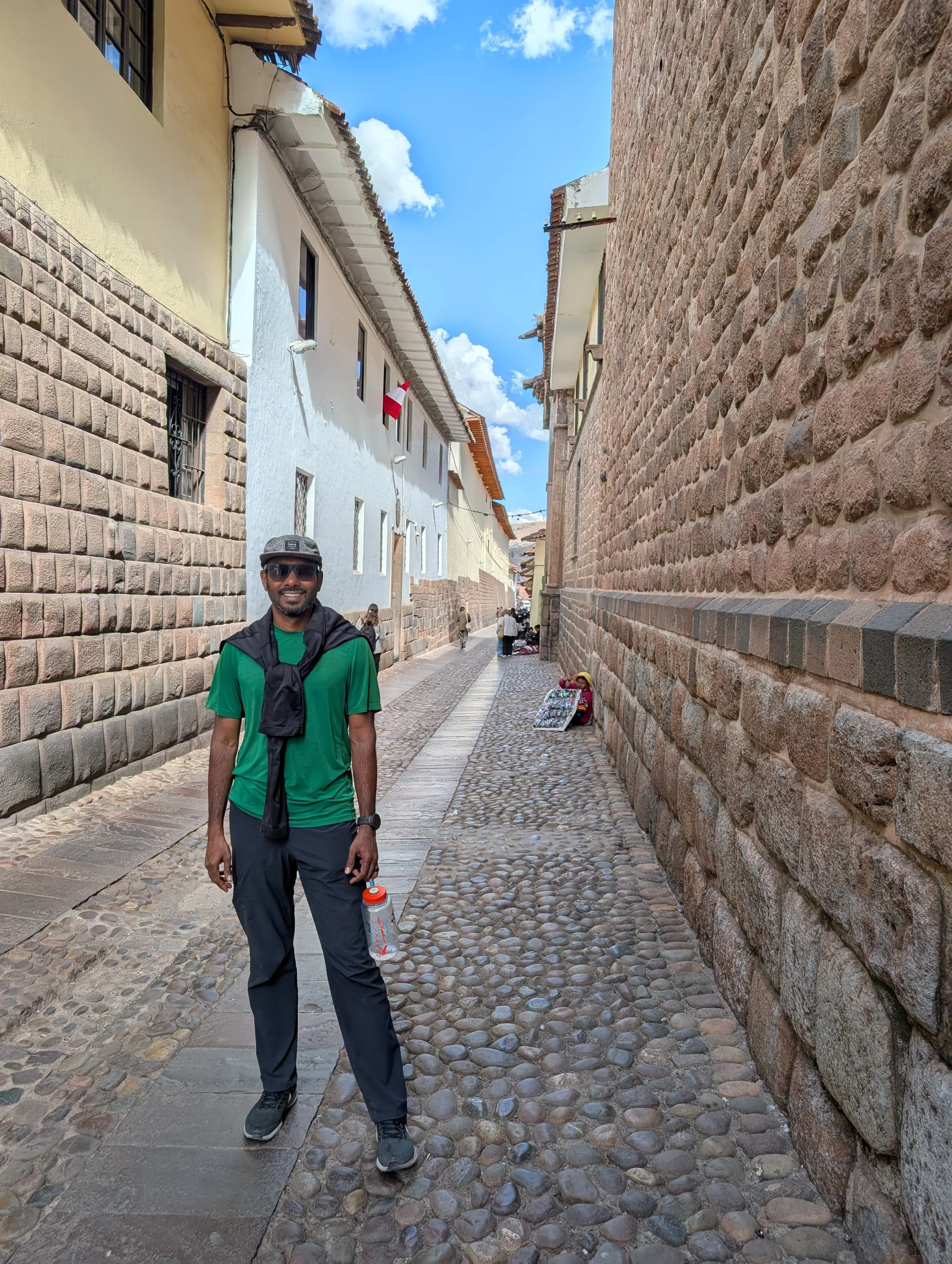
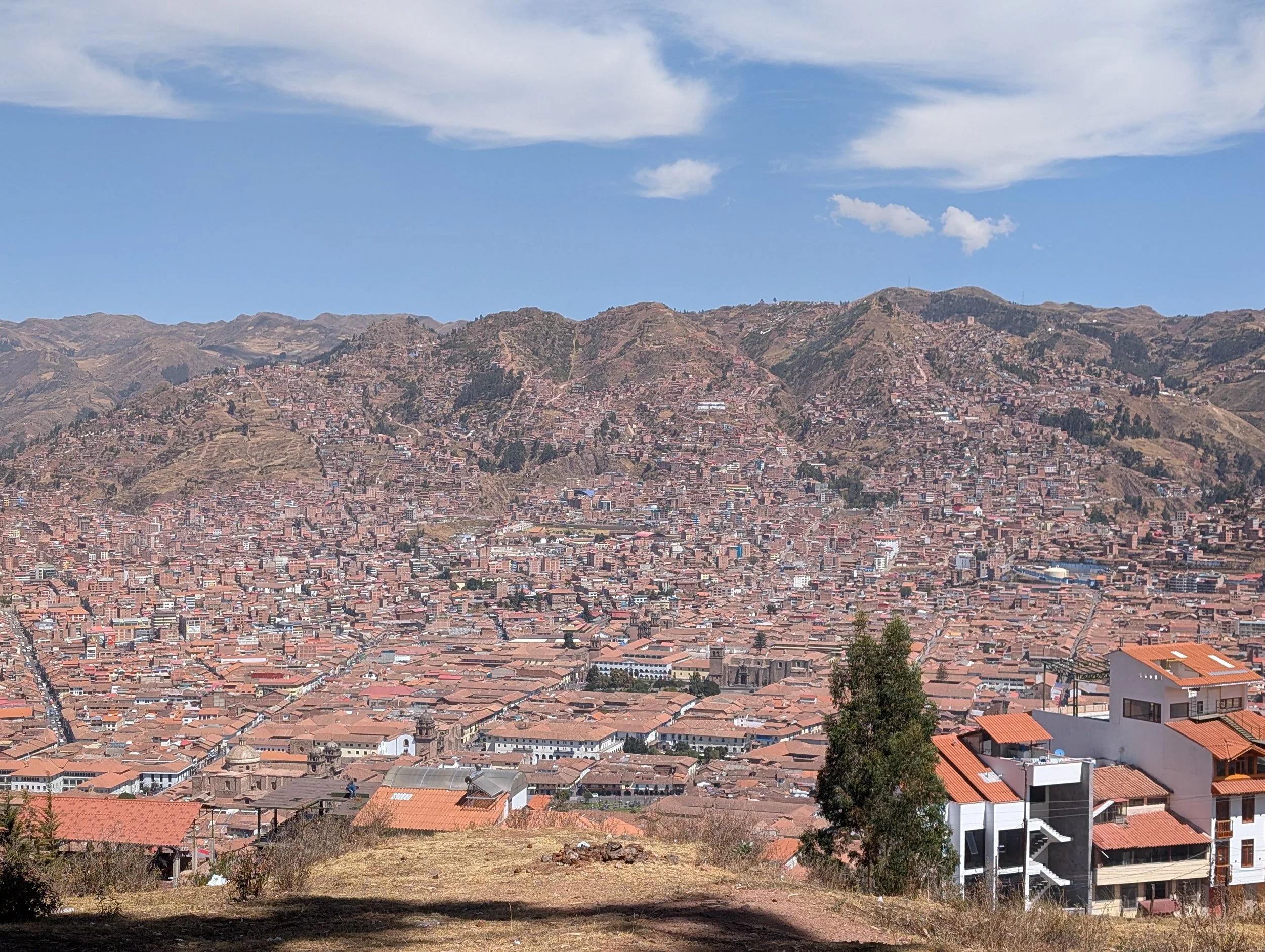
Later, in the chilly cobbly corridors of Cusco past the Catholic churches and the photogenic llamas, I reflected on what we saw in the Larco Museum. While we didn’t see Nazca lines or ancient burial bundles, the intangible heritage of yanantin crowded my imagination with possibilities. It’s one thing to write about yanantin in a classroom at 21. It’s another to encounter it at 34, in the very ordinary work of building a life with another person. And perhaps the only thing we can do is practice, amid sandwiches or otherwise.
Extras
If I had a million dollars, we would have gone to Central but I did love learning more about its research department. Watch their Chef’s Table episode if you haven’t!
Huge thank you to Grégoire for recommending Larco Museum and the Choquequirao Archaeological site.
I made it through some of these hikes while listening to the book Factfulness, Rosling (2018) which explains how global trends are actually improving. Some elements may not have ages well, but the overall message gave me a thrill.
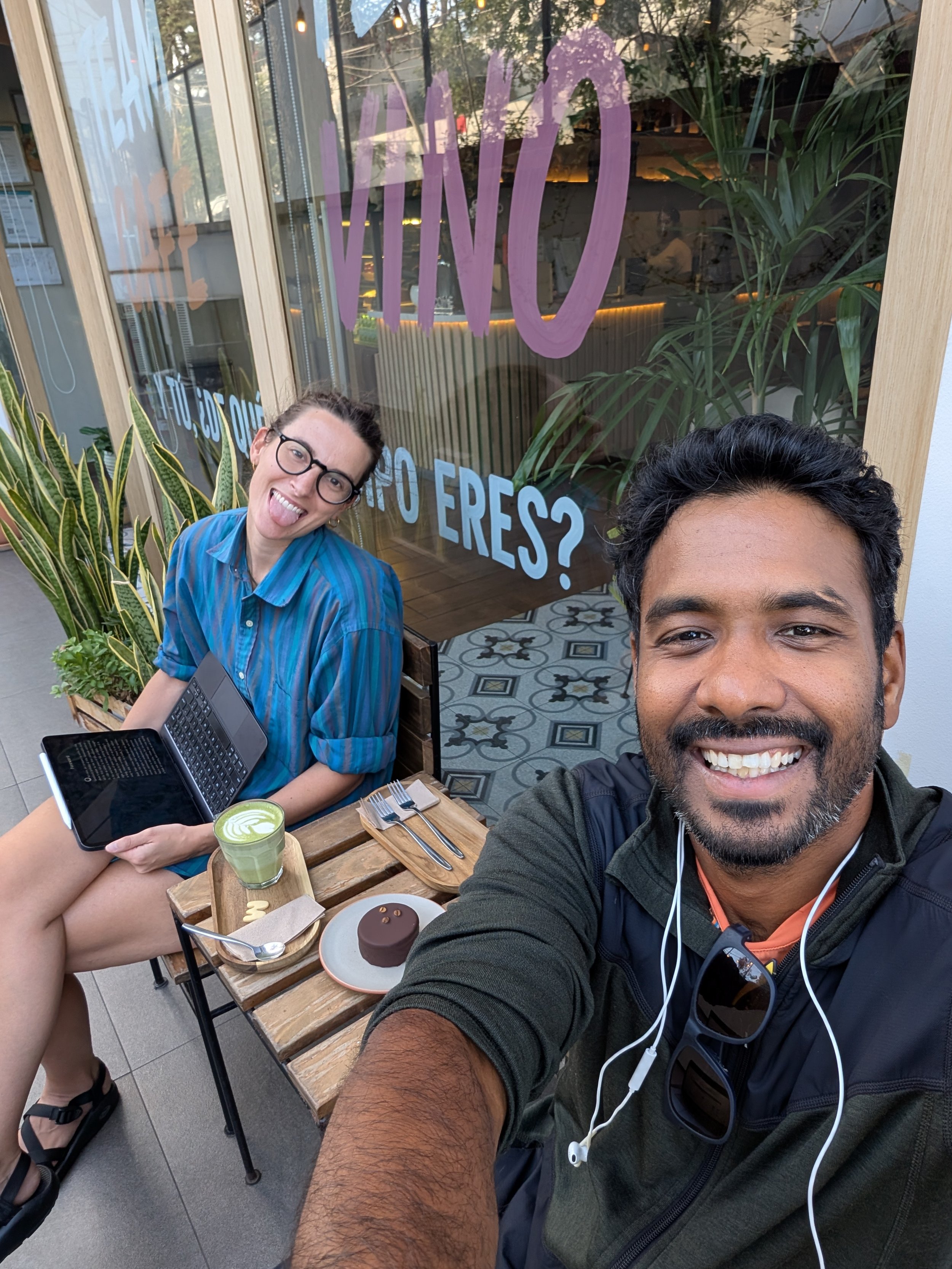
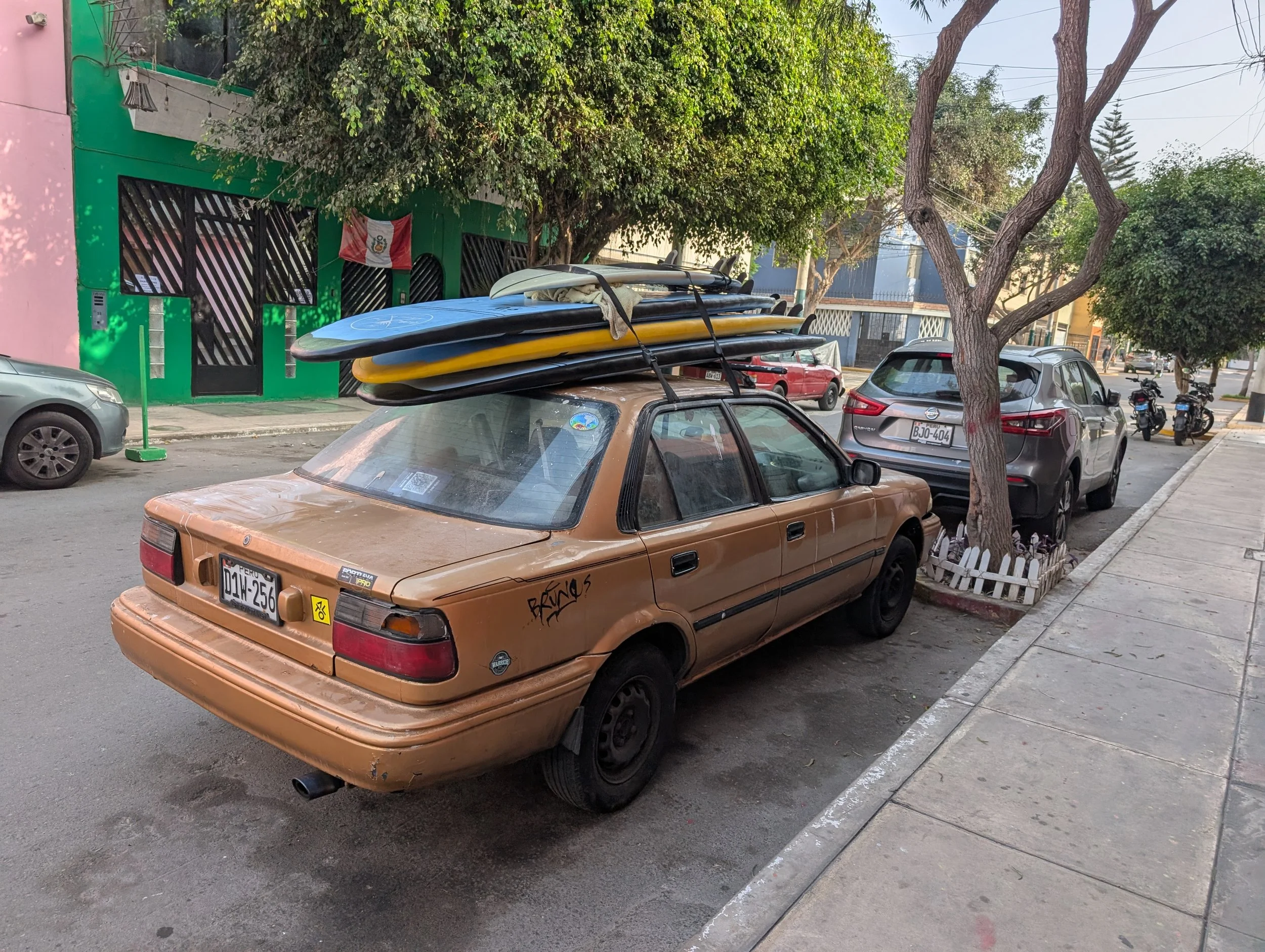
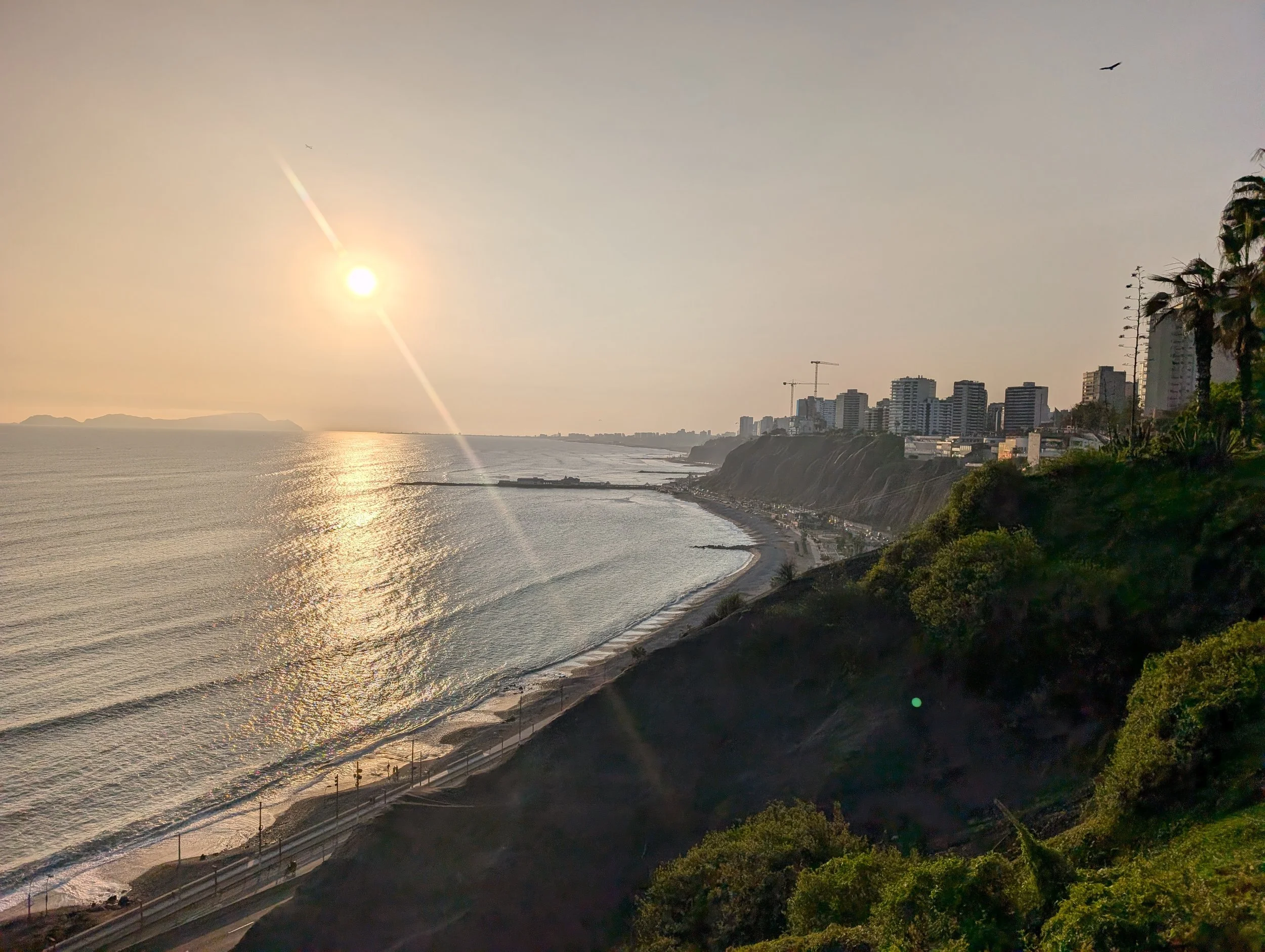
Lima
Larco Museum
Huaraz
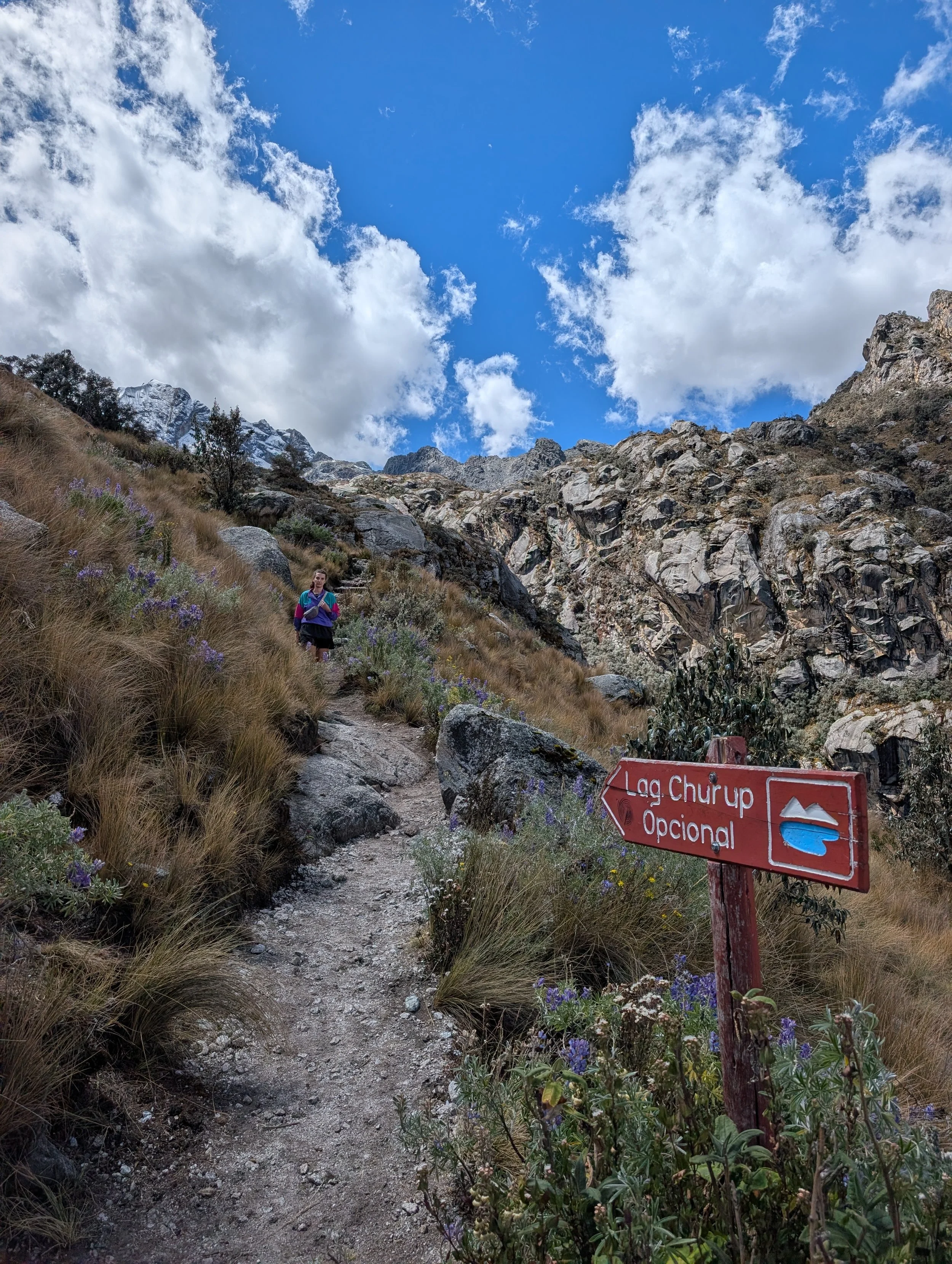
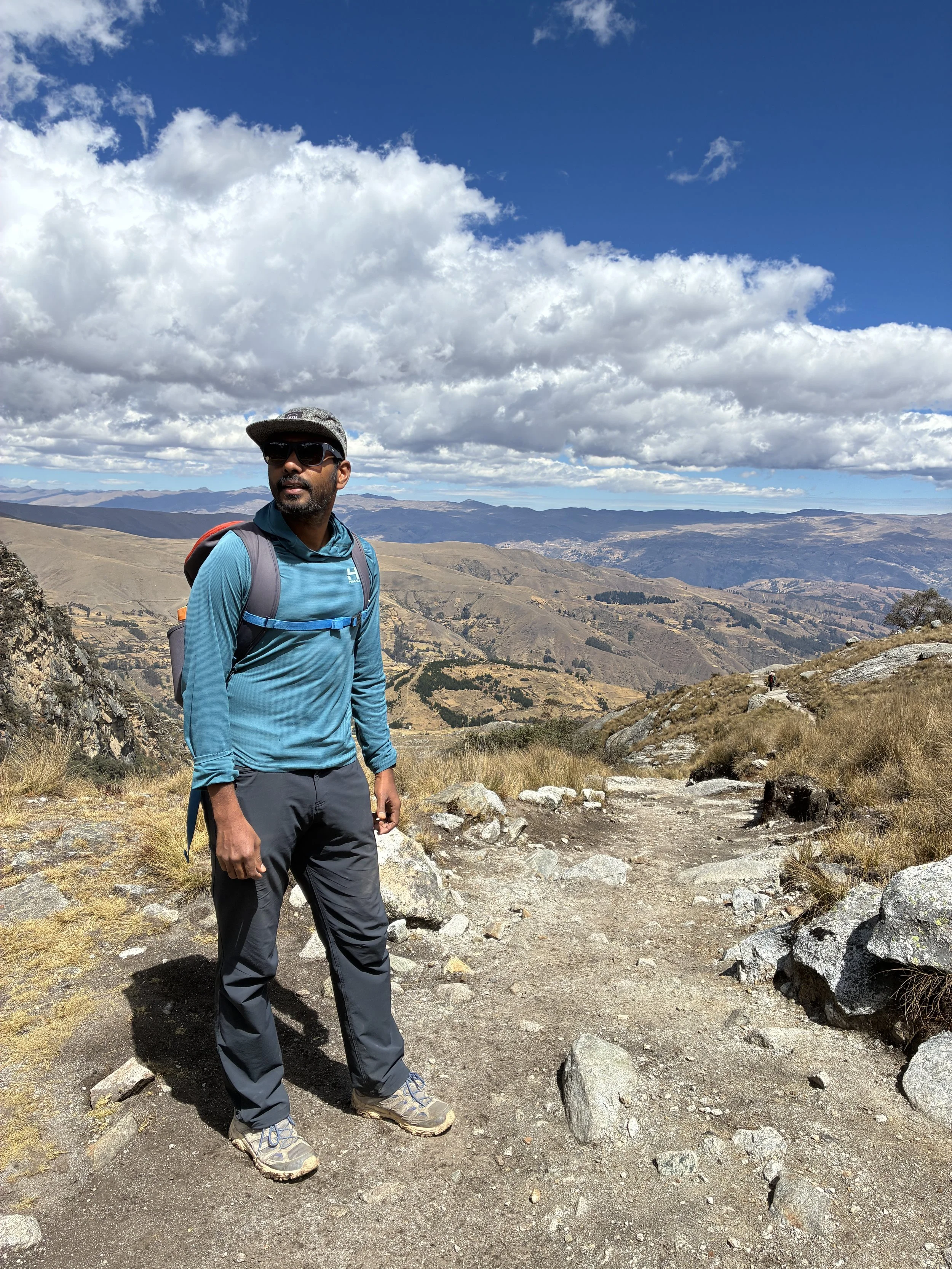
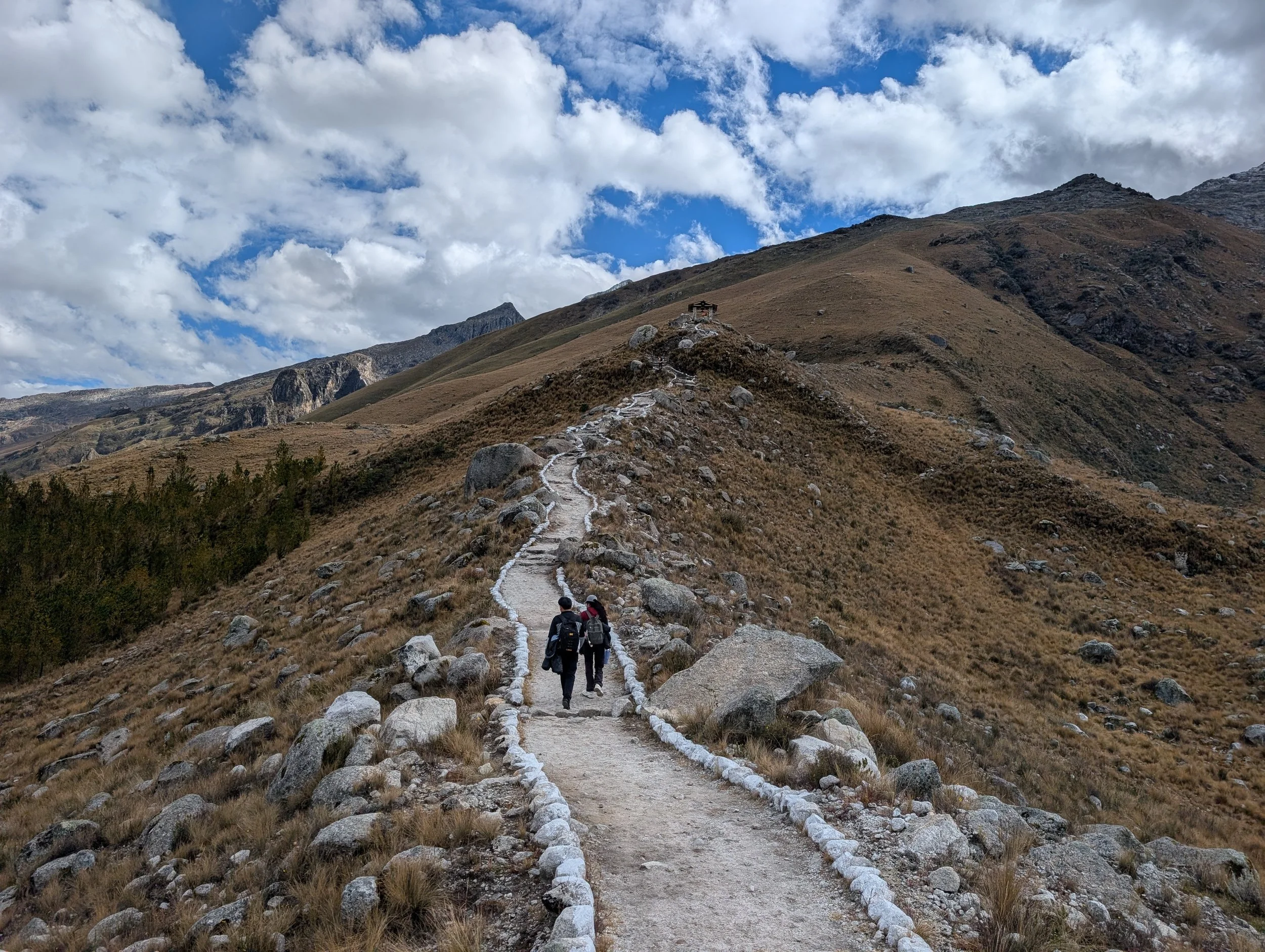
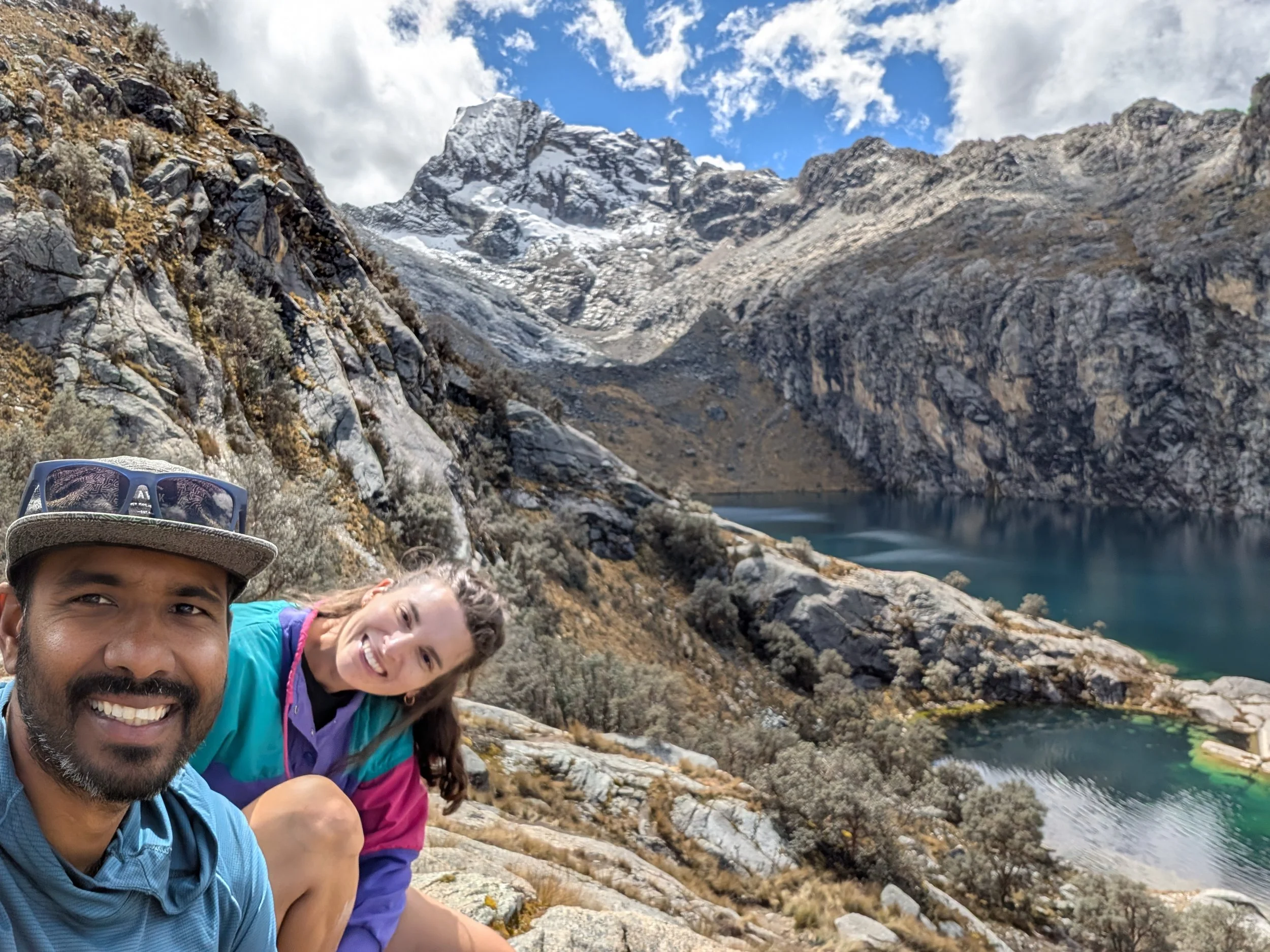
Santa Cruz Trek
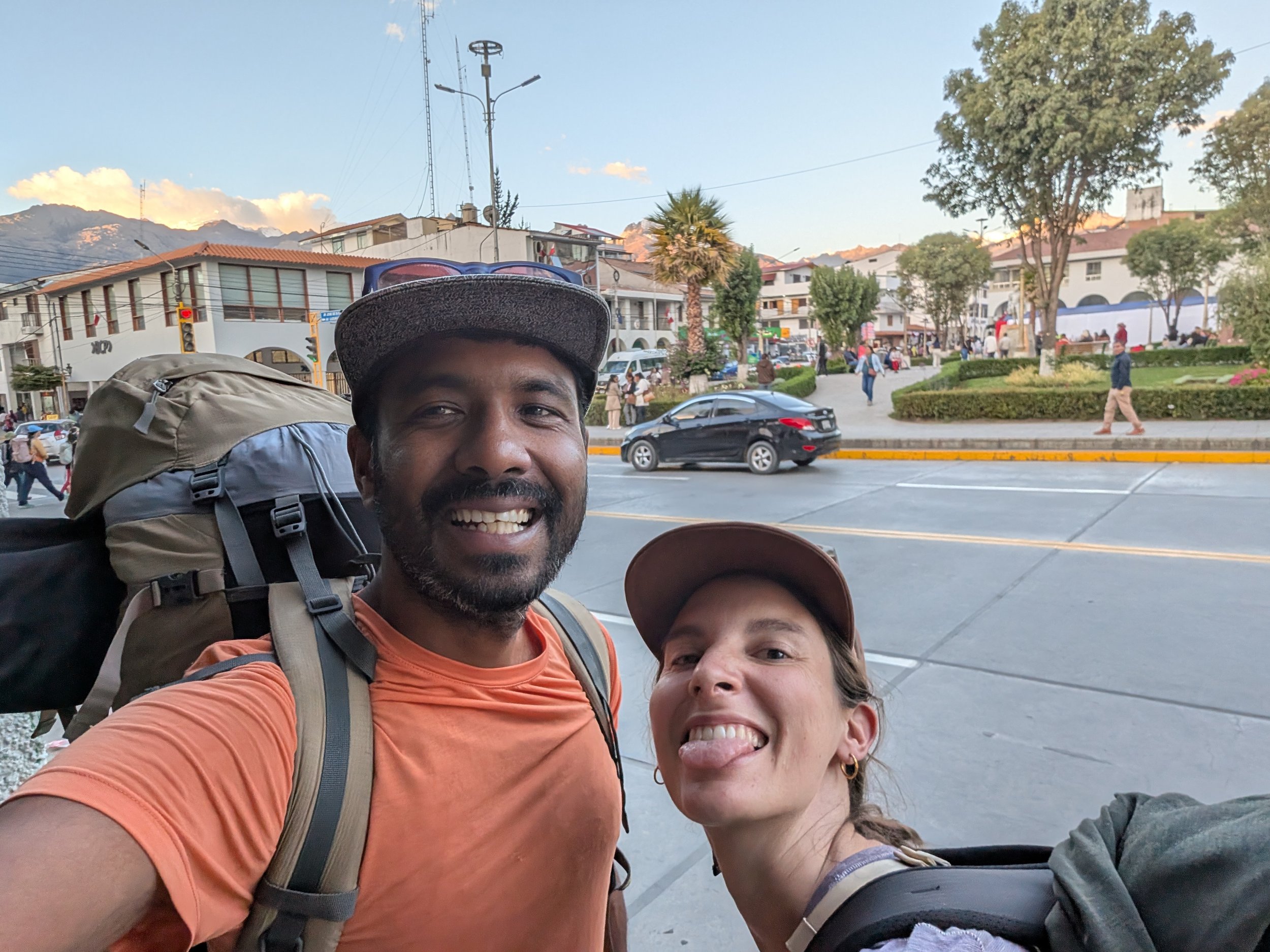
Cusco
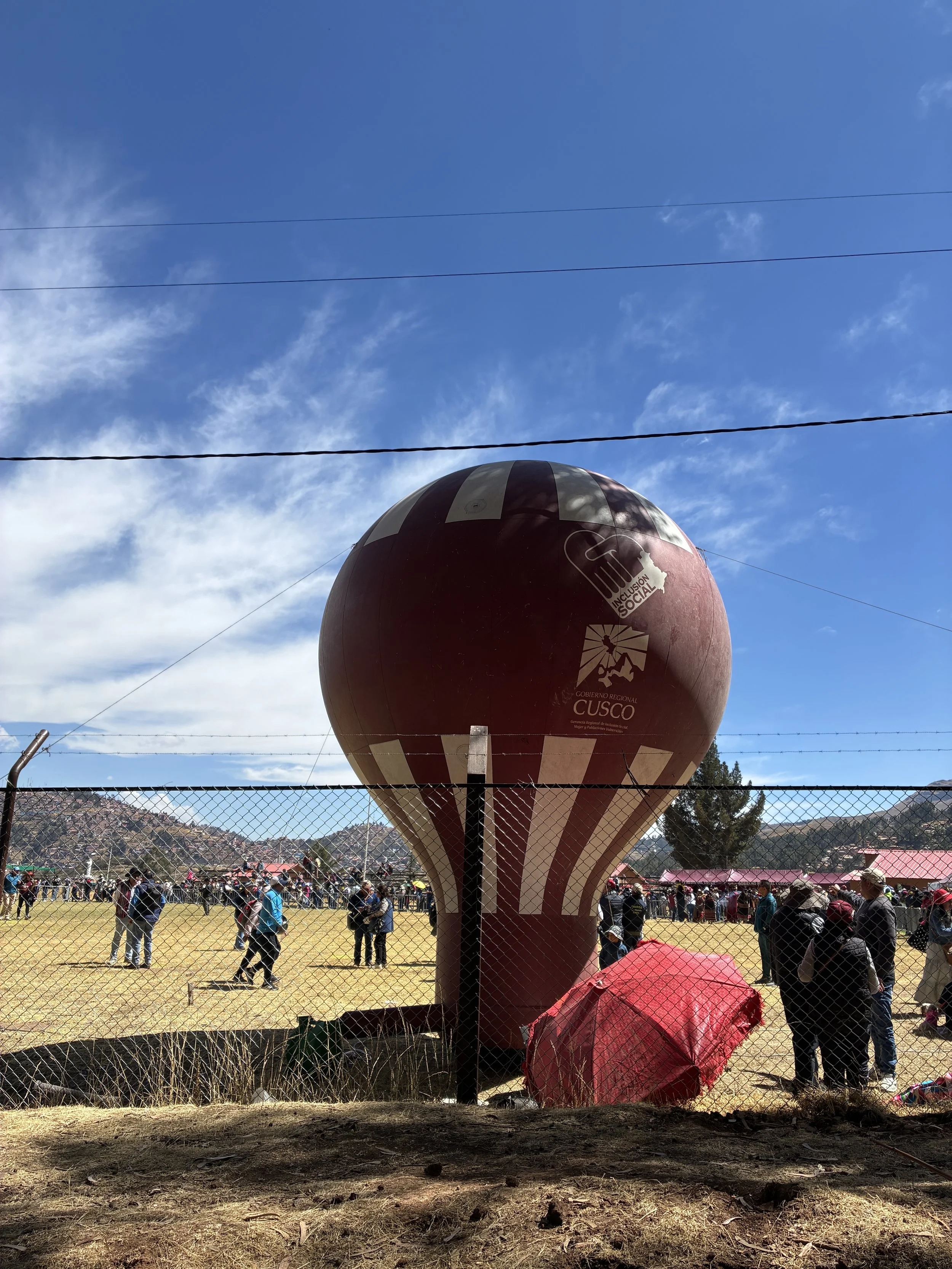
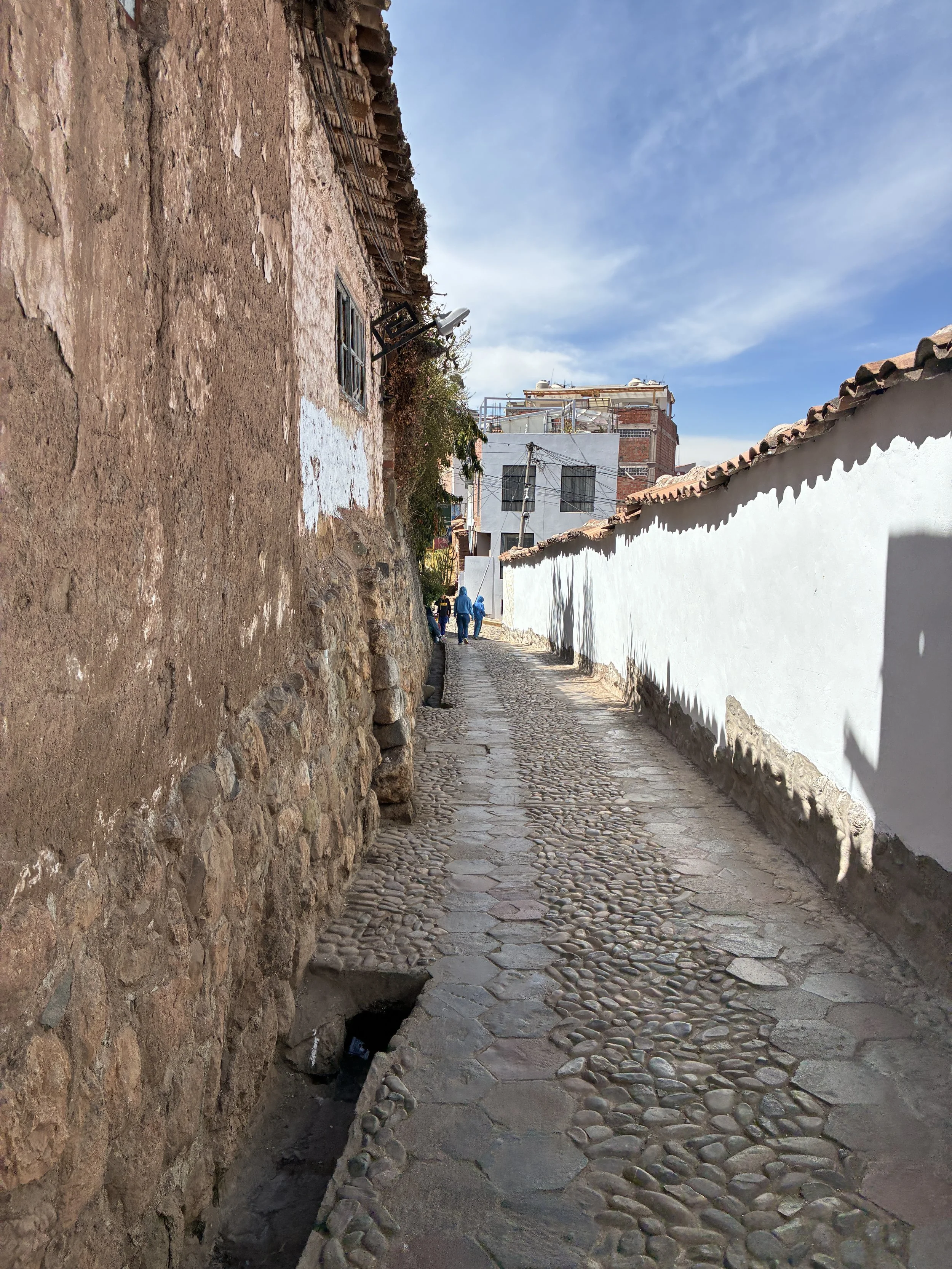
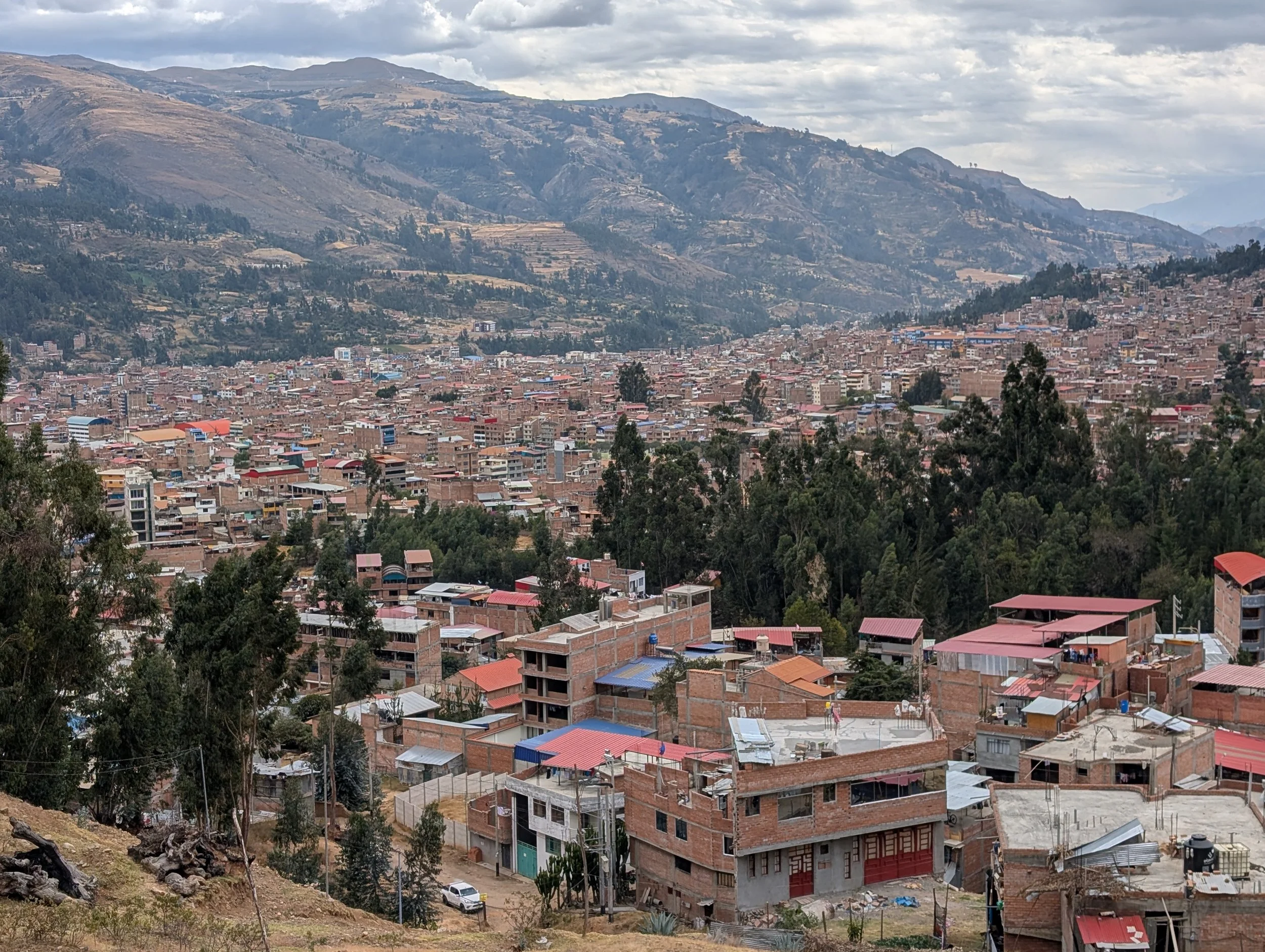
Choquequirao