August 18 - Sept 11
As shocking as it was to start, our trip is now coming to an end.
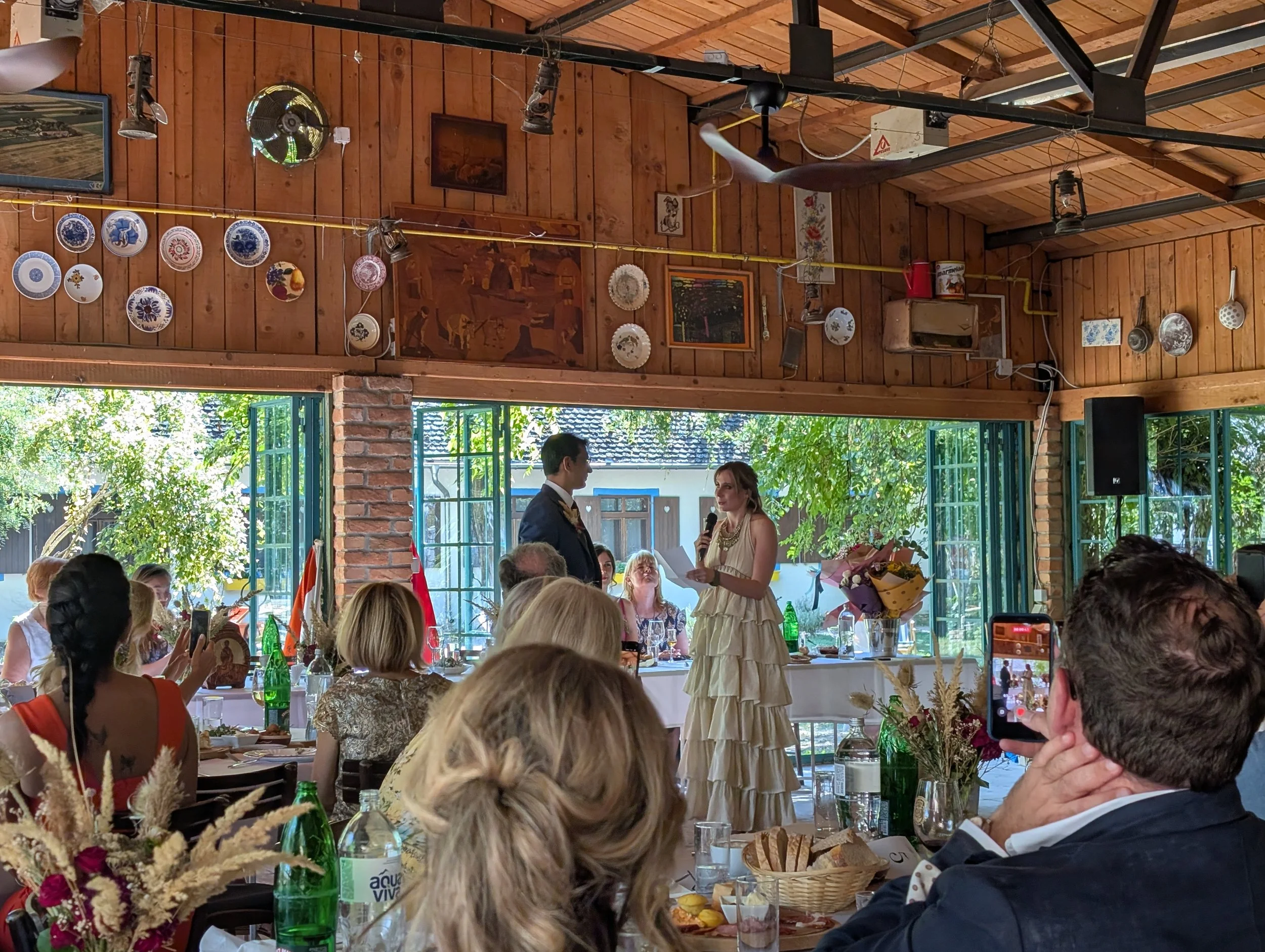
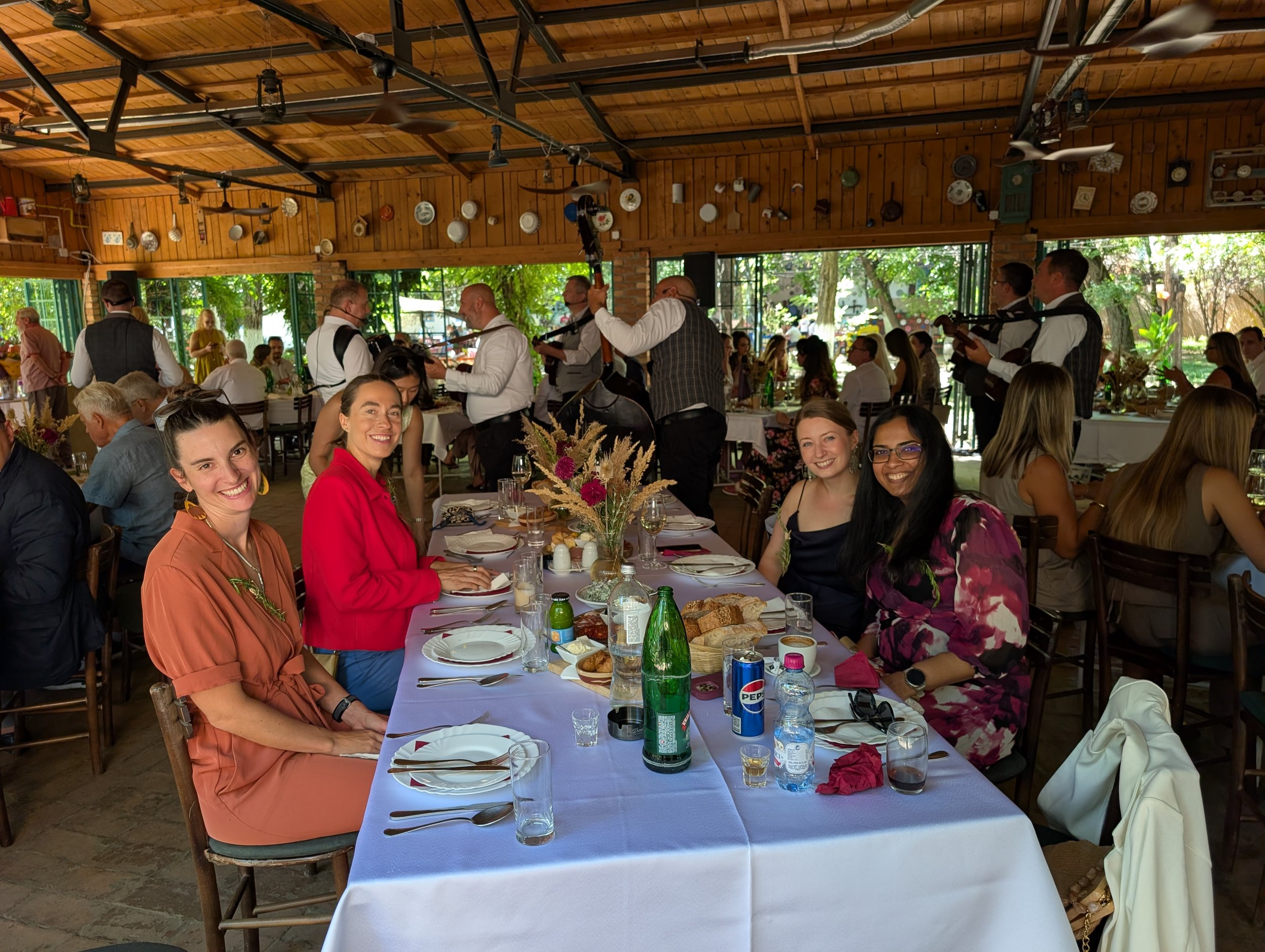
We had the privilege of celebrating with Caroline and Turner in February, and now, wrapping up our trip, we joined Ayrun and Sasha for their Serbian wedding. Rocky went to school with Arun, and Sasha has deep roots in Serbia, along with maybe 100 relatives. Traditional music and dance were a really special part of this event; it was so lovely to join them.
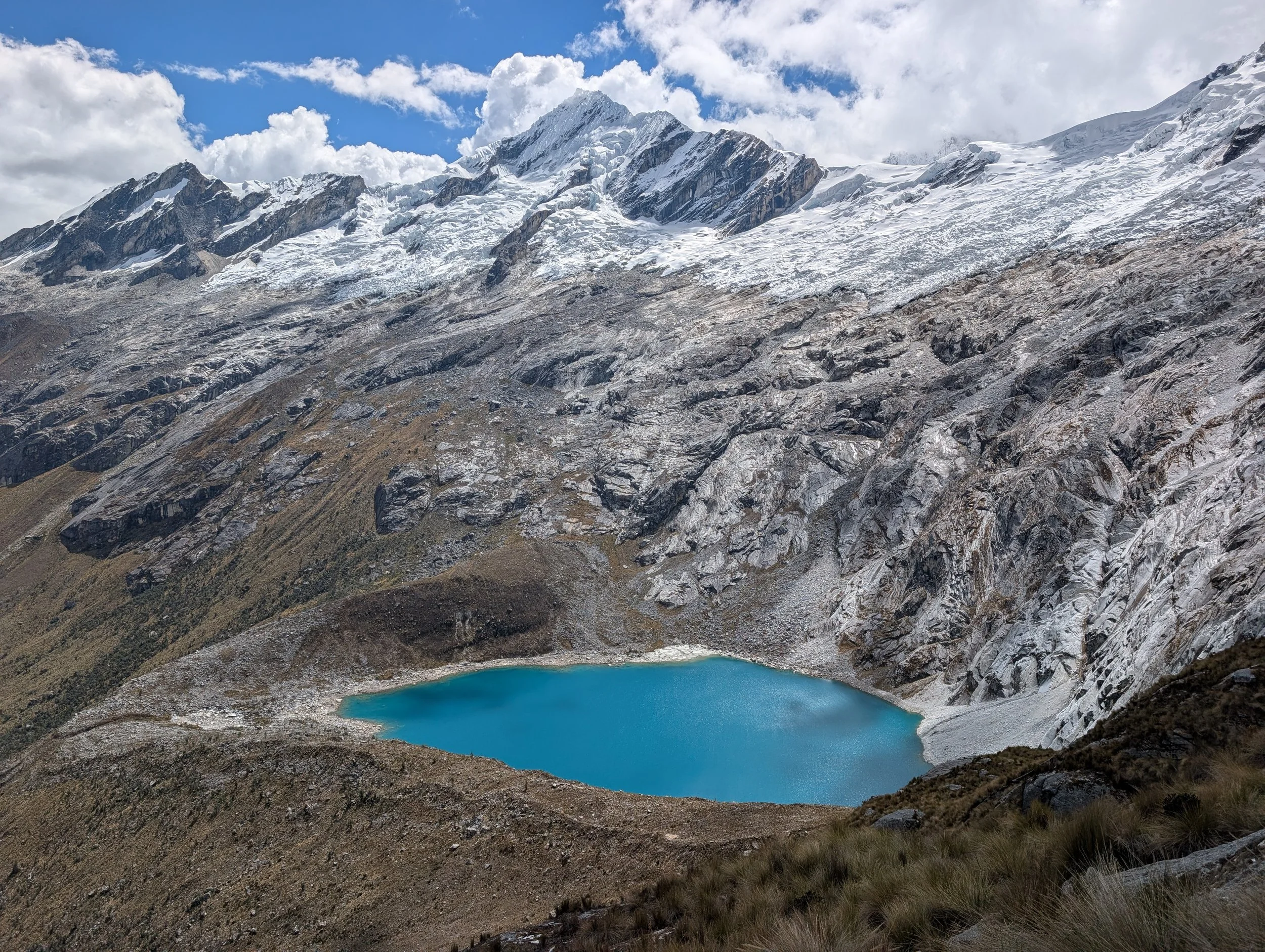
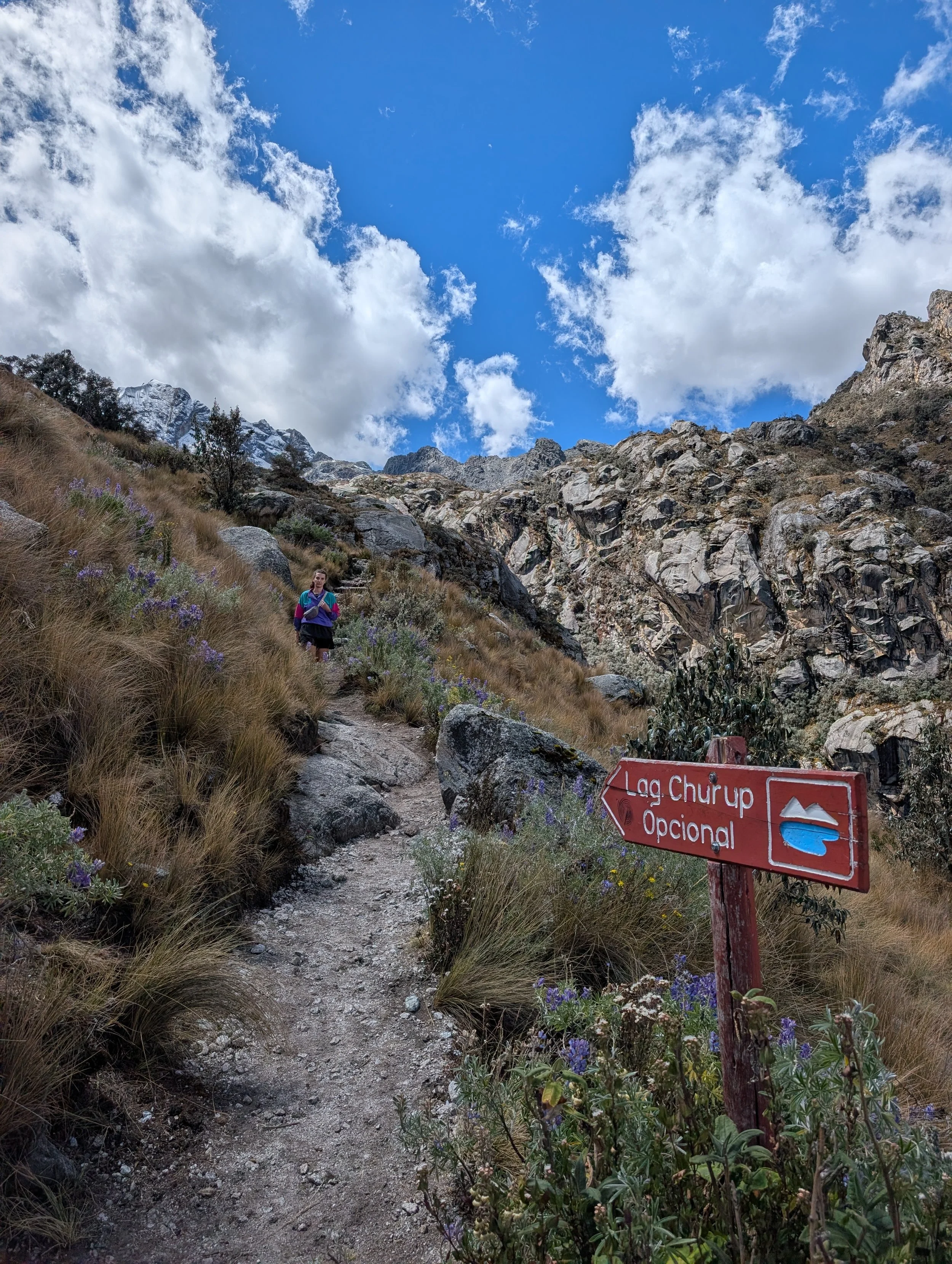
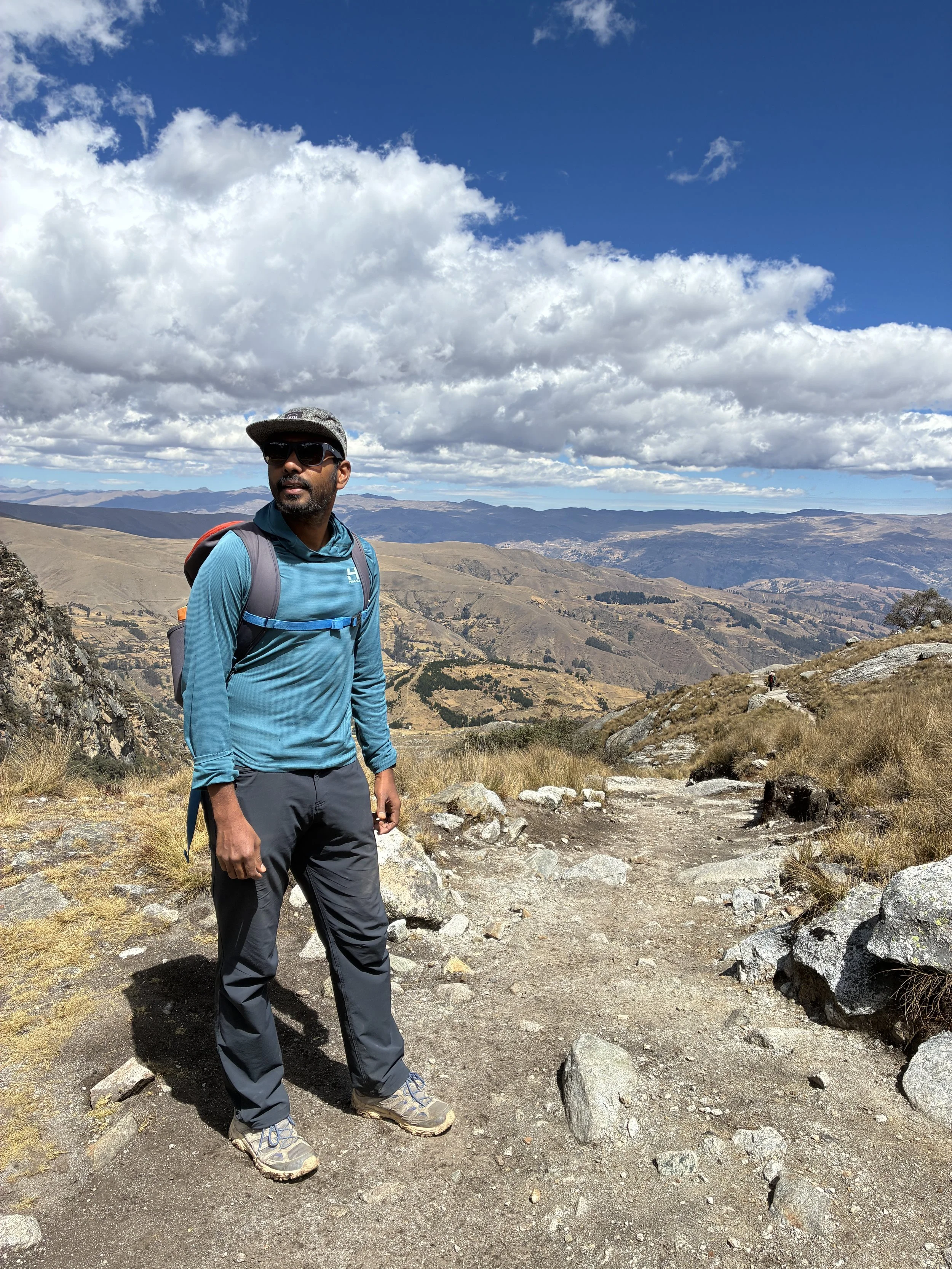
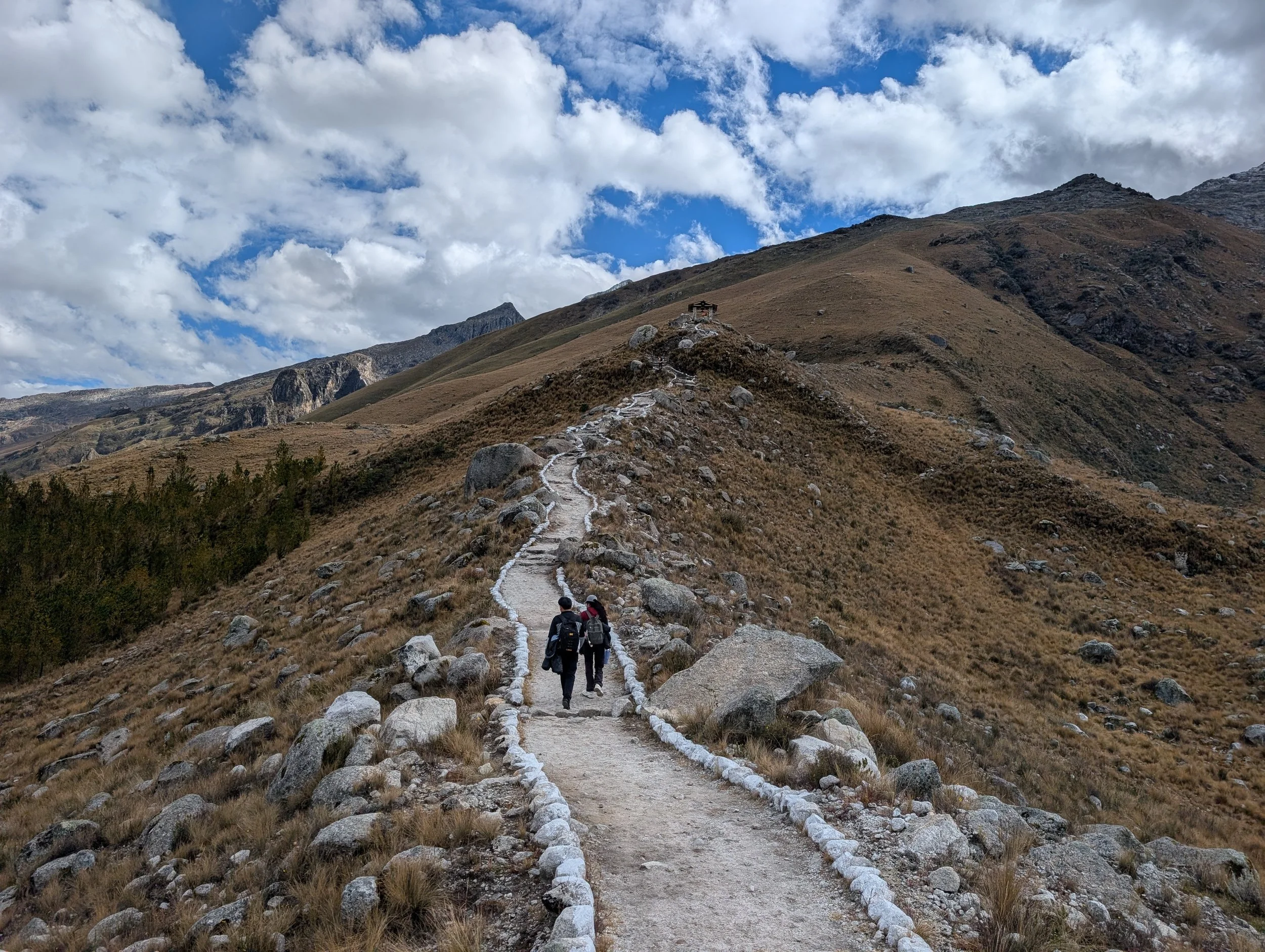
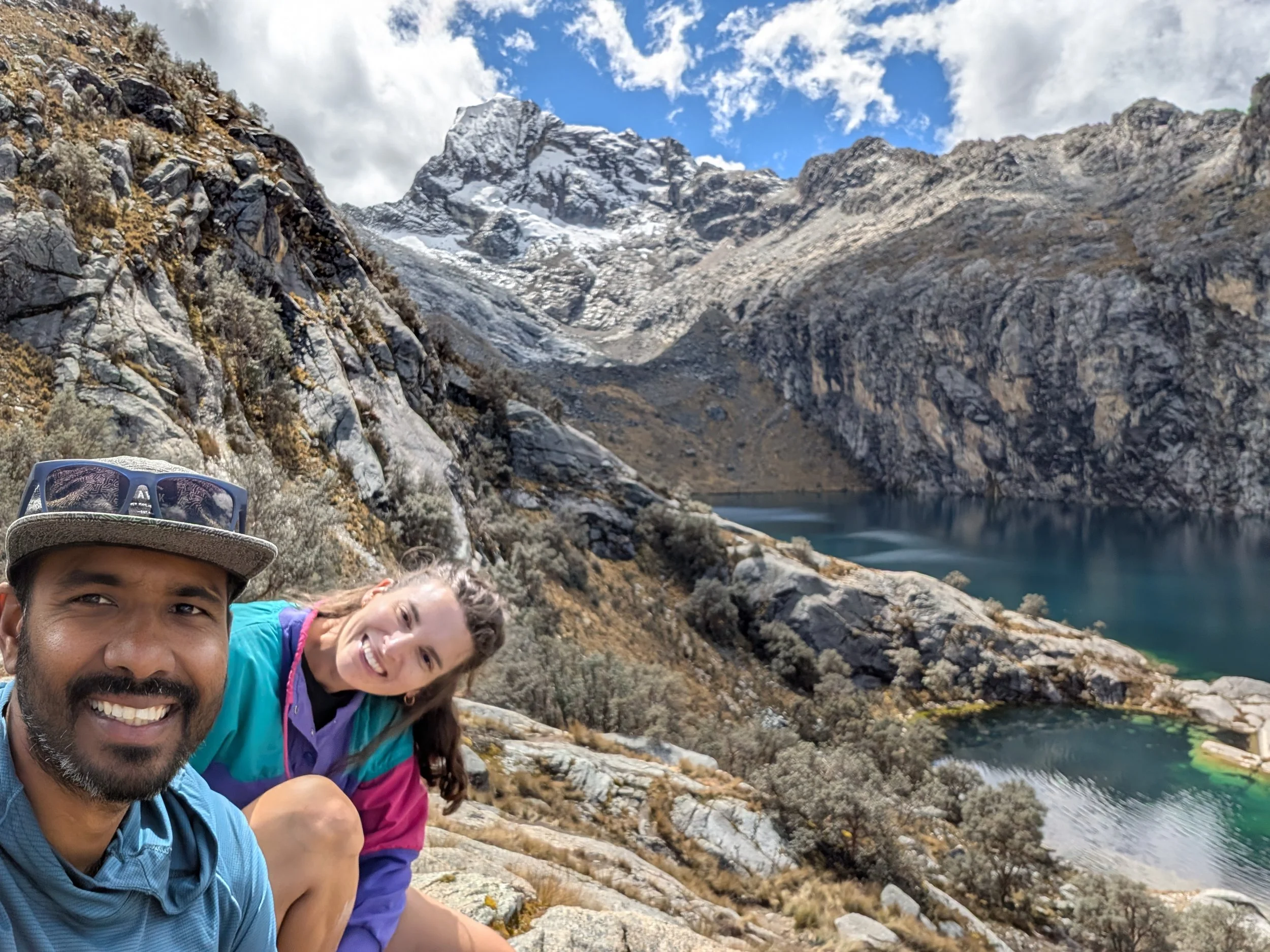
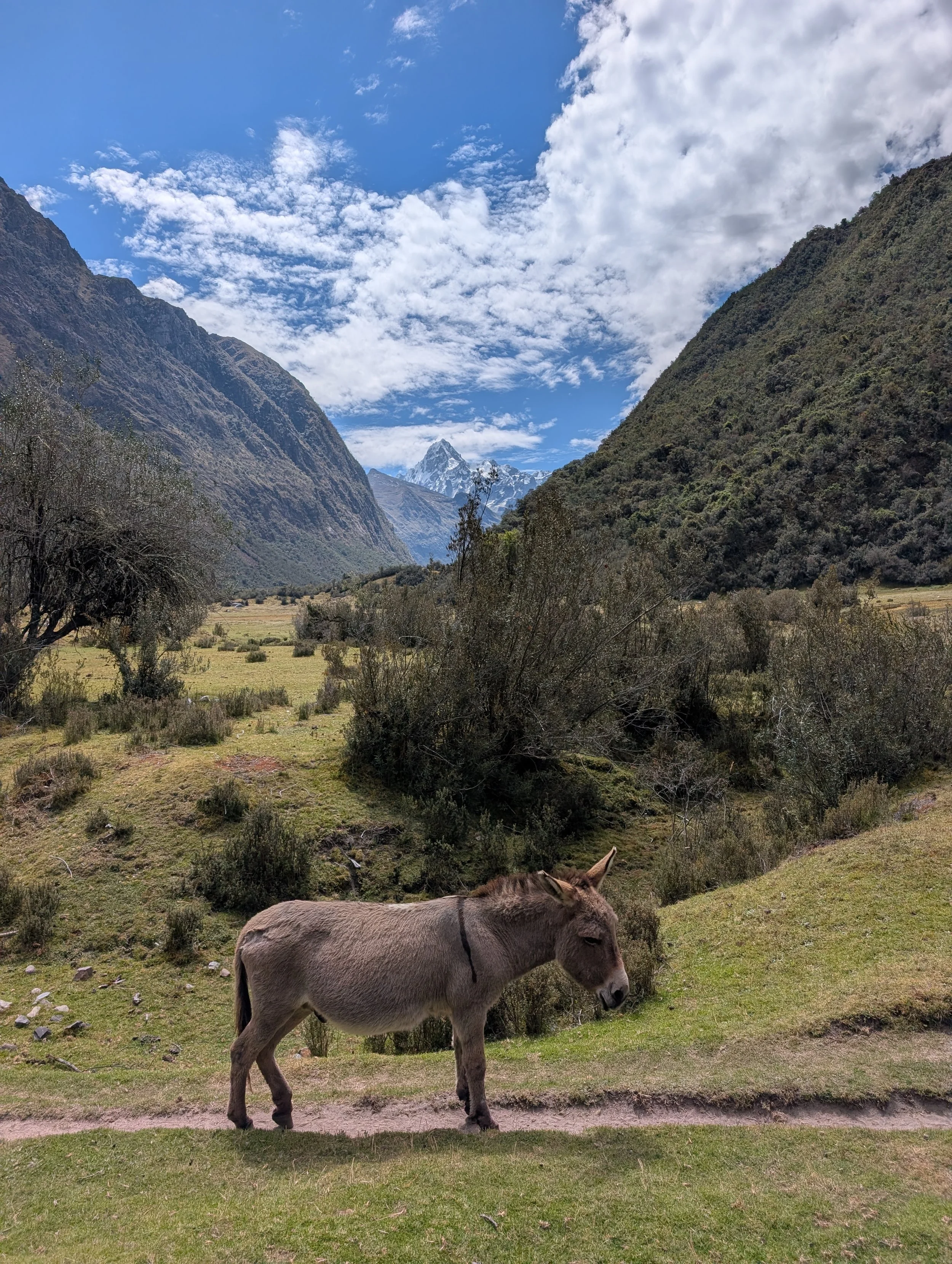
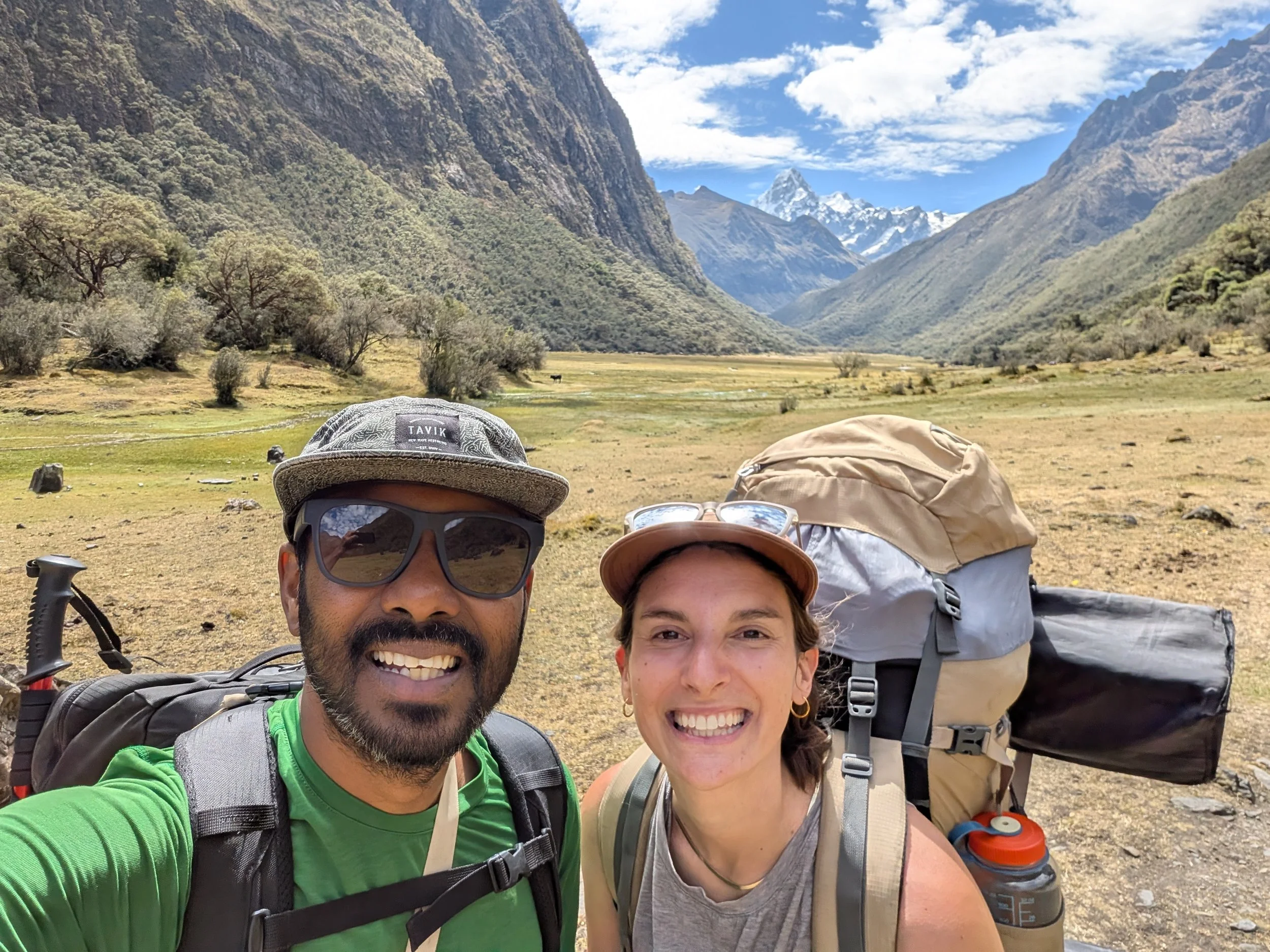
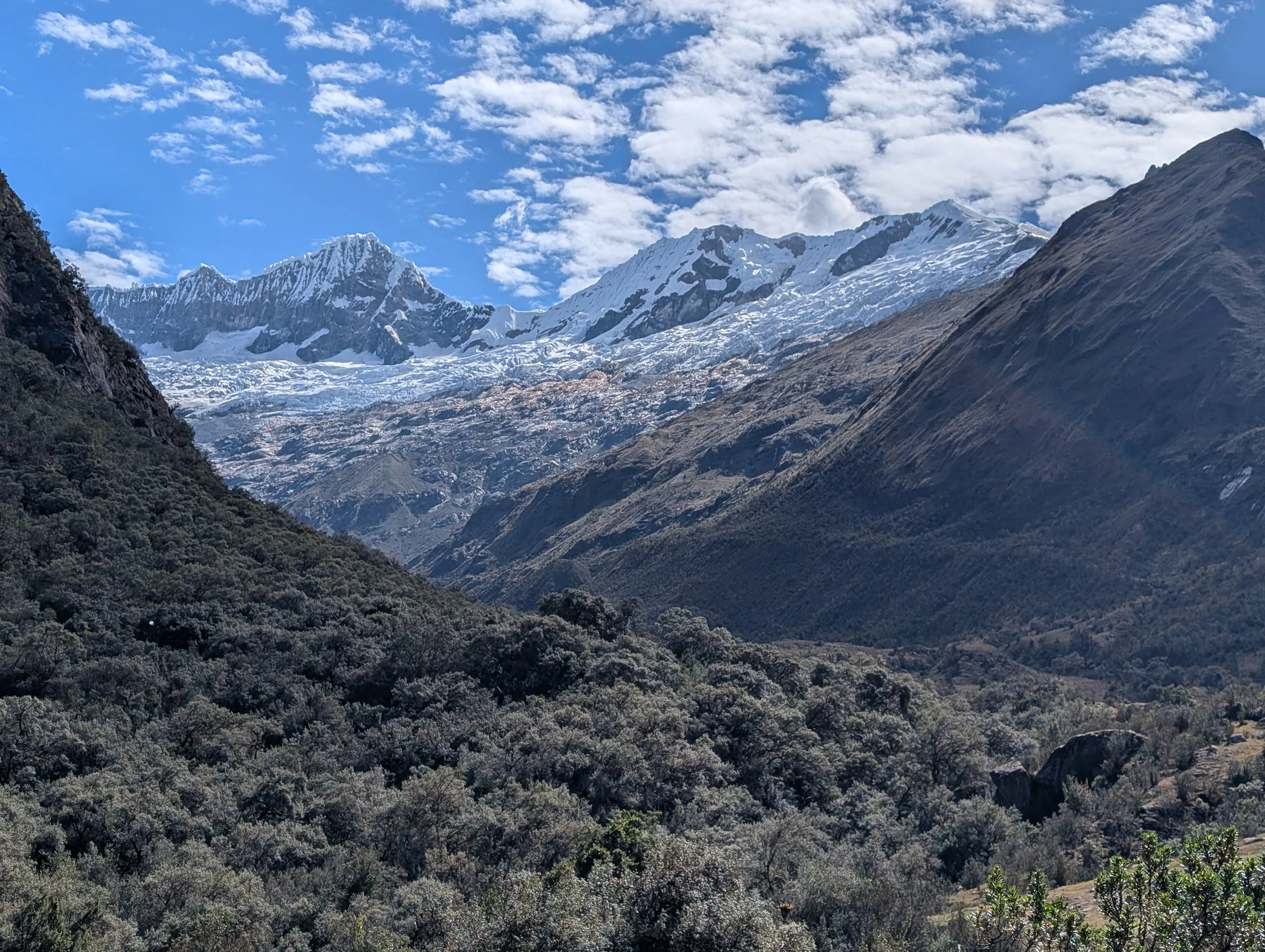
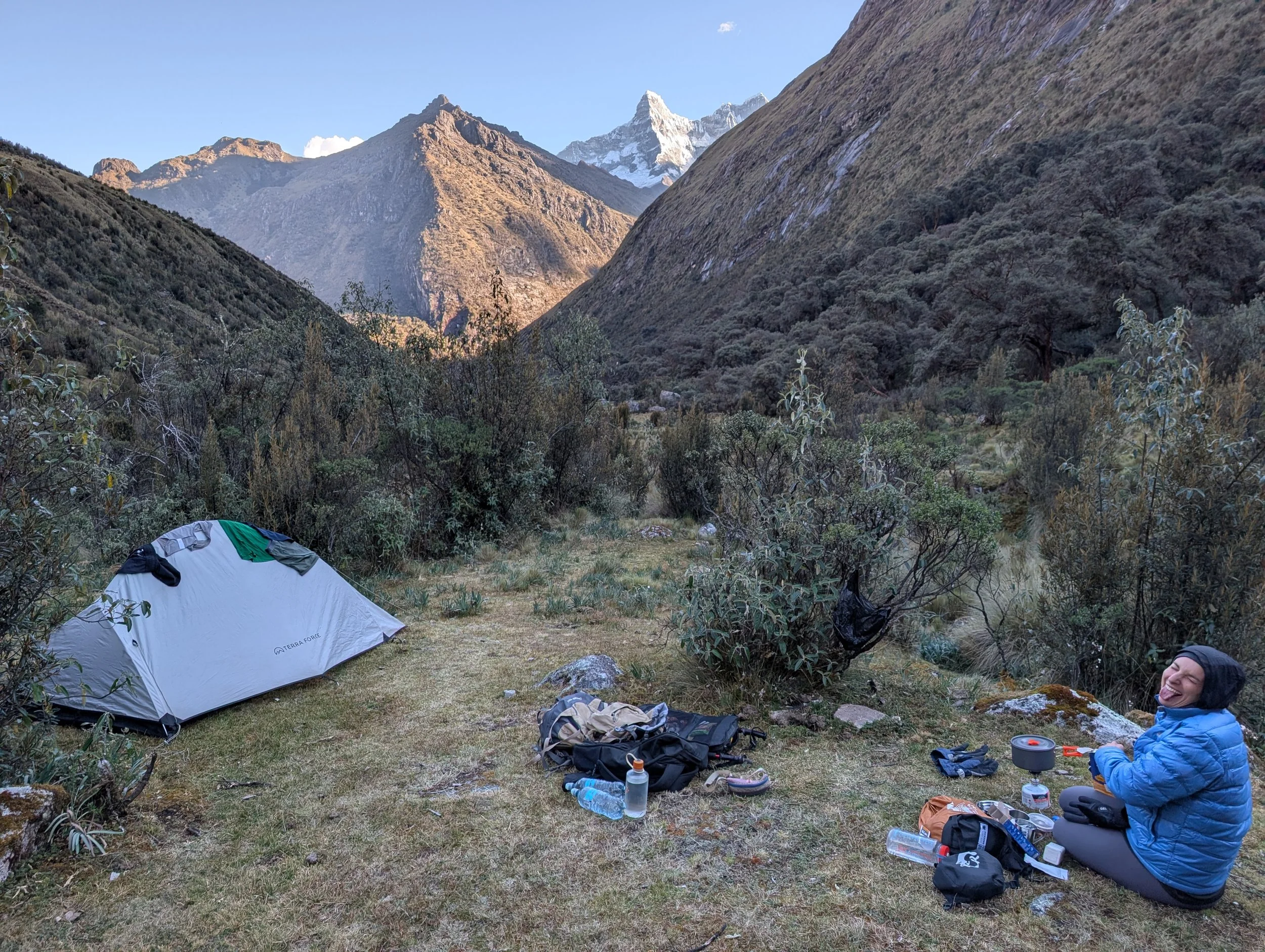
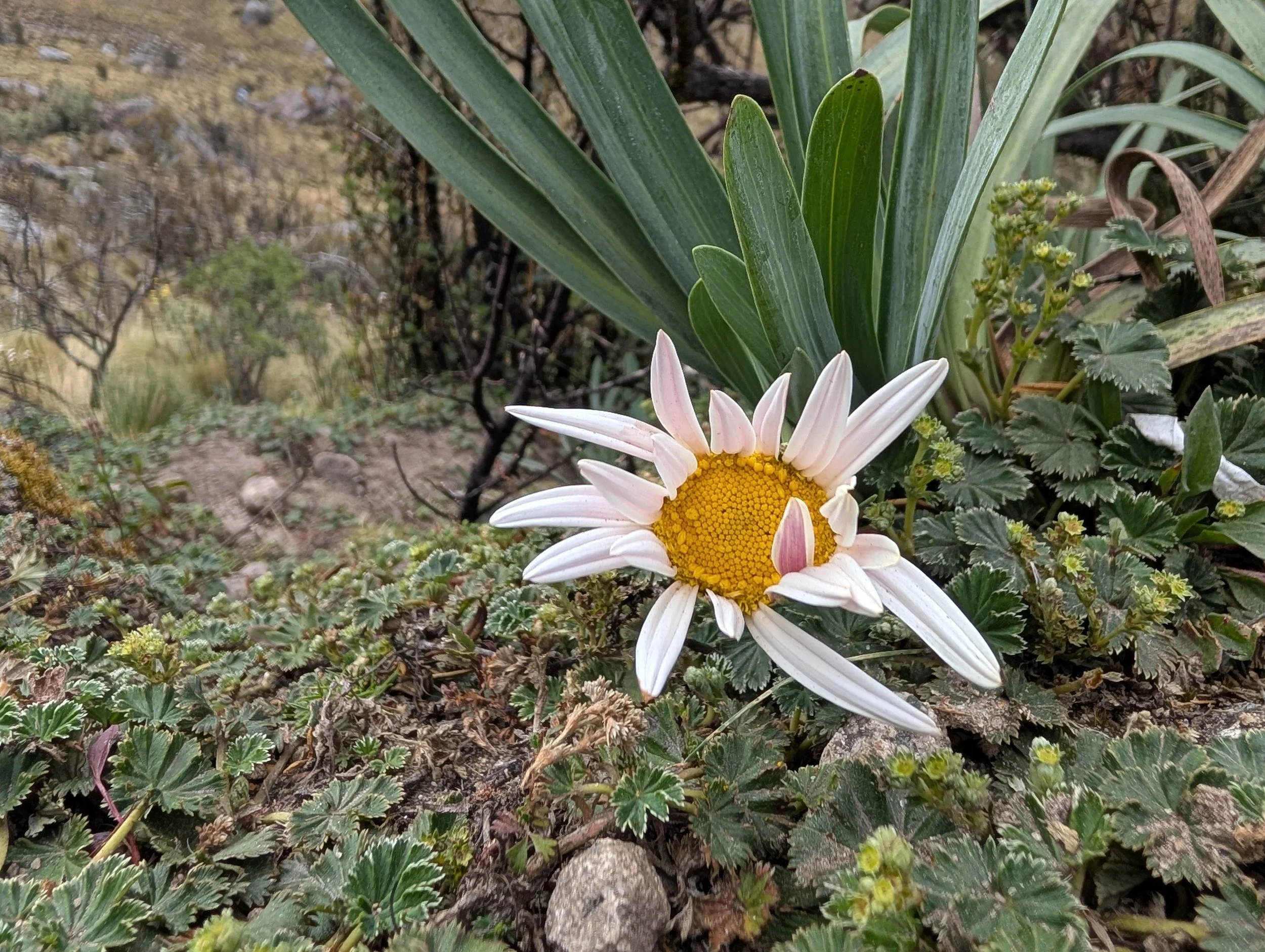
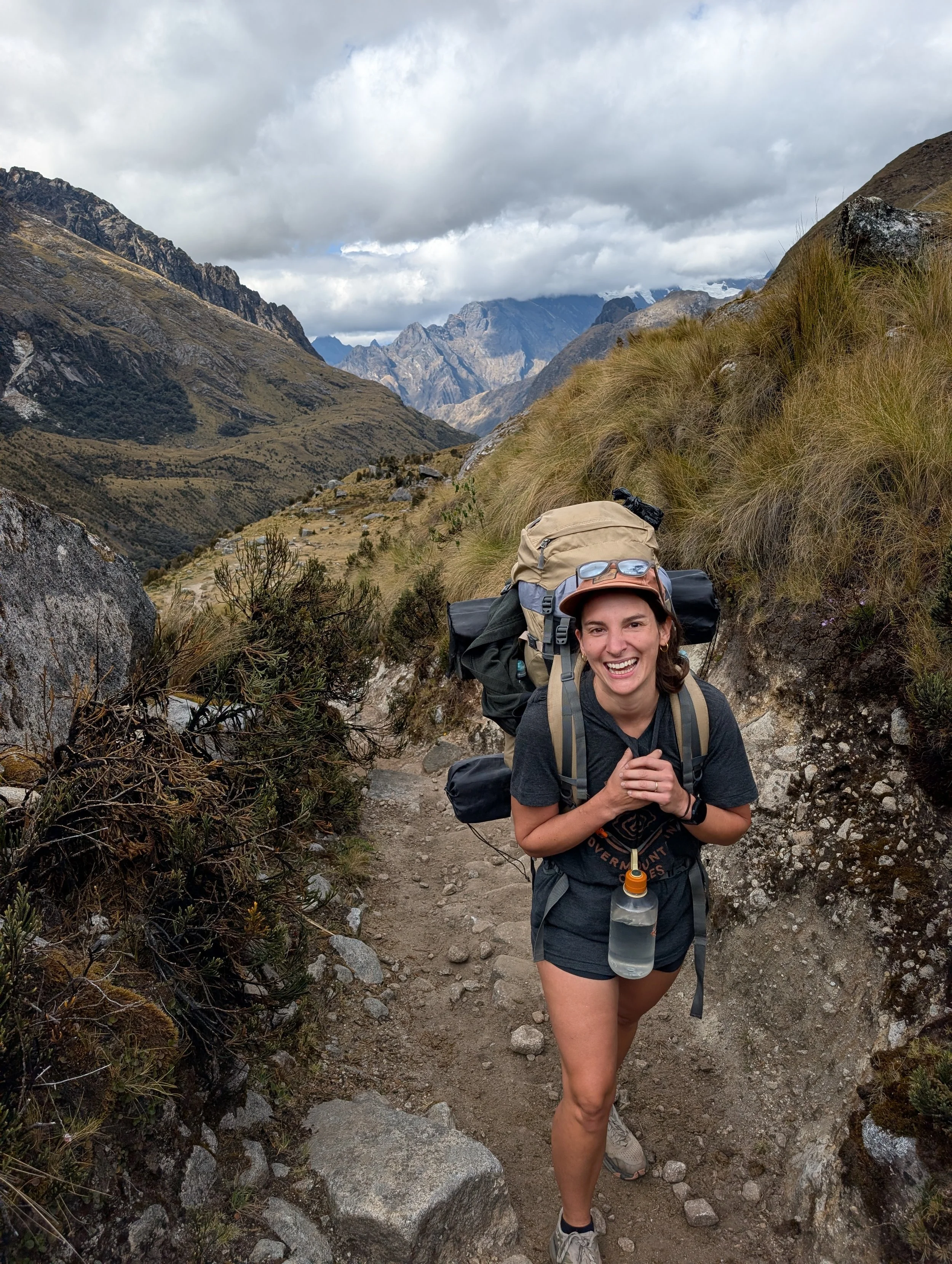
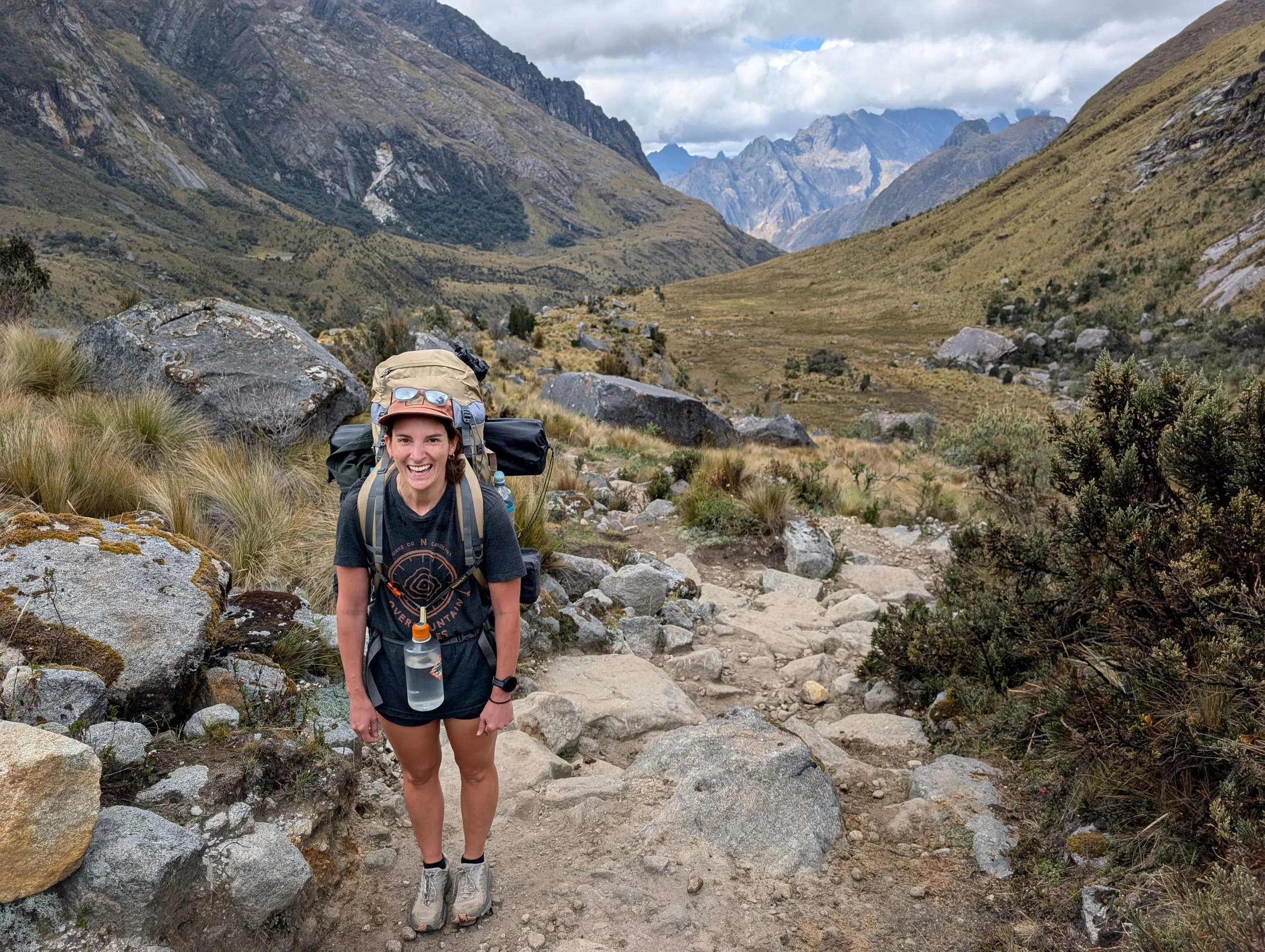
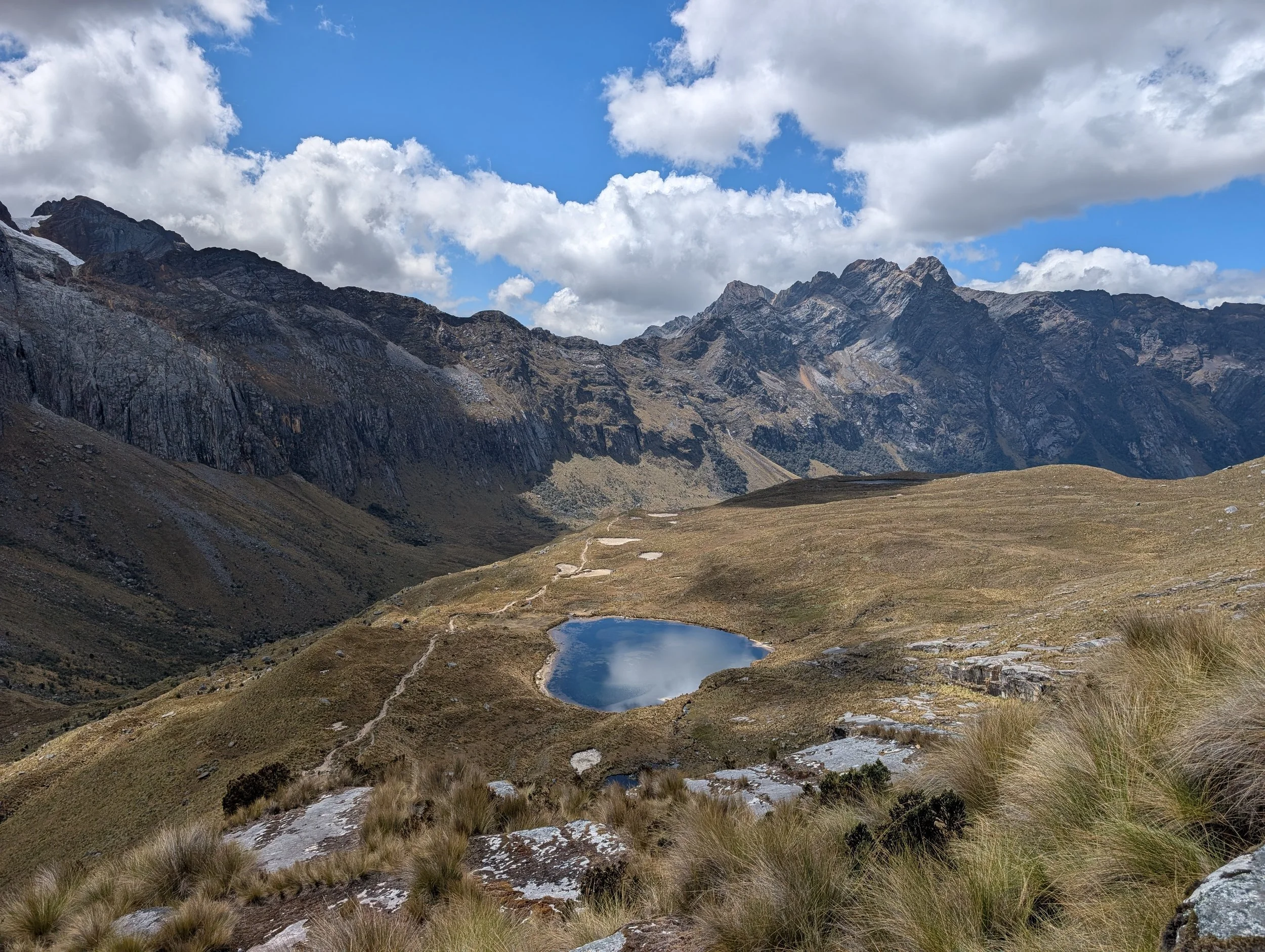
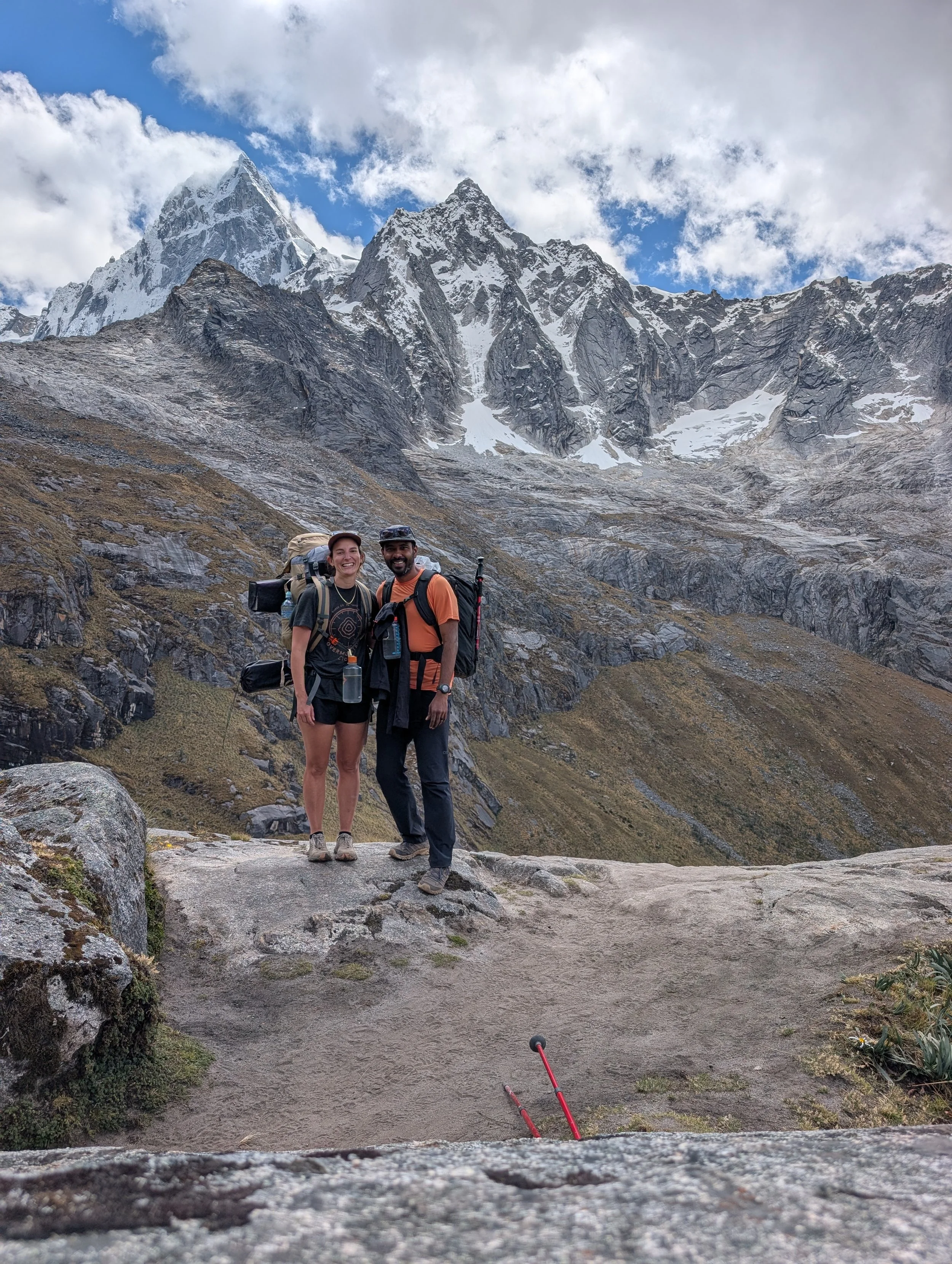
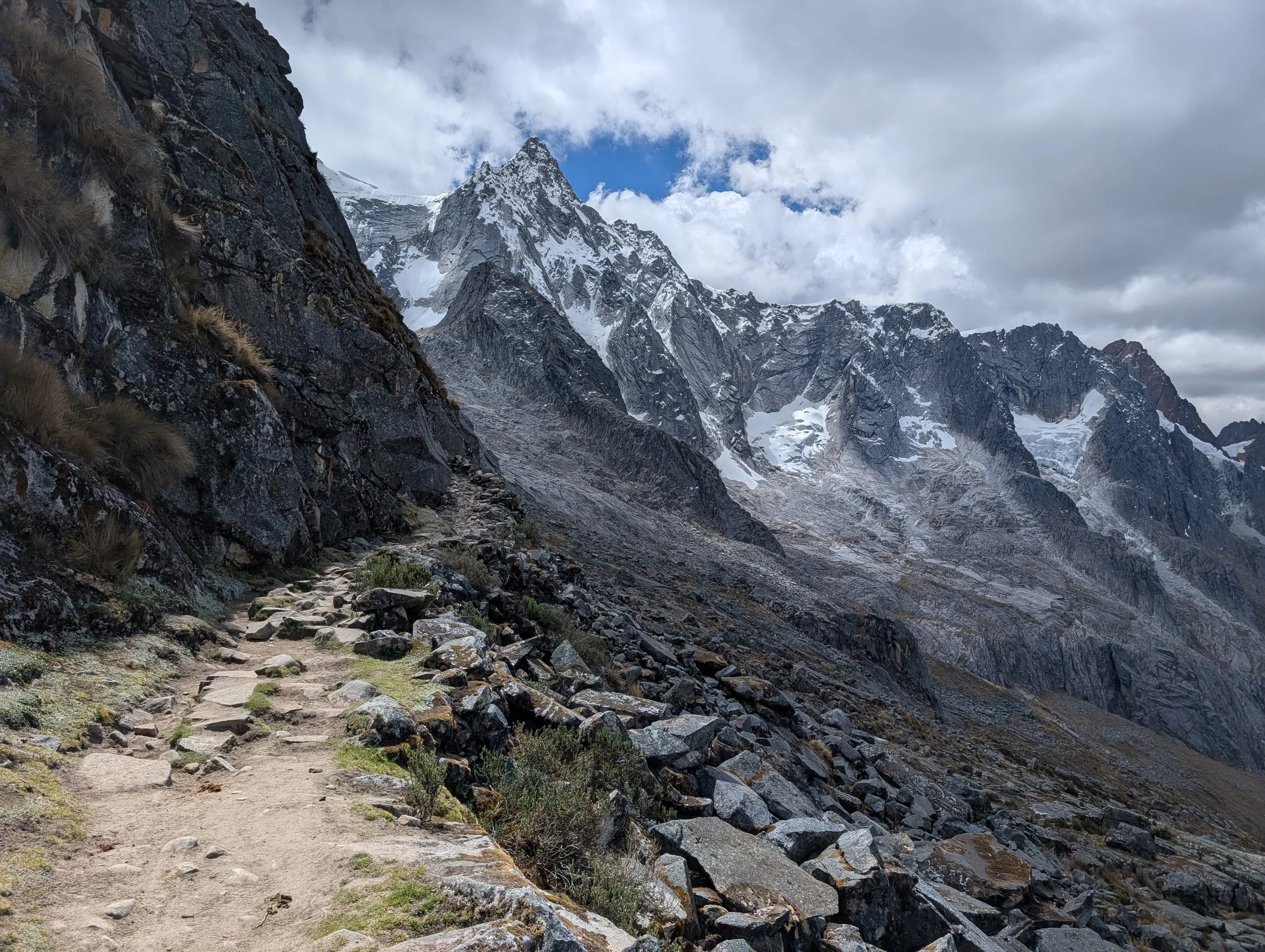
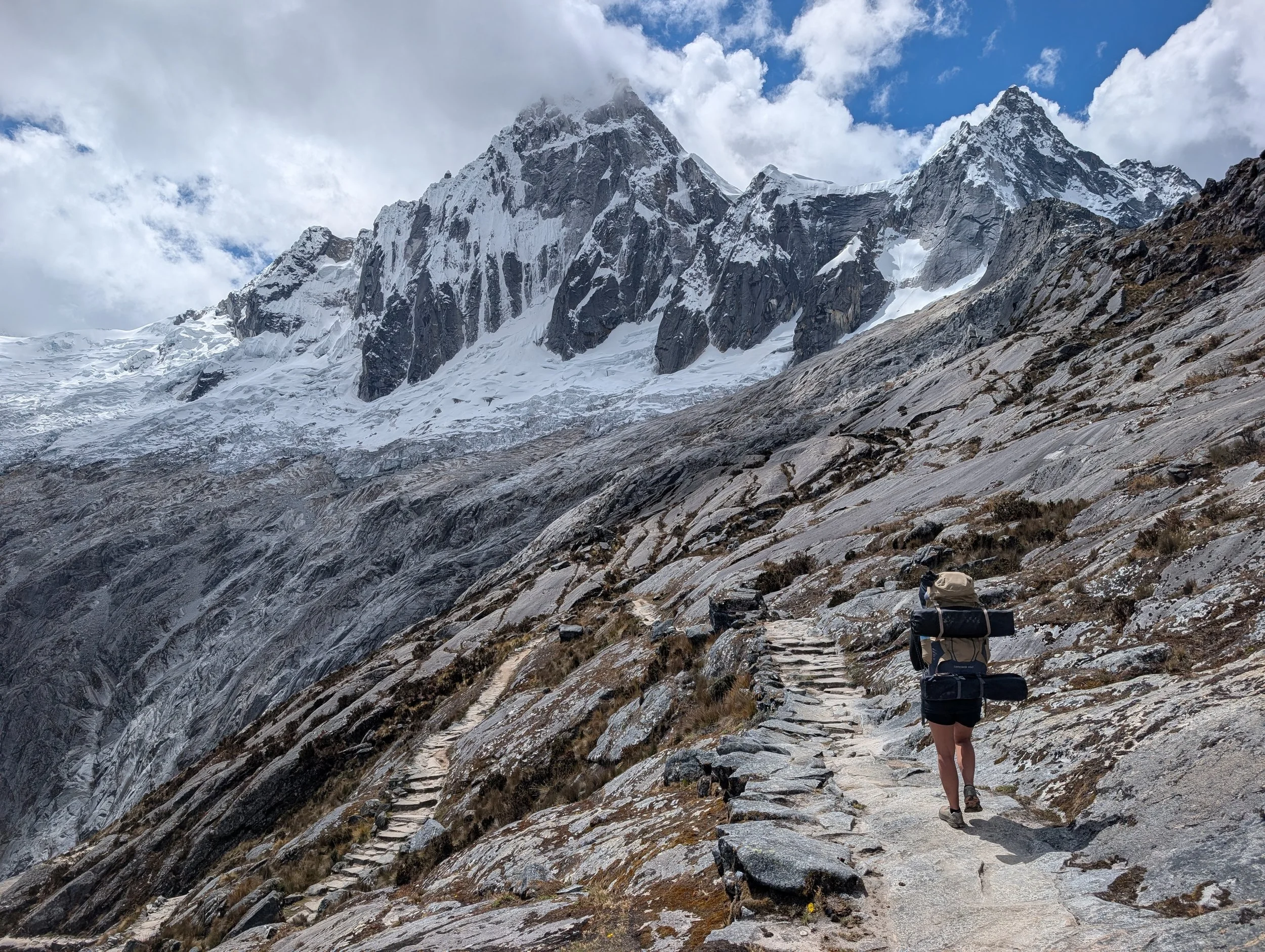
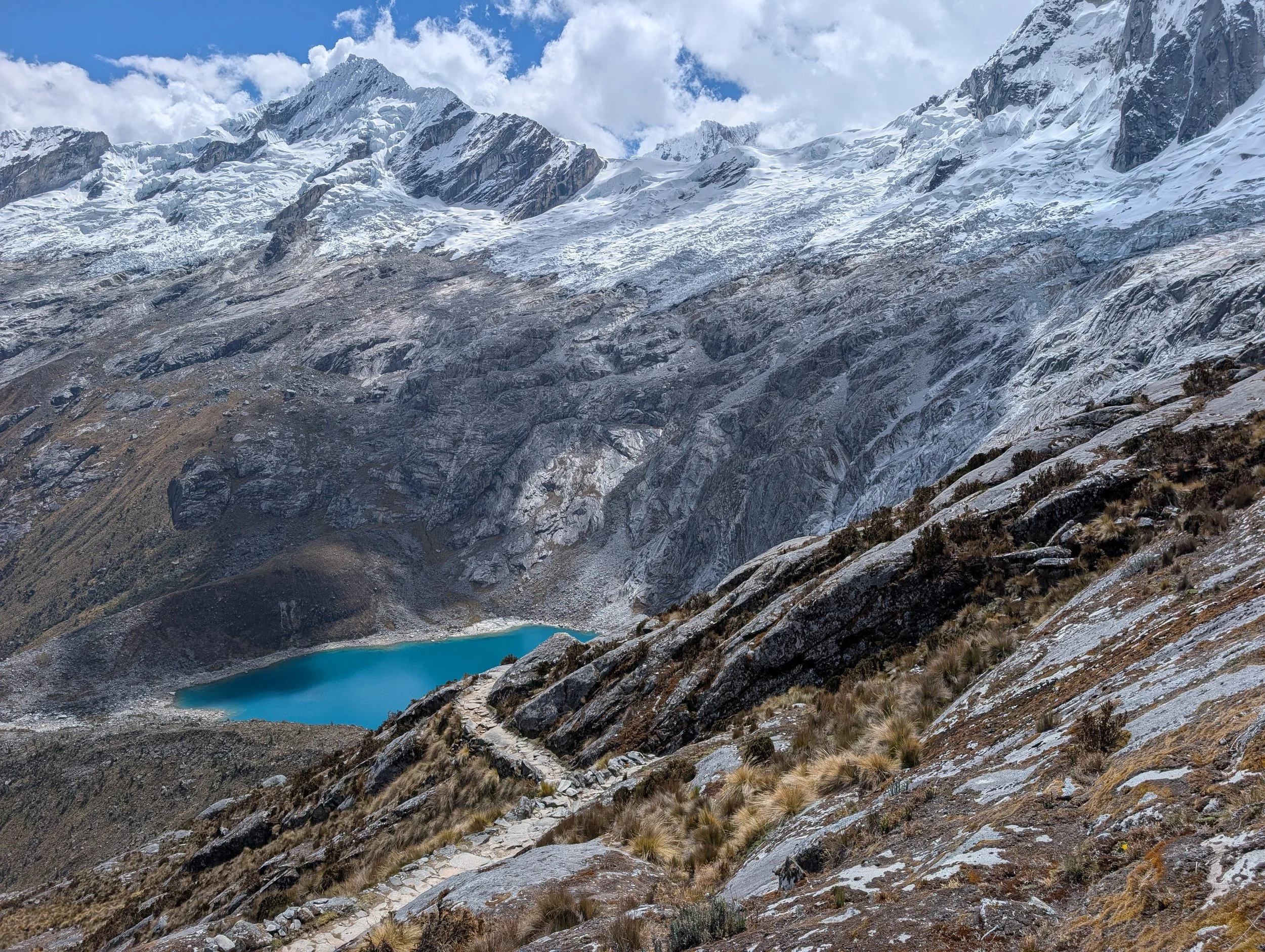
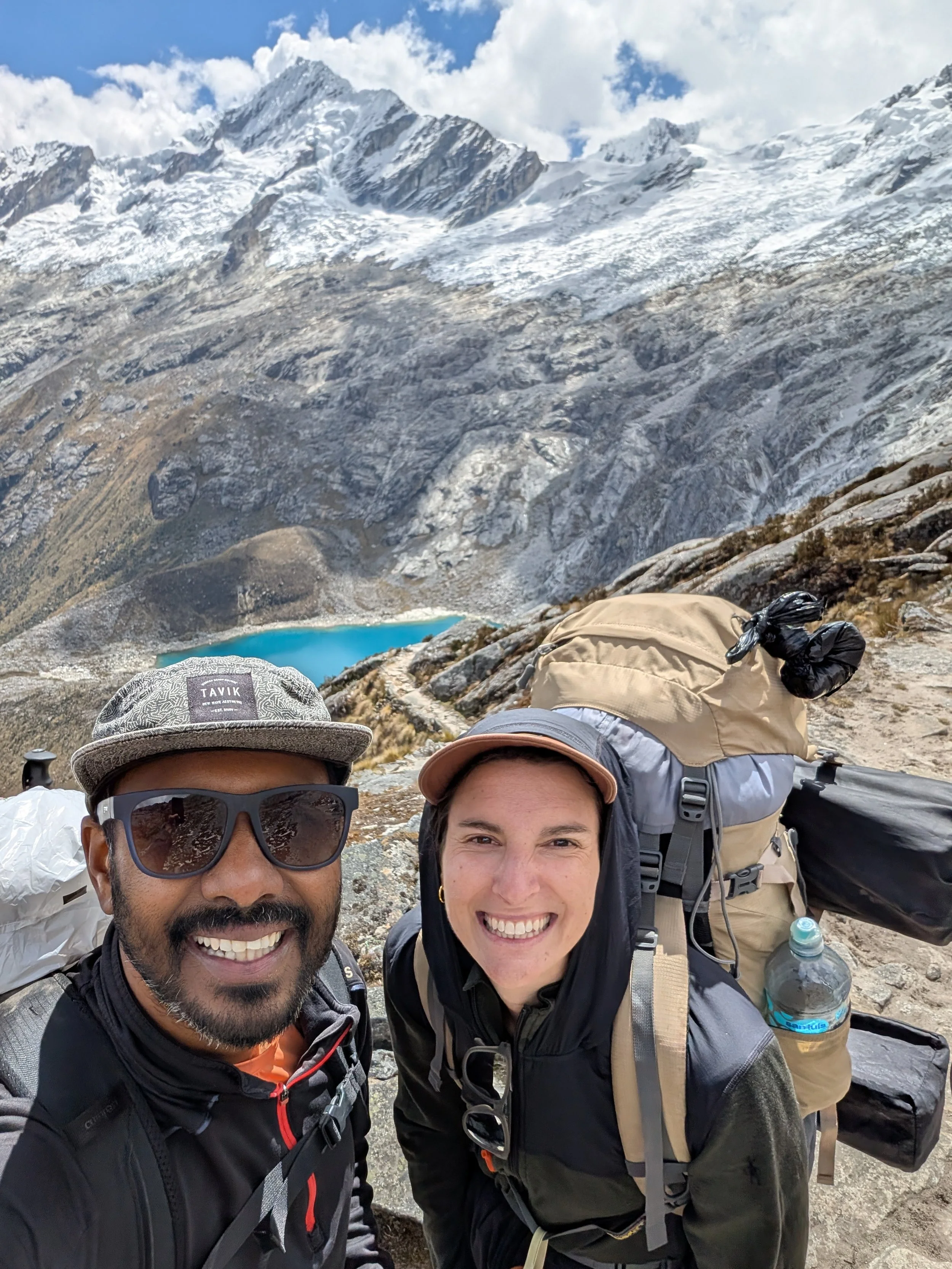
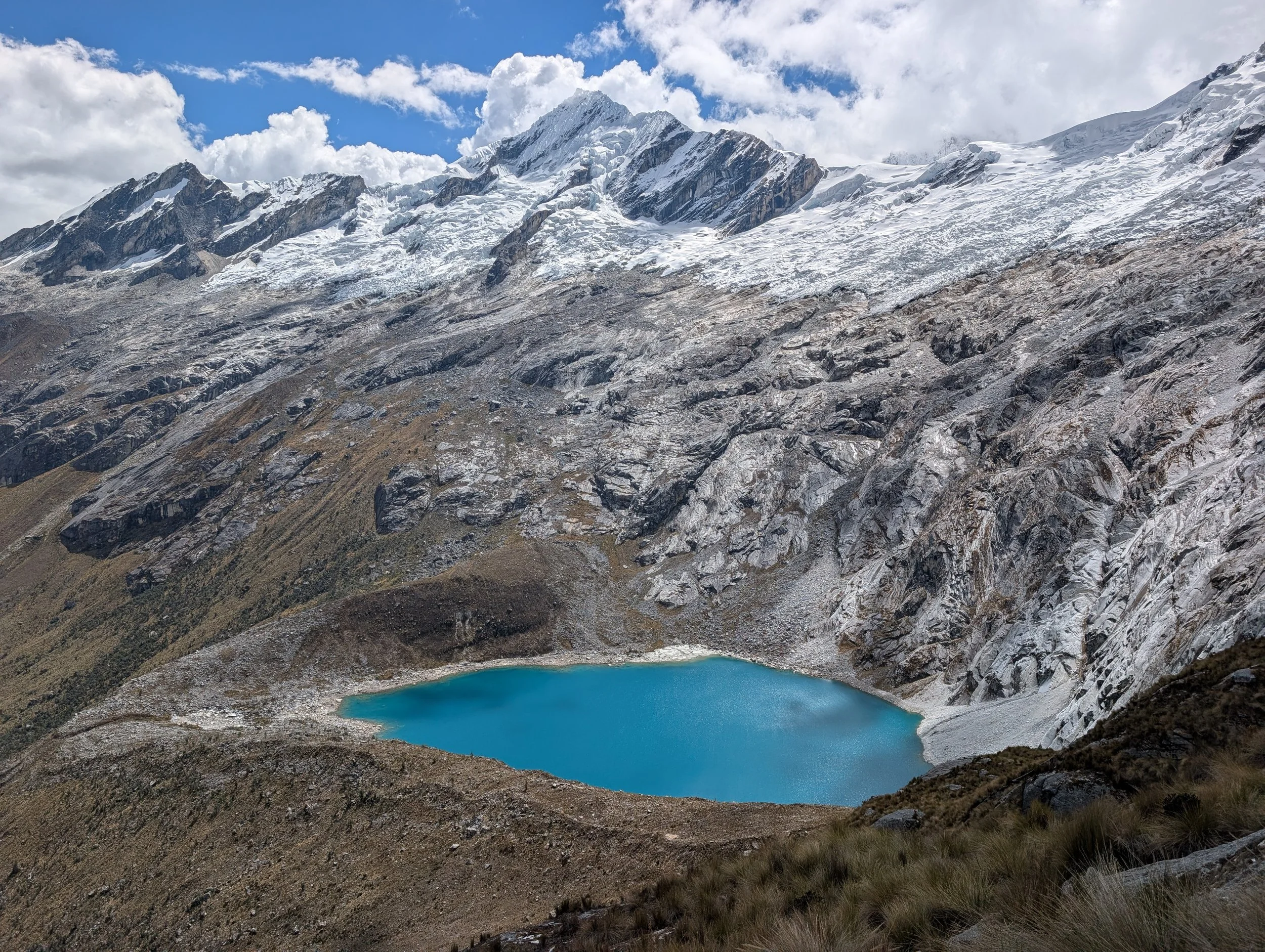
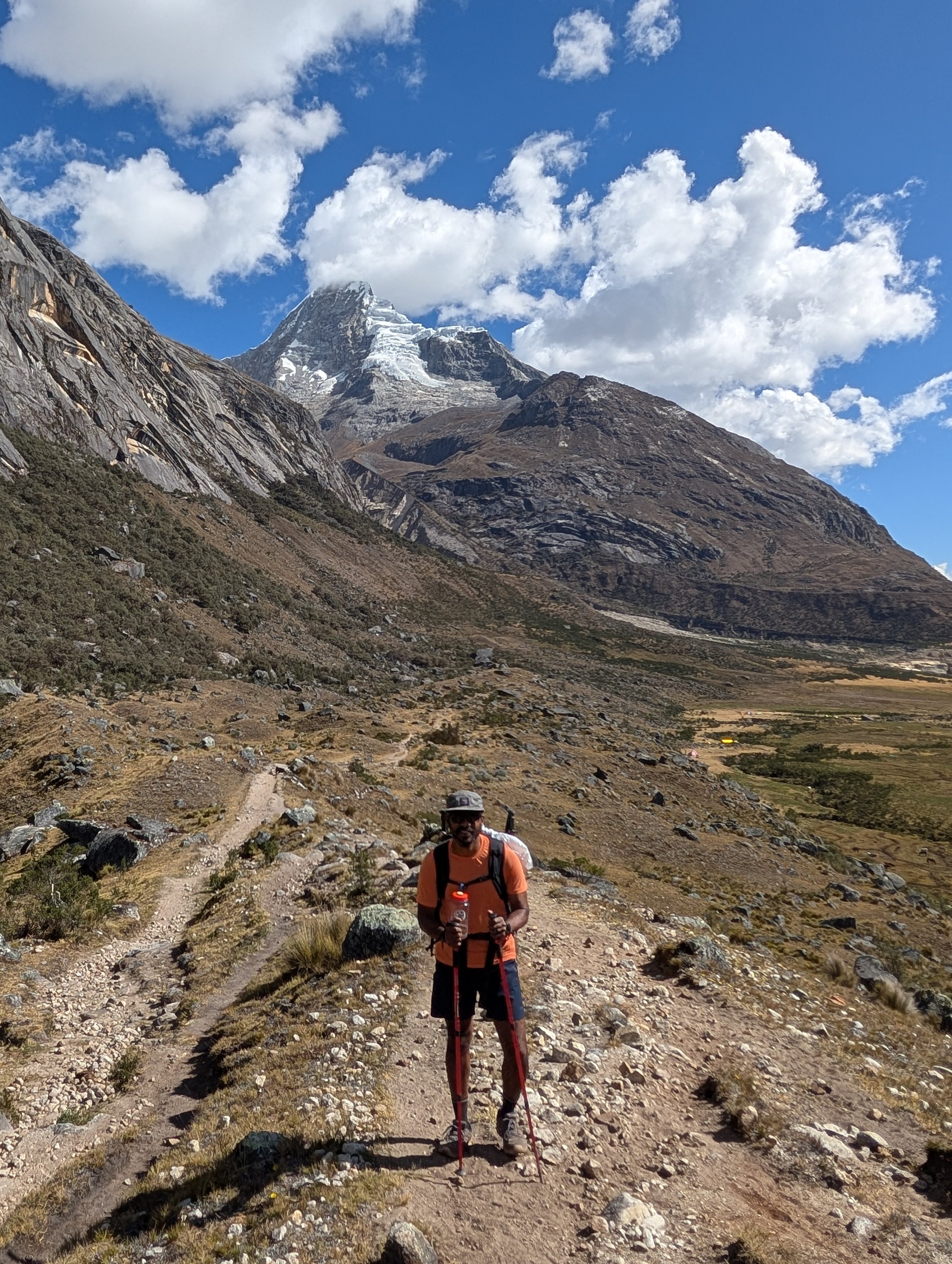
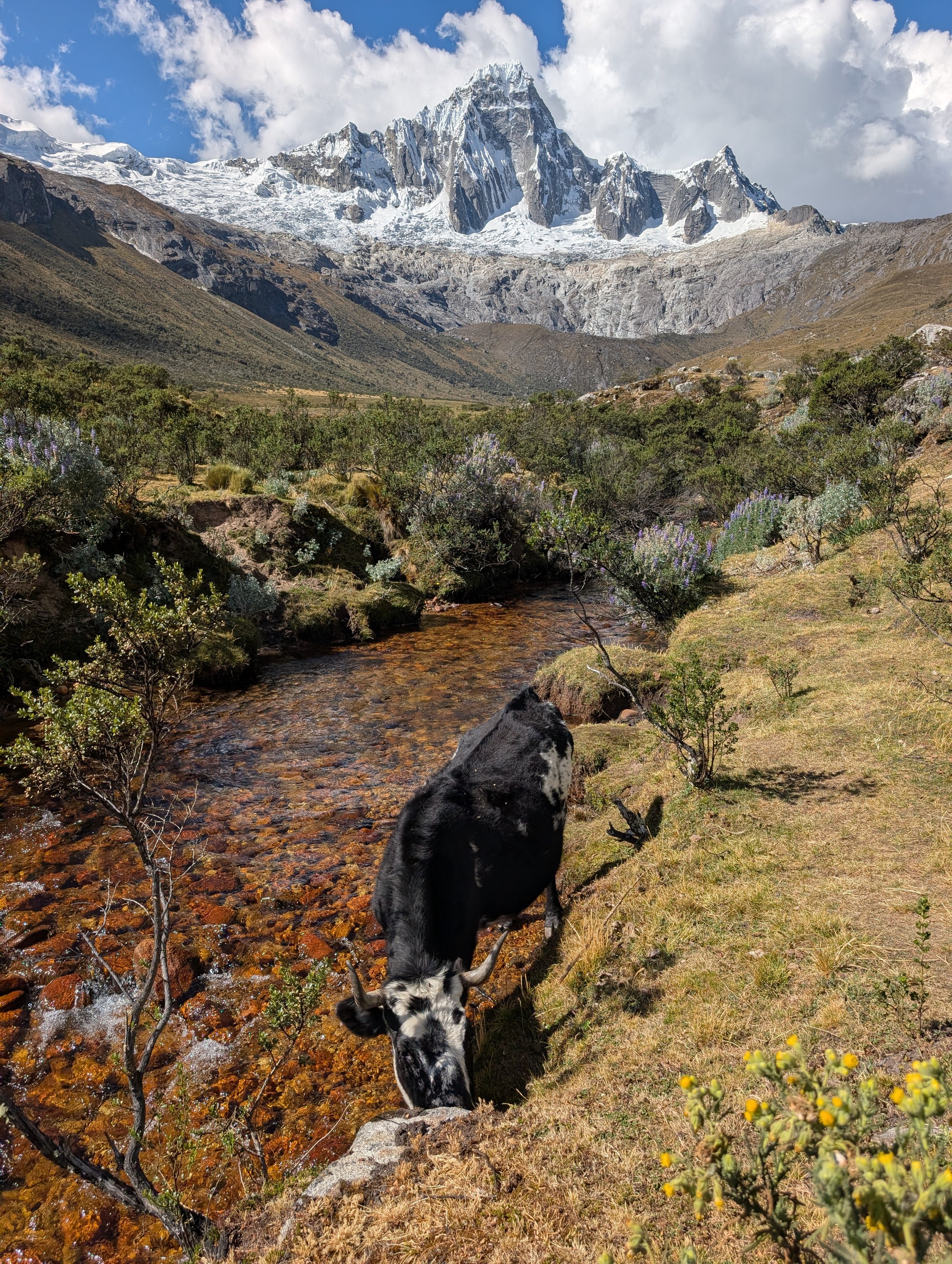
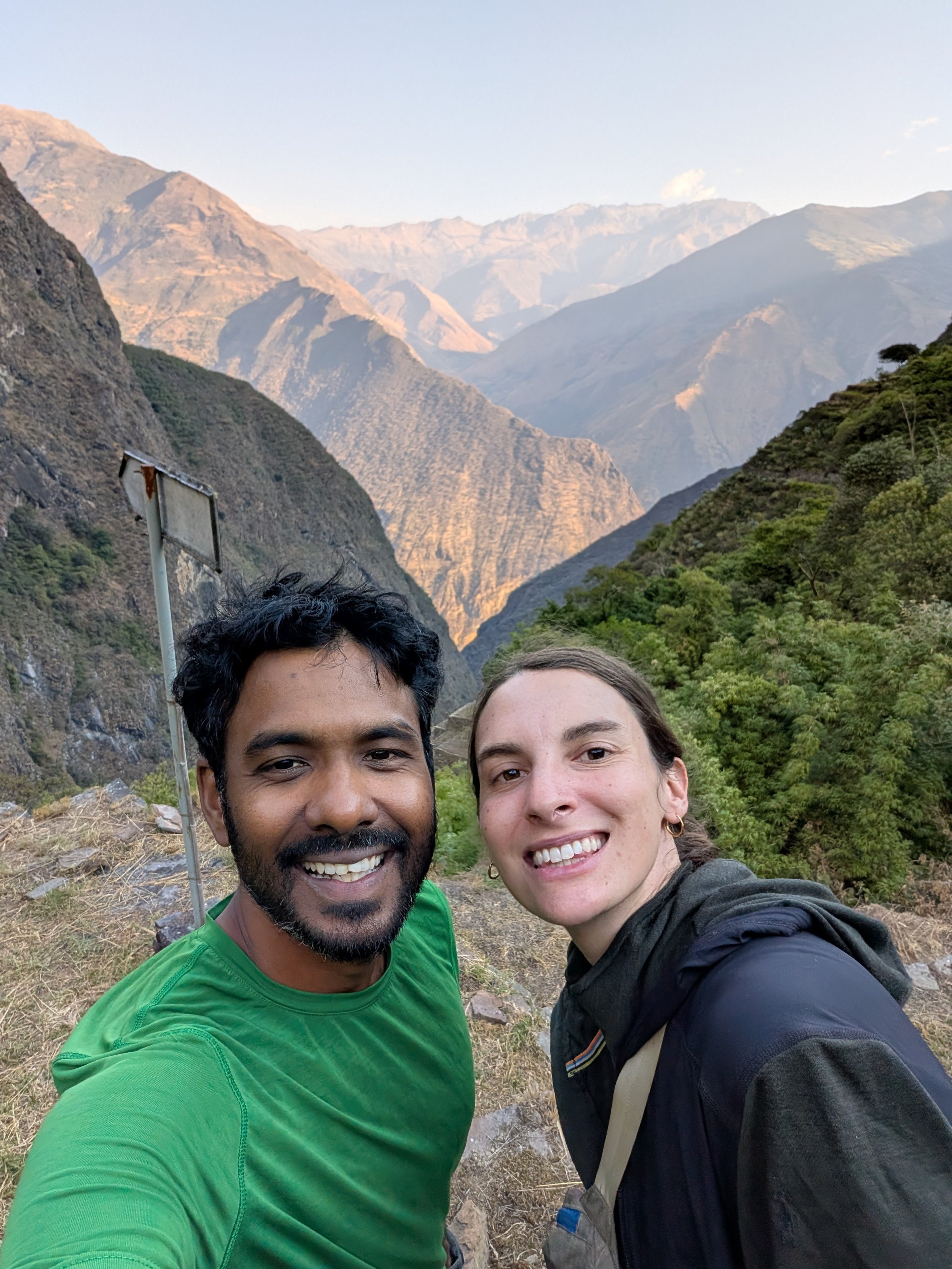
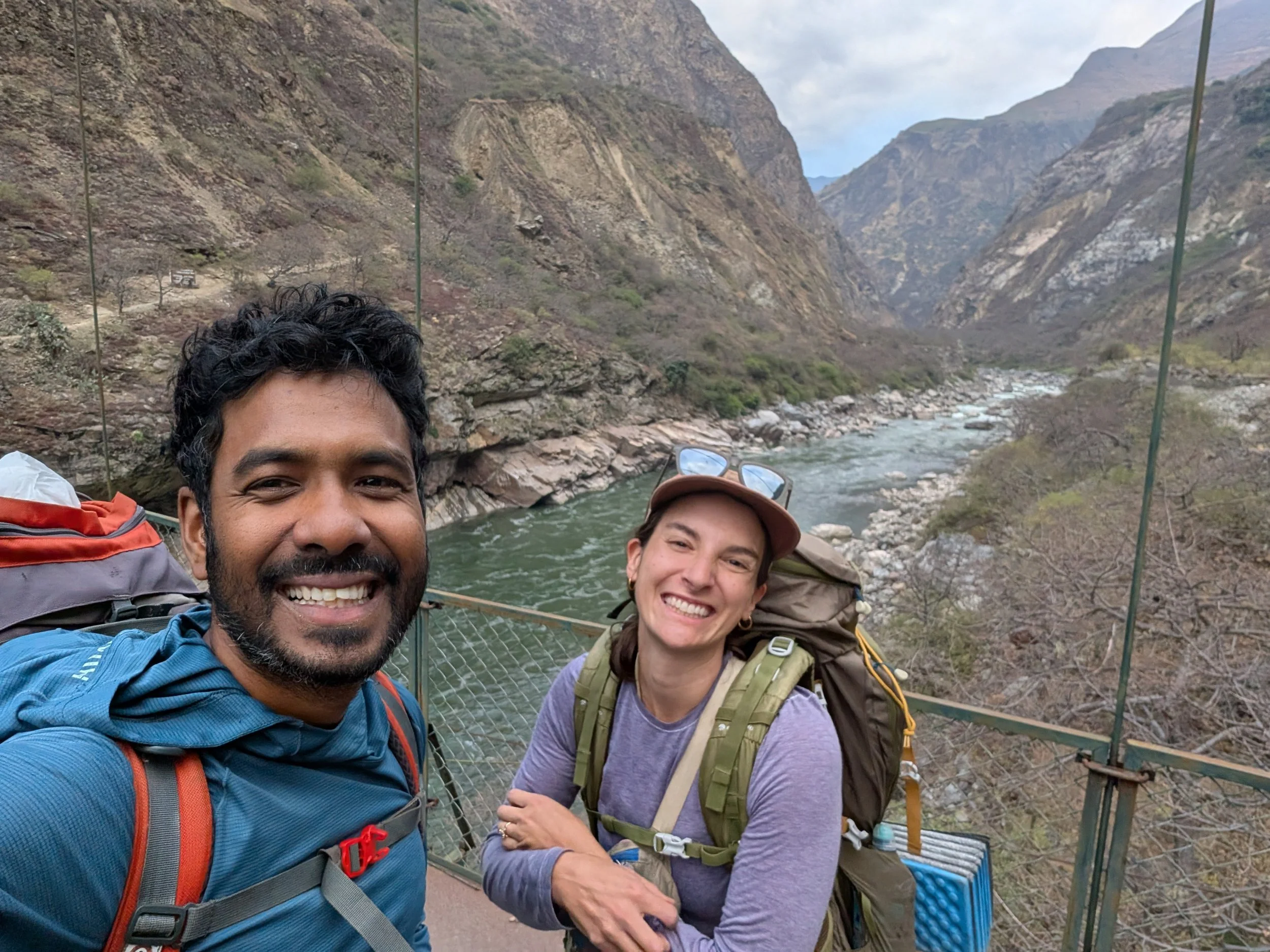
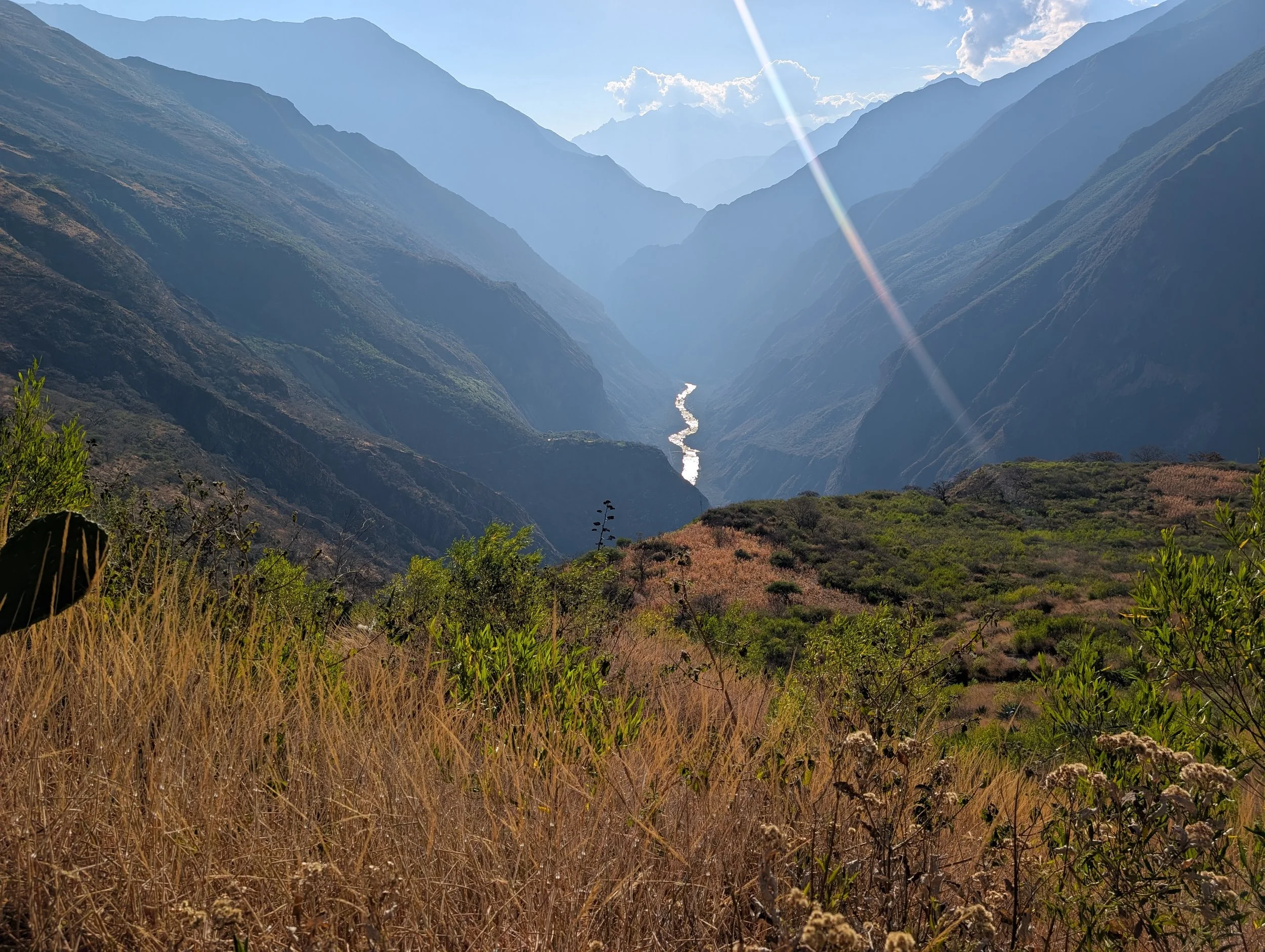
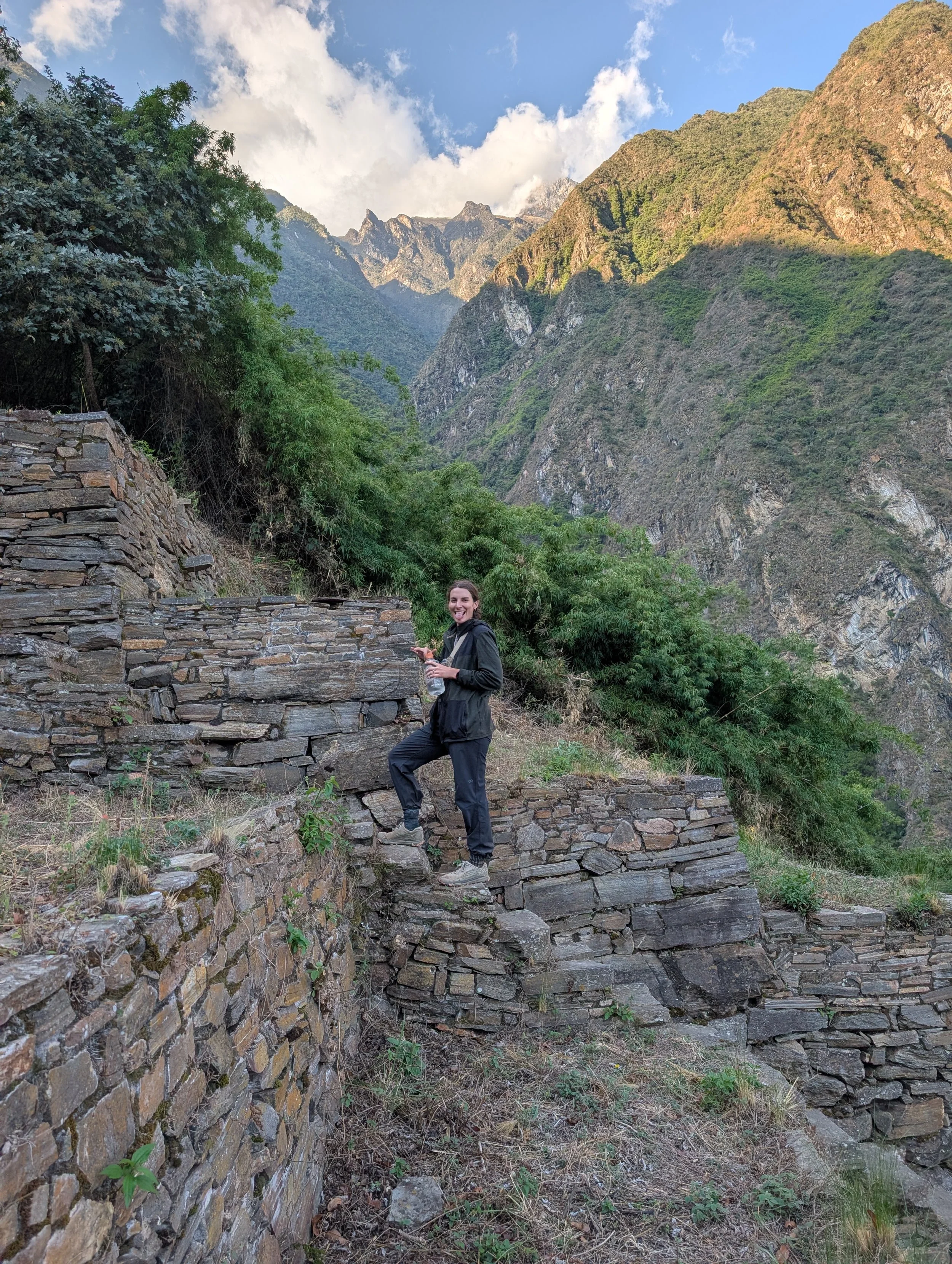
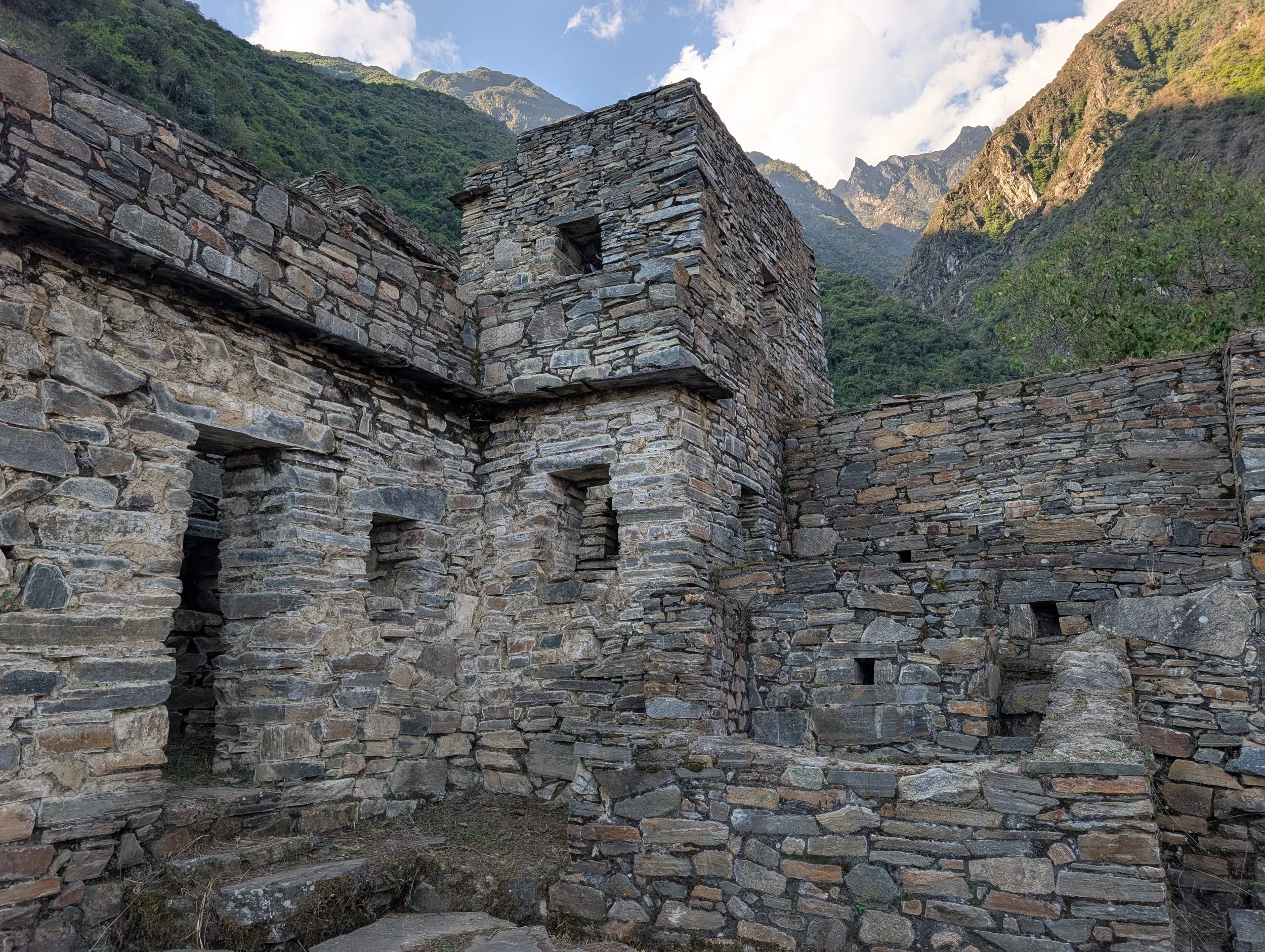
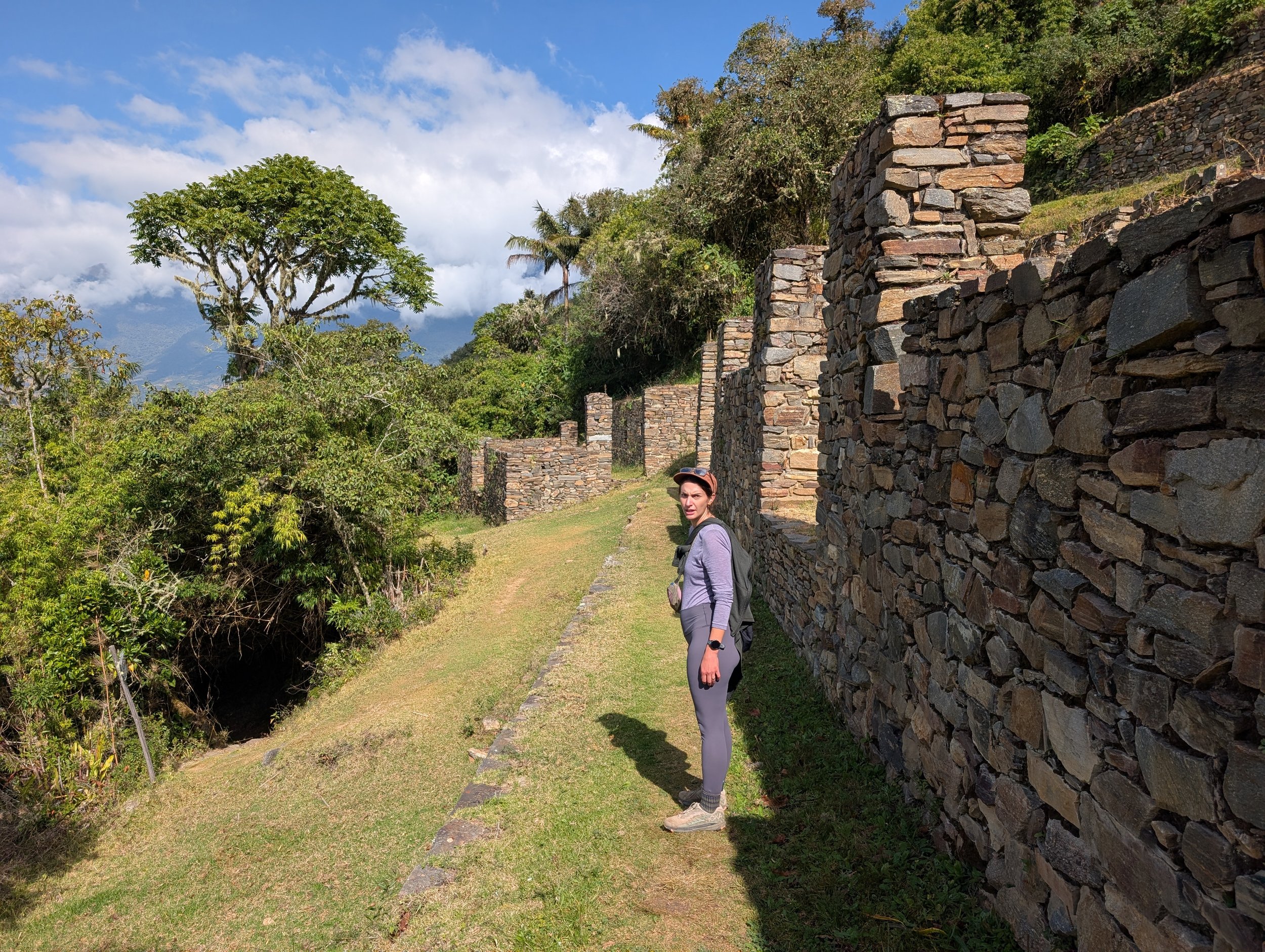
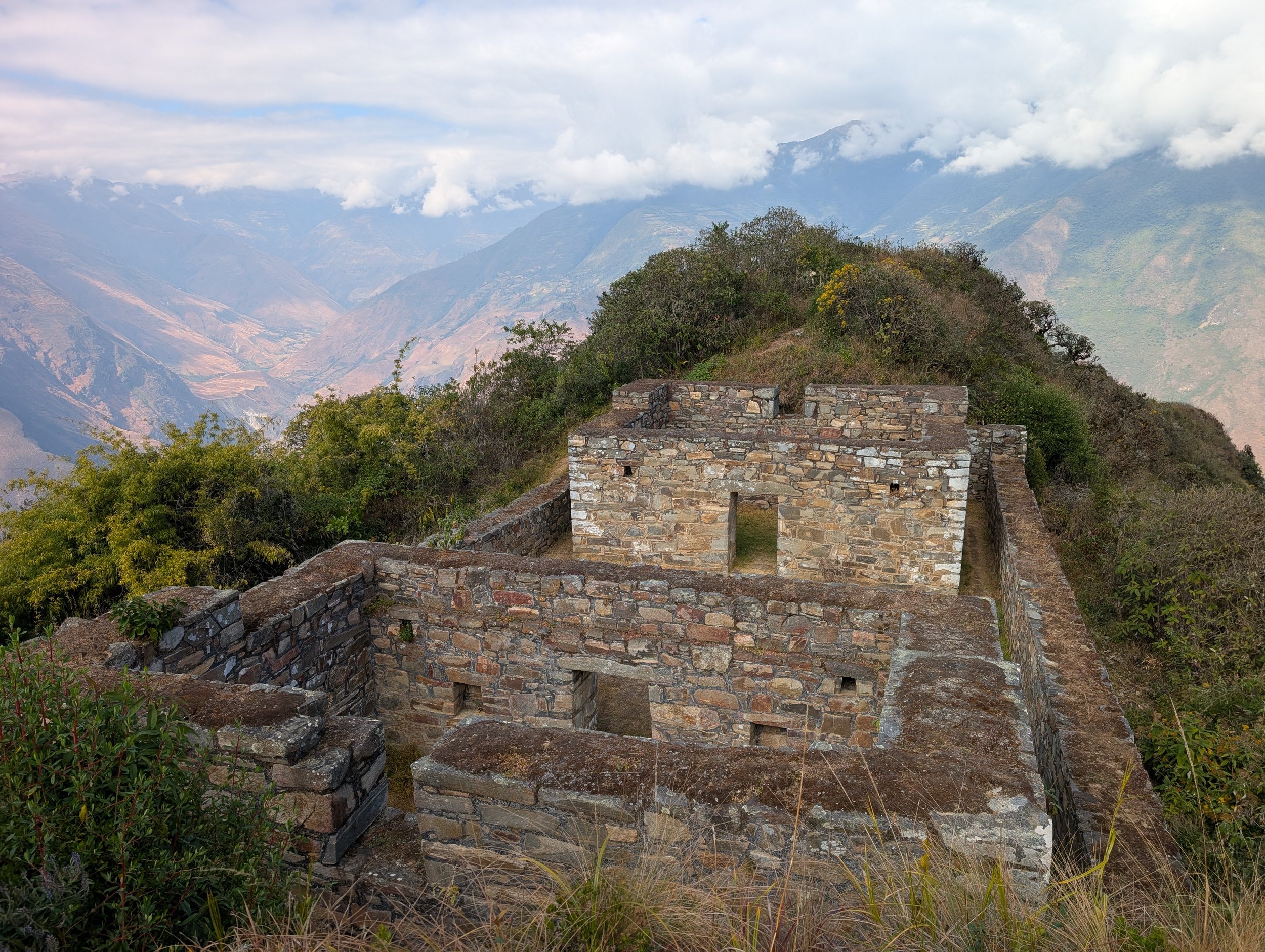
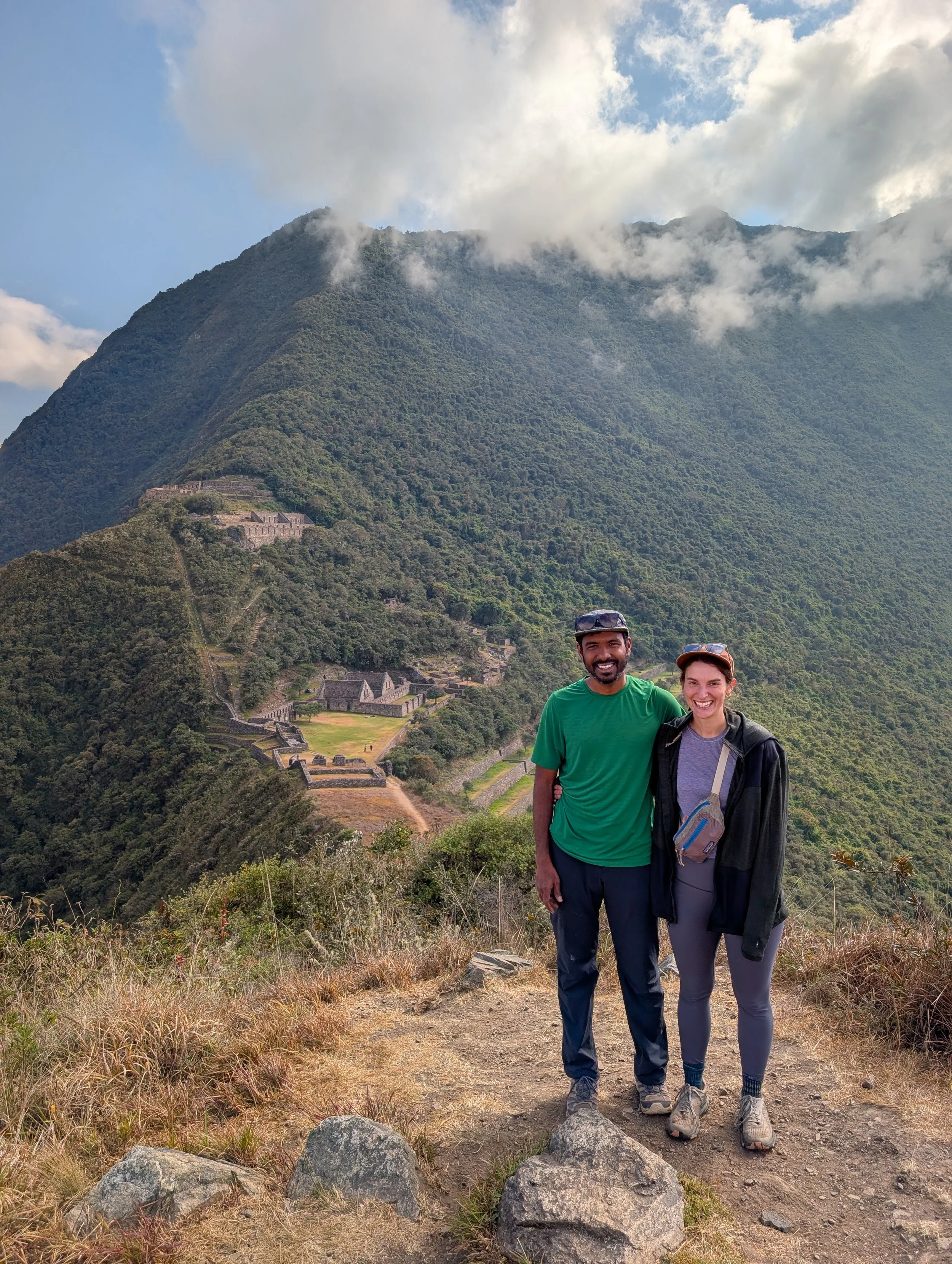
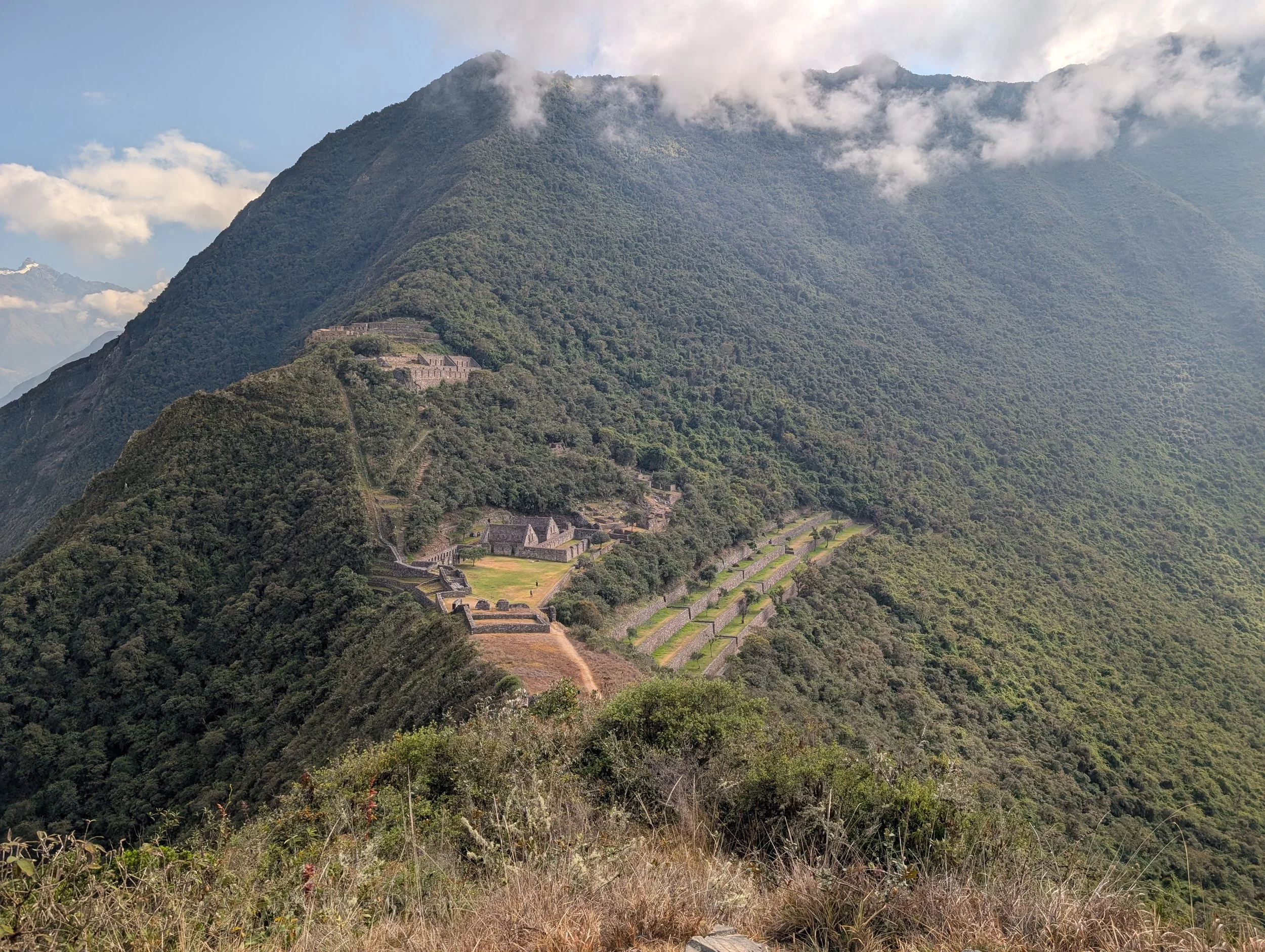
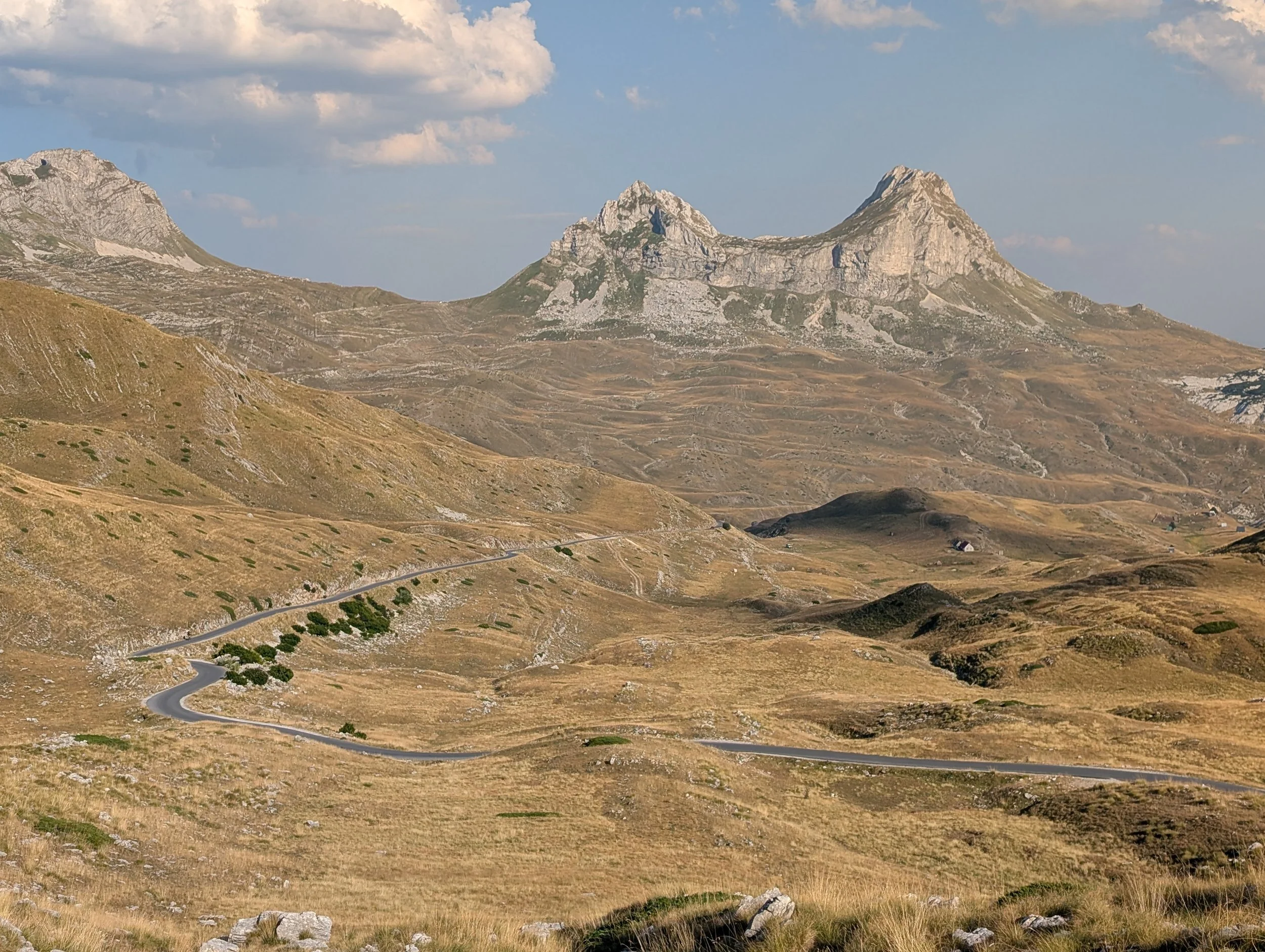
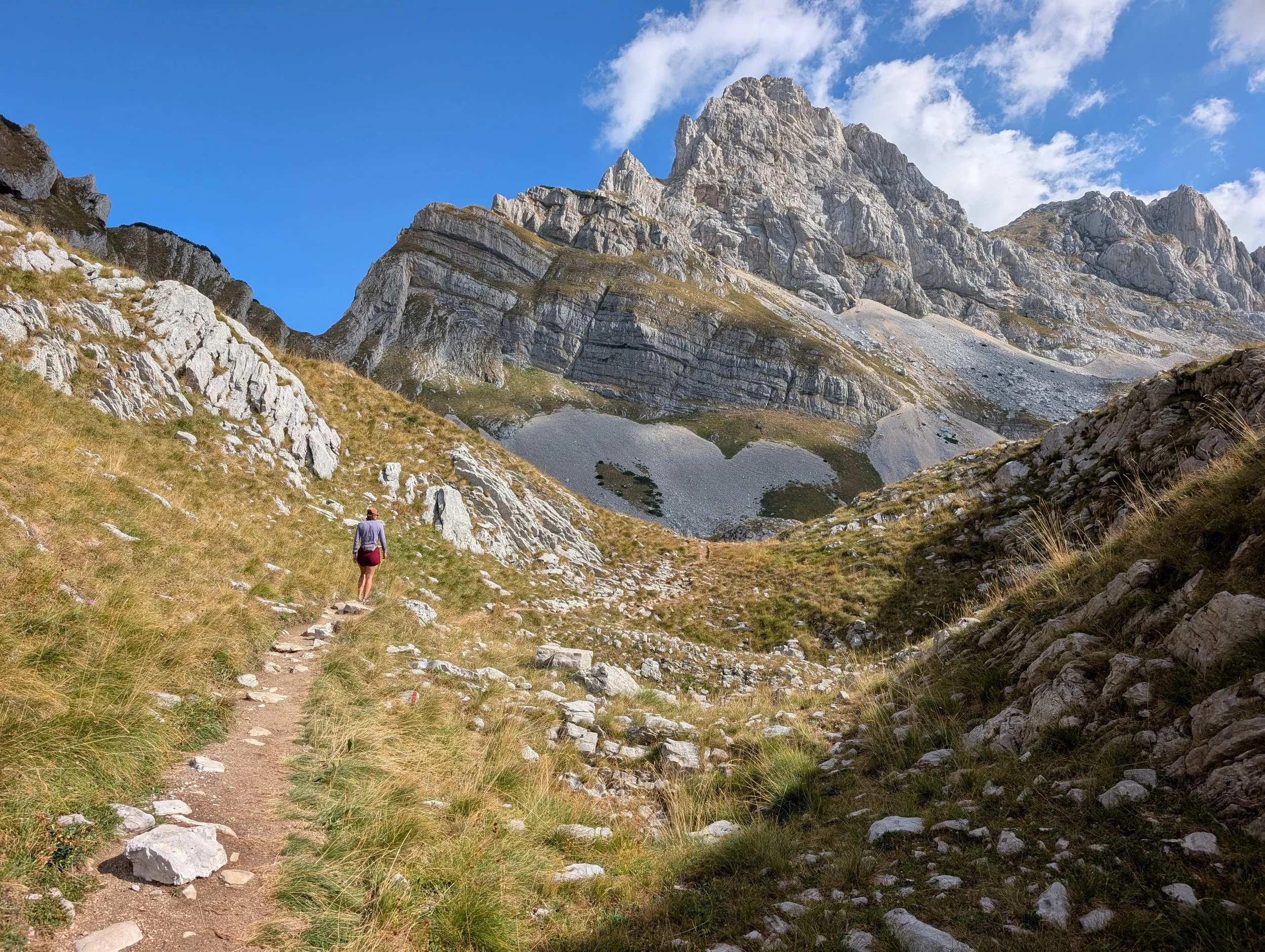
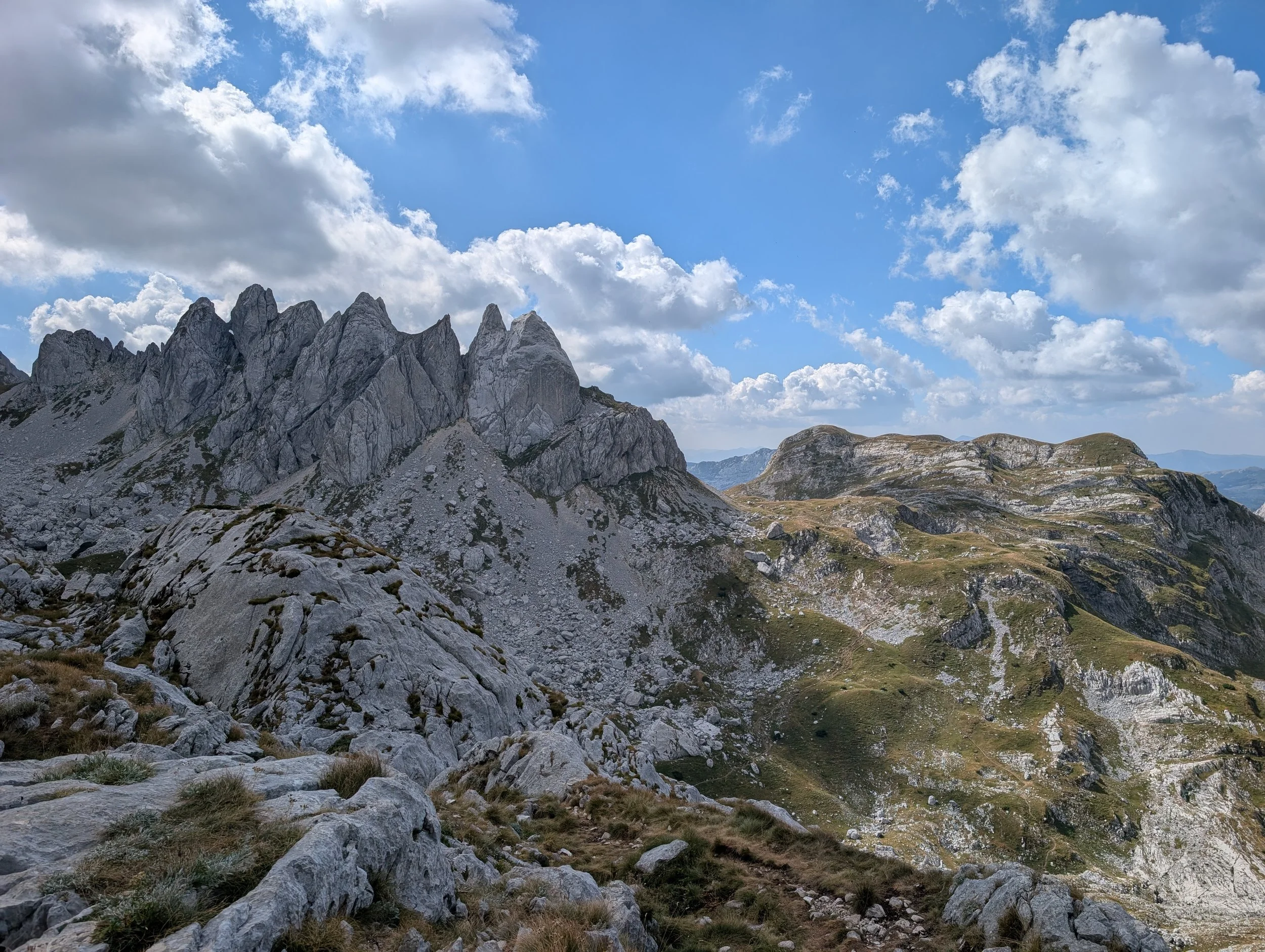
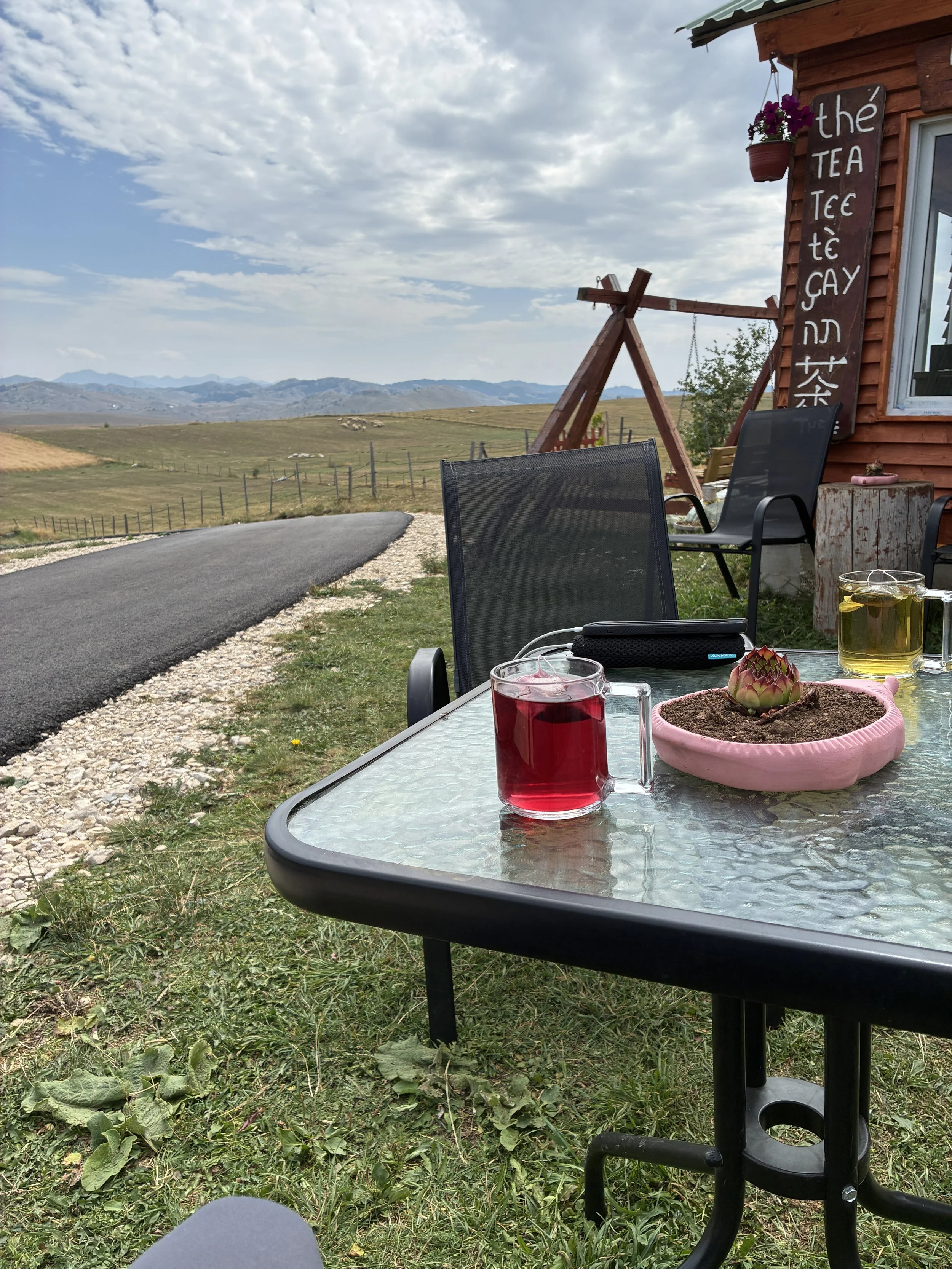
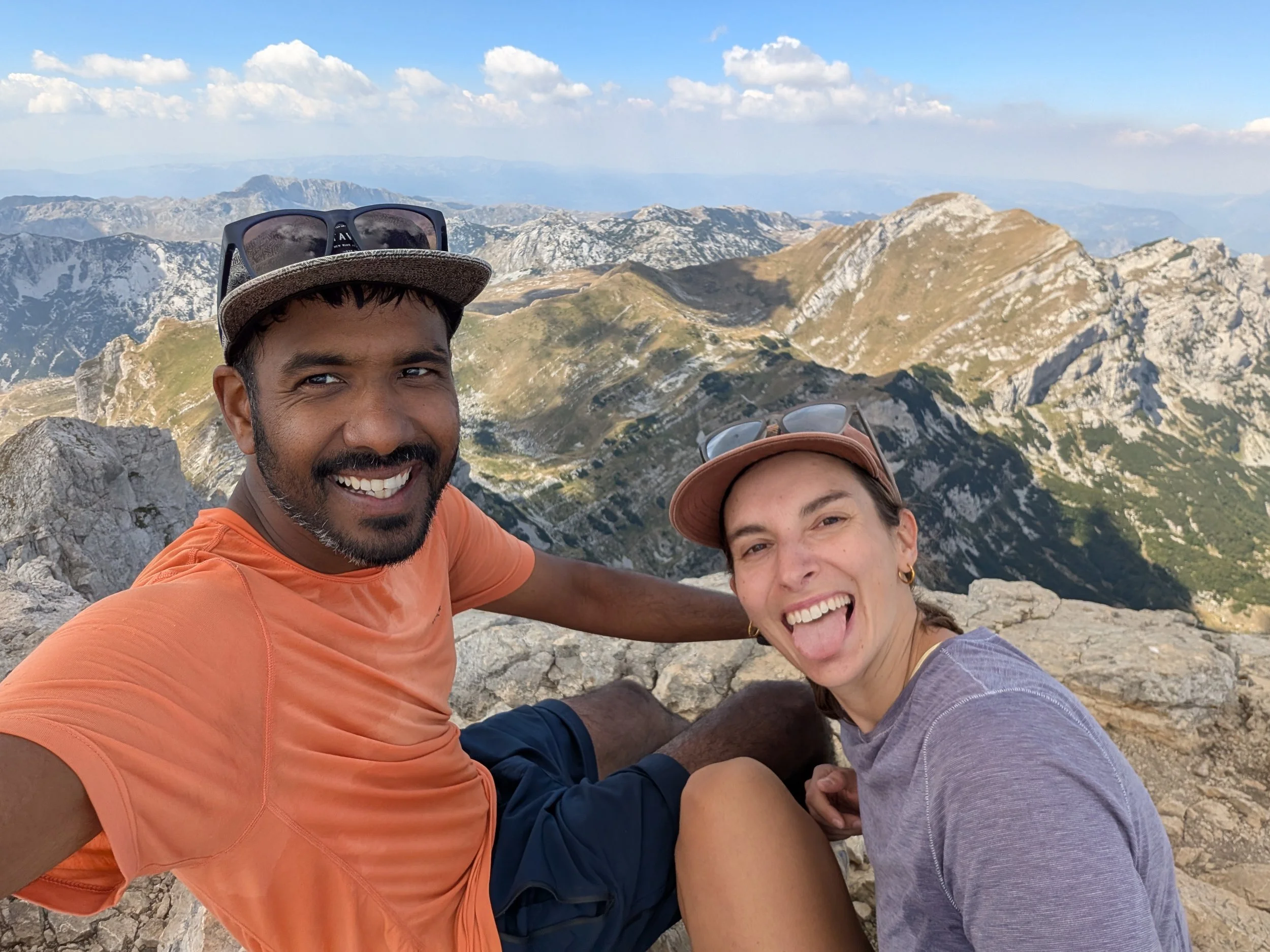
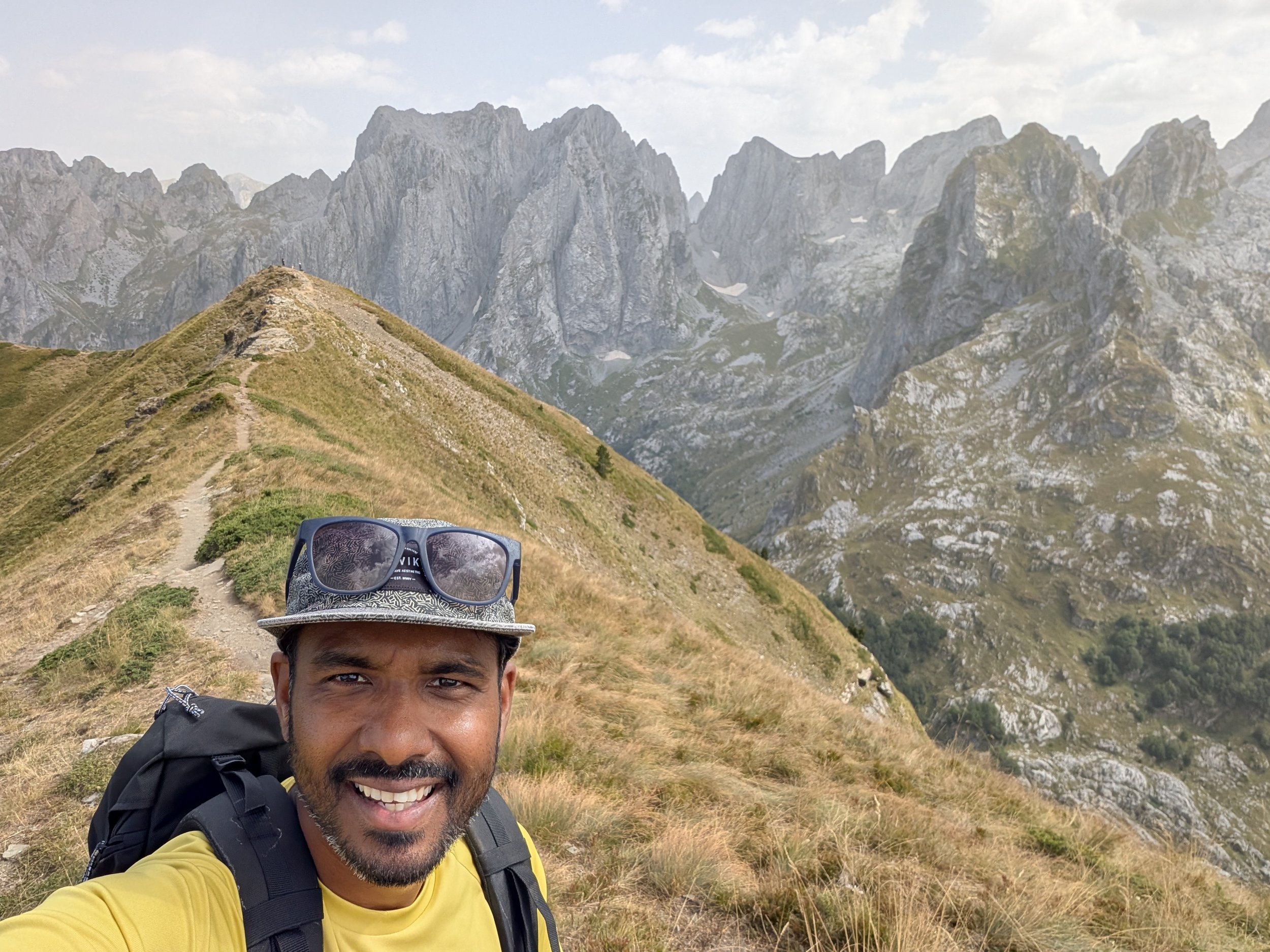
Before their wedding on Labor Day Weekend, we rented a car and visited Tara National Park, Sutjeska National Park, Durmitor National Park, and maybe 30 other national parks. I realized that somewhere along the way, we completely stopped being well-rounded humans and were now exclusively hiking humans. When did this happen? How did this happen? Will I ever go hiking again? All valid questions.
Lagging behind our hiking entourage of two were my partially formed observations about the Balkans:
Everyone is SO tall and looks like they just walked off the set of The Bachelor.
6/6 women are wearing dresses.
Everyone over 16 is smoking, giving early-2000s vibes.
1/6 border guards we encountered (between Serbia, Bosnia, and Montenegro) were grumpy to see us, so not too bad.
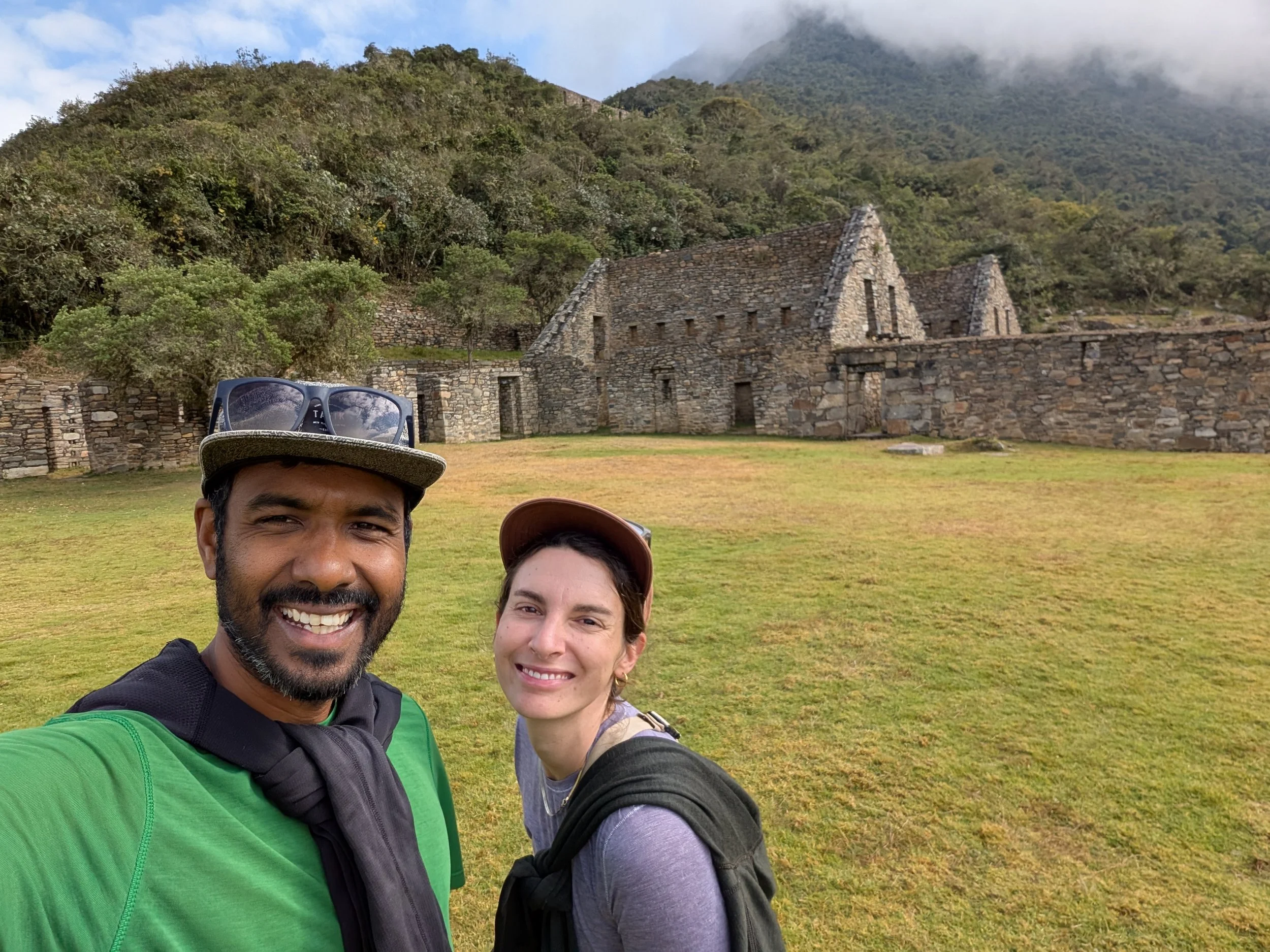
As an interracial couple, we got SOOOO many looks, y’all! Maybe not as many as we get in India, but it was close. Imagine middle school kids staring, pointing, AND exchanging commentary on the bus.
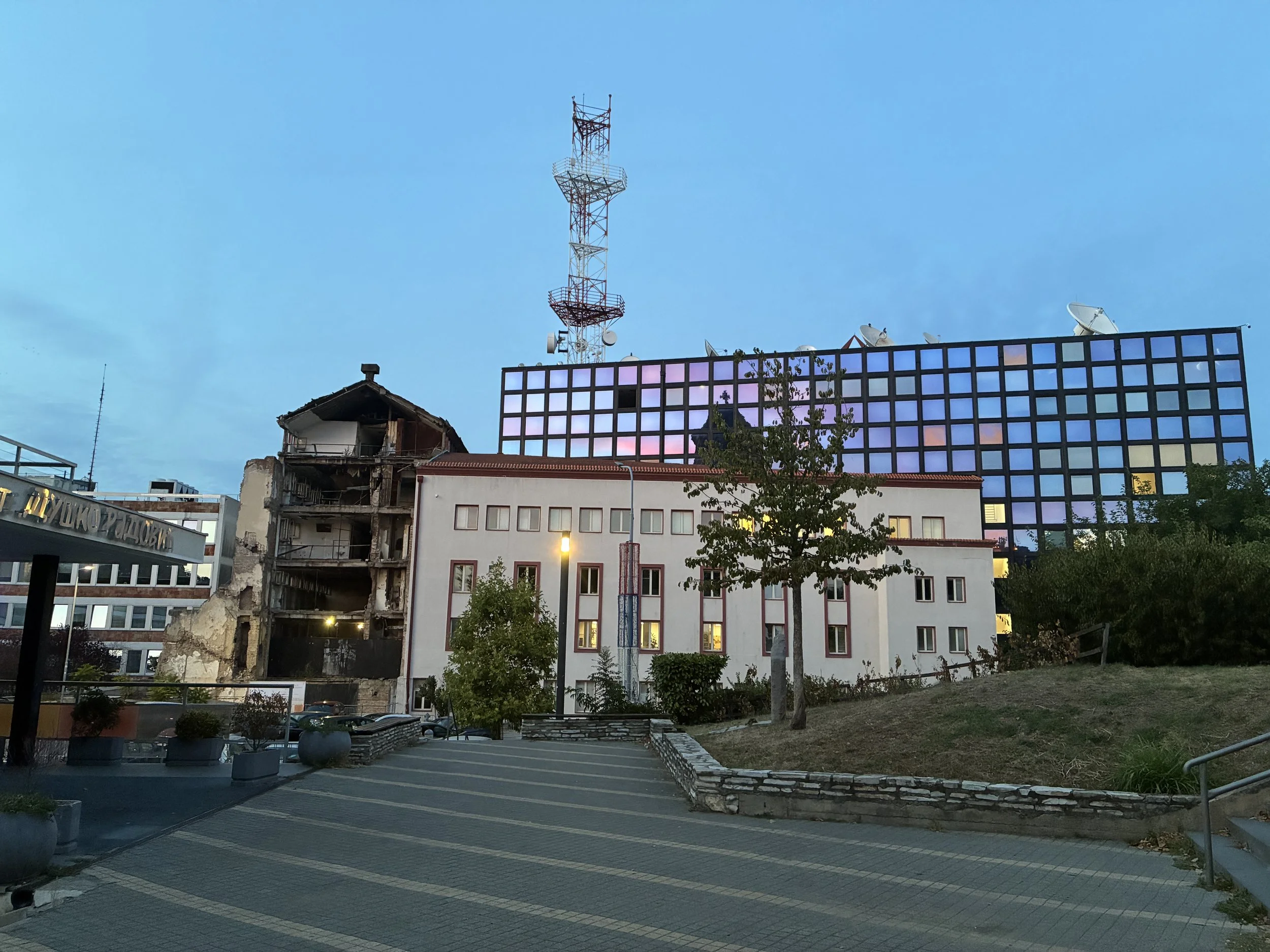
This region is only a few decades removed from an incredibly complex and devastating series of wars surrounding the breakup of Yugoslavia, involving nationalism, territorial claims, and deep ethnic and religious divisions. It was one of the first things we heard about when we entered Serbia, when our taxi driver told us about experiencing the NATO bombing of Belgrade as a ten-year-old. As we traveled through different countries, the narratives surrounding these conflicts were strikingly divergent. It’s difficult to imagine how a region could quickly recover after so much bloodshed, displacement, and betrayal among neighbors, communities, and political leaders.
It’s sobering: nationalism, political power, territorial claims, extreme economic conditions, corrupt institutional structures, propaganda, and unwanted international intervention. For me, it was another important reminder of the value of bringing people with different beliefs, backgrounds, and priorities together for meaningful dialogue, with respect and love. It’s remarkably easy for any of us to become polarized and inflexible in our viewpoints, especially when we inherit stories about who is “us” and who is “them.”
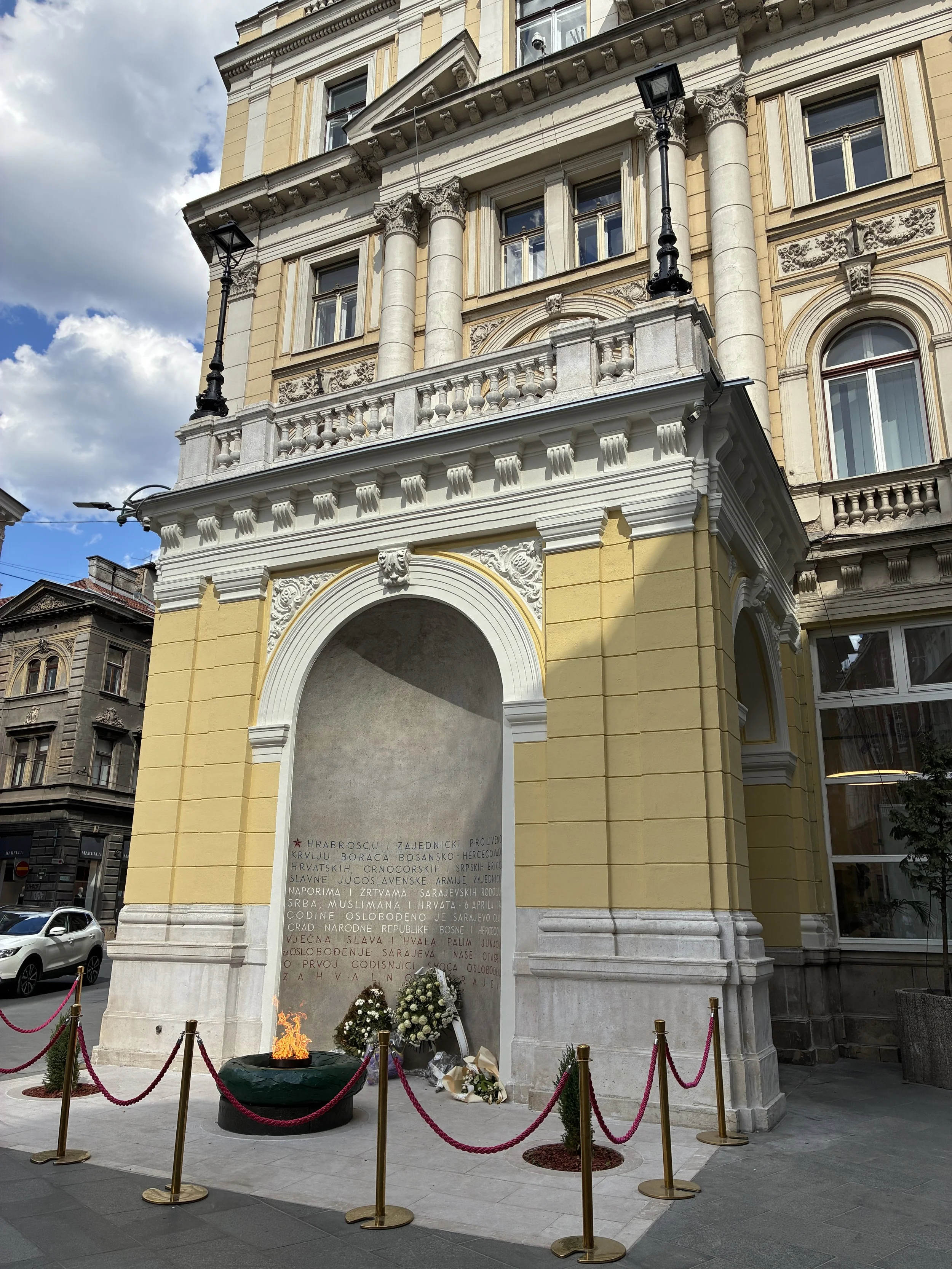
But as always, this is easier said than done. Even in cities like Mostar and Sarajevo (places whose histories are often held up as examples of different religious and ethnic communities living alongside one another), this ideal sometimes felt more rhetorical than real. There are no quick or easy solutions, but thankfully, some bright minds are hard at work on this very thing:
Nansen Dialogue Centre Mostar: It was founded after the war specifically to help rebuild the social fabric of Mostar. Its work brings together people from different ethnic, religious, and political communities and includes integrated education, community projects, peace education, and policy dialogue.
Centre for Nonviolent Action: Their work is explicitly about reconciliation, nonviolence, dialogue, and rebuilding trust. One of their major focuses is “constructive dealing with the past,” including challenging inherited “enemy images,” nationalism, militarism, and exclusive narratives of history.
Regional Youth Cooperation Office (RYCO): Established by the six Western Balkan participants (Albania, Bosnia and Herzegovina, Kosovo, Montenegro, North Macedonia, and Serbia) with the explicit goal of promoting reconciliation and cooperation through youth exchanges.
Friends!!
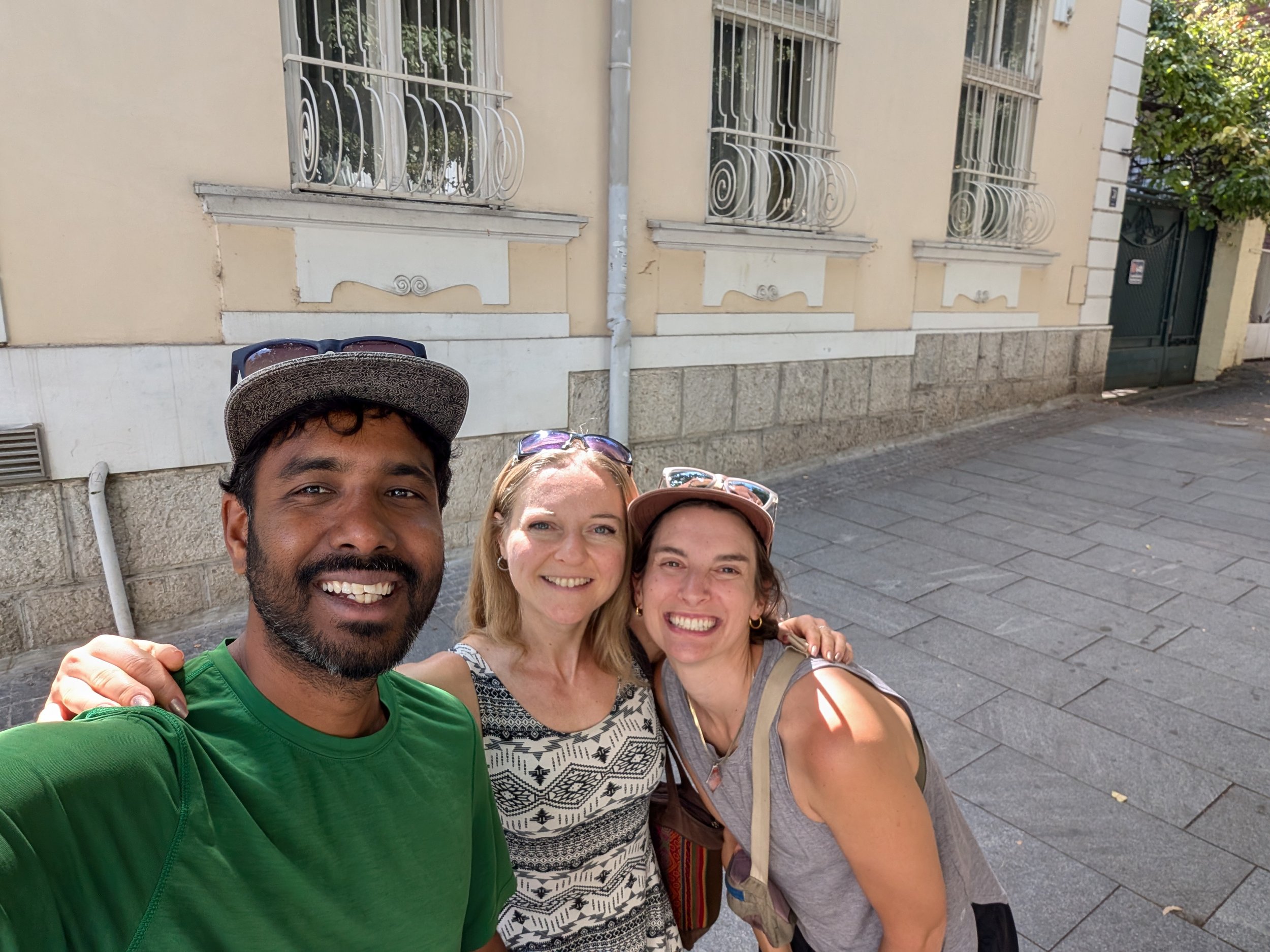
Believe it or not, we saw Daria AGAIN!! She was visiting her brother who lives in Belgrade and we had the privilege of spending some time with her there. <3 She is such a delight!
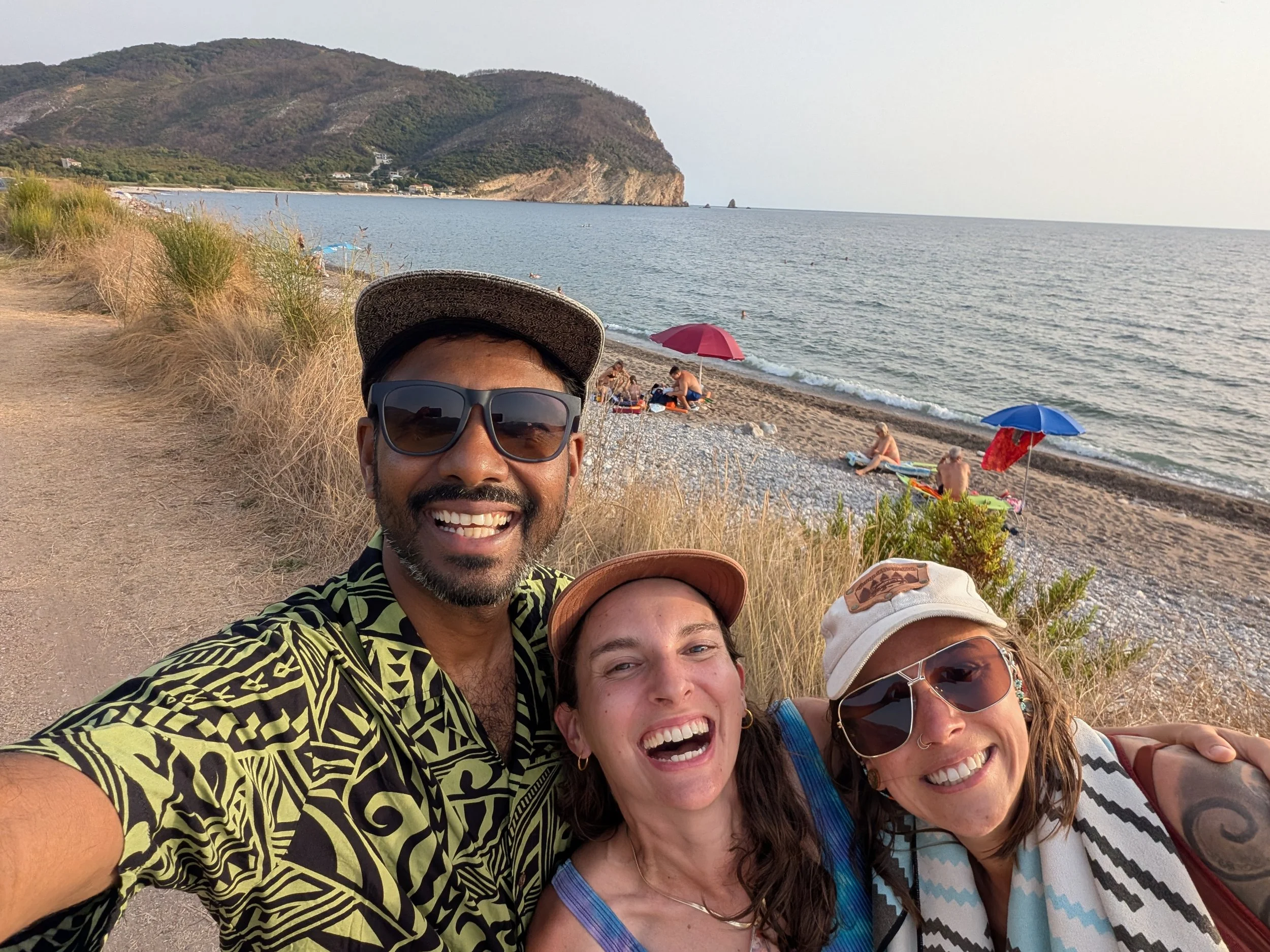
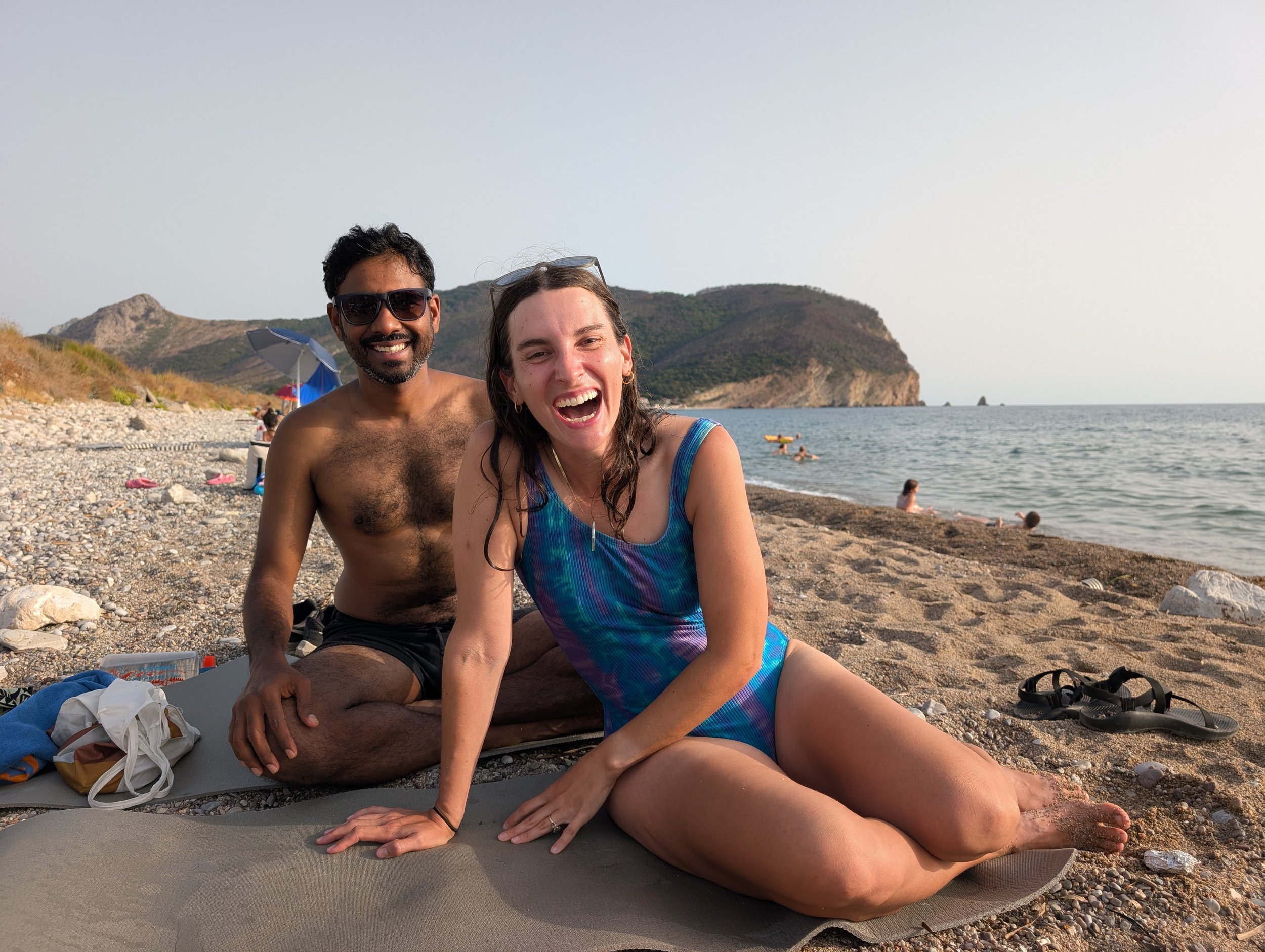
LAUREN!! Ok y’all, Lauren was texting me casually when we realized we were only 10 miles apart, between Montenegro and Albania. Since neither of us could take our rental cars across the border, we parked on either side and she walked across! We got to spend the whole day with this special human. It was amazing.
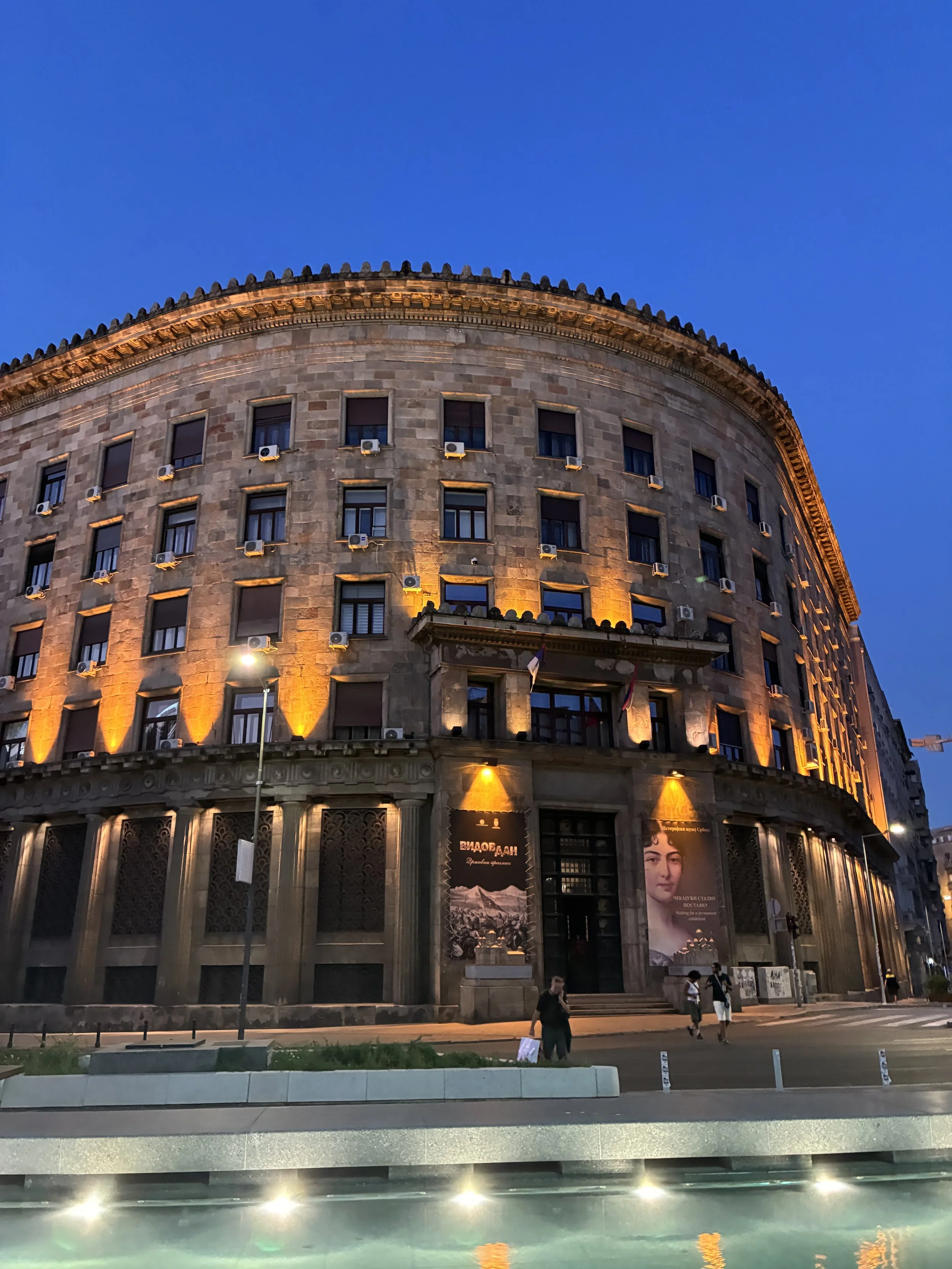
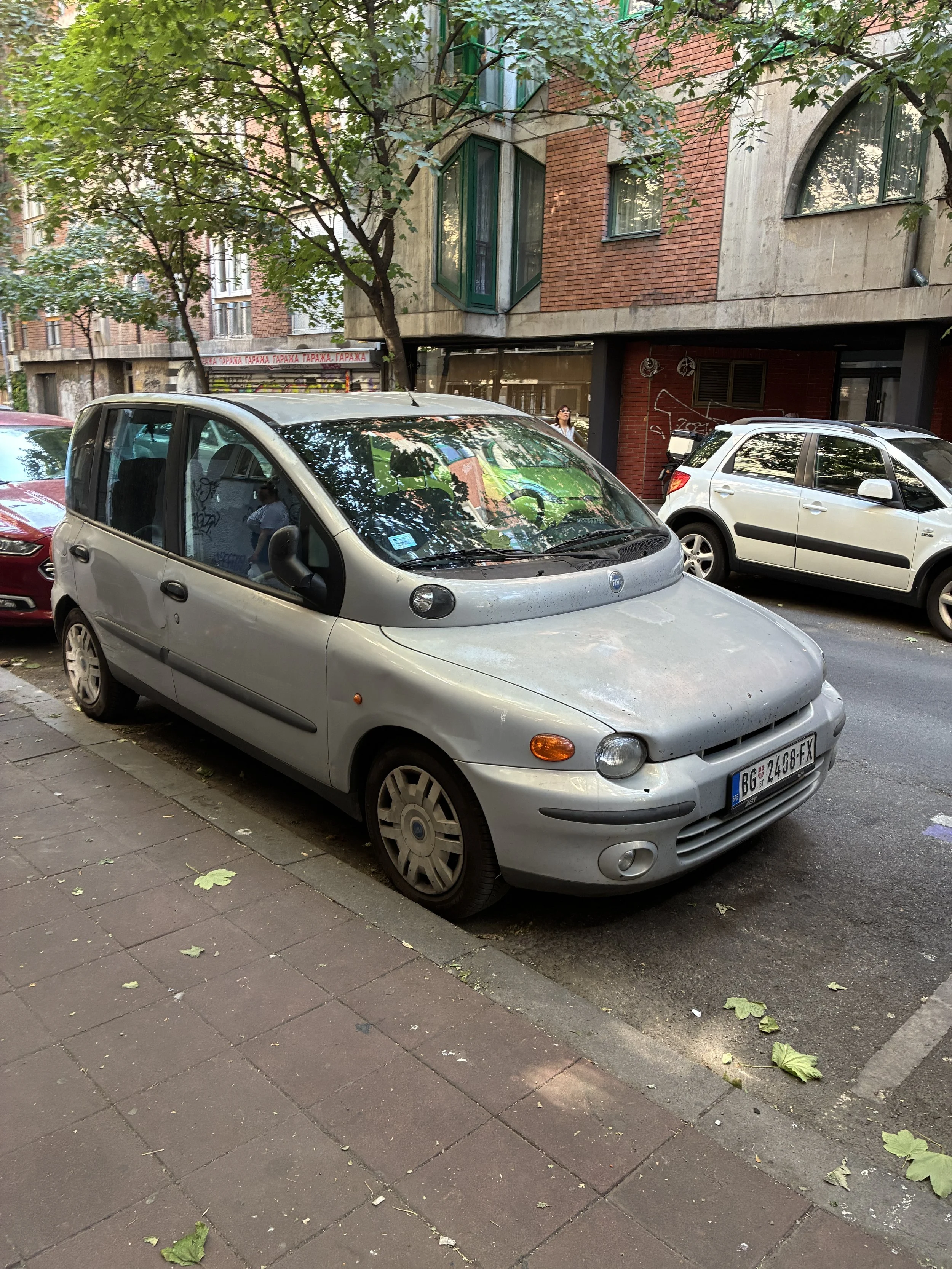
Belgrade
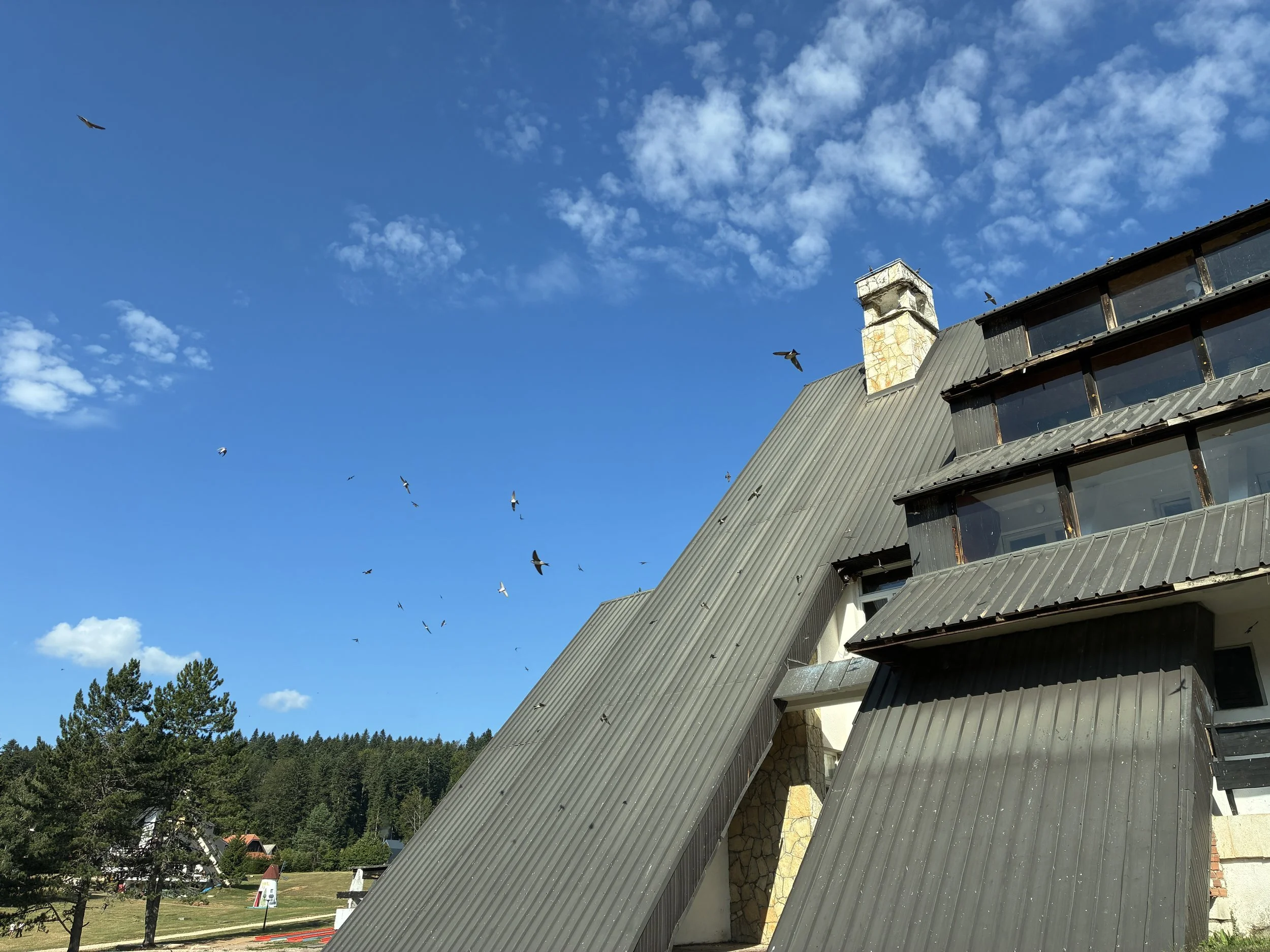
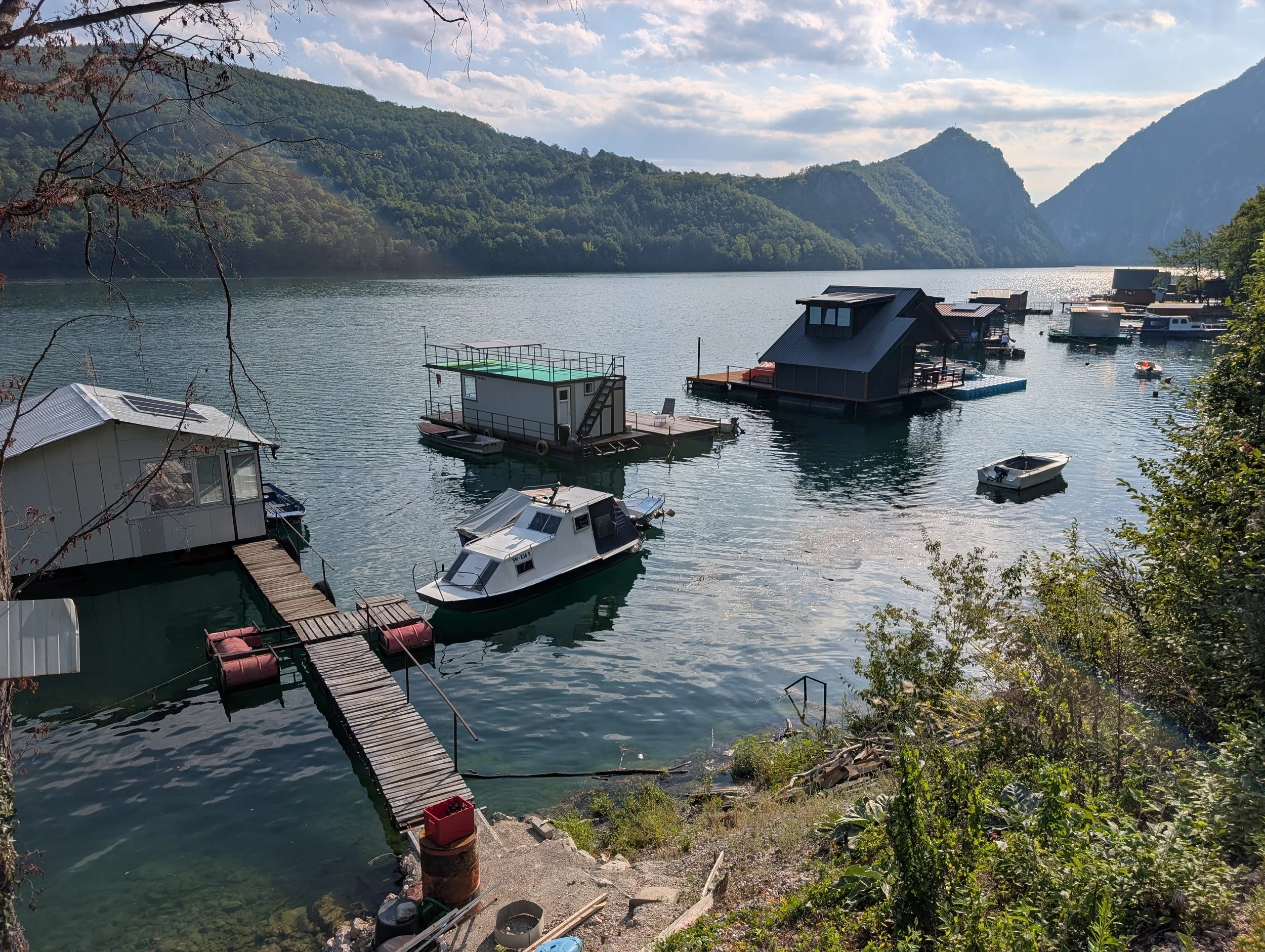
Tara National Park
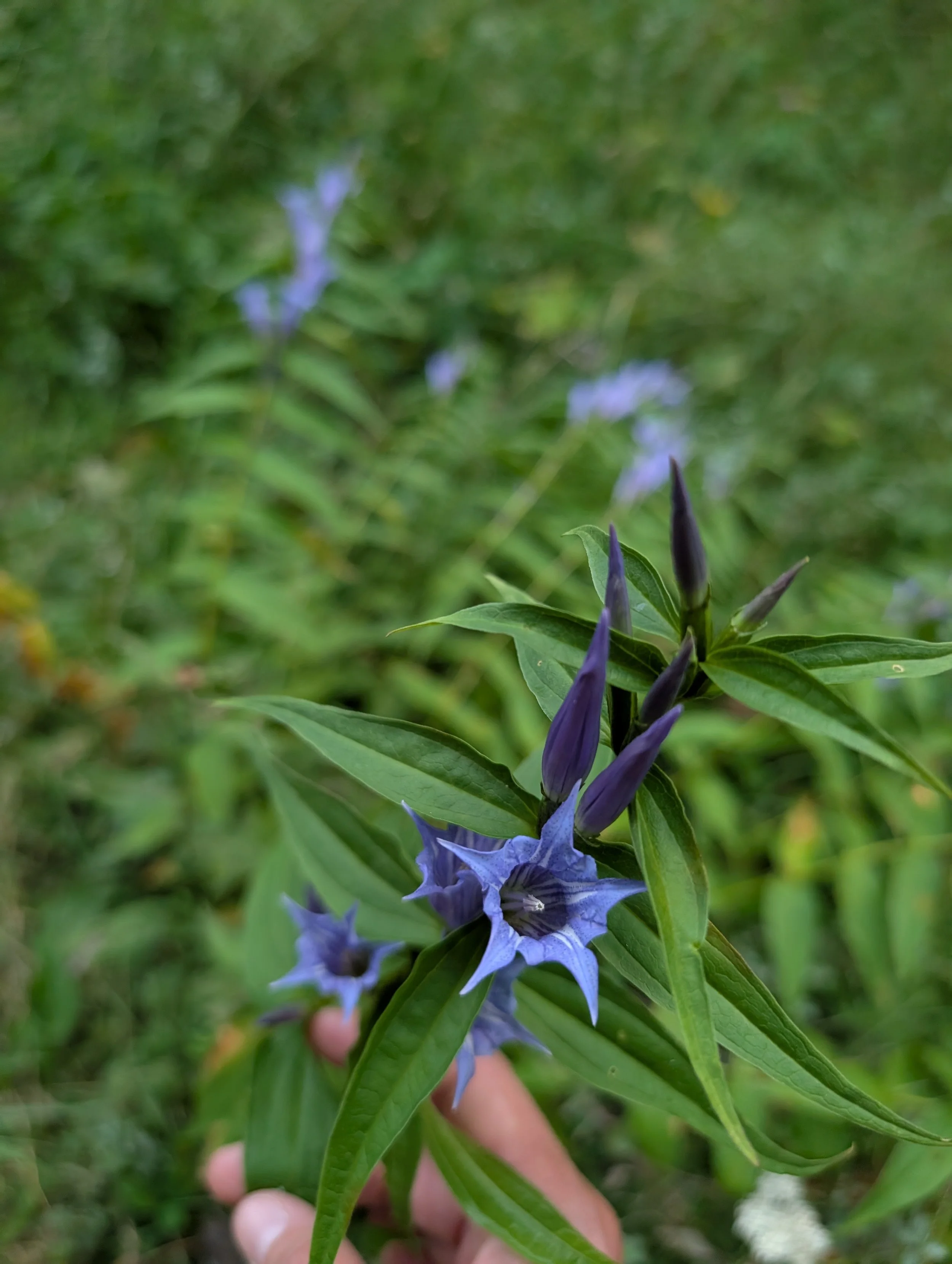
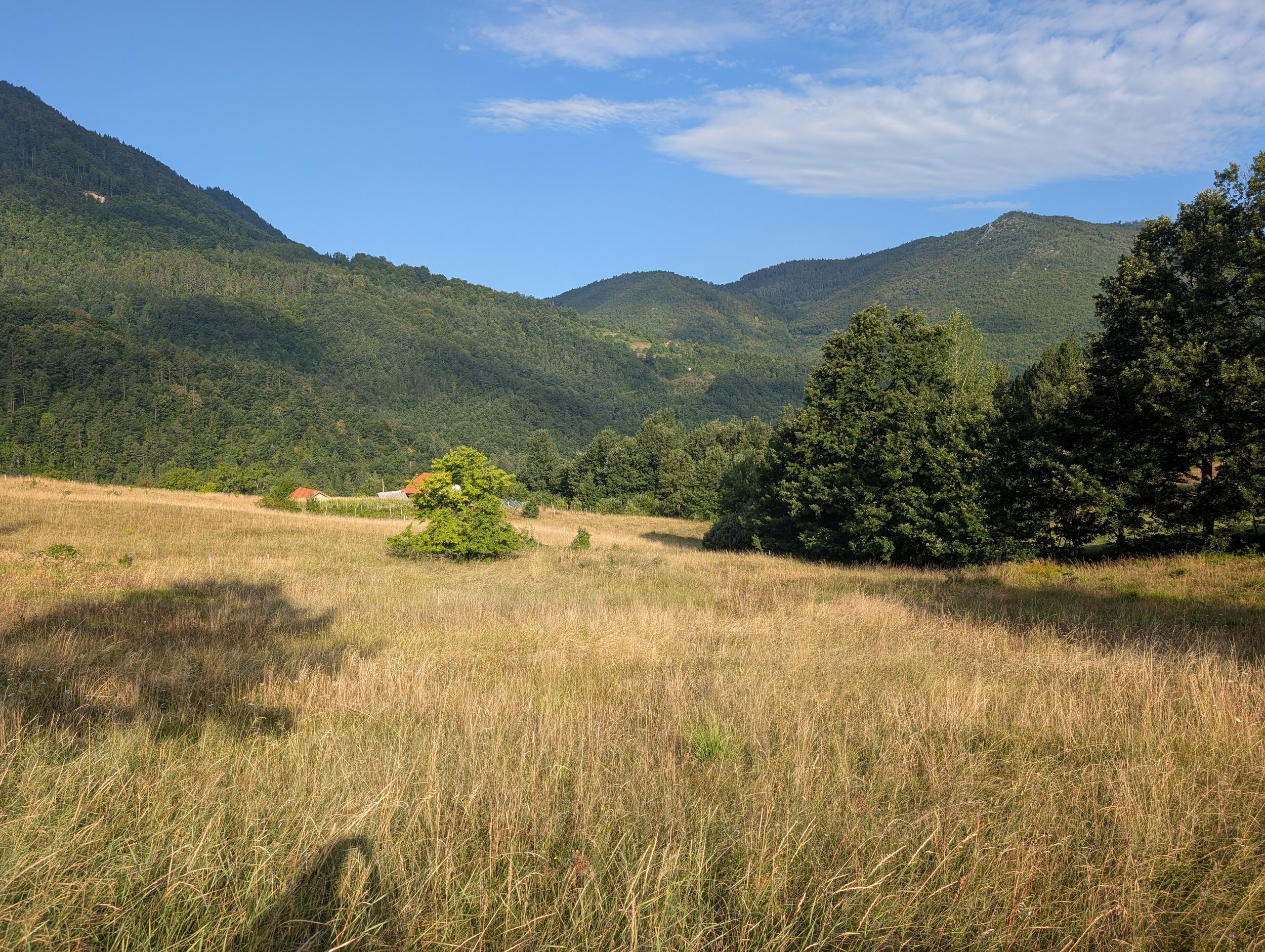
Sutjeska National Park
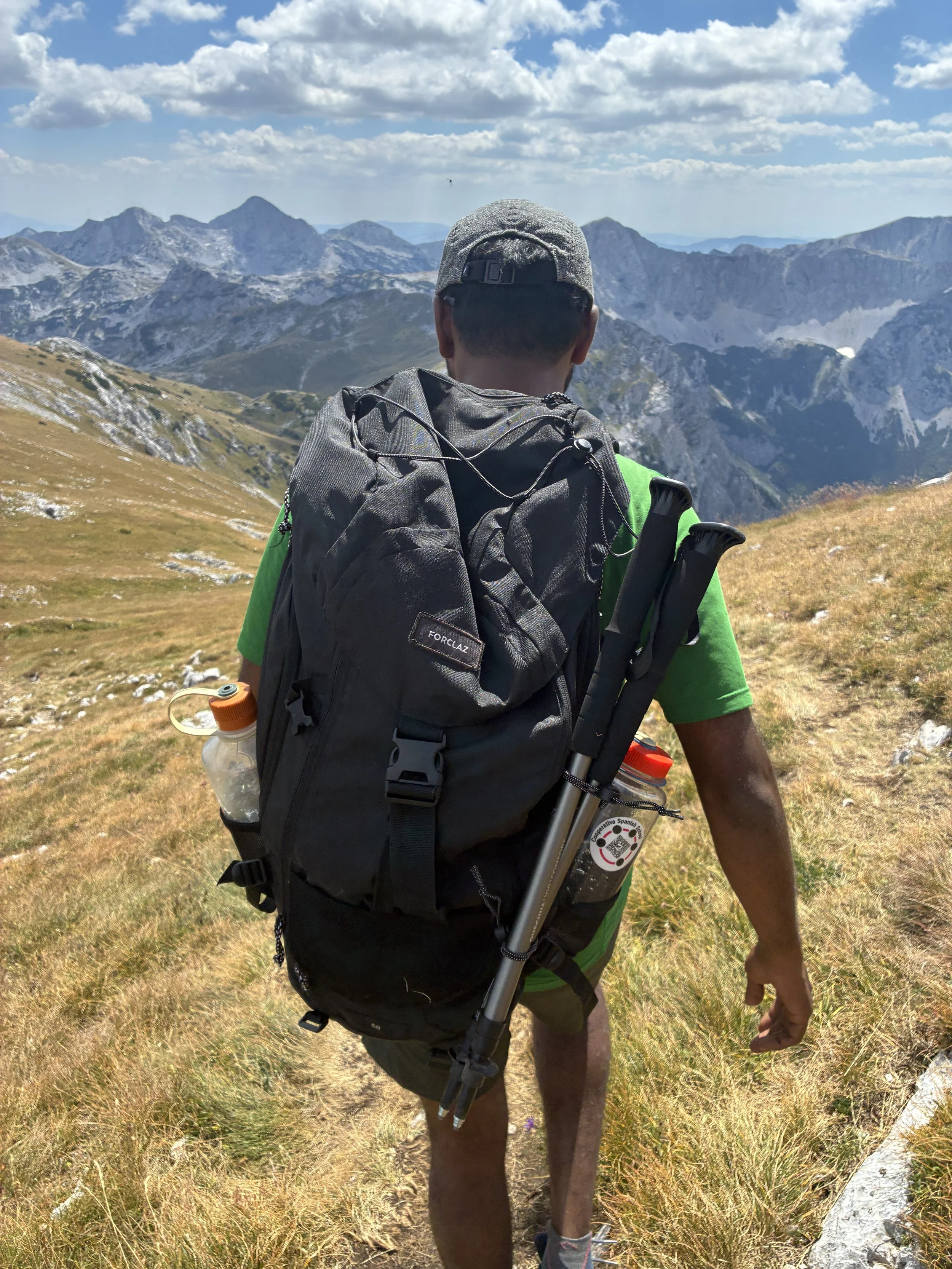
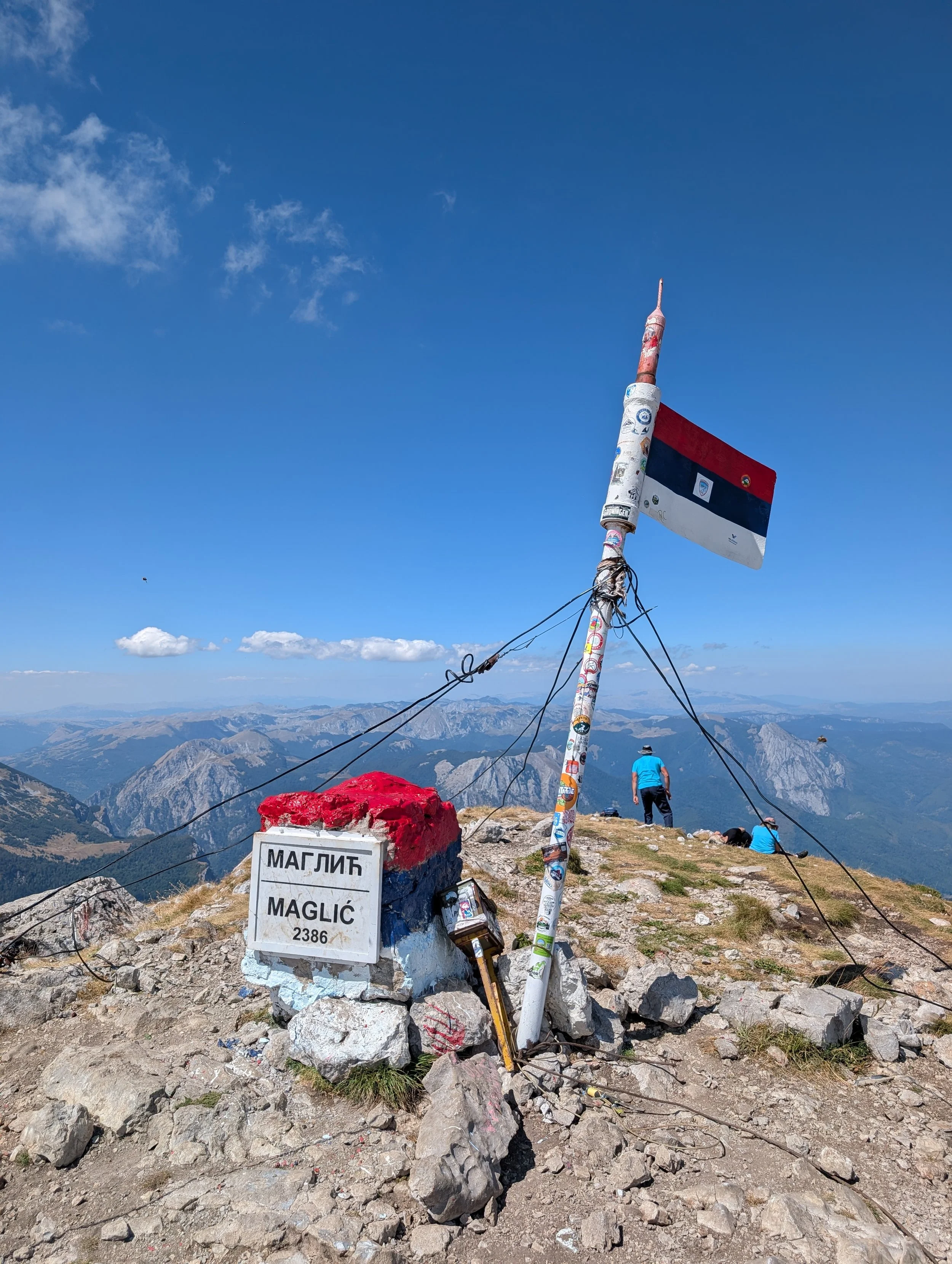
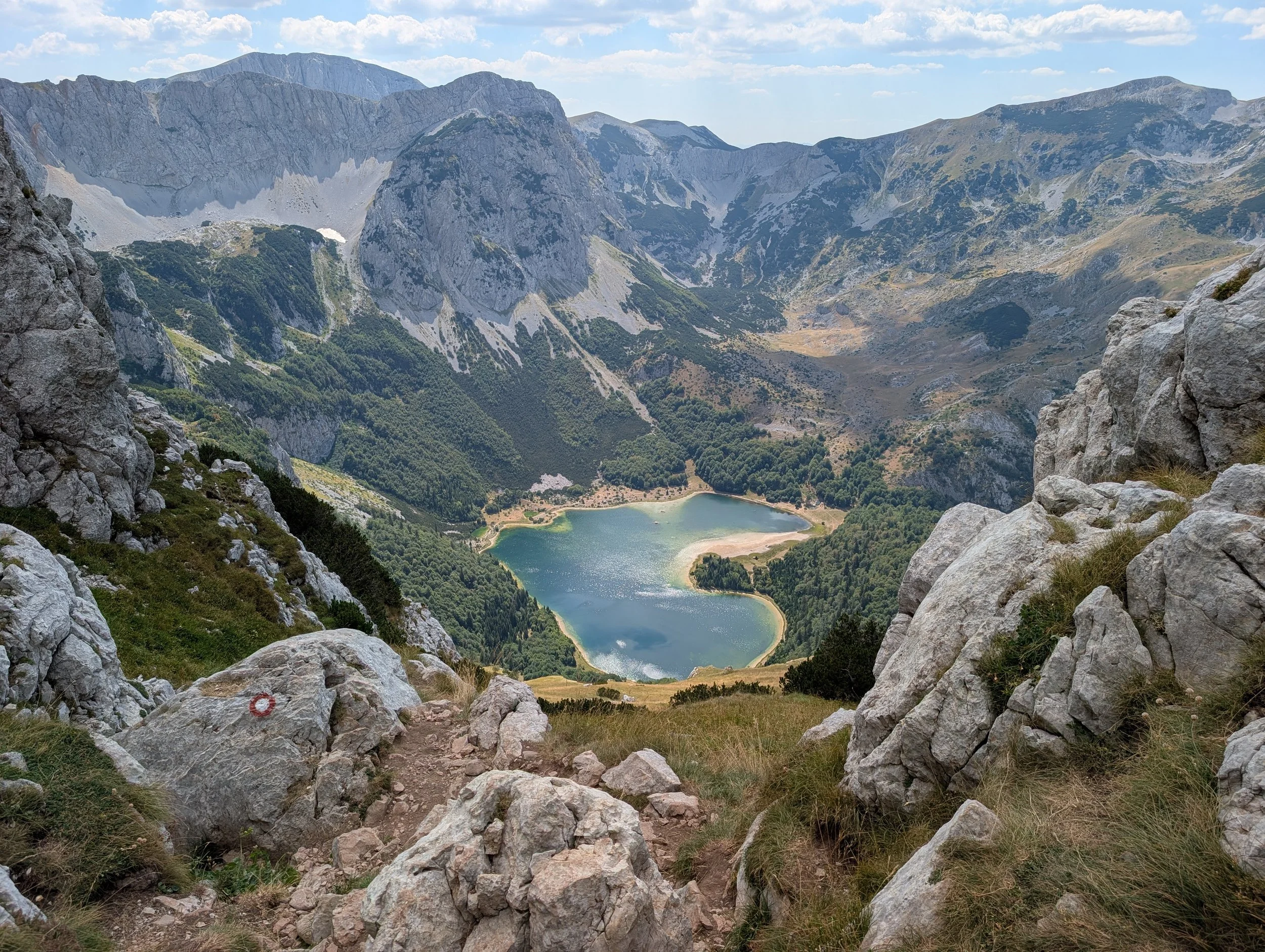
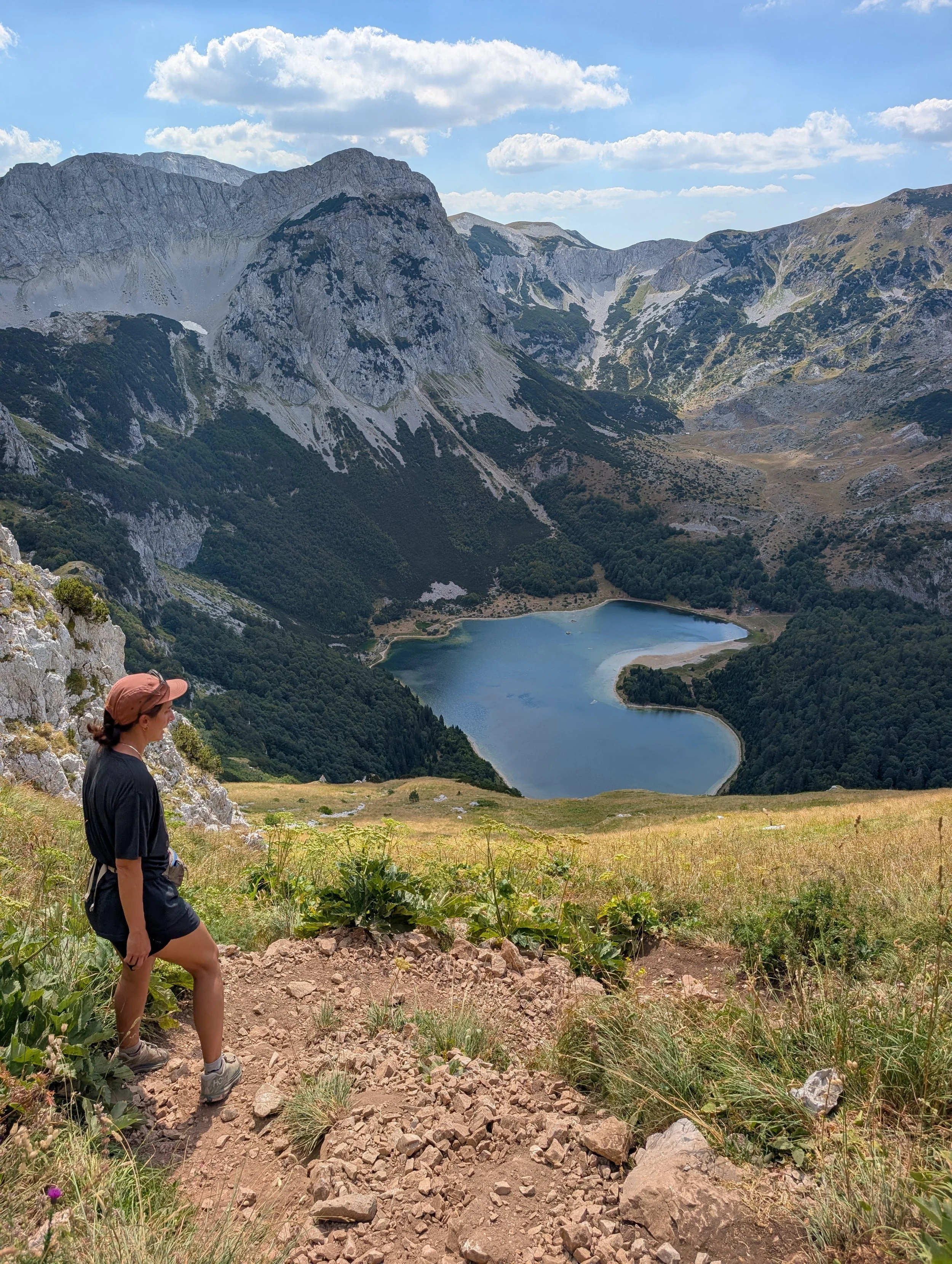
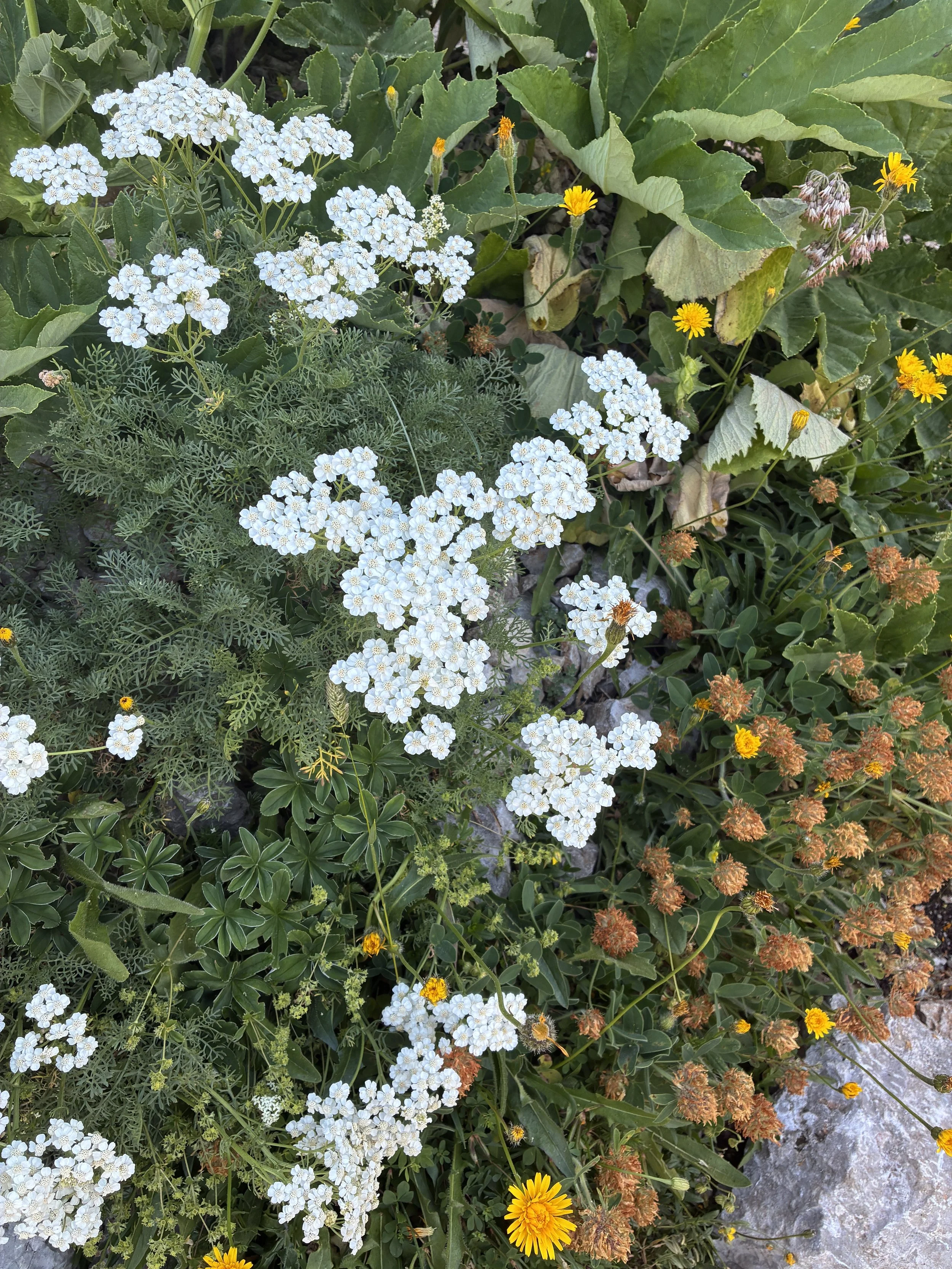
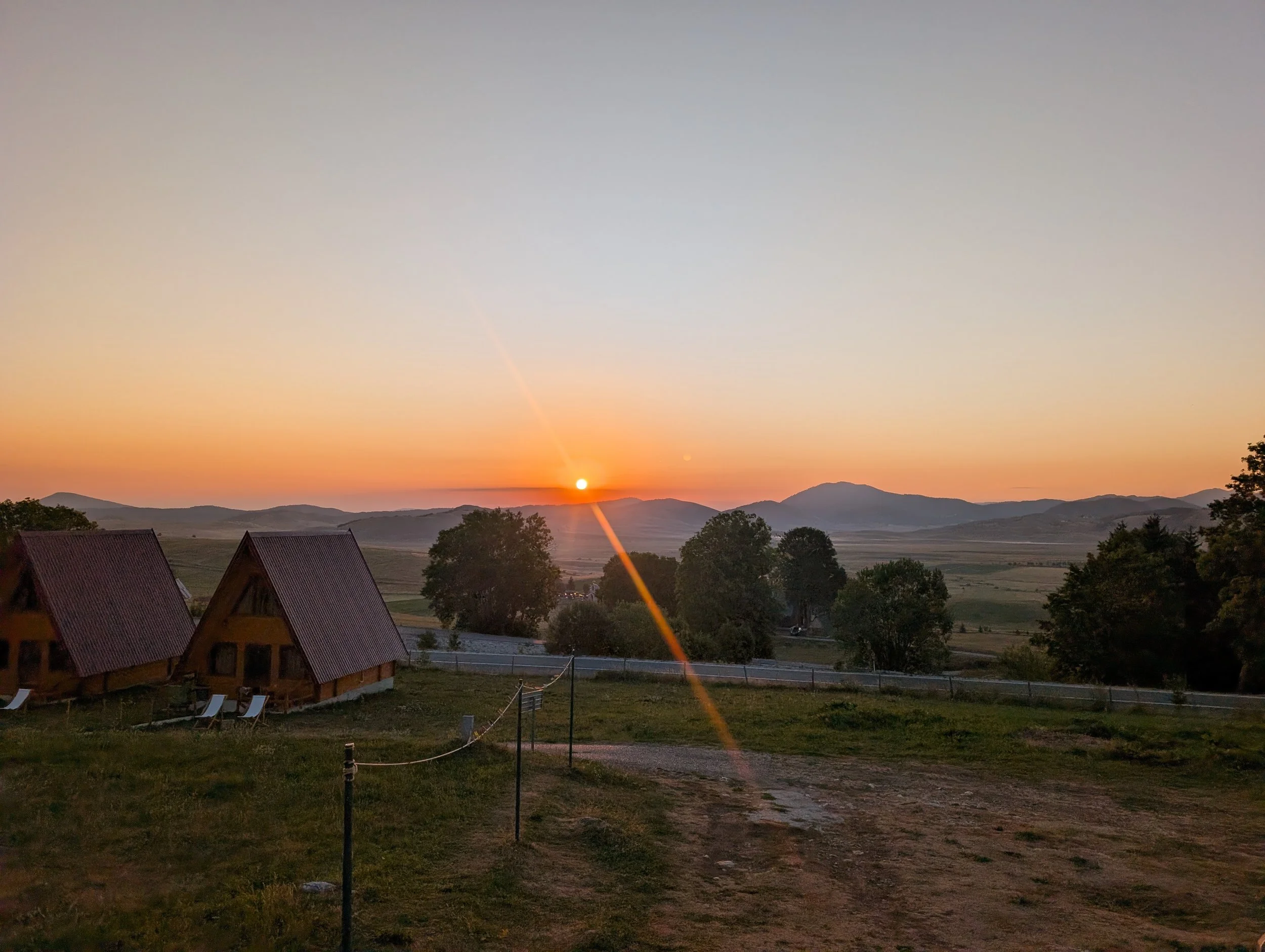
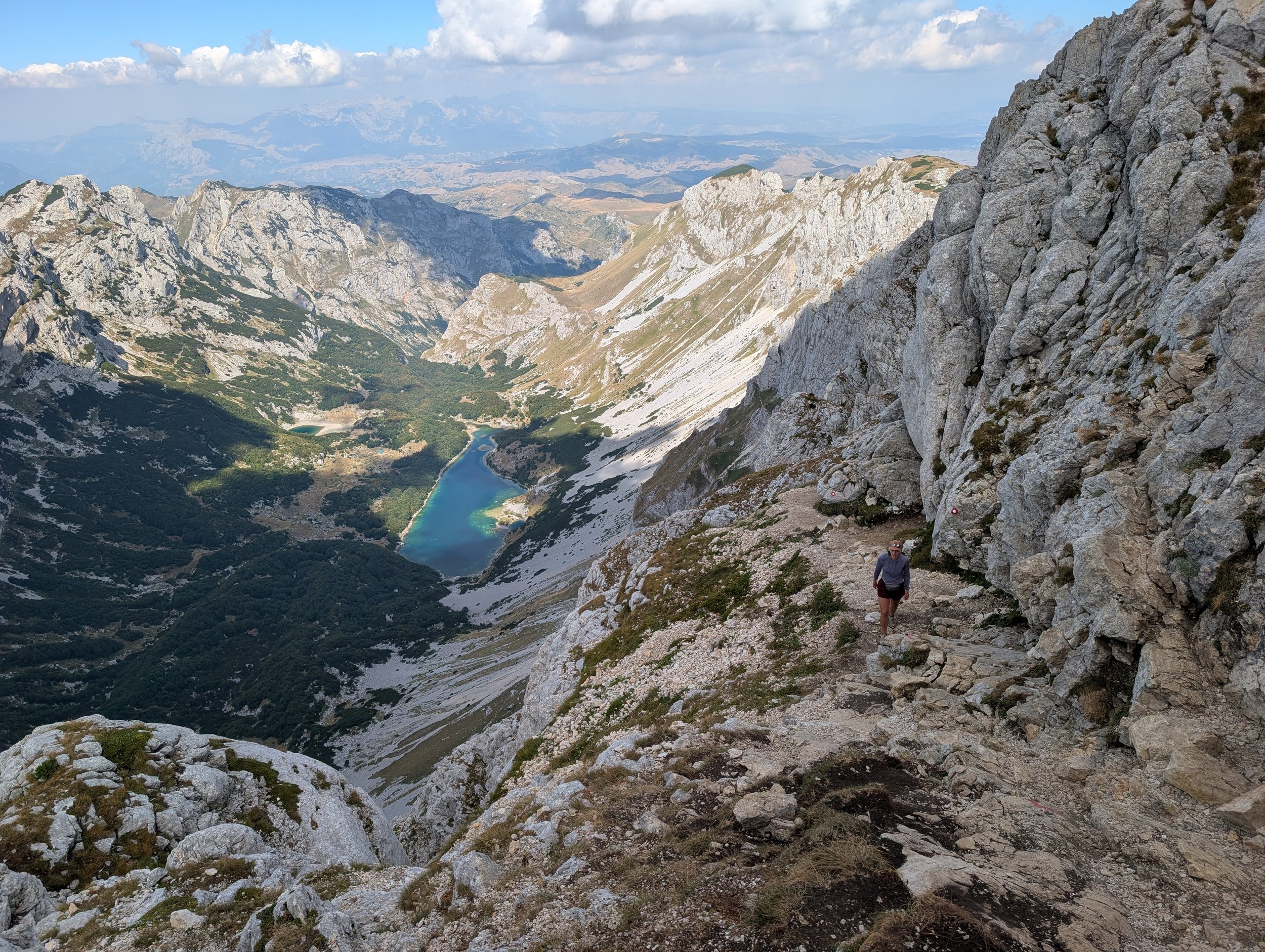
Durmitor National Park
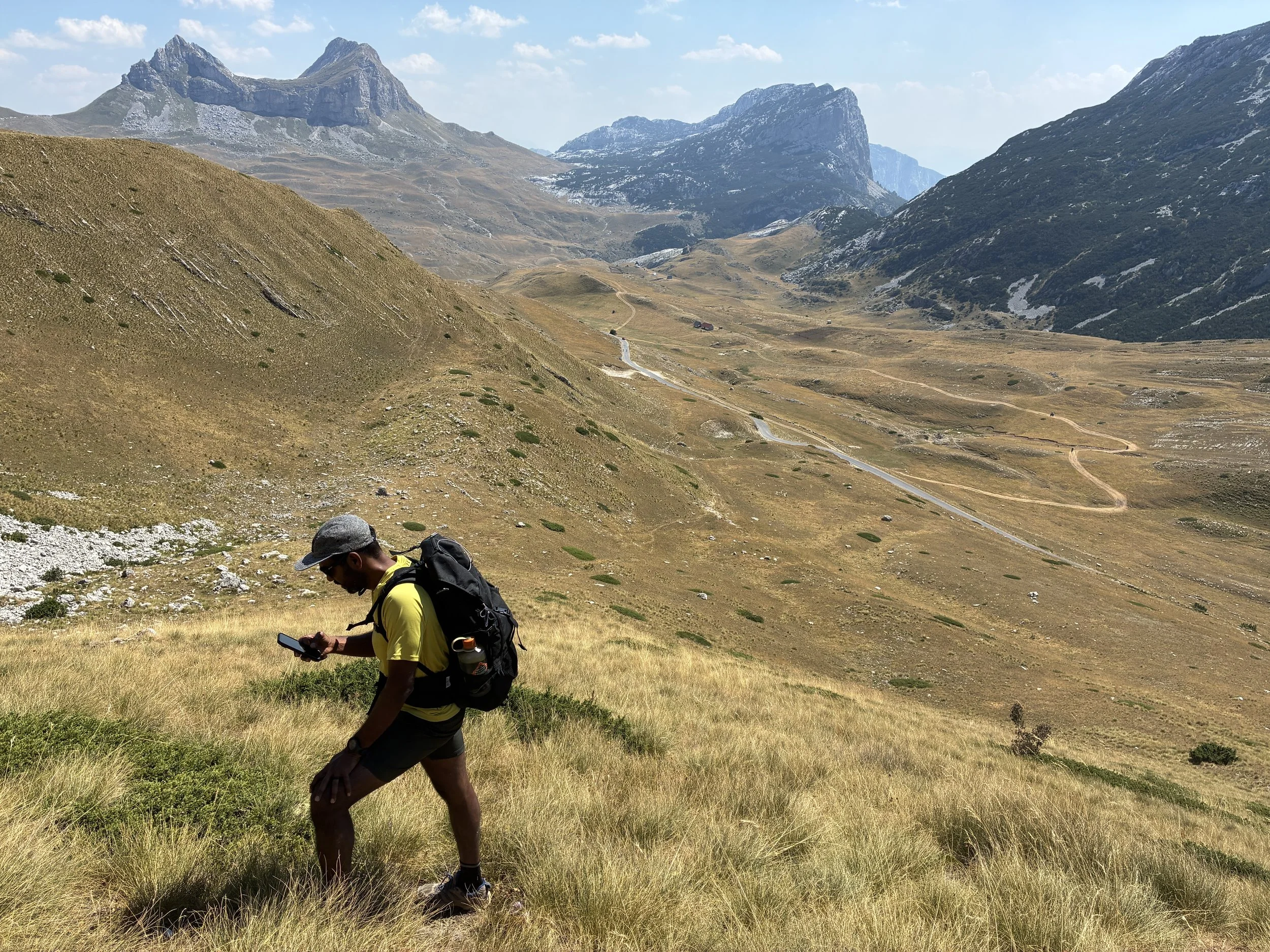
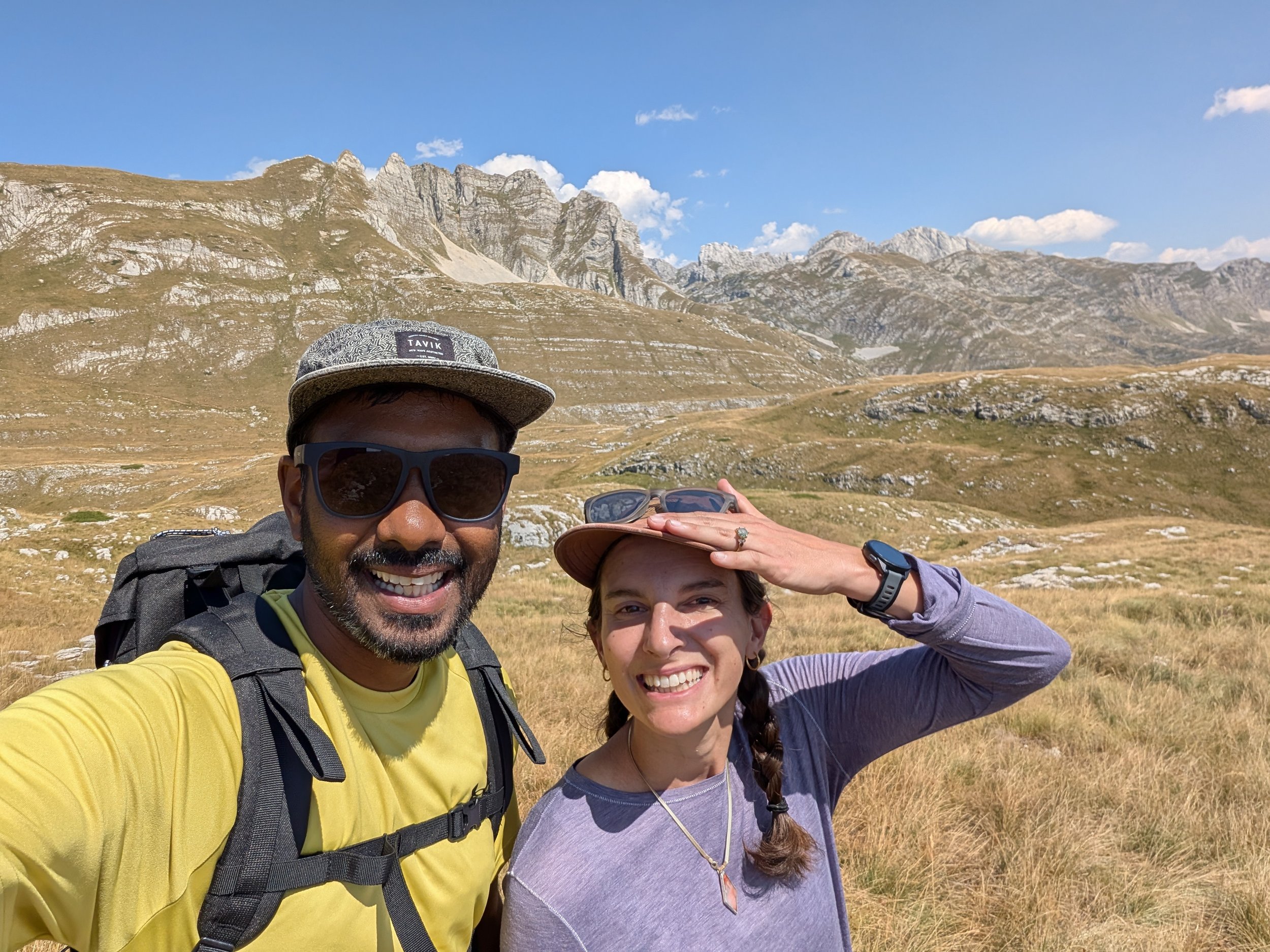
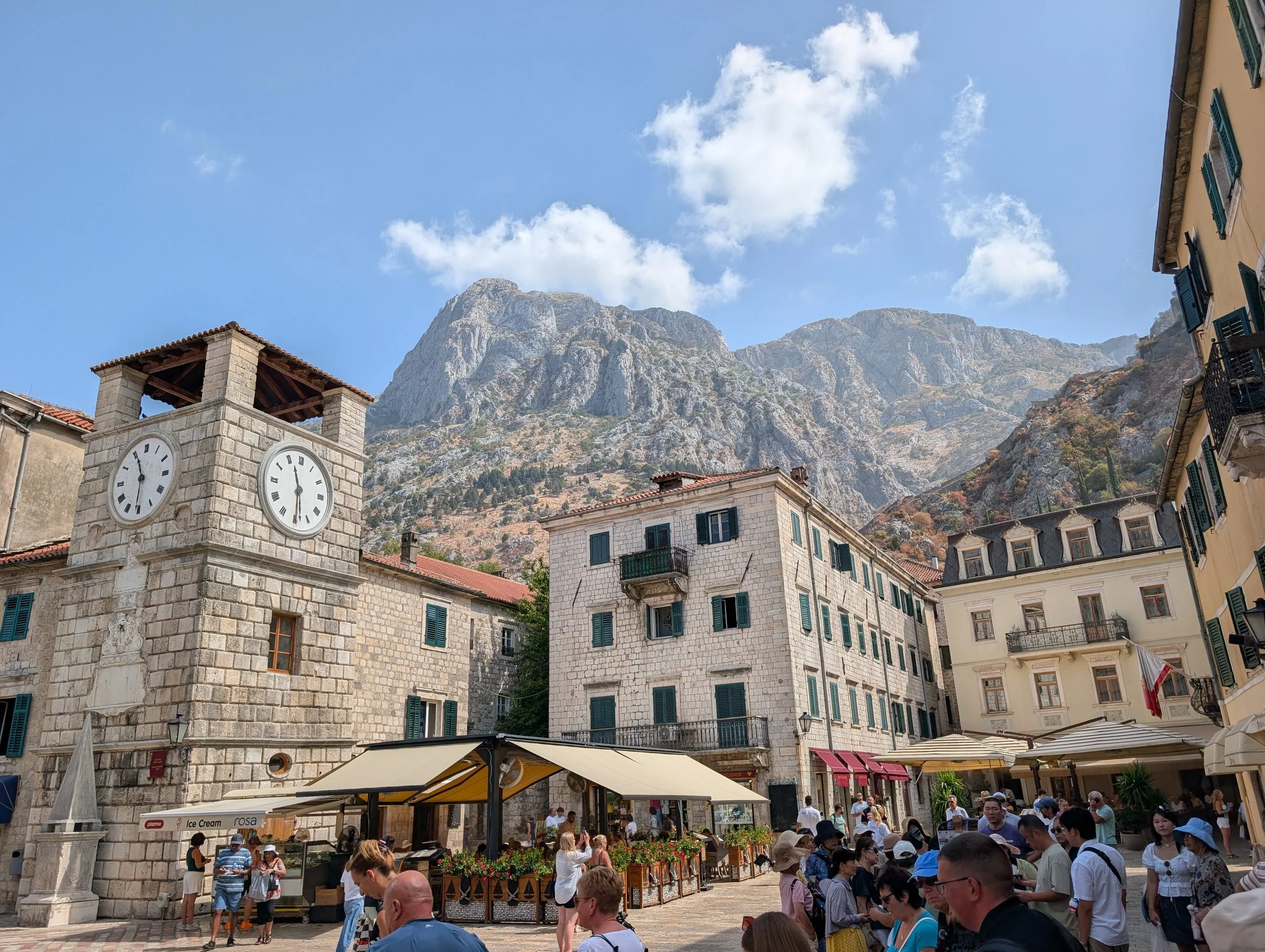
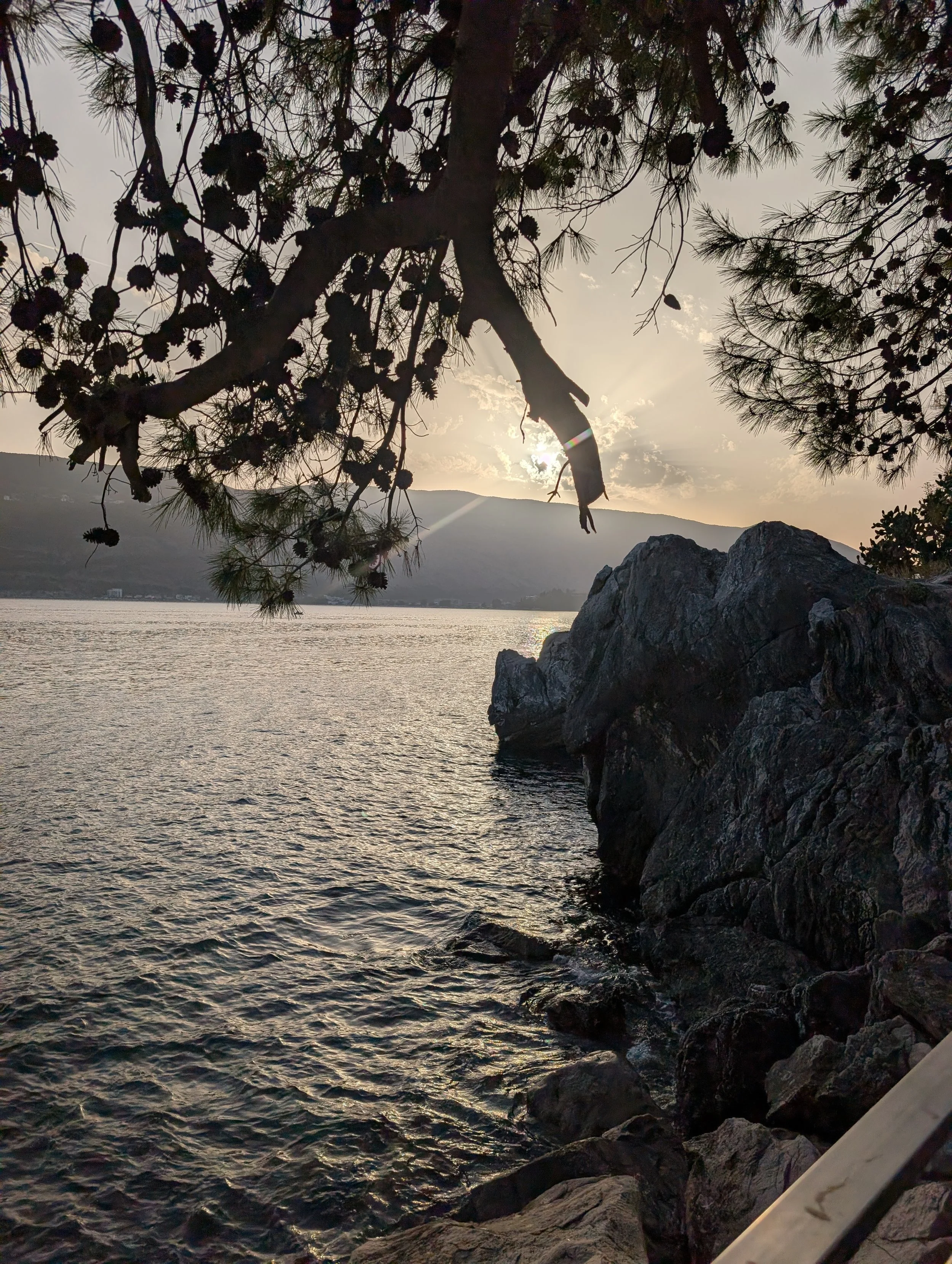
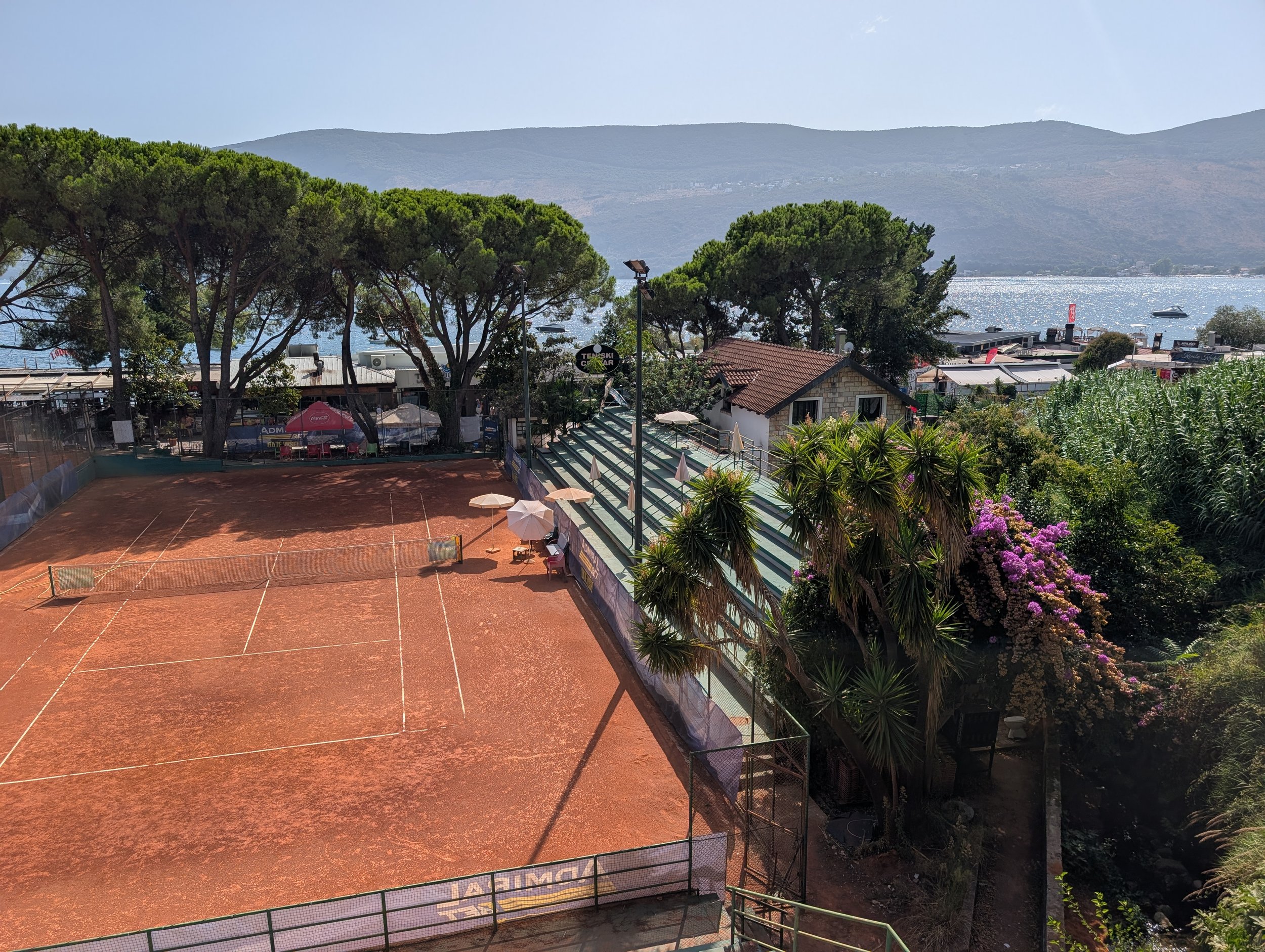
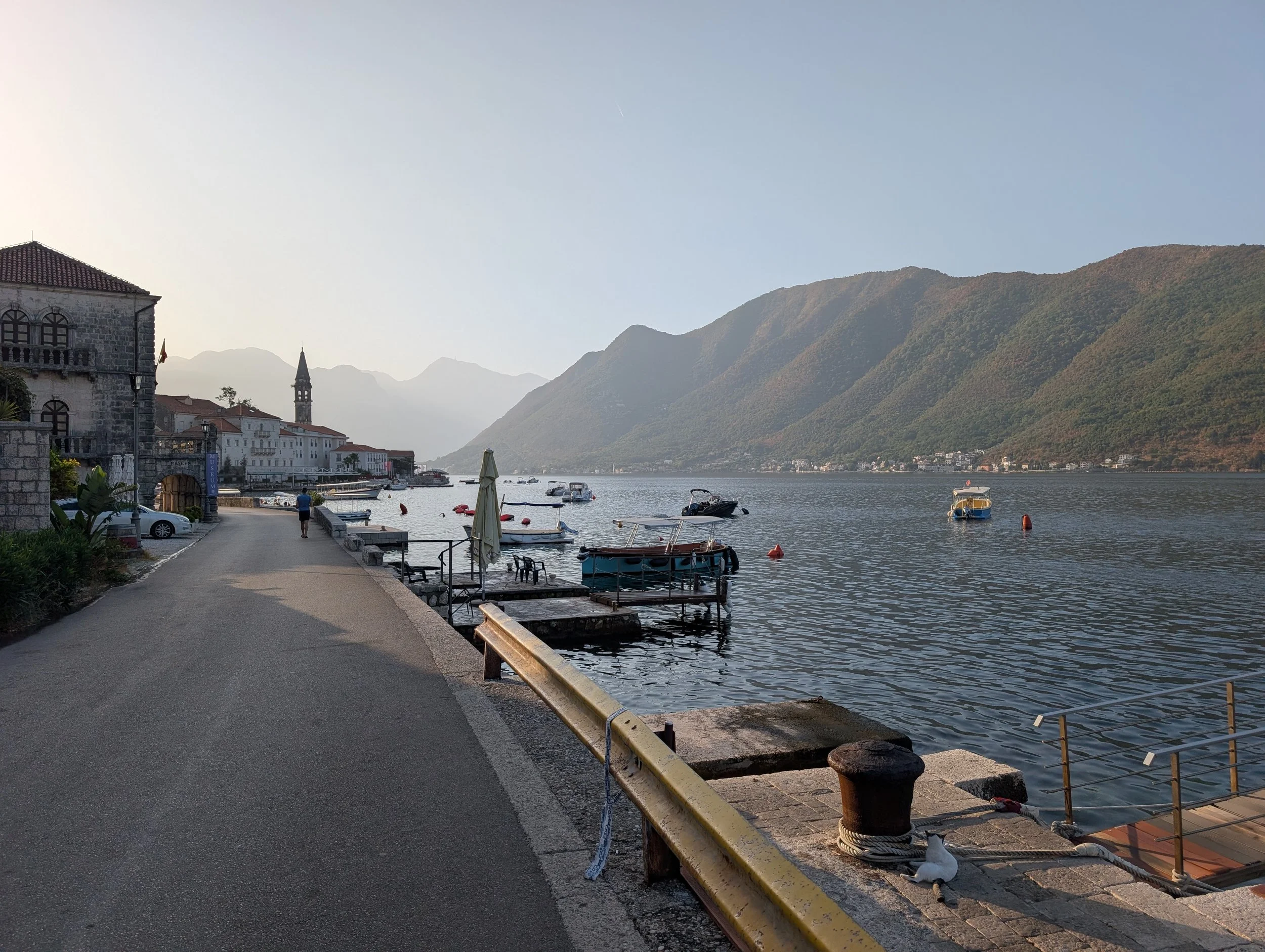
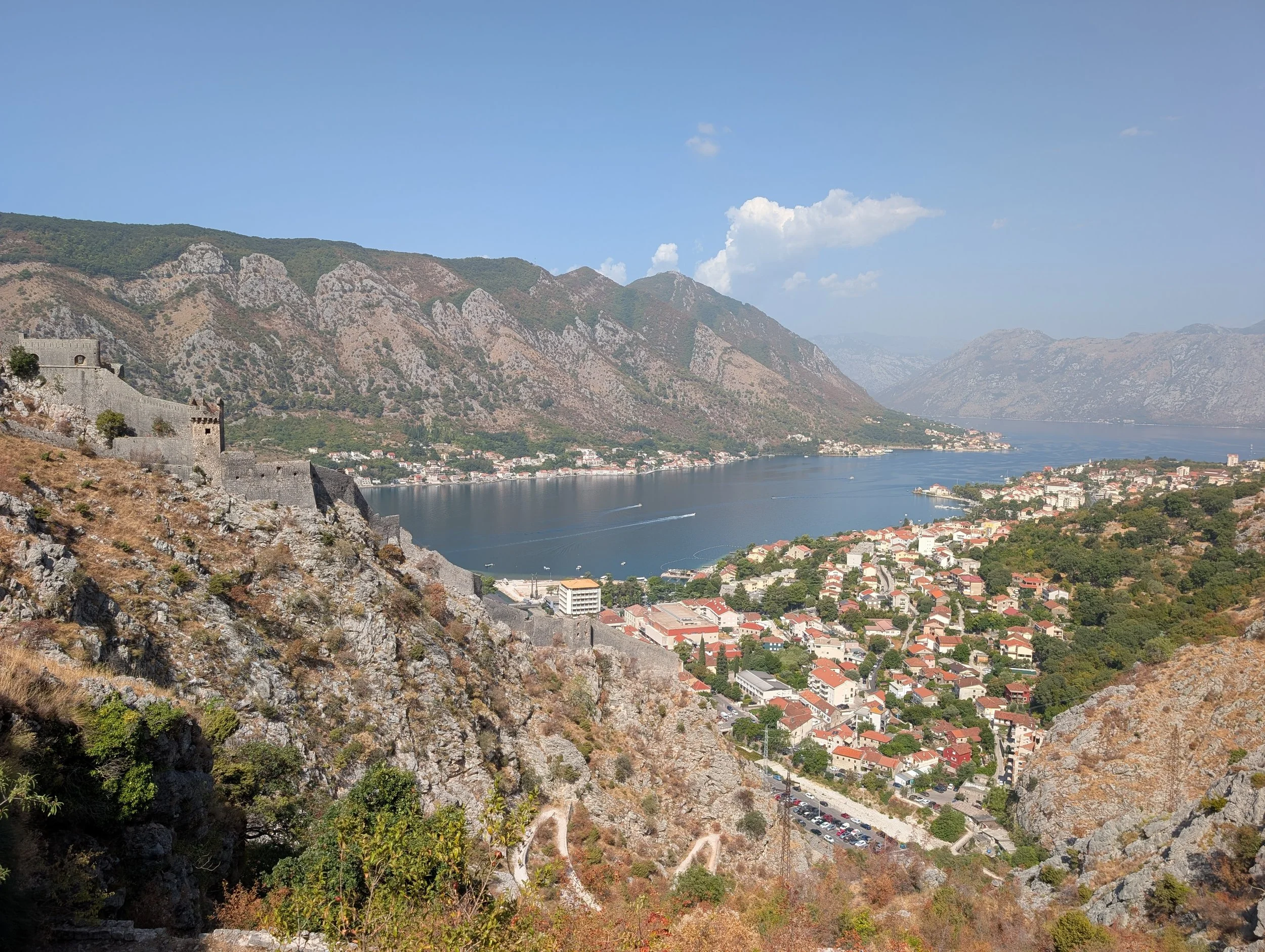
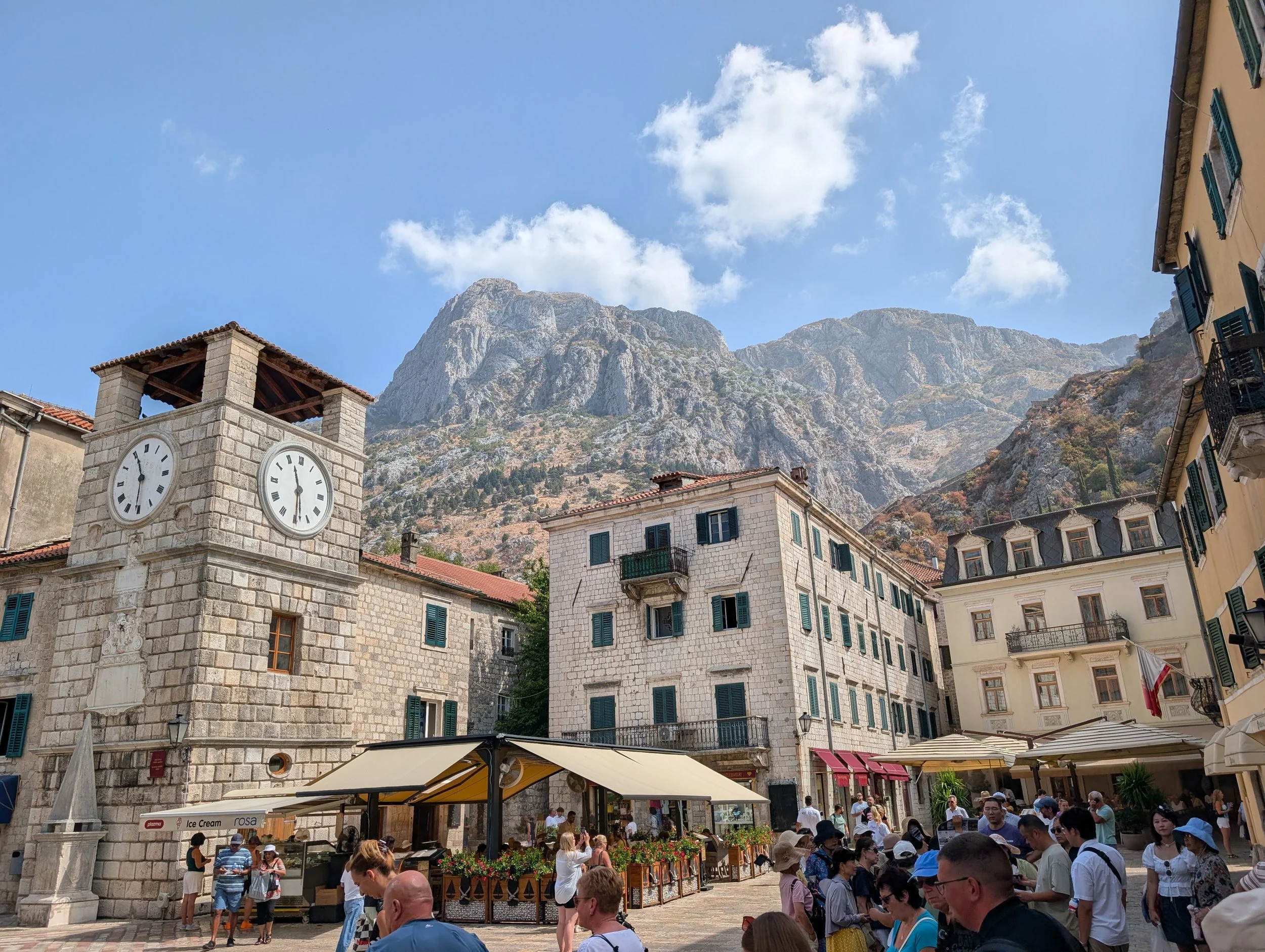
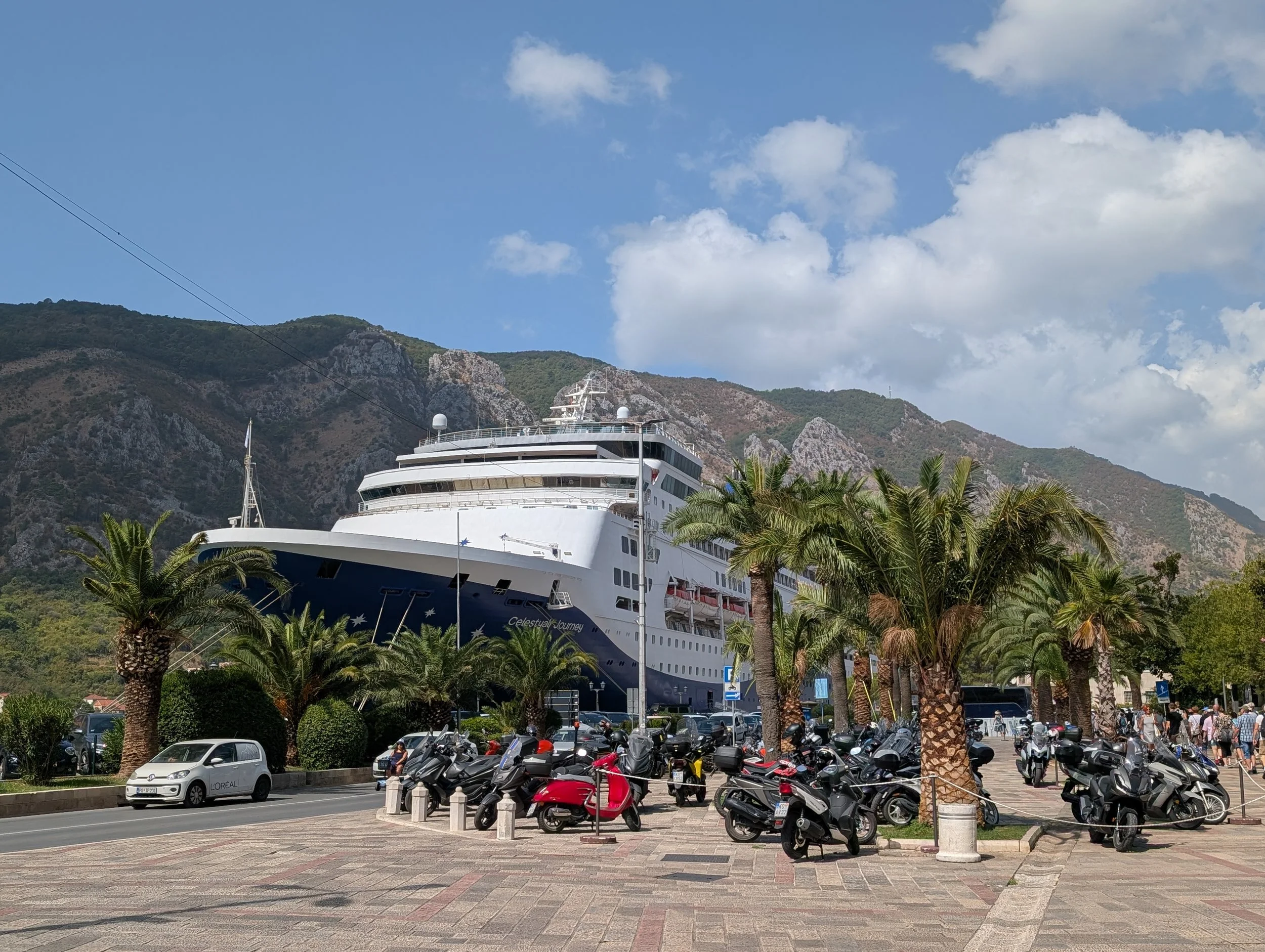
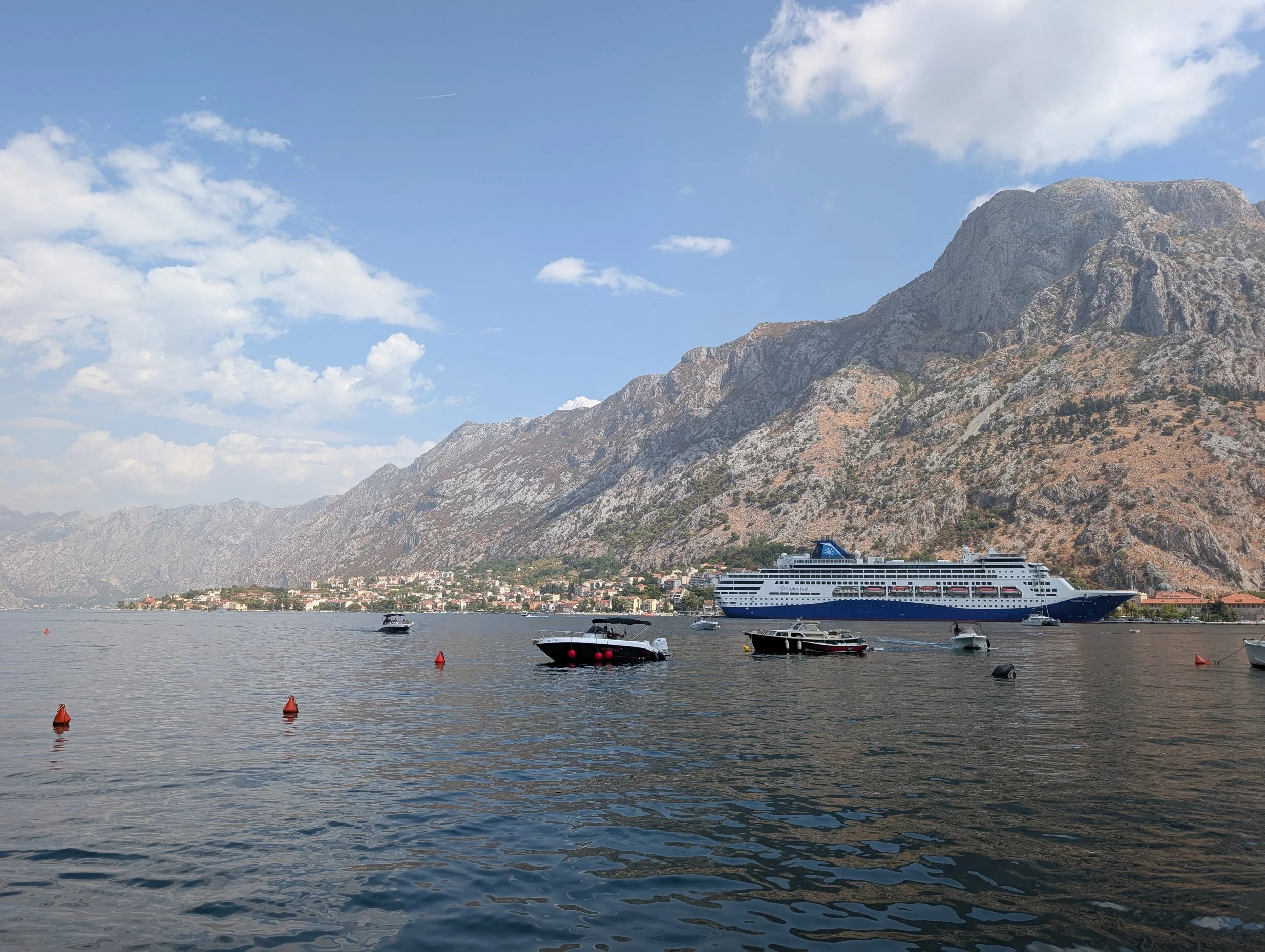
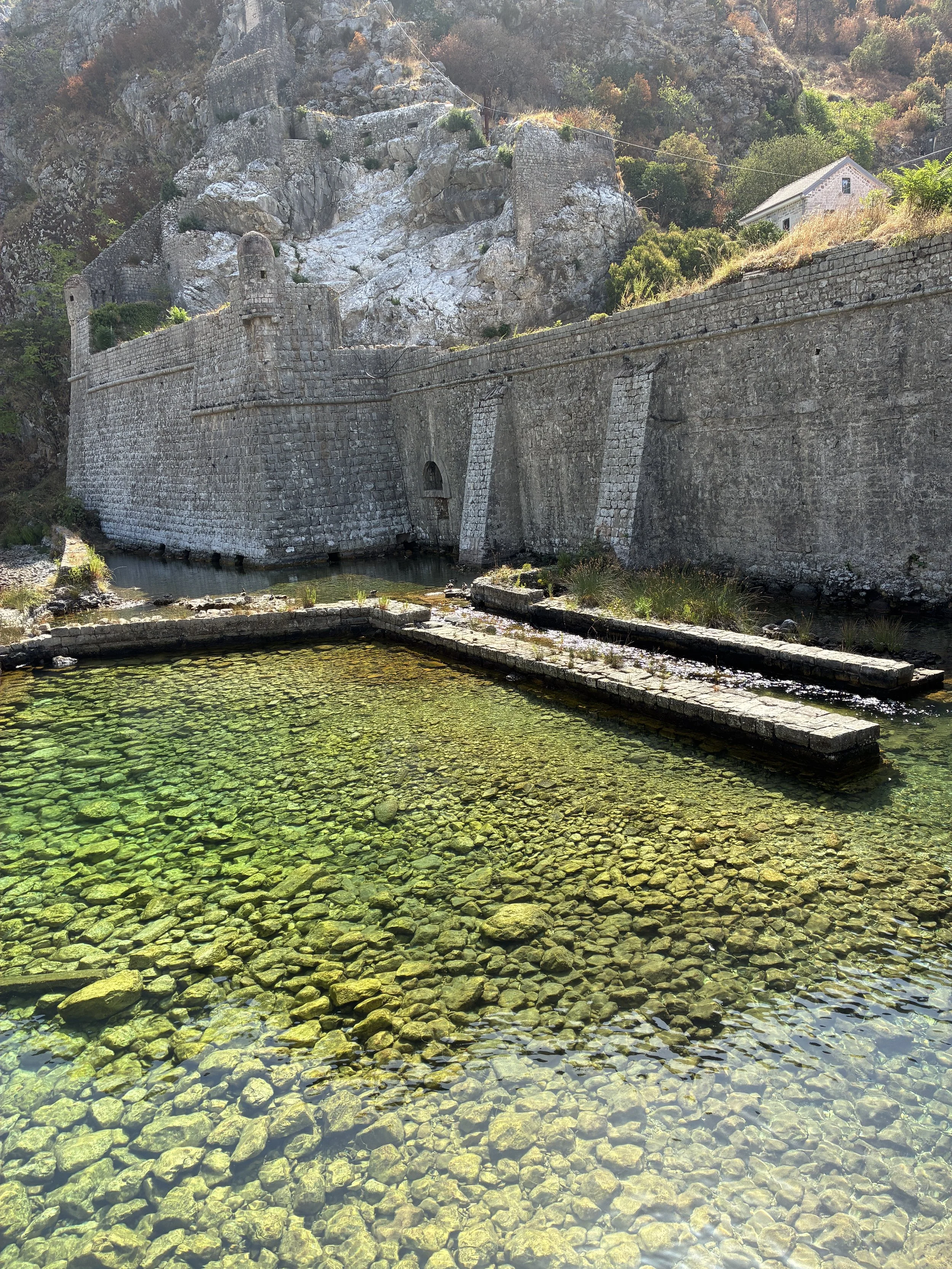
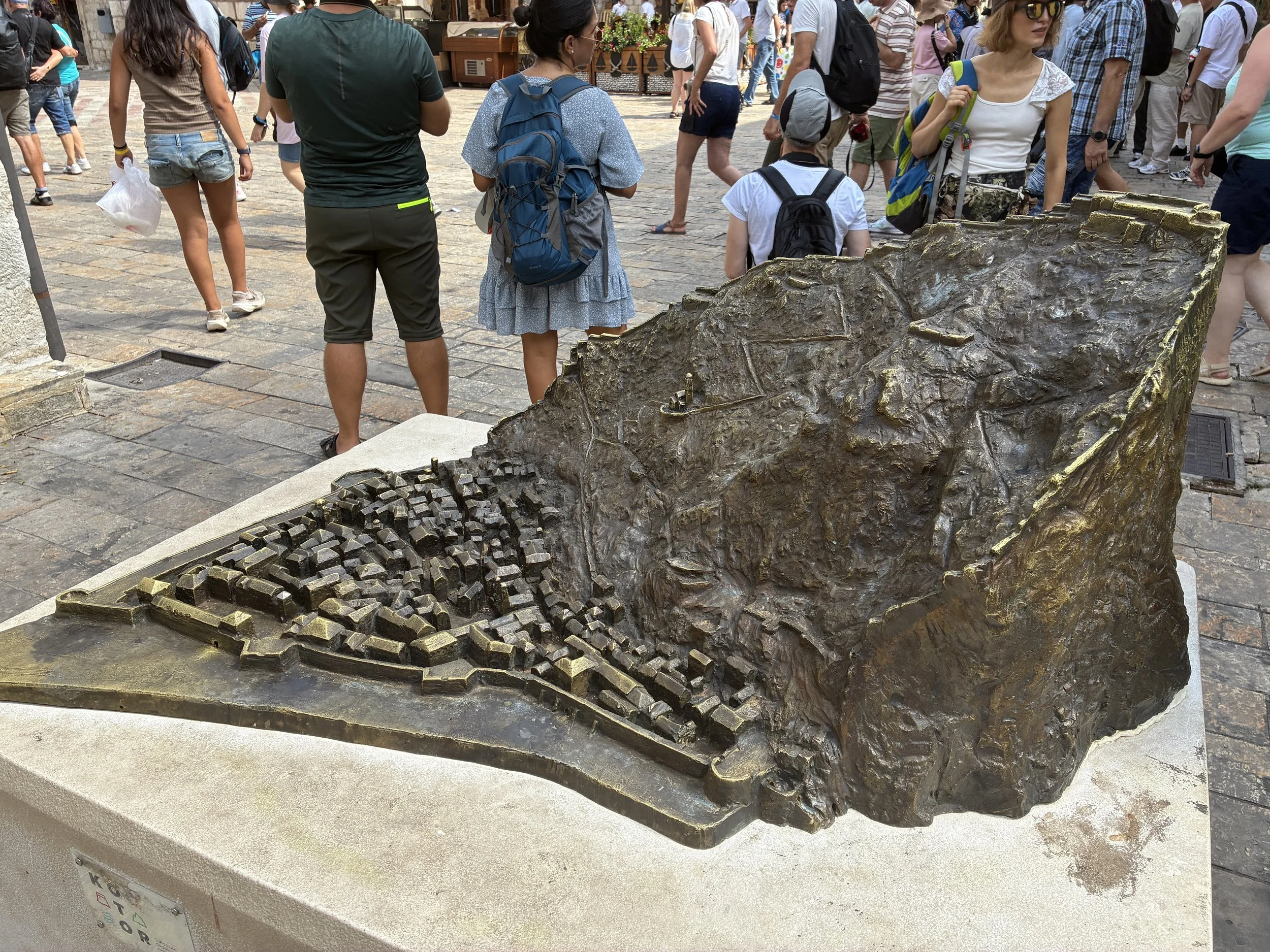
Podgorica, Prokletije National Park, Bar, and Kotor
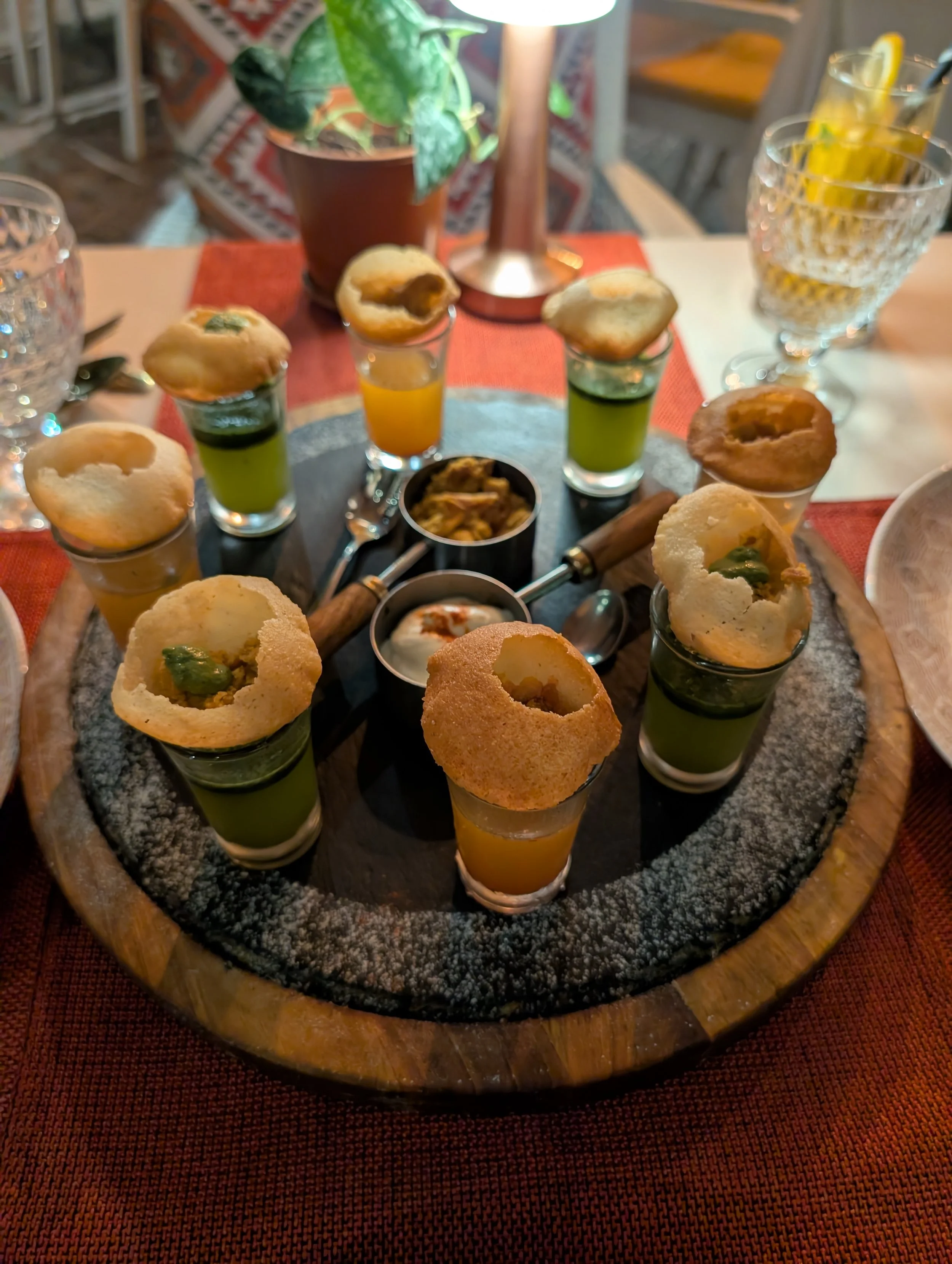
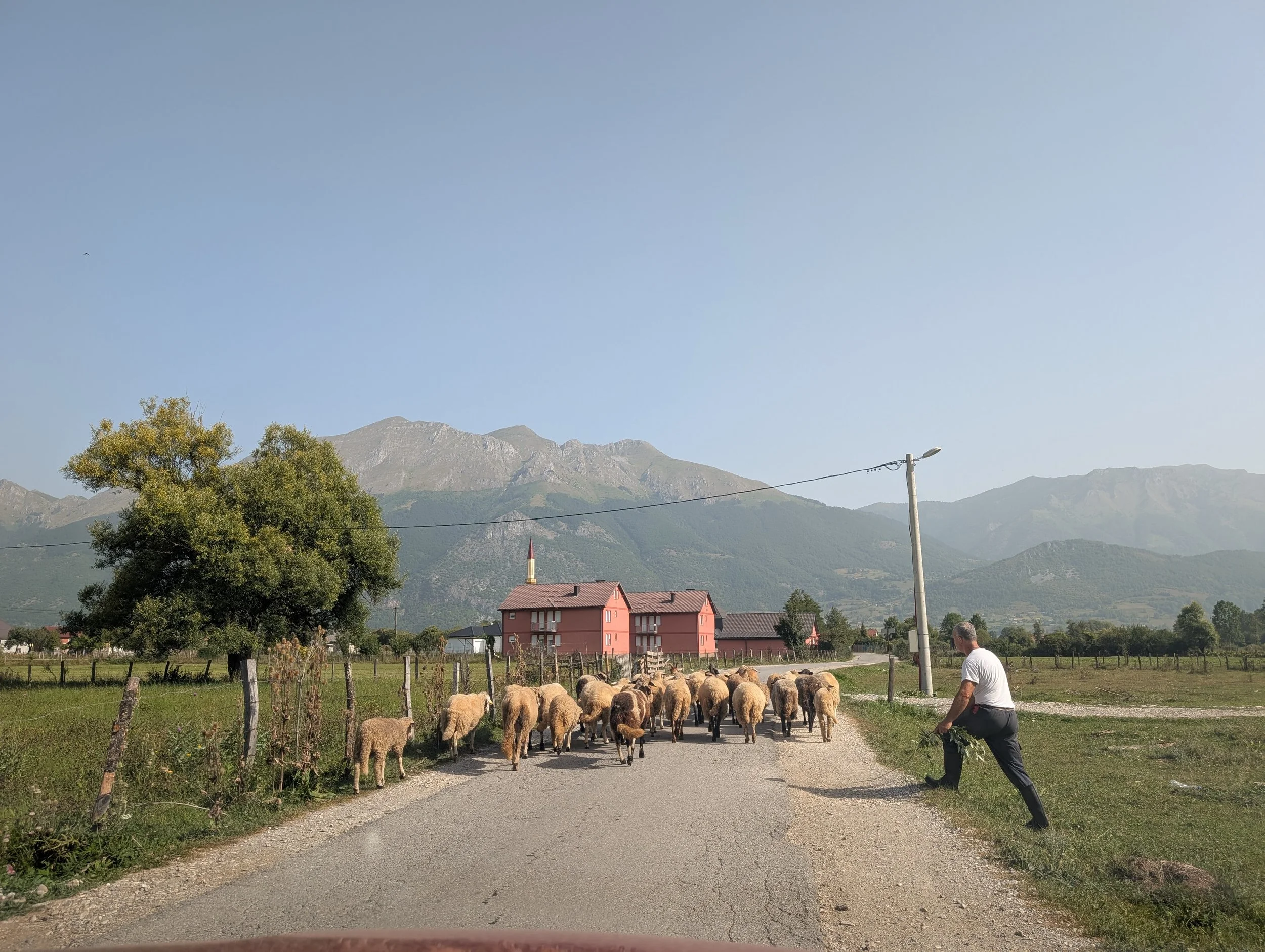
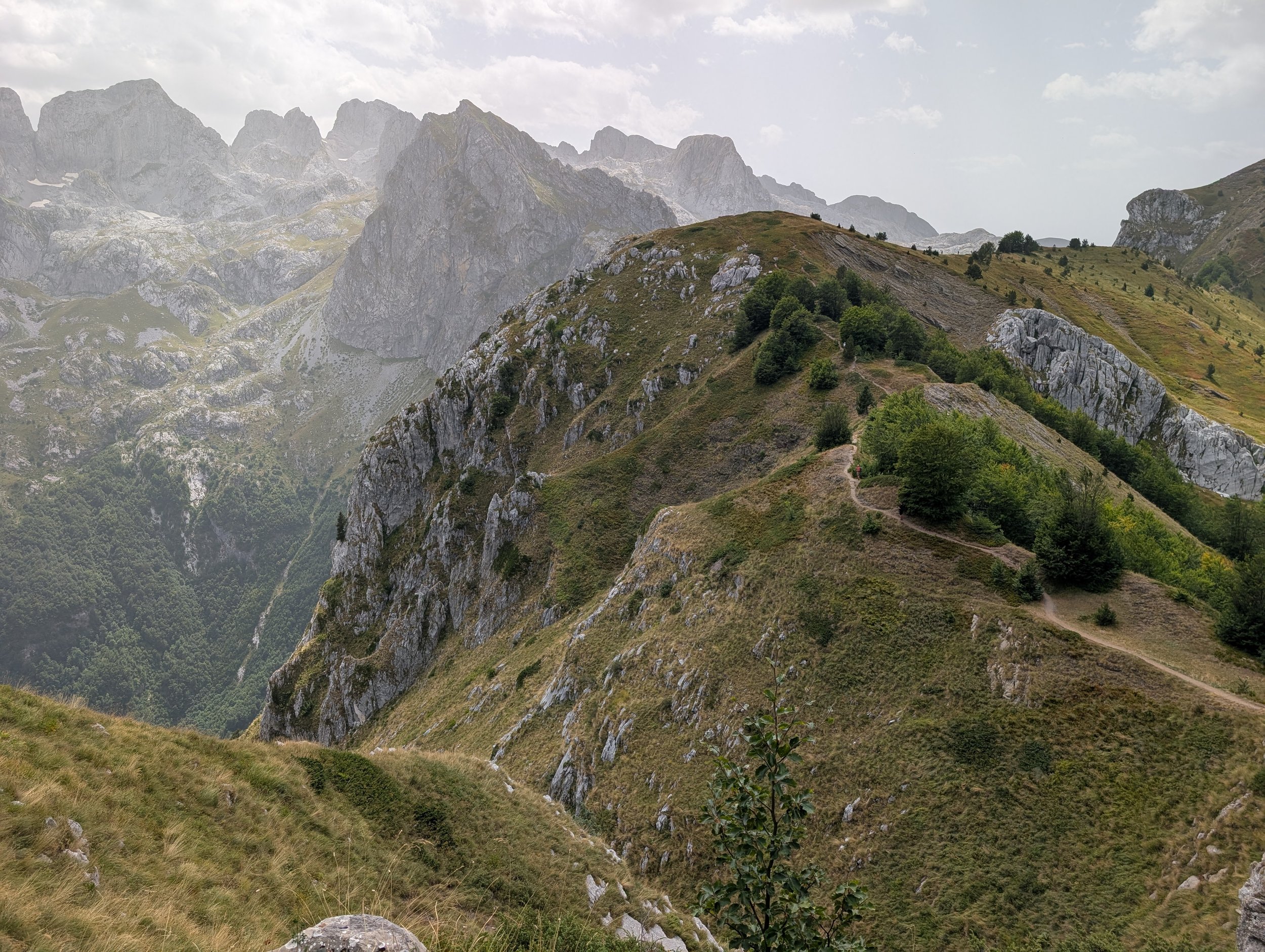
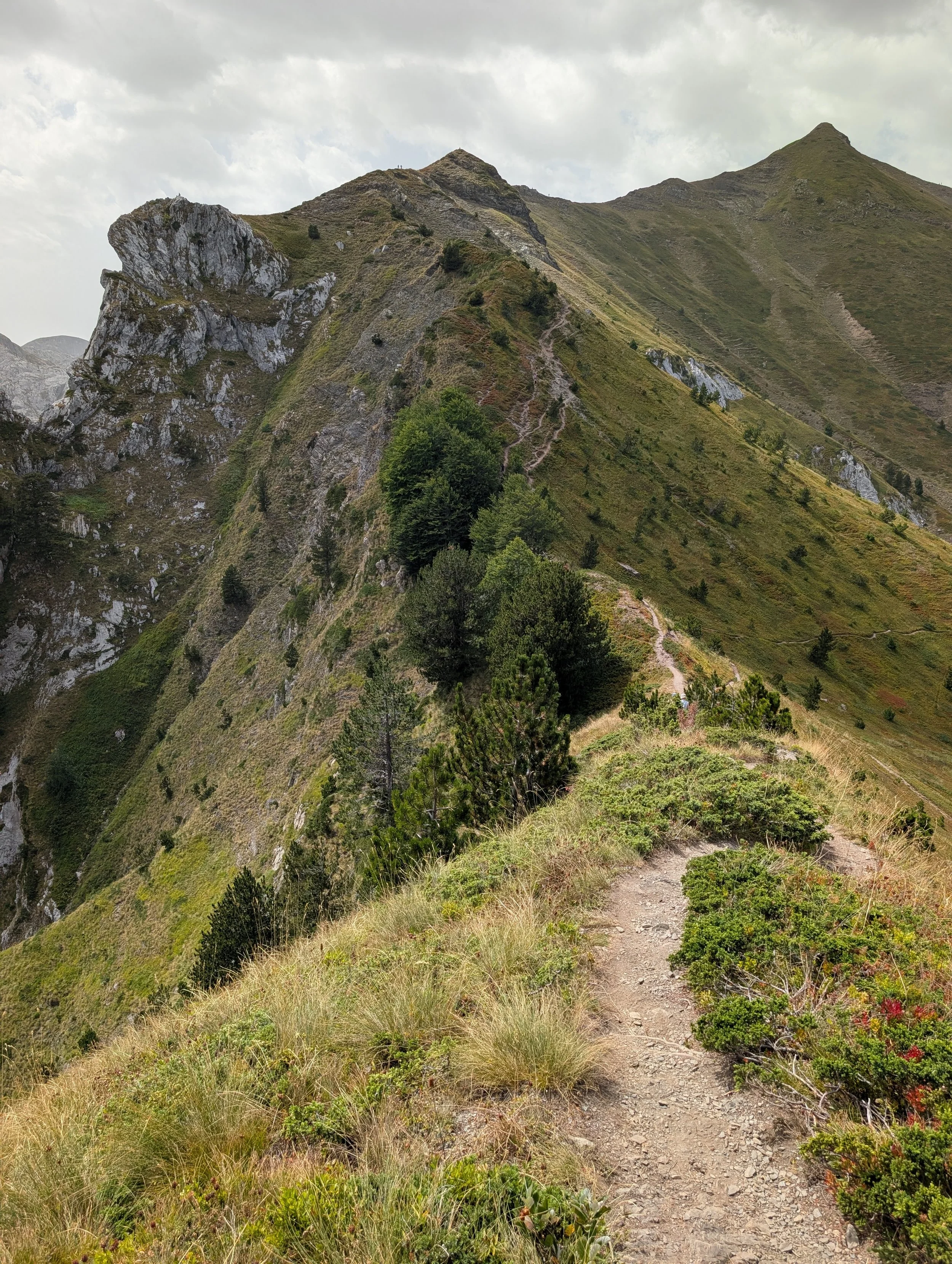
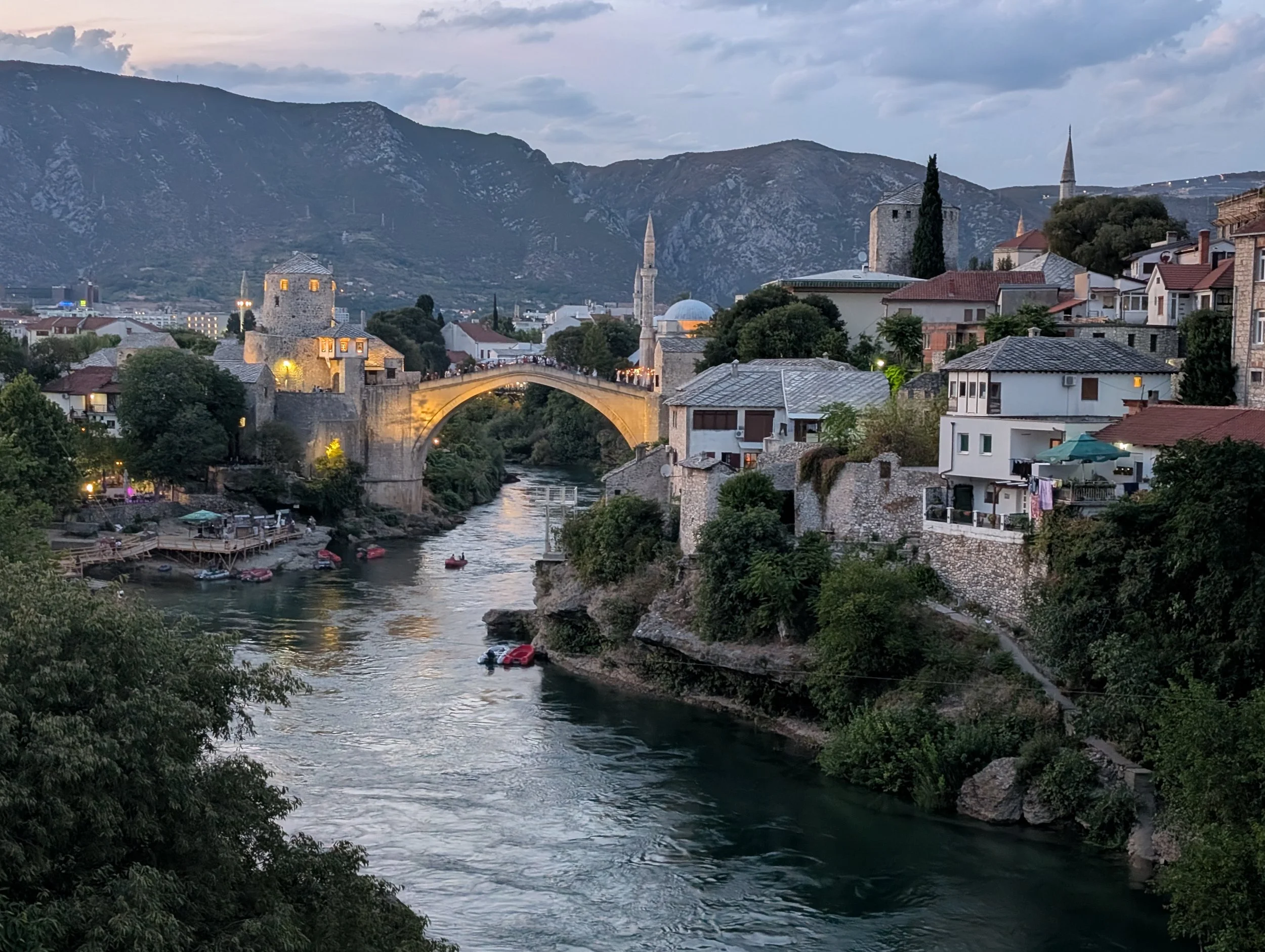
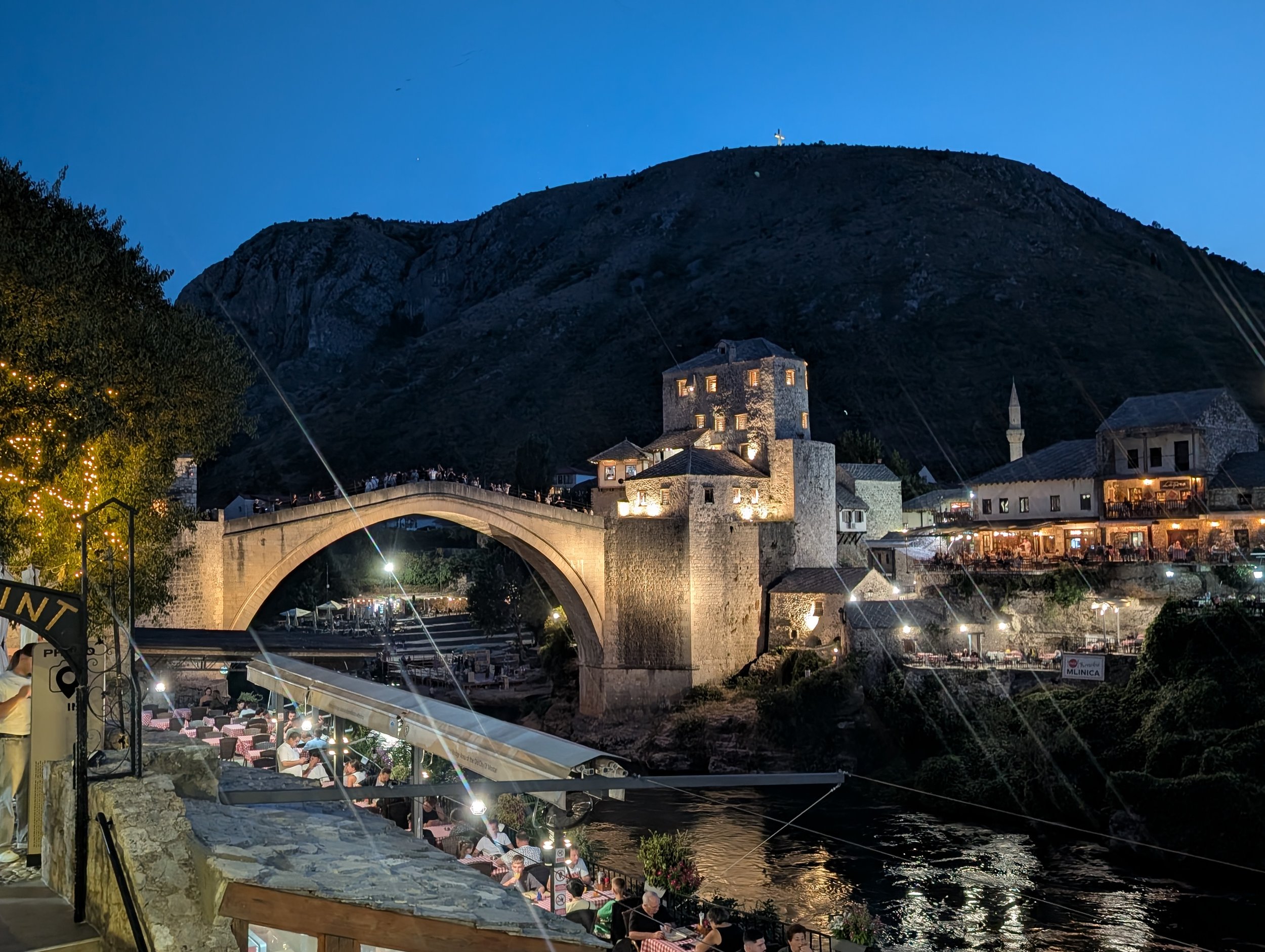
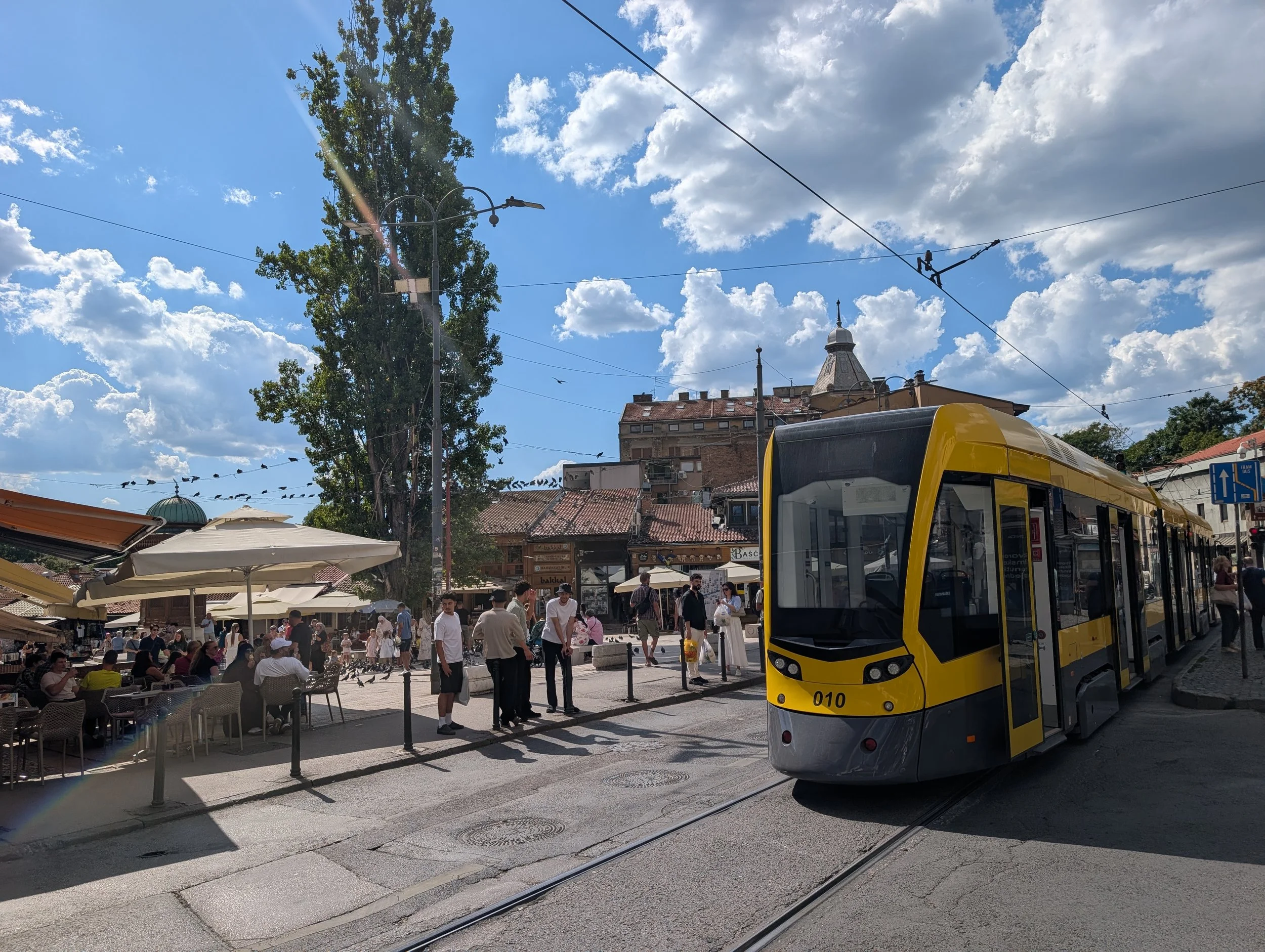
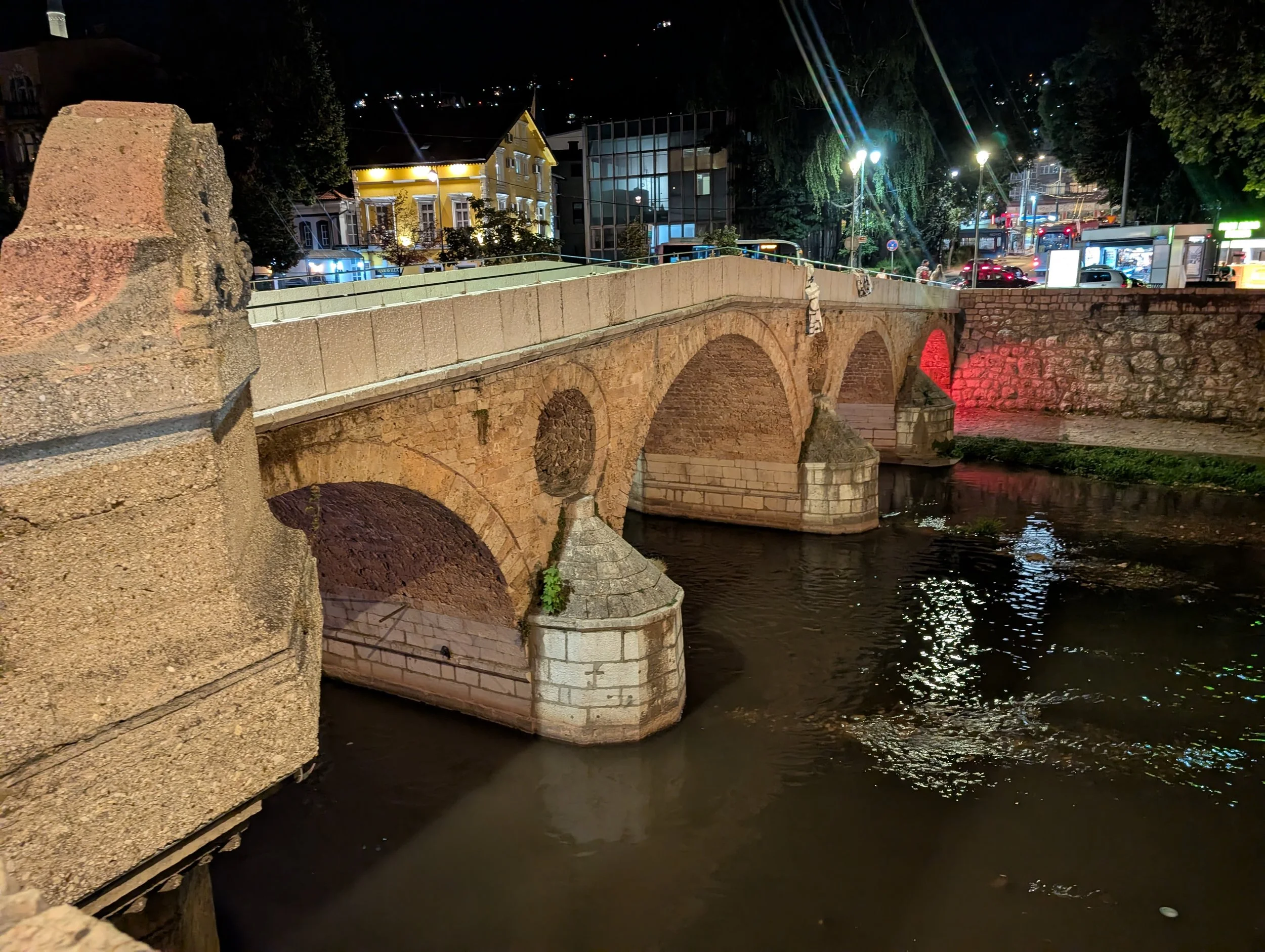
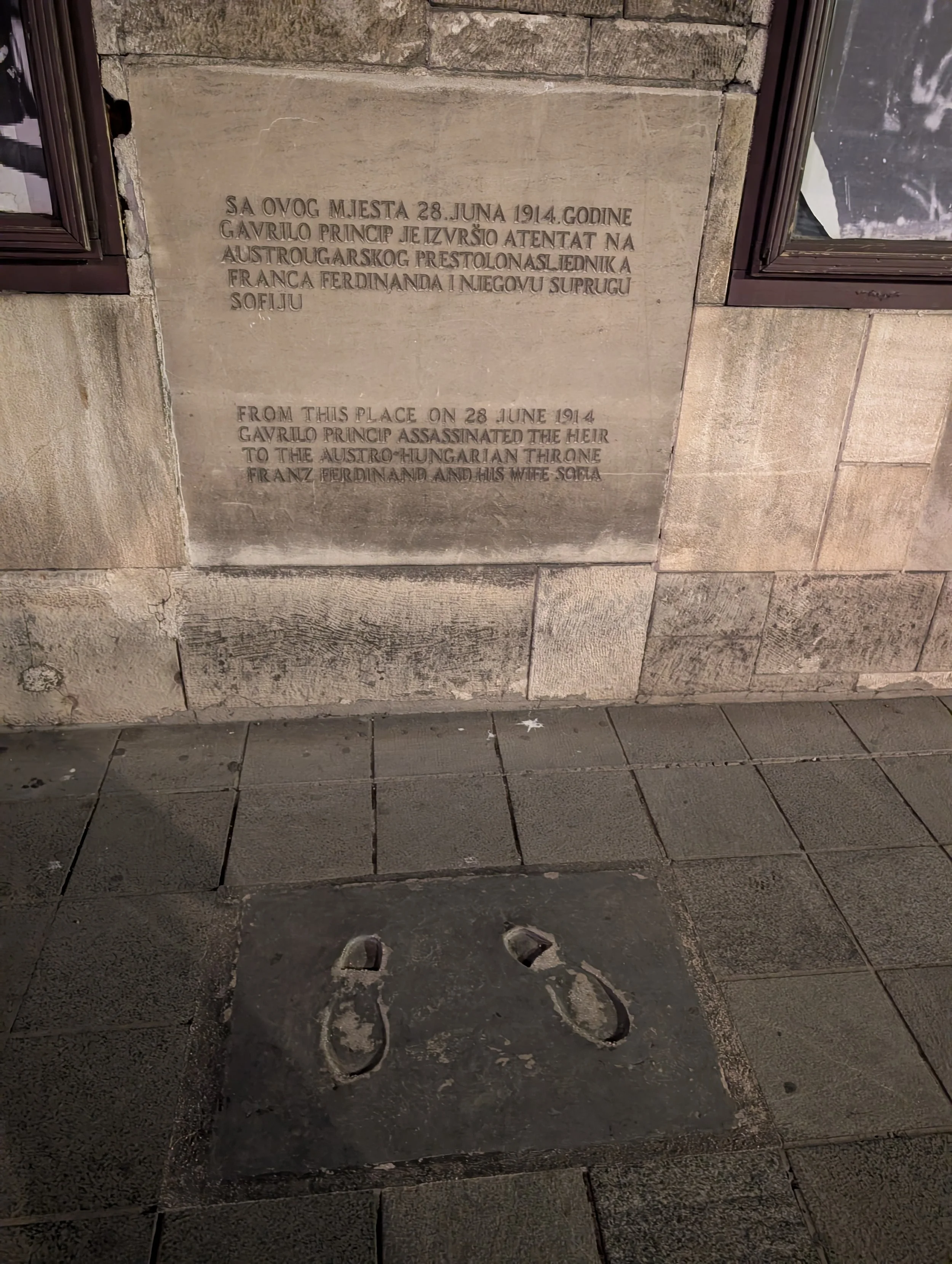
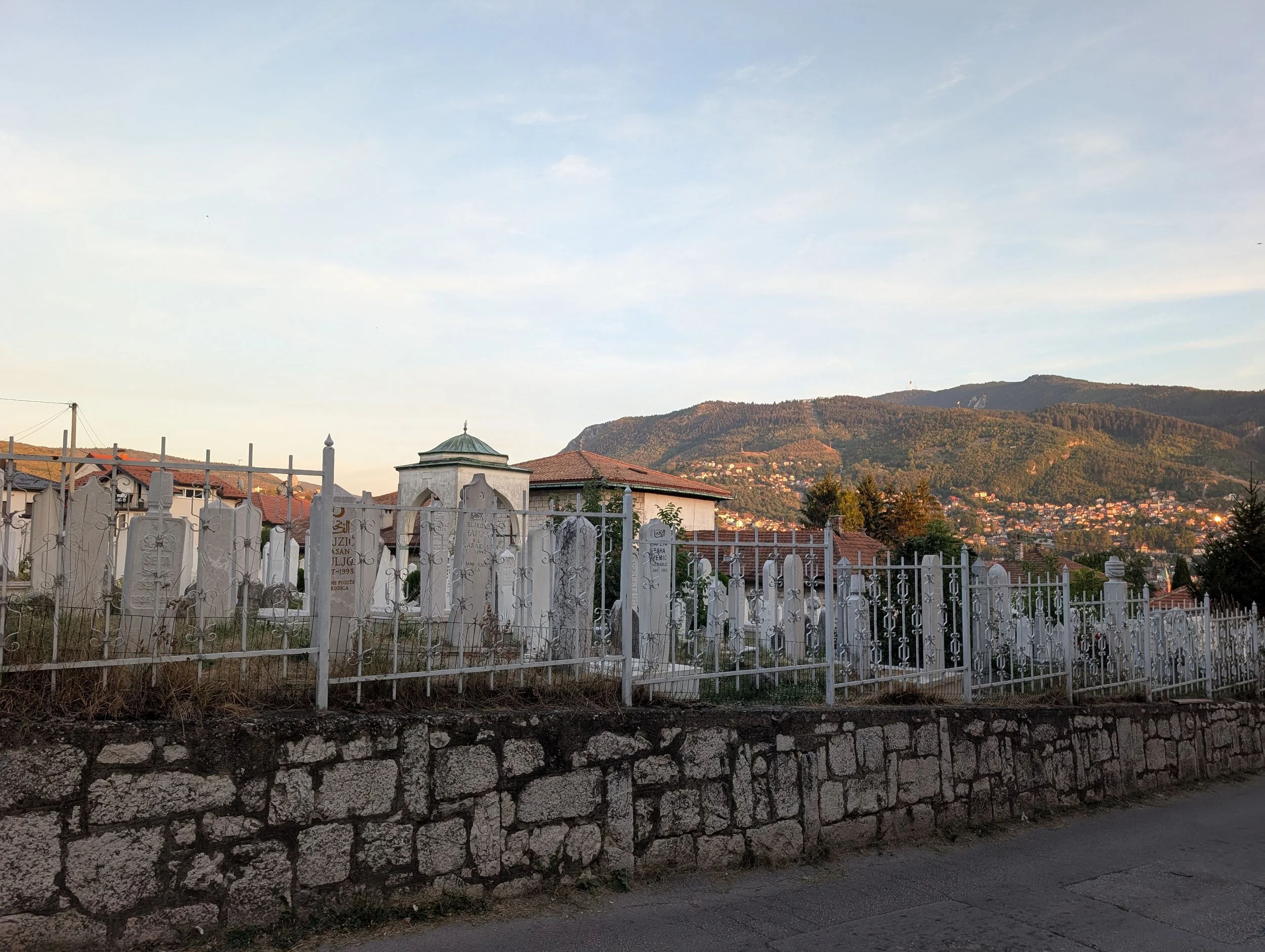
Sarajevo, Mostar, and Novi Sad